
A Preliminary Assessment of My Experience at COP30
Over the past month, we have witnessed many positive developments, both before and during our participation at COP30. I can say that the Jesuit Campaign for Climate Justice has been a success until now. While those of us who prepared and attended COP in Brazil gained valuable insights, it remains clear that much work remains ahead. A comprehensive report on these next steps and our observations will be prepared after 15 December, when the team that organized and actively participated in the COP30 in Belém do Pará conducts the official evaluation.
In the meantime, I would like to share five key personal impressions, highlighting the most significant aspects of our participation and suggesting where future efforts should be directed.
THE CONTEXT: BRAZIL
The last three COPs were held in Muslim nations: Azerbaijan, the United Arab Emirates, and Egypt. This marked the absence of the Roman Catholic Church, unlike at COP30. Indeed, our Muslim brothers and sisters have been much more present at the last three rounds of negotiations, but this year, the Roman Catholic Church was very much present and visible at COP.
Since 2022, the Vatican State has been a signatory and sent a delegation (led by the Apostolic Nuncio) that played an important role. Beyond the paradoxical significance of being a tiny State representing 1/6 of humanity, at COP30, the Roman Catholic Church was present through numerous organizations: The NCCEA (Network of Catholic Climate and Environment Actors), CIDSE, Misereor, Caritas Internationalis, the three conferences of bishops from the Global South: CELAM (Latin America), SECAM (Africa and Madagascar) and FABC (Federation of Asian’s Bishop Conferences), the ecclesial networks from the Amazon, Central America, Mesoamerica, the Congo Basin, Oceania and the Asia-Pacific region, Vivat International, Franciscans International, amongst many others. The presence of the Church was significant, and as the subsecretary of the COP’s presidency said when the cardinals of the Bishop Conferences of the south delivered their message, “When you speak, the negotiators listen”.
Our presence as the social apostolate of the Society of Jesus was composed of around 30 people, Jesuits and lay collaborators alike, from Madagascar, Ireland, Portugal, France, Colombia, India, the Philippines, the Dominican Republic, Chile, the Democratic Republic of Congo, Spain, Malaysia, and Brazil, who were at COP30. Among us were scientific researchers, journalists, teachers, African, Afro-American, and indigenous activists, and leaders of diverse Jesuit institutions. It was one of the largest delegations among the Church representatives on the ground.
Nevertheless, what I can assure you is that more important than our presence in Brazil has been and will continue to be the preparation process and follow-up at subsequent COPs. Which leads to my second observation.
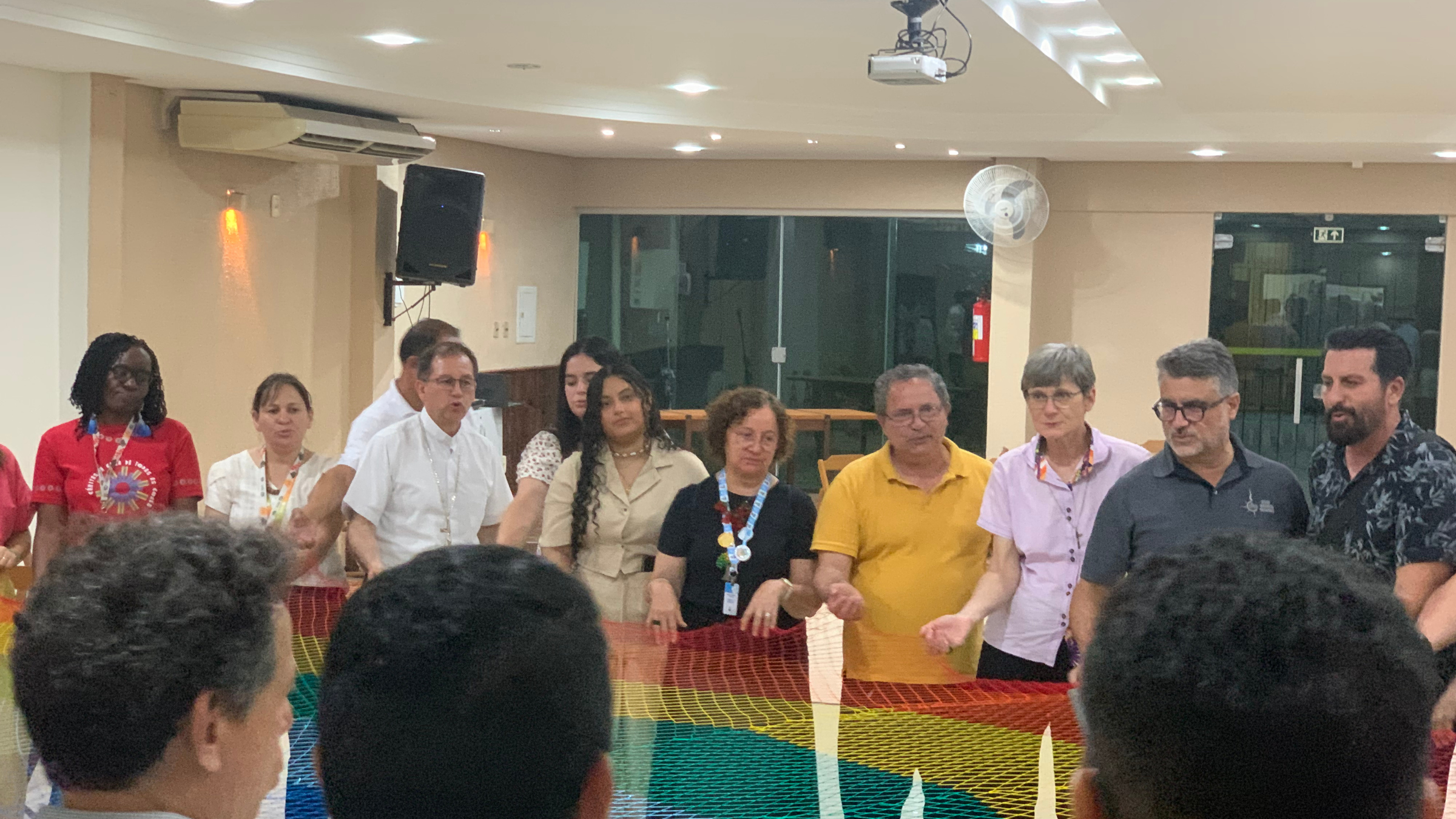
PARTICIPATION AS A PROCESS: “before, during, after…”
Over the last 10 months, the six Conferences of Major Superiors have fostered awareness and participation. This has not only enabled us to plan our presence in Belém, but also to develop a collaborative and educational process using essential materials. We have consistently gathered resources, goodwill, and creativity to achieve the following:
- Biweekly meetings of the coordination and communication groups.
- Public statement(s) asking for four concrete actions that proved central to the dynamics of the COP: debtforgiveness/cancellation, strengthening of the loss and damage fund, a just energy transition, and food systems based on the principles of sovereignty and agroecology.
- The creation and argumentation of these calls in an accessible and understandable Policy Brief.
- An expansion of the “Jesuits for Climate Justice Campaign” in collaboration with other partners to foster the “Religious Life for Climate Justice Campaign”, gathering more than 4,500 individual and over 700 institutional signatures, including around 350 religious congregation leaders (general superiors or provincials), including the presidents and central bodies of the USG and the UISG.
- An online mechanism to encourage national negotiators to be more ambitious in their Nationally Determined Contributions (NDCs).
- The production of educational materials for children and young people is available on the Laudato Si’ Action Platform,www.ecojesuit.com, and SJES websites in four languages.
- The participation of students from schools around the world, our “Climate Heroes”, who advocated for our common home through more than 98,000 drawings and 'Letters to the Earth'.
- The elaboration and publication of a COP30 Prayer Guide (with liturgical prayers and individual reflections) for the two months before and during the COP30 time.
- A nine-episode podcast series dedicated to the COP30, covering the fundamental topics such as the role of faith actors in negotiations, the loss and damage fund, the just energy transition, food systems as a part of climate action, the role of critical minerals, and the role of the Society of Jesus.
- Lastly, we were able to collaborate on resource mobilization efforts for our in-person participation (with the generosity of 24 Jesuit provinces).
As a result of this collective work of the apostolic body, I am convinced that this process has been and will be (in the future) more critical than the two weeks spent in Belém do Pará (Brazil). But first, let me elaborate a bit on what happened at COP30.
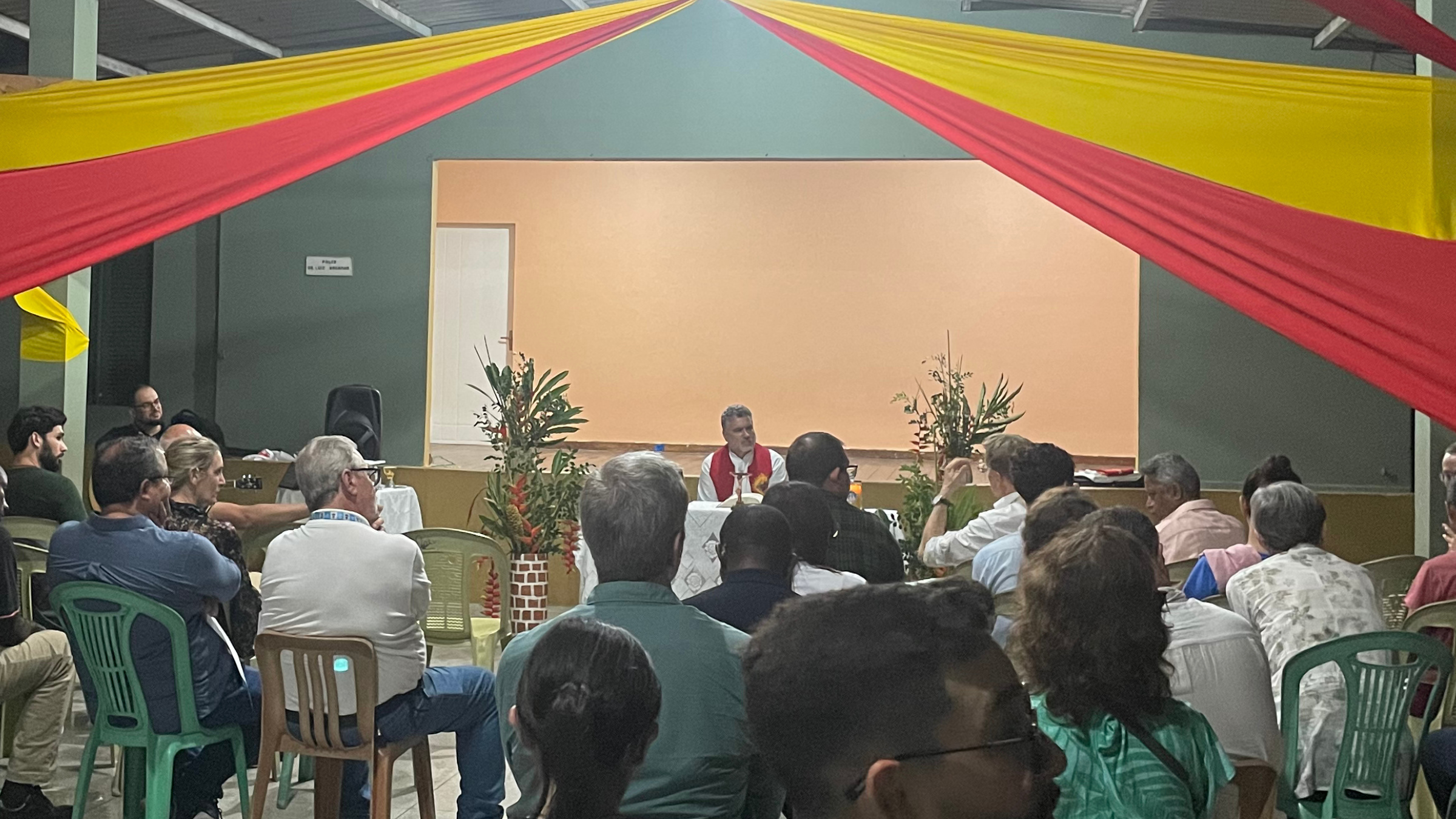
THE MOMENTUM OF COP: ITS SPACES AND PLACES
When discussing the COP, I believe it is essential to view it as one would a body. Rather than just a meeting of 195 countries and their representatives in negotiation spaces, we must think of it in terms of organs:
- The Blue Zone, for example, had around 40,000 people,
- Simultaneously, 30,000 people were in the Green Zone (an area accessible to the public),
- and at least 40,000 more people were in the “Colorful Zone”, which comprised symposiums, side events, concerts, debates, demonstrations, and exhibitions in different locations around the host city: Universities, Schools, Convents, Public Squares, and local businesses.
It is essential to understand that these are not parallel events; each space is functioning simultaneously within the COP celebration. Each hosting nation allows civil society, local communities, NGOs, and other groups to open spaces and create events that enhance participation for these two weeks.
Some of us actively participated in events such as the People's Summit, the Ecumenical Tapirí (‘maloca’ or’ tienda’), the People’s March, and the Pan-Amazonian Ecclesial Symposium. But what do all these lead to?
OUTCOMES
The world press is determined to portray COP30 as a failure. With many headlines repetitively chanting: “failure, obstruction, incompetence, bad will”… and so on.
Although there is some truth to this, it is not the whole picture. These multilateral spaces are places for recognition of diverse interests: economic, financial, political, ideological, etc. Indeed, these interests experience their limitations, clashes, and narrow scopes. It is what makes such spaces a unique global dialogue. Without the COPs and the United Nations' multilateral negotiation mechanisms, I am convinced that the world would already have been destroyed, or be very close to destruction, with points of no return crossed much sooner, such as global temperatures well over 3 °C, or even 4 °C.
It is true that some UN mechanisms must be reinvented and reformed, but we must not abandon forums for inter-country negotiation where everyone has a seat at the table; where, despite their differences, the most powerful cannot dominate completely, leaving political space for dialogue and international decision-making. These spaces embody civilization and diversity. It is as simple as this: we can have either UN forums or the Tower of BABEL (anthropic destruction).
A STEP BY STEP… going ahead
A new development at COP30 was the Global Ethical Balance (GEB), which made progress by emphasizing the importance of ethics, equity, and social justice in climate decisions. The GEB recognized the human, intergenerational, and traditional rights of communities, as well as the contributions of governments, civil society, indigenous communities, religious groups, academia, and young people. It offered an 'ethical compass' to guide the implementation of climate agreements.
The COP30 final document:
- recognizes that addressing the climate crisis must respect human rights, the rights of indigenous peoples, local communities, women, children, and vulnerable groups.
- reaffirmed the goal of limiting the global temperature rise to well below 2°C and pursuing efforts to limit it to 1.5°C. Before the adoption of the Paris Agreement, projections indicated an increase of more than 4°C, whereas now the expectation is 2.3–2.5°C.
- highlights the fundamental role of multilateralism and the active participation of non-governmental actors, such as civil society, scientific institutions, indigenous peoples, local communities, and young people, in implementing climate goals.
- acknowledges that despite progress, global emissions are still not on the necessary path to achieving these goals.
- recognizes technological advances, the reduction in clean energy costs, the growth in renewable energy capacity, and the socioeconomic benefits of climate action, including job creation, improved access to energy, and improved public health.
- reinforces the irreversible nature of the global transition to low-carbon and climate-resilient development.
- emphasizes the need for substantial increases in financial and technical support for developing countries to enable them to take ambitious mitigation and adaptation actions.
- approved the establishment of the 'Global Implementation Accelerator' and the 'Belém Mission to 1.5', aiming to mobilize resources, promote international cooperation, and support countries in implementing mitigation and adaptation measures.
- reaffirmed the responsibility of developed countries to provide mitigation and adaptation resources, setting ambitious mobilization targets of at least USD $1.3 trillion annually by 2035 and reinforcing the need for public funds and financial concessions.

GAPS OR DIFFICULTIES
Conversely, we cannot ignore the other side of the coin. COP30 has structural limitations as a mechanism:
- sensitive issues are withdrawn quickly to approve the initial agenda.
- critical issues are referred to the presidency.
- transparency is reduced.
- adaptation funding is expanded without accountability from major emitters.
- voluntary commitments continue without clear timelines.
- targets or mentions of the elimination of fossil fuels are absent.
- clear deadlines for deforestation and decarbonization are lacking.
- the private sector predominates in negotiations.
- UN spaces are militarized during the conference.
- democratic participation and civil society representation are limited.
IN CONCLUSION
COP30 represented historic advances in social inclusion, collective mobilization, and climate justice, with strengthened implementation of the NDCs. However, significant gaps remain in the energy transition, climate finance, and the effectiveness of global public policies. There is also a dependence on future negotiations and an absence of accountability from major emitters. This demonstrates that, without continued social pressure, the Global Action Agenda alone does not guarantee effective transformation.
Results have been achieved; they are not enough, and they are not as agile and effective as they should be, but without these mechanisms and the control and pressure of civil society, there is no way out of the climate crisis.
Therefore, let us continue to walk together, as we close out this Jubilee year, with Hope in the name of our common home.
Roberto Jaramillo, S.J.
The Social Justice and Ecology Secretariat (SJES) / Rome.
07-12-2025
Related Posts:
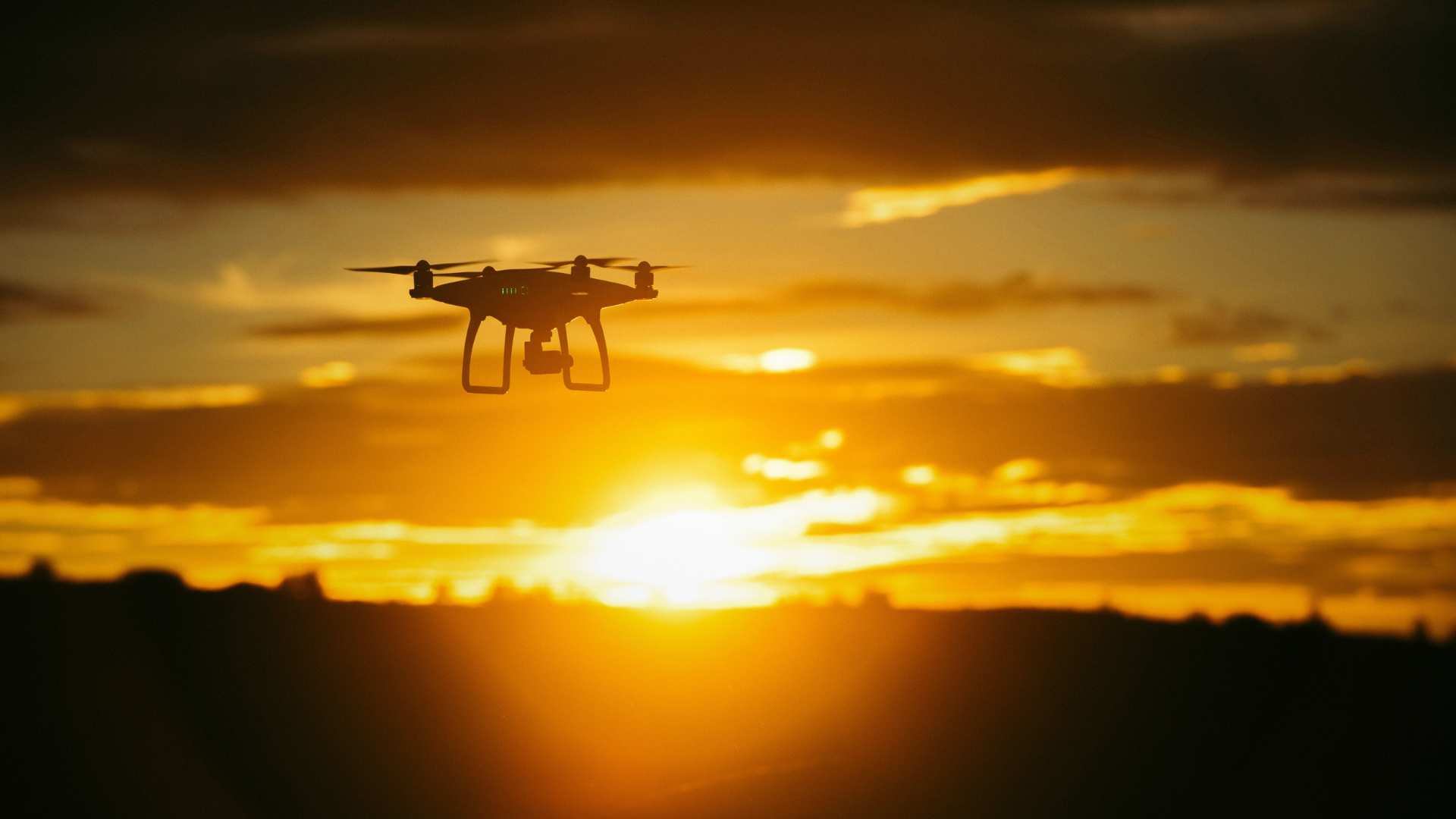
In Magnifica Humanitas, Pope Leo XIV warns that machine intelligence in war ends by “reducing victims to data.” The machine profiling that registers a person for food can also be used to select a person as a target. A small drone circling a road, with no one steering it, can have such a profile as its target. A drone like this is an autonomous weapon system. Once activated, it selects and attacks targets by itself, matching what its sensors detect to a programmed target profile. No human being decides, at the moment of the strike, that this particular person will die or is the right target. The case most often cited as the first use of such a weapon against people, reported by UN experts, was in Africa, in Libya in 2020.
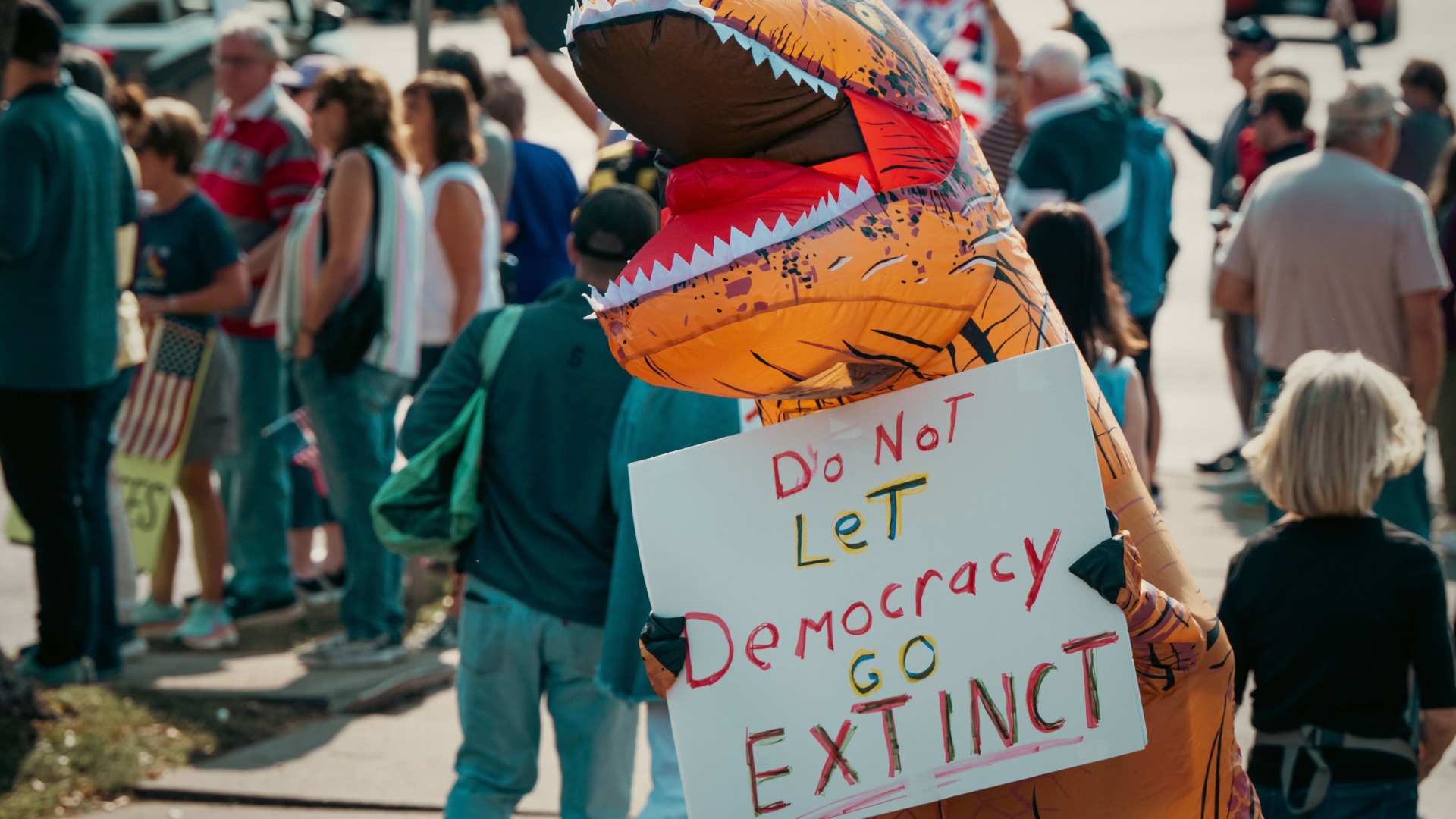
Democracy, which has historically proven most effective in meeting these criteria, cannot be taken for granted. In our AI era, citizens should press for more than multiparty elections and the protection of basic freedoms; that institutional core is not enough. We must carefully regulate and channel powerful technologies with the capacity to divide us from one another and short-circuit social and political participation. That means maintaining spaces in civil society where human contact and social friendship can flourish without the mediation of machines, beginning with the educational systems through which all citizens pass. It means fighting deepfakes and disinformation in the public sphere, so that citizens still operate in a world of facts and evidence and political representation has a strong basis.
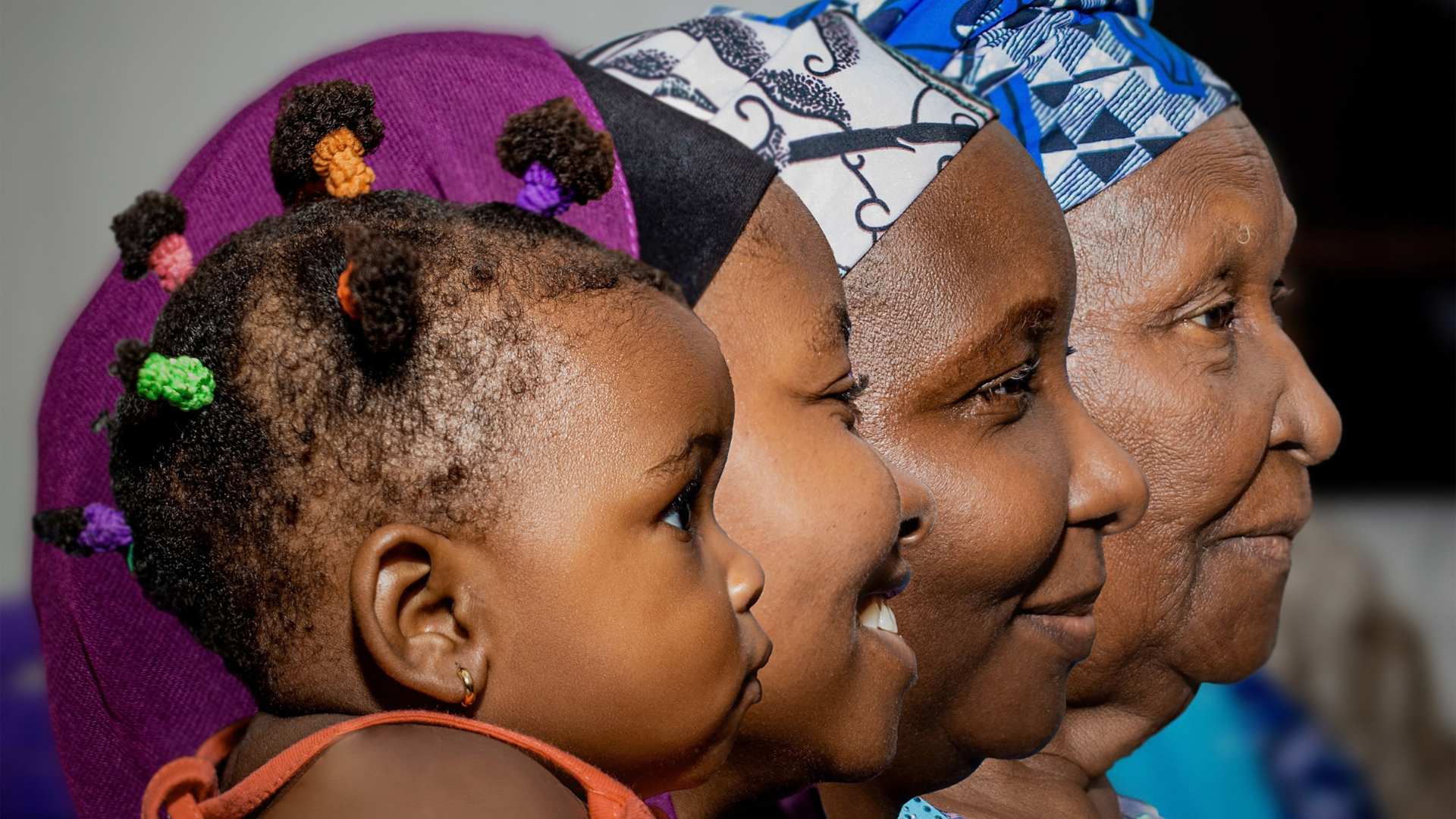
Artificial intelligence (AI) is increasingly entering public life in Ghana, including through digital systems used for identification, verification and service delivery. The ethical question is therefore not simply what AI can do, but what happens to people when digital systems become gateways through which citizenship, mobility or access to services are recognised. In northern Ghana, especially in border communities, this is a concrete question. I was privilege to visit Pusiga community in November 2025 with a Jesuit friend of my mine who is originally from the community. Thus, the topic for this article resonates very well with me.
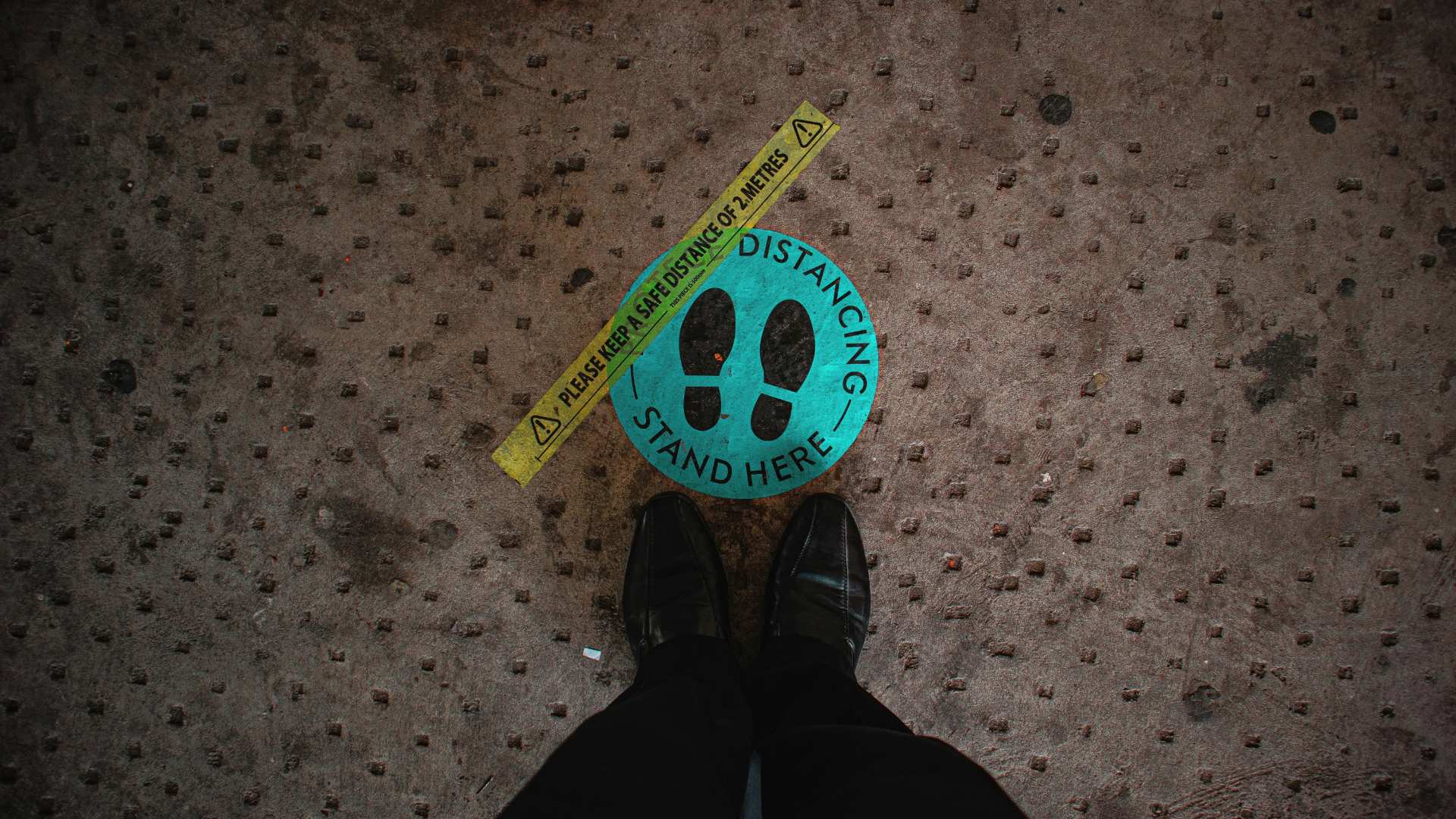
The article ‘Pandemic and Authoritarianism’, by Germán Rosa, SJ, was written in the midst of the COVID-19 crisis, but its insights extend beyond that context. The pandemic appears to reveal and accelerate political trends that were already present: the concentration of power, the weakening of democratic checks and balances, and the acceptance of extraordinary restrictions in the name of collective security. Rosa’s main concern is that fear may lead citizens to silently surrender their freedoms and rights, and that measures which were initially intended to be temporary become normalized and endure. Furthermore, in societies riven by inequality, control is never distributed neutrally: it falls most heavily on the impoverished, marginalized groups, migrants, dissidents and those who defend rights and territories.
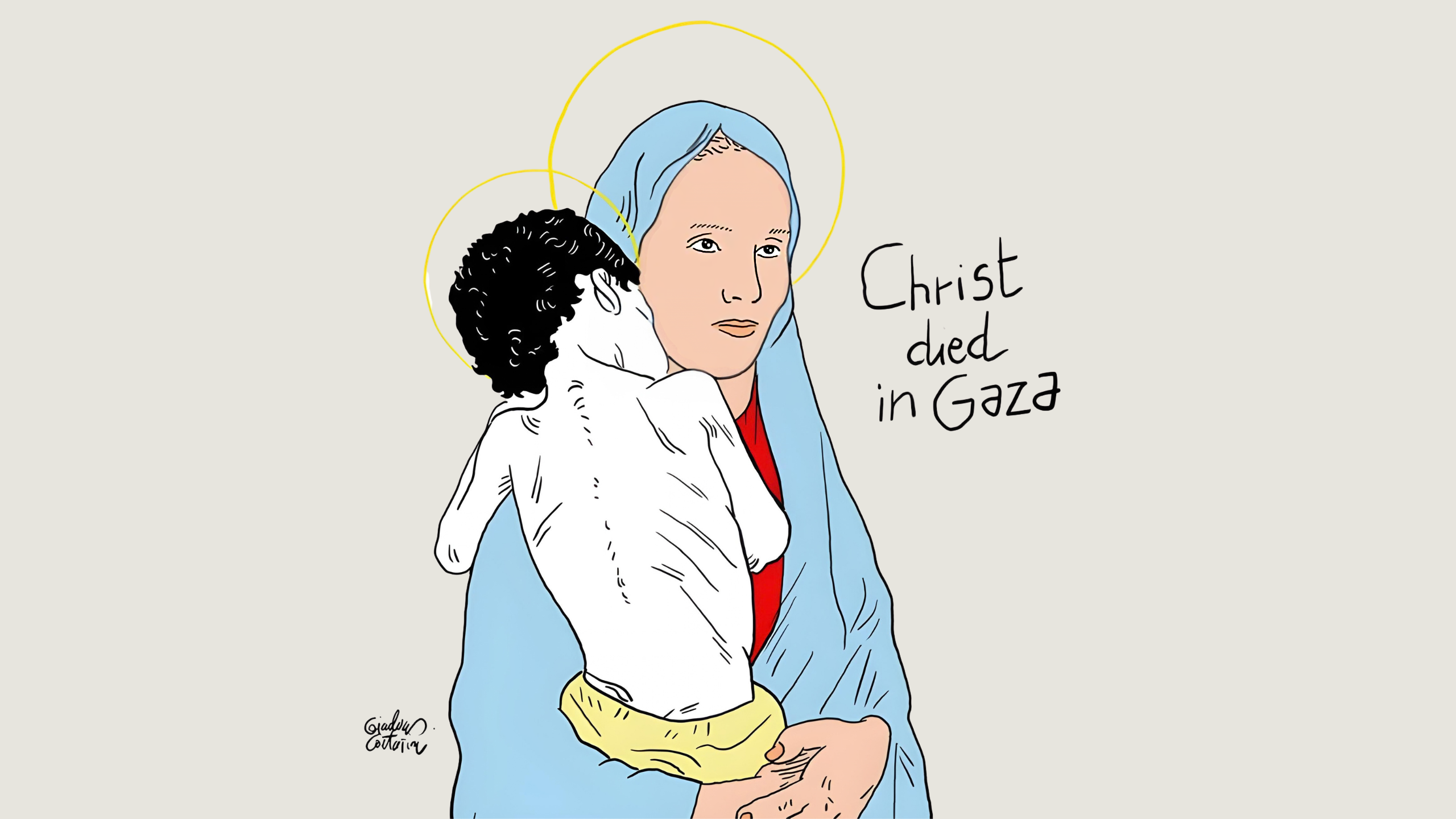
Speaking of dead children is uncomfortable. Yet it can also be healing. As I listened to the stories shared that day, I found myself returning to memories I may at times shy away from remembering. Iremember finding my sister’slifeless body in bed one Saturday morning. Ihad cometo carry her out with me to watch cartoons.As I listened tothe story of Hind Rajab, a 5-year-old girl who had been trapped inside a car attacked by Israeli forces,the memory of a little boy reaching out to touch his sister came back. The young girlhadmanaged to call the Red Crescent for help but hours later she and the paramedics who had come toassisther were all found dead. The chilling story reminded me of the shocking cold that struck my hand as I gently touched my sister’s arm in a futile attempt to wake her up.
Who Are the Victims and Those at Risk of Becoming Victims? When it comes to mining, particular attention must be paid to those who are most vulnerable: Indigenous communities whose livelihoods depend on their land, forests, rivers, and water sources; small-scale farmers; fishers; poor families; women, children, and older people; as well as communities with the least bargaining power in legal, economic, informational, and political matters. They may become victims when land loses its social function, when water sources are polluted or disappear, when the environment is damaged, when livelihoods are disrupted, or when their social and cultural life is transformed without their genuine consent.