FROM NDC1 to NDC3: Lessons, ambitions, and the road to resilience for Madagascar
Madagascar, an island nation renowned for its rich biodiversity, faces a precarious battle against the escalating impacts of climate change. From devastating cyclones to persistent droughts and rising sea levels, the country’s vulnerability underscores the urgency of bold and transformative action. Through its Nationally Determined Contributions (NDCs) under the Paris Agreement on Climate Change, Madagascar has embarked on a remarkable journey to mitigate greenhouse gas emissions, enhance adaptation, and build climate resilience.
As the world turns its attention to the outcomes of Conference of Parties on Climate Change (COP29), Madagascar stands at a critical juncture. Insights from the global climate stage provide both inspiration and practical strategies to inform the next chapter of its climate journey. With NDC1 laying the groundwork and NDC2 building upon its lessons, expectations for NDC3 are higher than ever. This article explores Madagascar’s progress, the lessons learned, and the roadmap forward, showcasing how collaboration, ambition, and innovation are shaping a resilient future for one of the world’s most vulnerable nations.
I want you to act as if the house is on fire, because it is.
A multi-sectoral collaboration in cction: Implementing NDC1
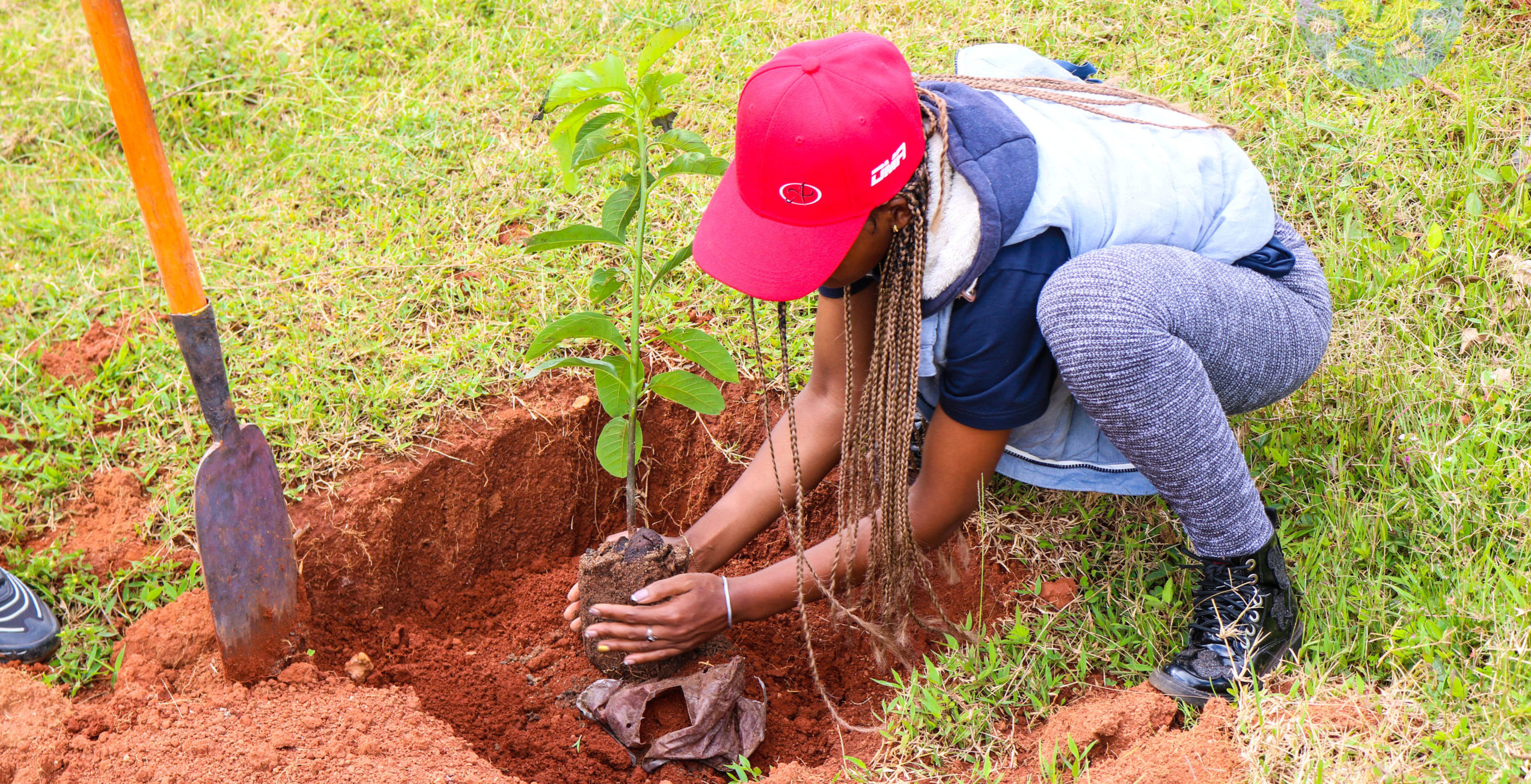
From 2016 to 2022, Madagascar’s first NDC focused on agriculture, energy, and forestry—critical sectors for both mitigation and adaptation. I witnessed the active mobilization of stakeholders, including government bodies, local communities, international partners, CSOs, and the private sector, all working together for NDC1’s success.
A key feature was the government’s commitment to involving civil society and local actors in decision-making through a national consultation. The Ministry of Environment and Sustainable Development led efforts, with Civil Society Organizations (CSOs) and Non-Governmental Organizations (NGOs) playing a vital role in raising awareness, educating communities, and incorporating local knowledge into national policies. This partnership between government and community ensured effective implementation. A prime example of collaboration was in the forestry sector, where reforestation programs aimed at increasing carbon sequestration were carried out by government agencies, NGOs, and local communities. The private sector was also involved, particularly in energy efficiency. Some companies adopted cleaner technologies, reduced waste, and invested in renewable energy.
The climate is a common good, belonging to all and meant for all.
Lessons learned: The fruits of collaboration in NDC1
Several key lessons emerged from NDC1’s multi-sectoral collaboration:
1. Holistic approaches yield results: Integrating mitigation and adaptation across sectors led to tangible outcomes, such as combining reforestation with climate-smart agriculture to reduce emissions and strengthen food security.
2. Capacity building is essential: Strengthening local capacity through workshops, training, and information-sharing was a major achievement, empowering both government institutions and grassroots organizations to effectively tackle climate challenges.
3. Stakeholder inclusion drives success: Involving local communities and CSOs in climate action was critical. Madagascar’s rural communities provided invaluable local knowledge, fostering ownership and accountability for the sustainability of initiatives.
4. Financial constraints: Despite collaboration, financial challenges delayed full achievement of NDC1’s goals. The gap between needs and resources highlighted the need for innovative financing and stronger international support.
Moving towards NDC2: A renewed commitment
As Madagascar shifts its focus to the second phase of its NDC (2023-2030), known as NDC2, the lessons from NDC1 are more relevant than ever. The formulation of NDC2 builds upon the foundation laid by NDC1, with a renewed commitment to reduce greenhouse gas emissions by 28% by 2030, and to increase carbon sequestration by 20%. These ambitious goals are coupled with a broader scope of sectors, including industrial processes, waste management, and more comprehensive adaptation strategies.
Madagascar’s NDC2 emphasizes the need for more robust climate adaptation measures, given the country’s high vulnerability to climate risks. Projects targeting agriculture, water resources, health, and coastal management are set to be at the forefront of this new phase. The multi-sectoral collaboration model established in NDC1 will be vital for NDC2, particularly in ensuring that vulnerable communities have a voice in shaping policies that affect their future.
We are the first generation to feel the impact of climate change and the last generation who can do something about it.
Hopes for NDC2: A more resilient and sustainable Madagascar
Looking ahead, my hope for Madagascar is that the collaborative spirit witnessed in NDC1 will continue to thrive in NDC2. There is a growing awareness that climate change is not merely an environmental issue but a development challenge that touches all aspects of life—from food security to economic growth and health. As Madagascar works towards achieving the goals set out in NDC2, several key factors will be critical for success:
- Strengthening financial mechanisms: To meet the ambitious targets of NDC2, Madagascar will need to secure adequate funding. Innovative financing models, including green bonds and public-private partnerships, could provide the resources needed to scale up climate action. Moreover, international donors must continue to support Madagascar’s efforts, especially in light of the country's vulnerability to climate change.
- Enhancing technological innovation: NDC2 places a strong emphasis on the transfer of climate-resilient technologies. By investing in innovations such as climate-smart agriculture, renewable energy, and early warning systems for disasters, Madagascar can increase its adaptive capacity and build a more resilient society.
- Prioritizing inclusivity and gender mainstreaming: One of the successes of NDC1 was the inclusion of local communities, and this approach should be expanded in NDC2. Women, youth, and marginalized groups must be empowered to take an active role in climate action, as they are often disproportionately affected by climate change. Ensuring that these voices are heard and their needs addressed will be crucial for the sustainability of Madagascar’s climate efforts.
Insights from COP29 and prospects for Madagascar’s NDC3
The outcomes of COP29 held in Baku, from 11 to 22 of November 2024, offer critical insights and strategies for advancing climate commitments globally, including Madagascar's journey towards NDC3. Nations are called upon to establish clear and measurable short- and long-term targets, accompanied by robust monitoring and reporting mechanisms. Embracing multi-sectoral collaboration, fostering innovation in climate policies, and enhancing capacity building for stakeholders are crucial to ensuring effective implementation. Coordinated efforts across sectors and the integration of local communities can amplify these initiatives.
For Madagascar’s NDC3, expectations are high. The focus must shift toward enhanced ambition, particularly in committing to net-zero carbon goals and achieving sectoral reductions in key areas such as energy, transport, and agriculture. Establishing long-term climate resilience and adaptation strategies, rather than relying solely on short-term projects, will be critical. Furthermore, international mechanisms need improvement to provide more direct access to funding for developing nations and NGOs, simplify procedures for smaller organizations, and enhance the effectiveness of the loss and damage fund. By prioritizing these measures, Madagascar can lead by example in addressing the multifaceted challenges of climate change.
Positioned as a country of solutions and actions, at the COP 29, the commitment of Madagascar also resonates with the Jesuit Global Statement for Climate Justice, which advocates for making the loss and damage fund effective, canceling climate debt, and calling for a just energy transition. Madagascar, recognizing the intersection of environmental, social and economic challenges, we advocate that COP 29 must succeed in answering the cry of the earth and the cry of the poor.
it is a question of establishing global and effective rules that will make it possible to provide for this global protection.
Conclusion: A roadmap for a resilient future
Madagascar's journey through its first and second NDCs reflects a nation resolutely committed to addressing the profound challenges posed by climate change. The successes and lessons from NDC1 underscore the power of multi-sectoral collaboration, inclusivity, and innovation in climate action. Building on this foundation, the ambitions set forth in NDC2 and the expectations for NDC3 signal a renewed commitment to sustainability, resilience, and equitable growth.
The insights gained from COP29 provide a timely reminder that global challenges demand global solutions. For Madagascar, this means setting ambitious yet achievable goals, fostering local and international partnerships, and ensuring that no stakeholder is left behind. A focus on long-term resilience, enhanced ambition, and improved international financing mechanisms will be pivotal in shaping the country’s climate future.
With unwavering determination, Madagascar has the potential to emerge as a beacon of hope for other vulnerable nations. By embracing innovation, inclusivity, and coordinated efforts, the island can navigate the complexities of climate change and inspire a unified global response to this defining challenge of our time.

Mr Efa Ravelonantoandro, Program Manager of the Environment and Sustainable Development Program of Centre Arrupe Madagascar, a Jesuit social center in Antananarivo, Madagascar.

Related Posts:
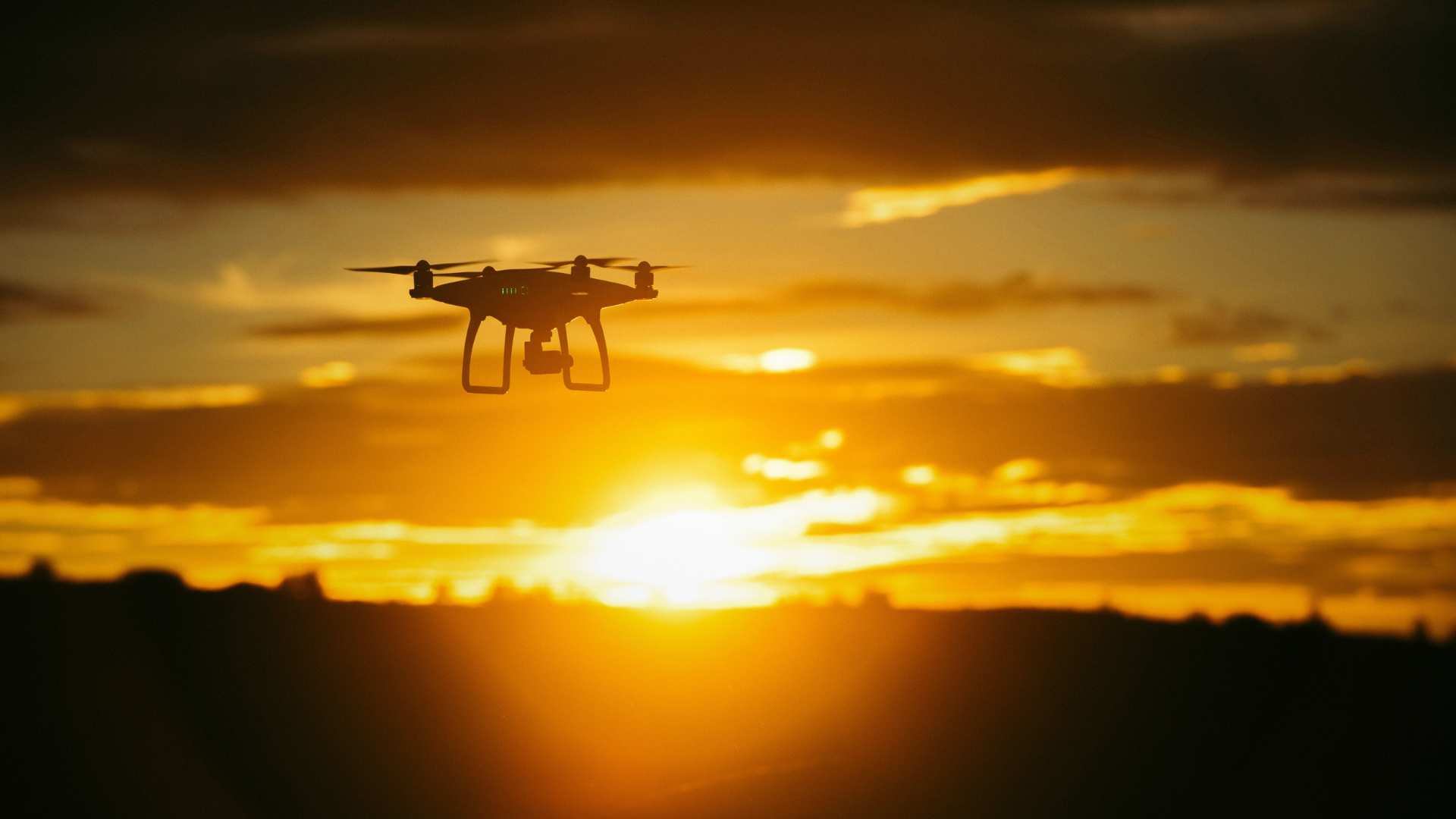
In Magnifica Humanitas, Pope Leo XIV warns that machine intelligence in war ends by “reducing victims to data.” The machine profiling that registers a person for food can also be used to select a person as a target. A small drone circling a road, with no one steering it, can have such a profile as its target. A drone like this is an autonomous weapon system. Once activated, it selects and attacks targets by itself, matching what its sensors detect to a programmed target profile. No human being decides, at the moment of the strike, that this particular person will die or is the right target. The case most often cited as the first use of such a weapon against people, reported by UN experts, was in Africa, in Libya in 2020.
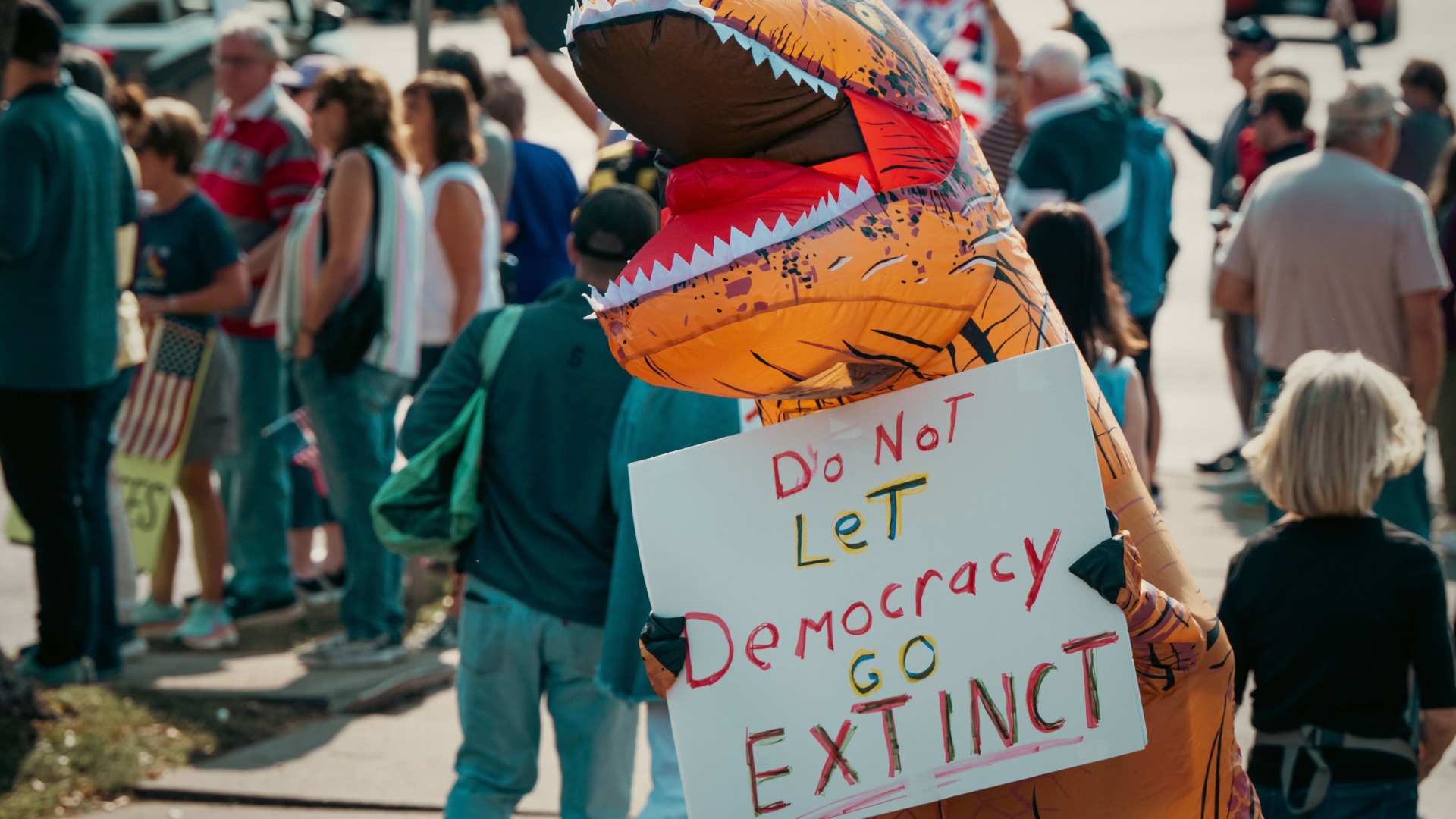
Democracy, which has historically proven most effective in meeting these criteria, cannot be taken for granted. In our AI era, citizens should press for more than multiparty elections and the protection of basic freedoms; that institutional core is not enough. We must carefully regulate and channel powerful technologies with the capacity to divide us from one another and short-circuit social and political participation. That means maintaining spaces in civil society where human contact and social friendship can flourish without the mediation of machines, beginning with the educational systems through which all citizens pass. It means fighting deepfakes and disinformation in the public sphere, so that citizens still operate in a world of facts and evidence and political representation has a strong basis.
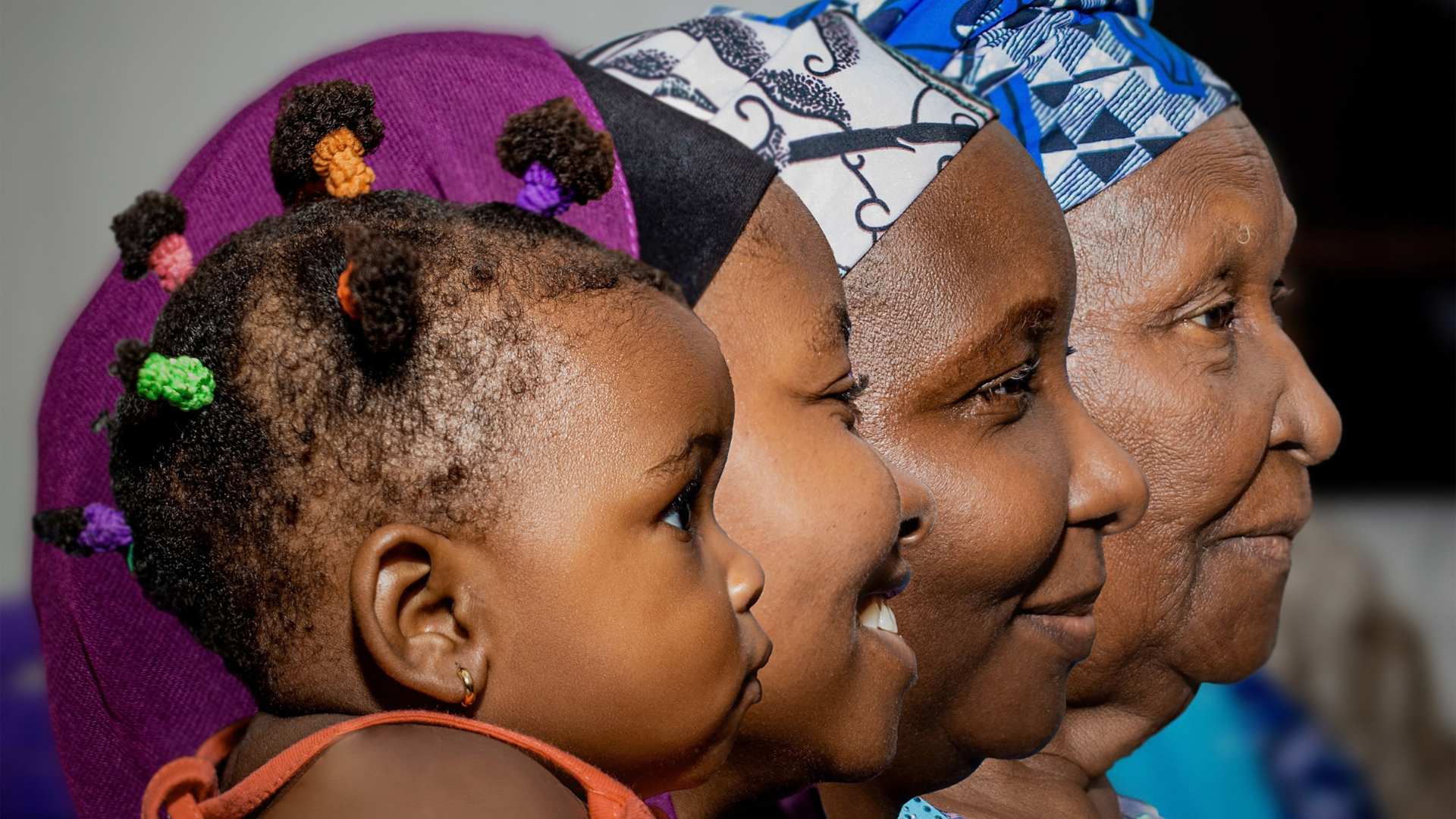
Artificial intelligence (AI) is increasingly entering public life in Ghana, including through digital systems used for identification, verification and service delivery. The ethical question is therefore not simply what AI can do, but what happens to people when digital systems become gateways through which citizenship, mobility or access to services are recognised. In northern Ghana, especially in border communities, this is a concrete question. I was privilege to visit Pusiga community in November 2025 with a Jesuit friend of my mine who is originally from the community. Thus, the topic for this article resonates very well with me.
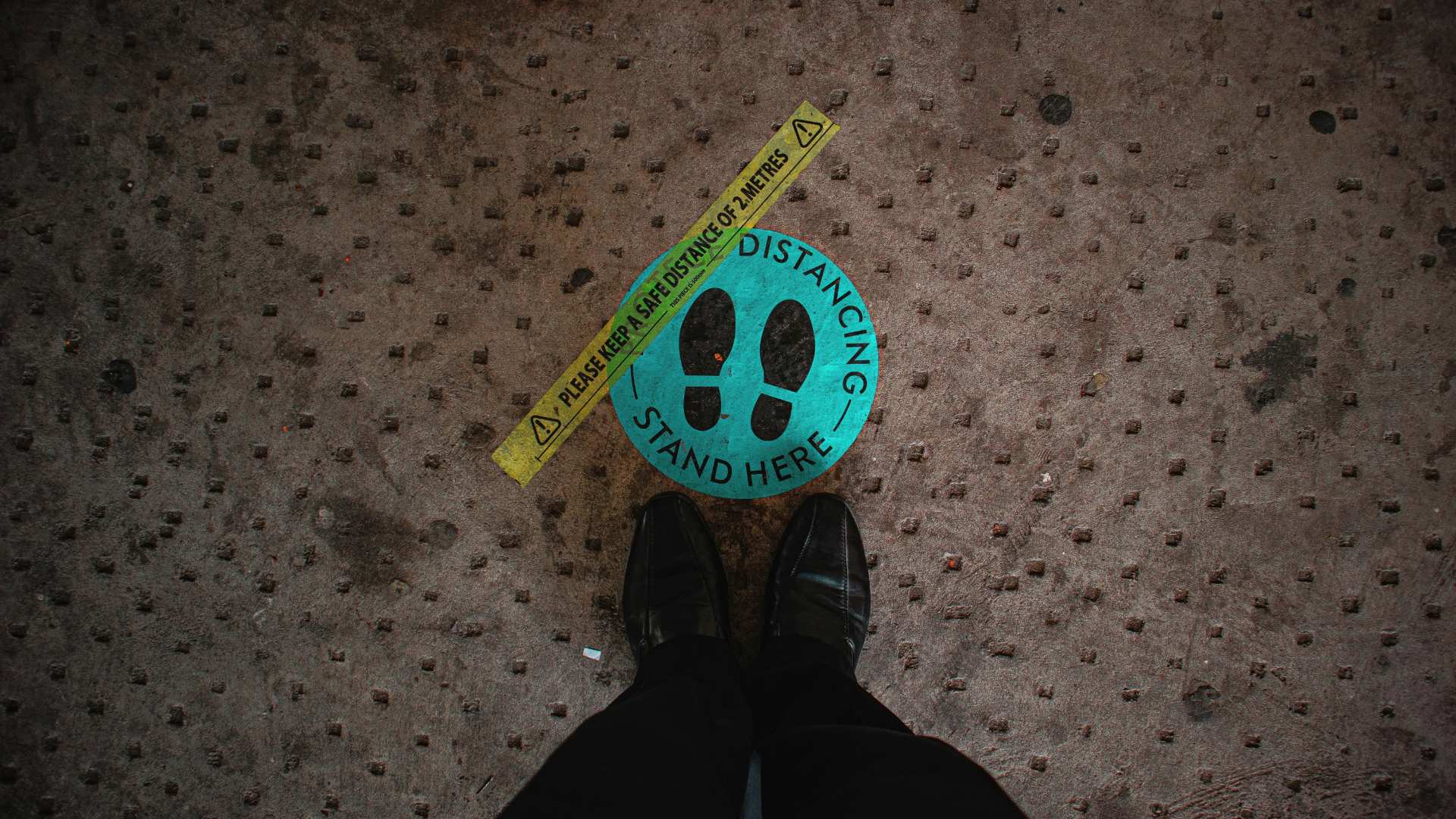
The article ‘Pandemic and Authoritarianism’, by Germán Rosa, SJ, was written in the midst of the COVID-19 crisis, but its insights extend beyond that context. The pandemic appears to reveal and accelerate political trends that were already present: the concentration of power, the weakening of democratic checks and balances, and the acceptance of extraordinary restrictions in the name of collective security. Rosa’s main concern is that fear may lead citizens to silently surrender their freedoms and rights, and that measures which were initially intended to be temporary become normalized and endure. Furthermore, in societies riven by inequality, control is never distributed neutrally: it falls most heavily on the impoverished, marginalized groups, migrants, dissidents and those who defend rights and territories.
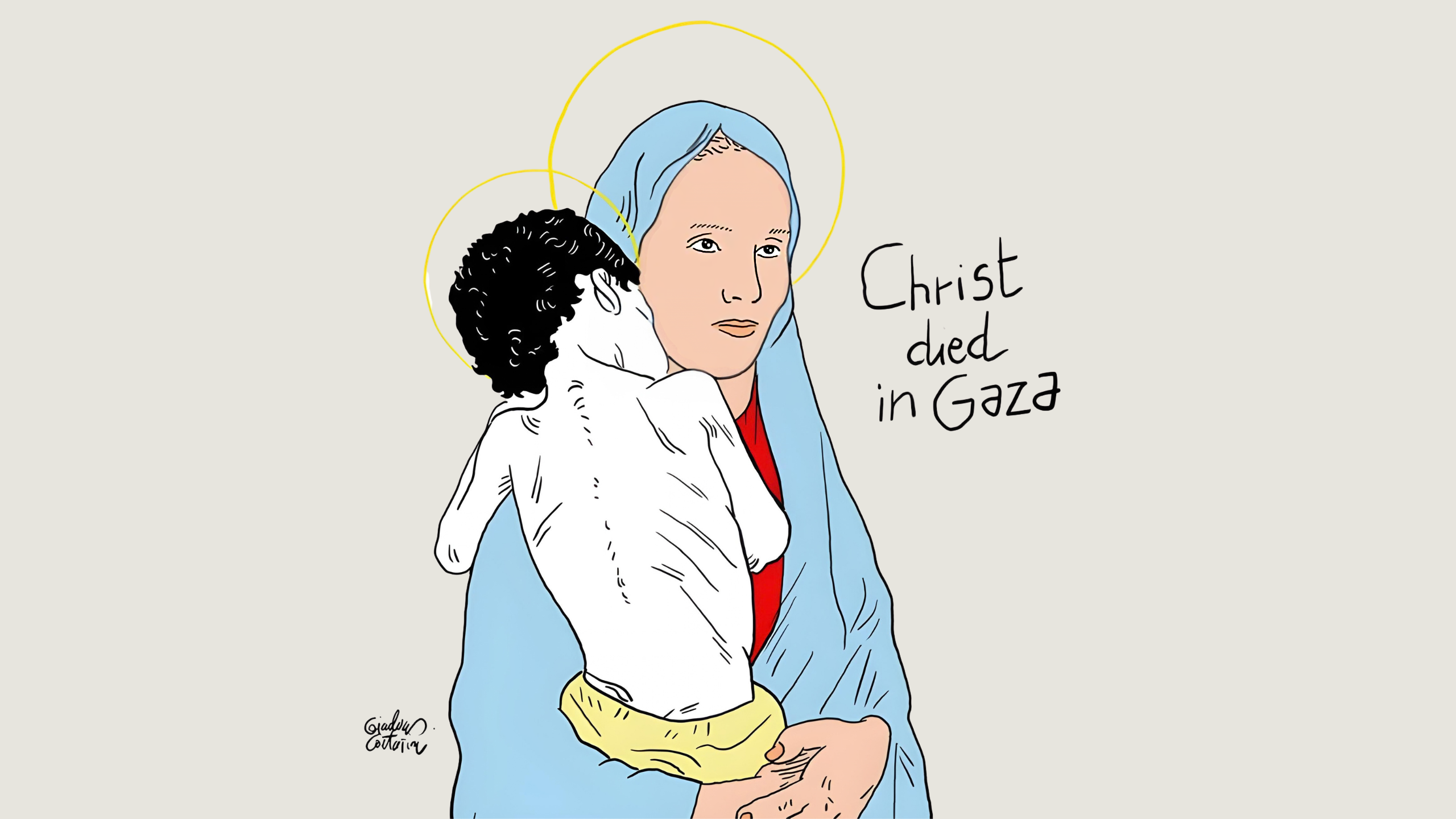
Speaking of dead children is uncomfortable. Yet it can also be healing. As I listened to the stories shared that day, I found myself returning to memories I may at times shy away from remembering. Iremember finding my sister’slifeless body in bed one Saturday morning. Ihad cometo carry her out with me to watch cartoons.As I listened tothe story of Hind Rajab, a 5-year-old girl who had been trapped inside a car attacked by Israeli forces,the memory of a little boy reaching out to touch his sister came back. The young girlhadmanaged to call the Red Crescent for help but hours later she and the paramedics who had come toassisther were all found dead. The chilling story reminded me of the shocking cold that struck my hand as I gently touched my sister’s arm in a futile attempt to wake her up.
Who Are the Victims and Those at Risk of Becoming Victims? When it comes to mining, particular attention must be paid to those who are most vulnerable: Indigenous communities whose livelihoods depend on their land, forests, rivers, and water sources; small-scale farmers; fishers; poor families; women, children, and older people; as well as communities with the least bargaining power in legal, economic, informational, and political matters. They may become victims when land loses its social function, when water sources are polluted or disappear, when the environment is damaged, when livelihoods are disrupted, or when their social and cultural life is transformed without their genuine consent.