Switzerland- Ecosummer Camp 2023, hope for the Ecolgical Crisis
Faced with the gradual degradation of our planet, and despite the actions of a few enlightened minds, two trends are clearly emerging: on the one hand, young people seem to be drowning in denial! On the other hand, older people are showing signs of amnesia, pretending not to be aware of climate change. A break is in order! The Eco Summer Camp organised by the Lassale Institute from 20 to 27 August was one of the breaks humanity needs to move towards a more sustainable future.
Scientists from several nations have been evaluating the possibility of creating life on other planets for years. The many feats, discoveries and achievements of the current era, particularly in science and technology, have further accentuated man's desire for hegemony over nature. Today, the ecological crisis - the result of human endeavour - hitting the planet hard is one, if not the only, ultimate proof that contact between humans and nature has been poorly initiated for ages. It's no secret that our planet is in agony.
Yes, today's humanity has to reflect on the quality of the legacy it wishes to leave to future generations. That's why the third Eco Summer Camp was held in Zurich from 20 to 27 August 2023. The camp was open to all people, regardless of race, religion or gender, with a single desire: to rediscover the true meaning of nature, to enter into communion with it and thus halt, if not put an end to, the ecological catastrophe that is hitting the world so hard.
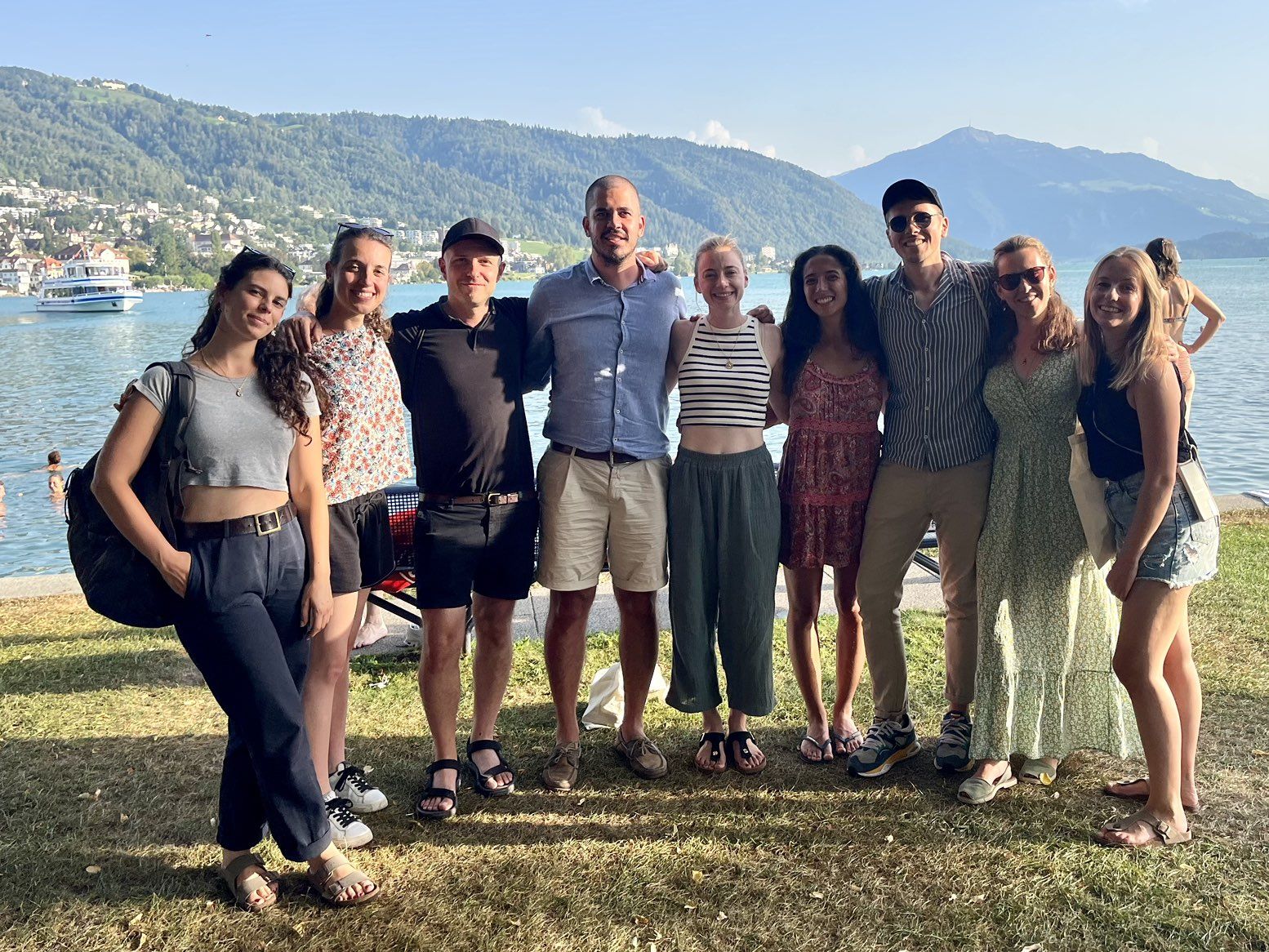
With the theme "From wild consumption to responsible engagement", Eco Summer Camp 2023 allowed the participants to take a fresh look at the tumours eating away at Mother Earth. In this sense, it was and remains a real boon for humanity for several reasons:
- The Eco Summer Camp brings together professionals and players trying to come up with solutions in areas that fuel the ecological crisis. Dr Thomas Nemececk has invited us to clean up our sometimes consumerist nutritional systems for this year's camp. This exercise presupposes an effort to transcend tastes and cultures. This recommendation was implemented throughout the camp with a varied and diversified vegan gastronomy. This experience enabled the participants (men and women from around fifty from different geographical backgrounds) to understand that there are alternative food products which, as well as being environmentally friendly, are just as tasty as some of the usual consumer products.
- On the economic front, Gaël Giraud proposed a banking system that would encourage the transition to a green economy. He was followed by Christian Felber, in a very relaxed atmosphere, who outlined his theory on the Economy of the Common Good (ECG).
- The discussions with André Frei, CEO of Partner Group, a company that is not a minor player in the private markets, made it clear that investing in the ecology has two advantages: financial profitability and improving the health of our planet.
In terms of personal development, Martin Kirchner Summer's call to move from "ego" to "eco" showed the relevance of being the change we aspire to; better still, of taking action. Several other speakers also discussed the current crisis and the solutions that could be applied.
One of the highlights of the meeting was the conversation with Pédro Walpole, who spoke on the theme of "Asia Pacific perspective in the socio-ecological transition". We heard from him about the sober and poor lifestyle of the indigenous peoples of Asia. From this long sharing, we understood that material poverty is not always an obstacle to happiness. "The joy of the poor does not lie in the future"; it lies in their daily lives because no one has control over what tomorrow will bring.
What were the takeaways from this meeting? Beyond all the theories, pertinent reflections, visits, and practical ecological activities, the Eco Summer Camp was a school for the heart and a place where you learn to become a child of Mother Nature once again. It also made us realise that a journey back is still possible. Yes! We can still do something to save our planet, not just with our brains but our hearts. That means taking the risk of leaving our many technological comfort zones and embracing nature with peace and joy.
Visit this site for more information ecosummercamp.org
By KWANKE Steve SJ
Participant.

Related Posts:

Addressing today's environmental crisis requires educational institutions to embrace a transformative commitment. Inspired by the papal call and the framework of Integral Ecology, Jesuit universities are strengthening both their institutional practices and advocacy efforts while responding to the urgent challenge of fully integrating environmental education into their formal curricula.

Marking the 10th anniversary of Laudato si’, Pope Leo XIV sends a videomessage to the Network of Universities for the Care of Our Common Home, and encourages their synodal reflection ahead of COP30.

It is from Latin America and the Caribbean that we present and disseminate this recently published work, the fruit of a two-and-a-half year working group that brought together Universities linked to AUSJAL and Social Centers linked to RCS (Jesuit Social Centers Network), all participants in the Conference of Provinces of Latin America and the Caribbean (CPAL). The work, which involves ten countries and 15 organizations, looks at the relationship between the environment and corruption in our continent innovatively, analyzing our challenges in the light of Integral Ecology.

Fr Roberto Jaramillo SJ, Secretary for Social Justice and Ecology (SJES) of the Society of Jesus in Rome, was in Jakarta recently. His visit provided an opportunity for dialogue with about 40 staff members of Sahabat Insan, the Jesuit centre for migrant workers. Their conversations centred around Laudato sí’s recommendation, paragraph 63: exploring local cultural wealth to develop an ecology capable of addressing the damage done to the Earth.
The Fossil Fuel Non-Proliferation Treaty (FFNPT) is an initiative that strives for an international agreement to phase out fossil fuel while ensuring a just global transition for workers, communities, and countries.