Guatemala – Claudia Ruiz, Coordinator of the Solidarity Economy Programme of ASERJUS: “Indigenous women in Guatemala have the face of poverty”
ASERJUS-Asociación Servicios Jurídicos y Sociales works on behalf of rural and peri-urban indigenous community organisations in Guatemala, and its origins have to do with a proposal for a participatory community organisation. For this reason, it is not surprising that they like to call themselves a social accompaniment organisation. ASERJUS is present in 3 regions in Guatemala:
- Ixcán in the department of Quiché, a region with a large displaced population with a tremendous multicultural confluence.
- Western Guatemala is the area with the largest indigenous Mayan population.
- Guatemala City.
Claudia Ruiz is the Coordinator of the Solidarity Economy Programme of this Guatemalan organisation, and we had the opportunity to talk to her about other more humane and sustainable economies.
How do you define the mission of ASERJUS?
The work of ASERJUS is linked to the defence of food sovereignty and community economy with a social and solidarity approach based on the community. It aims to create alternatives to the Western patriarchal state model.
What does the COMPARTE Network bring to you?
Although we are not a social centre of the Society of Jesus, there has been a very good understanding from the beginning, as we are aligned in our mission and share objectives such as solidarity, care for the common home, social economy, feminism and intersectionality.
Belonging to the network helps and guides us in our institutional work and allows us to focus our objectives better.
What does ASERJUS bring to COMPARTE?
ASERJUS brings concreteness to practice. Our team works from popular education methodology and we have experience in applying it in community and indigenous spaces. Another vital contribution we make is the position and situation of indigenous women.
How do you articulate your work with indigenous women?
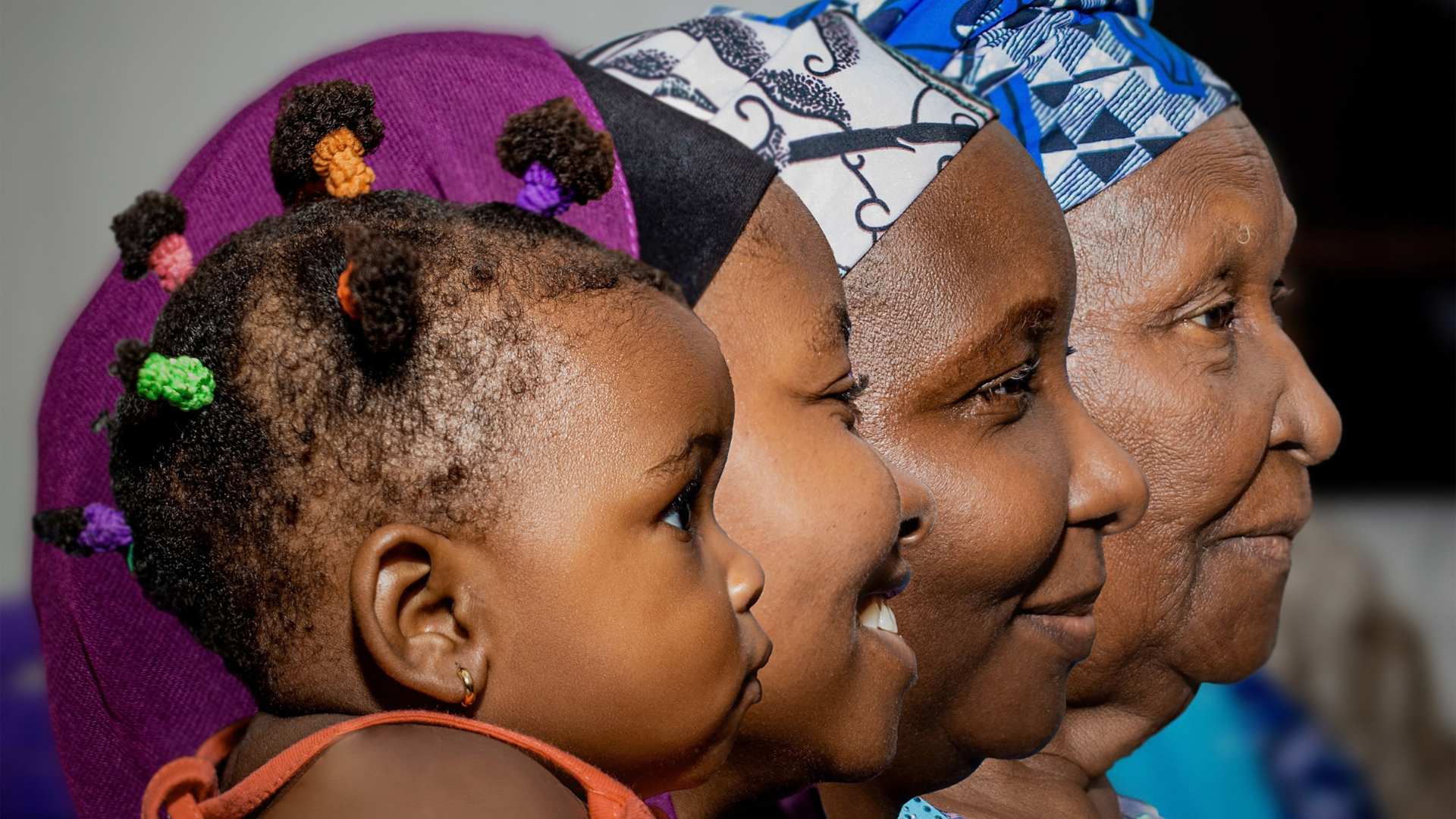
Indigenous women in Guatemala have the face of poverty. At ASERJUS we do not want to victimise them again but rather try to develop strategies that empower them. For this reason, we are committed to processes of economic empowerment, as this translates into the possibility of organising themselves as indigenous women with access to money and productive resources. In this sense, we have made a very important qualitative change. It may not be seen if we use the yardstick of efficiency and effectiveness, but the qualitative changes have been significant. They tell us that thanks to these strategies they have been able to organise themselves and now have a small savings fund, which they accumulate and use to invest in economic-productive initiatives, which in turn allows them to take on their training, advocacy and municipal government spaces. The effect on their self-esteem is essential. Women suffer many types of violence, but they recognise that the training spaces help them overcome these situations.
In your opinion, what are the medium-term challenges that both ASERJUS and COMPARTE have to face?
One of the challenges I would highlight is the current wave of criminalisation of social organisations, which occurs with different intensities in different countries. Being in a network like COMPARTE offers us the possibility of protecting ourselves. The rest can denounce the situation when someone attacks one of our organisations.
Regarding economic initiatives, I think we have many challenges in everything that has to do with economic, organisational and environmental sustainability. The emergence of Covid made it clear that it is crucial to change our ways of life, and I think we have a significant challenge and an important opportunity here.
Source : Alboan.org

Related Posts:
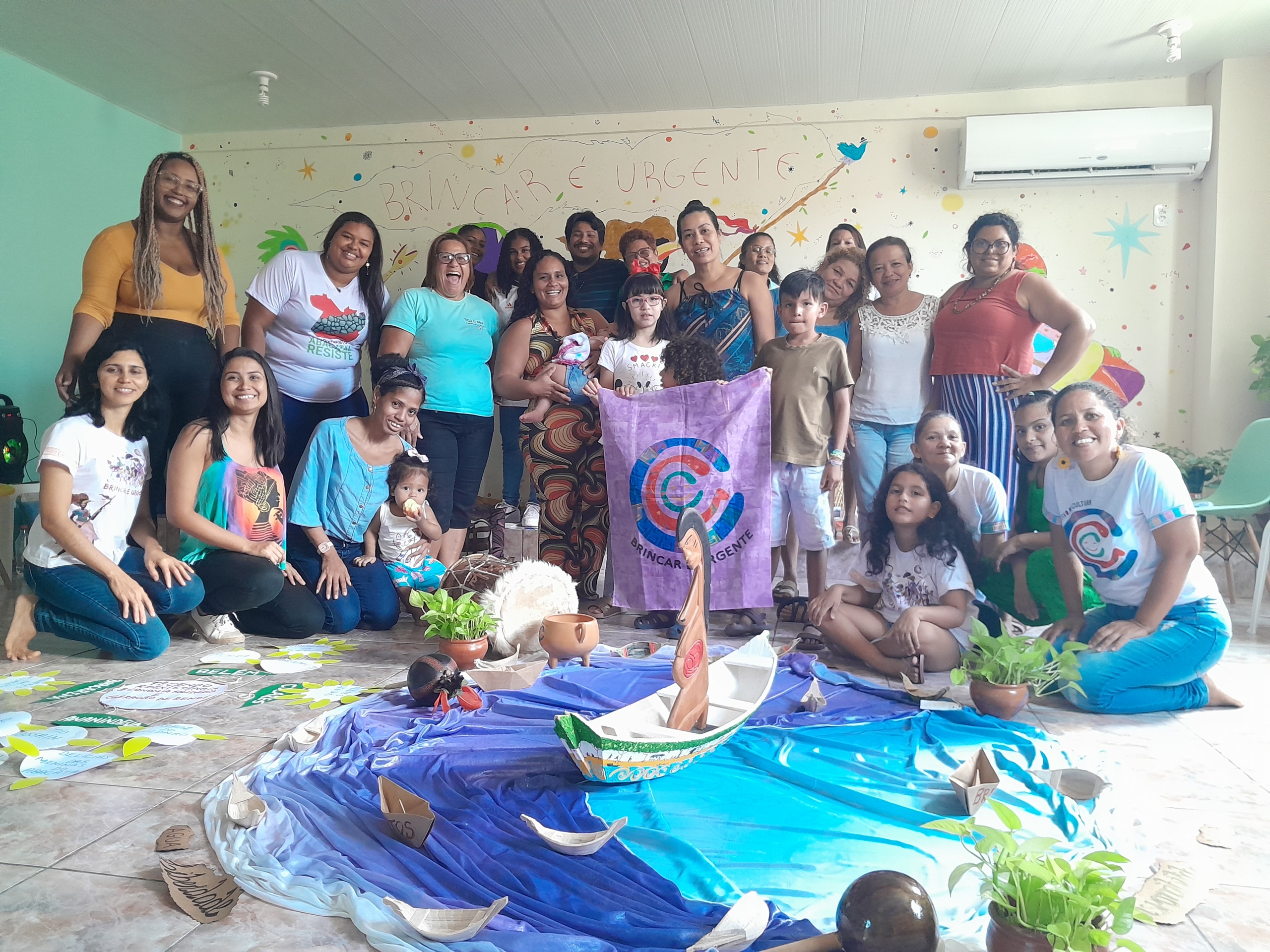
Dani's is just one of many stories of creative and resilient women who, in the suburbs of the cities of Belém, Ananindeua, Colares and Barcarena, on the outskirts of the Brazilian Amazon, are involved in the "Tecendo ReExistencia" project of the CAC - Centro Alternativo de Cultura, the Jesuit Social Centre of Brazil.

To mark the International Day for the Elimination of Sexual Violence in Conflict on June 19, 2023, Peer Educators met at the Centre Catholique Universitaire (CCU) in Bangui for a working session with the Dr. Denis Mukwege Foundation. This year’s theme was: “Bridging the digital divide between women and men to prevent threats and respond to conflict-related sexual violence”.

" My profound gratitude goes to the Jesuits involved in this mission and all their partners who believe in us and the Society of Jesus. By their generosity, their financial support the works of the mission continue doing good, witnessing to the gospel and thus, changing lives for the greater glory of God ".
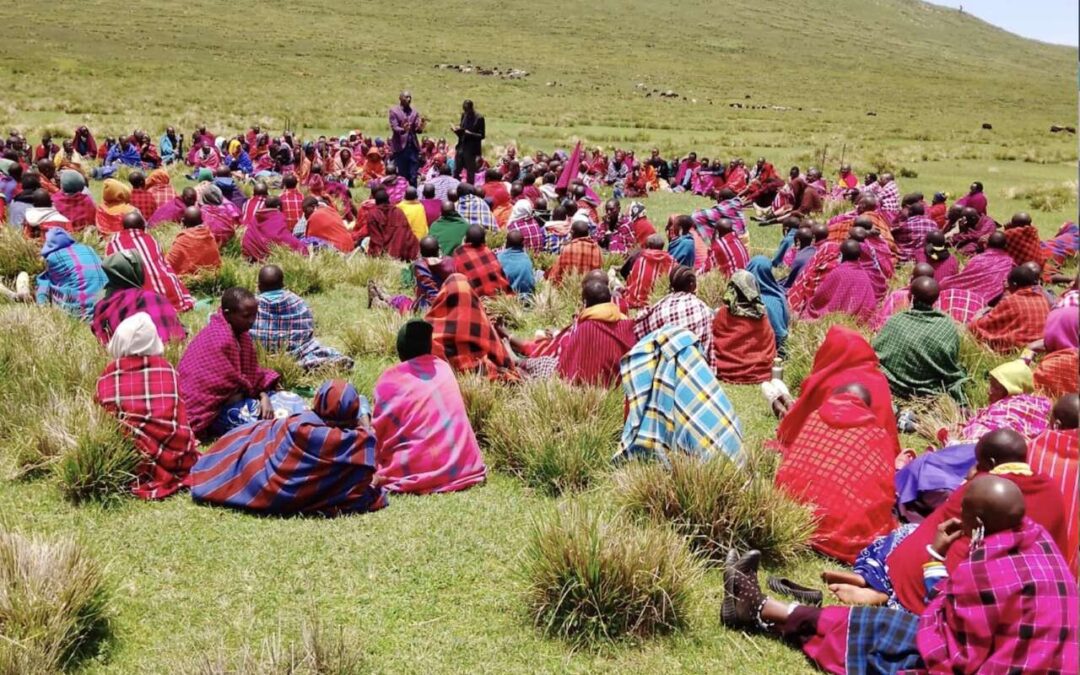
AEFJN in collaboration with CIDSE, actors in Our Land is Our Life platform and other International networks are currently accompanying some Maasai indigenous peoples in Tanzania