Chile: Mensaje Magazine launches book on integral ecology
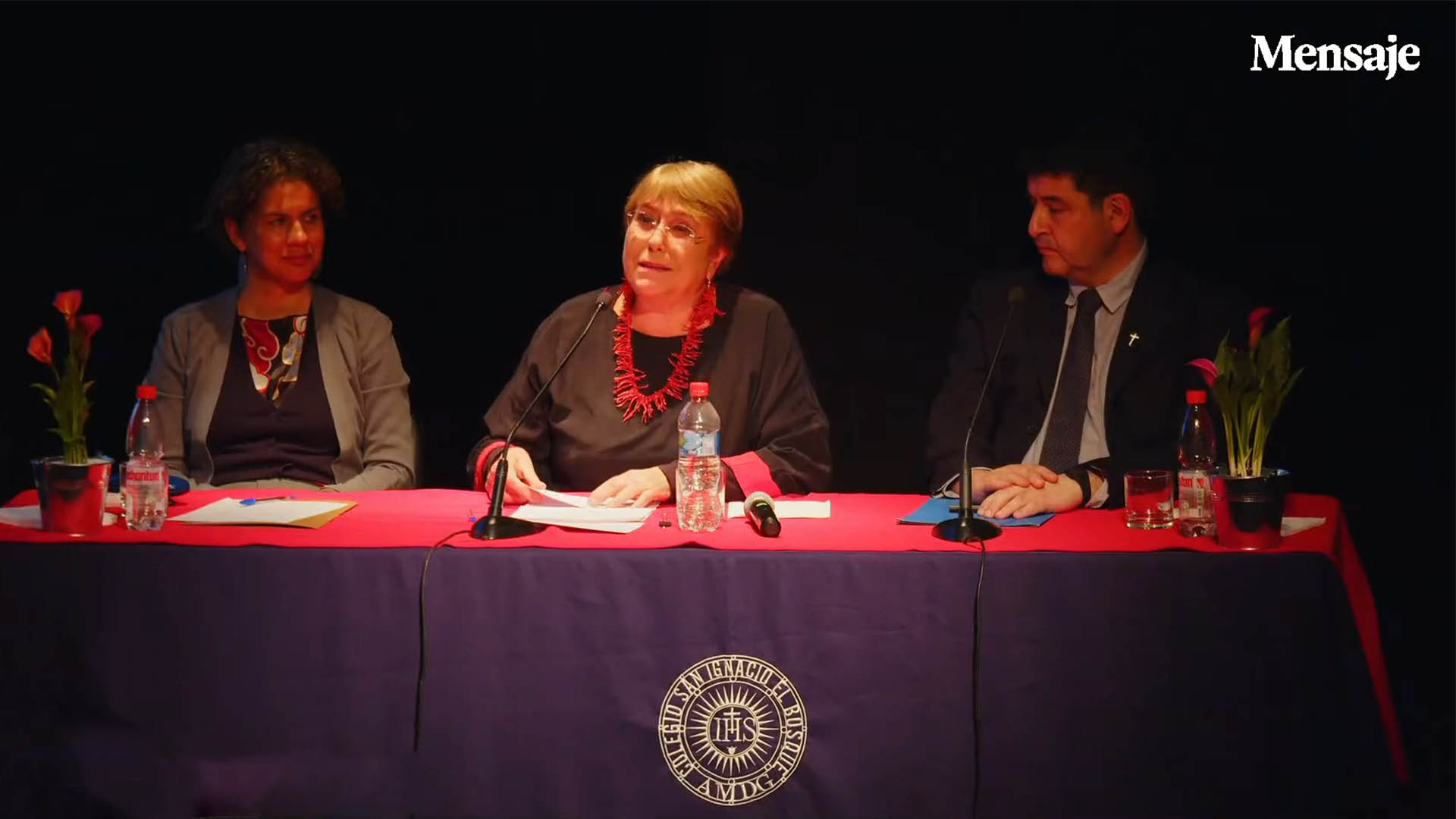
The book of interviews on ecology was launched on Wednesday, 9 November, with interventions by former President Michelle Bachelet, Minister of Environment Maisa Rojas, and the Provincial of the Society of Jesus in Chile, Gabriel Roblero SJ.
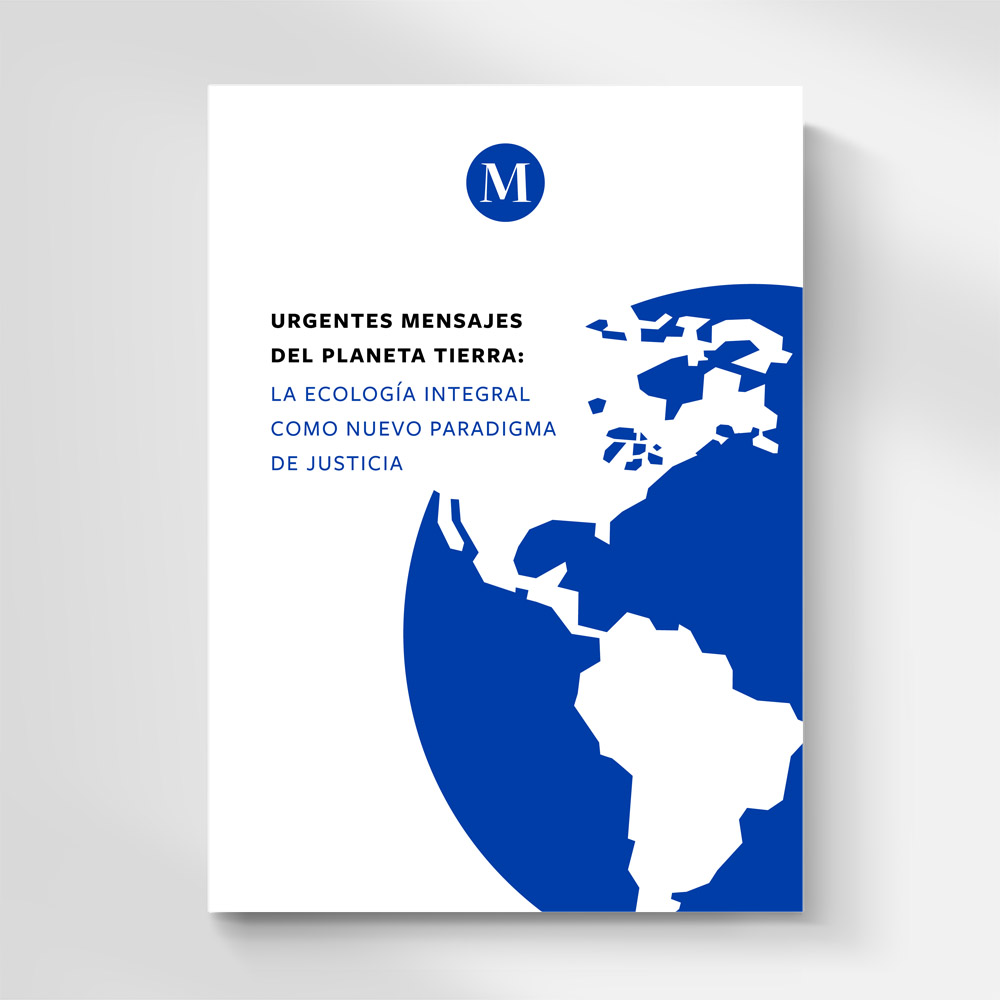
On Wednesday, November 9, the book "Urgent Messages from Planet Earth: Integral Ecology as a new paradigm of Justice" was launched by Mensaje Magazine of the Society of Jesus in Chile.
The event included the presence and interventions of the former President of the Chilean Republic, Michelle Bachelet; the Minister of Environment, Maisa Rojas and the Jesuit Provincial in Chile, Gabriel Roblero SJ. It also featured the participation of singer Cristóbal Fones SJ, who performed live the song "Árbol Sureño." Everything was presented by the director of Mensaje, Juan Cristóbal Beytía SJ.
Ecology, "A Matter of Justice".
The book has thirty-two interviews with distinguished personalities and experts on different ecological and environmental problems that concern humanity today. "It was apparent to all that given the absence of profound changes in how we inhabit and relate to the planet, adaptation is the only possible strategy. However, when resilience- the ability to cope with environmental threats or shocks- is associated with wealth or the ability to spend for damages, climate change would again end up affecting the poorest and most vulnerable. Thus, various sectors, including the Pope and his encyclical Laudato Si', found it necessary to say a word since ecology has become a matter of justice. That was the origin of this book. We wanted to add new interviews and contributions to help readers understand the topic. Moreover, we wanted readers inspired, rather than hopelessly distressed, to develop a creative and proactive focus on solutions being implemented, " said Mensaje director Juan Cristóbal Beytía at the launch.
"Transforming the world into a garden
The Provincial of the Society of Jesus, Gabriel Roblero SJ, added, "This book also makes us mindful of the level of destruction we have generated due to a blind understanding of desired progress. Environmental problems and their impacts on humans vary, from pollution to biodiversity loss through increased climatic phenomena or rising sea levels. Each one unevenly affects one place or another, depending, among other factors, on the preparation or adaptation of the population in each place. Consequently, Pope Francis, on World Environment Day, 5 June 2013, affirmed that 'it is the responsibility of every human being to transform the world into a garden, a habitable place so everyone can lead a dignified life. Our mission on this planet is to recreate that garden'".
"A world with a high level of inequalities".
Afterwards, Environment Minister Maisa Rojas said that "we are indeed living in a triple crisis, and that crisis is one of climate change, biodiversity loss, and pollution, particularly from plastics. And it is essential to see them as triple crises. We must understand that they are all related, and these three crises are symptoms. We are experiencing a climate crisis because of rising temperatures and global warming. It is a variable we have to measure. Often, when you are sick, a fever is a symptom. Something vital in your body has gone awry; the fever is a wake-up call. If we take a second look at things, we understand that the [triple crisis] is symptomatic of a crisis of relationships. A bad relationship not only with nature, but a bad relationship with each other, and that bad relationship with each other also means a world with a high level of inequality.
Justice and Hope
Finally, former President of the Republic, Michelle Bachelet, expressed the importance of considering all things as a whole "because the interdependence that exists, expressed in 'a thousand' elements, is also expressed in the relationship between the ecological crisis and the occurrence of conflicts. So, for example, in the Sahel and other parts of Africa, livestock and farming communities were killed by water scarcity and the struggle for land. Or fishermen, whose livelihood to survive is through fishing, had to leave their home island because of the rising sea and were forced to move to places unknown to them; they could not survive and have a decent life, as in Bangladesh, for example. And there is also the whole interrelation with migration, not only in remote parts of the world. We saw it in Central America's migration when many tried to go to the United States. Many coffee harvesters saw their plants affected by climate change and lost their jobs. So, there is an interaction, a set of things... of course, the food insecurity crisis we experienced due to natural disasters and plagues. Or human rights violations, which means health, etc. I am not hyper-optimistic, I must admit, because when I see the world and the lack of action, I worry intensely without falling into paralysing anguish. Still, I am afraid, so I hope. I think this book can help in many ways because it provides a series of elements that can be very useful both at the level of discussion and at the level of action by convinced decision-makers. I am not very optimistic about the capacity of the world and the international community to take charge. It makes me smile, however, that this body of thirty-two messages rests on two essential values - justice, on the one hand, and hope.
The book "Urgent Messages from Planet Earth: Integral Ecology as a New Paradigm of Justice" can be purchased in the Magazine's online shop.
Image and information from mensaje.cl
Source : Jesuitas.lat
Related Posts:
Addressing today's environmental crisis requires educational institutions to embrace a transformative commitment. Inspired by the papal call and the framework of Integral Ecology, Jesuit universities are strengthening both their institutional practices and advocacy efforts while responding to the urgent challenge of fully integrating environmental education into their formal curricula.

Marking the 10th anniversary of Laudato si’, Pope Leo XIV sends a videomessage to the Network of Universities for the Care of Our Common Home, and encourages their synodal reflection ahead of COP30.
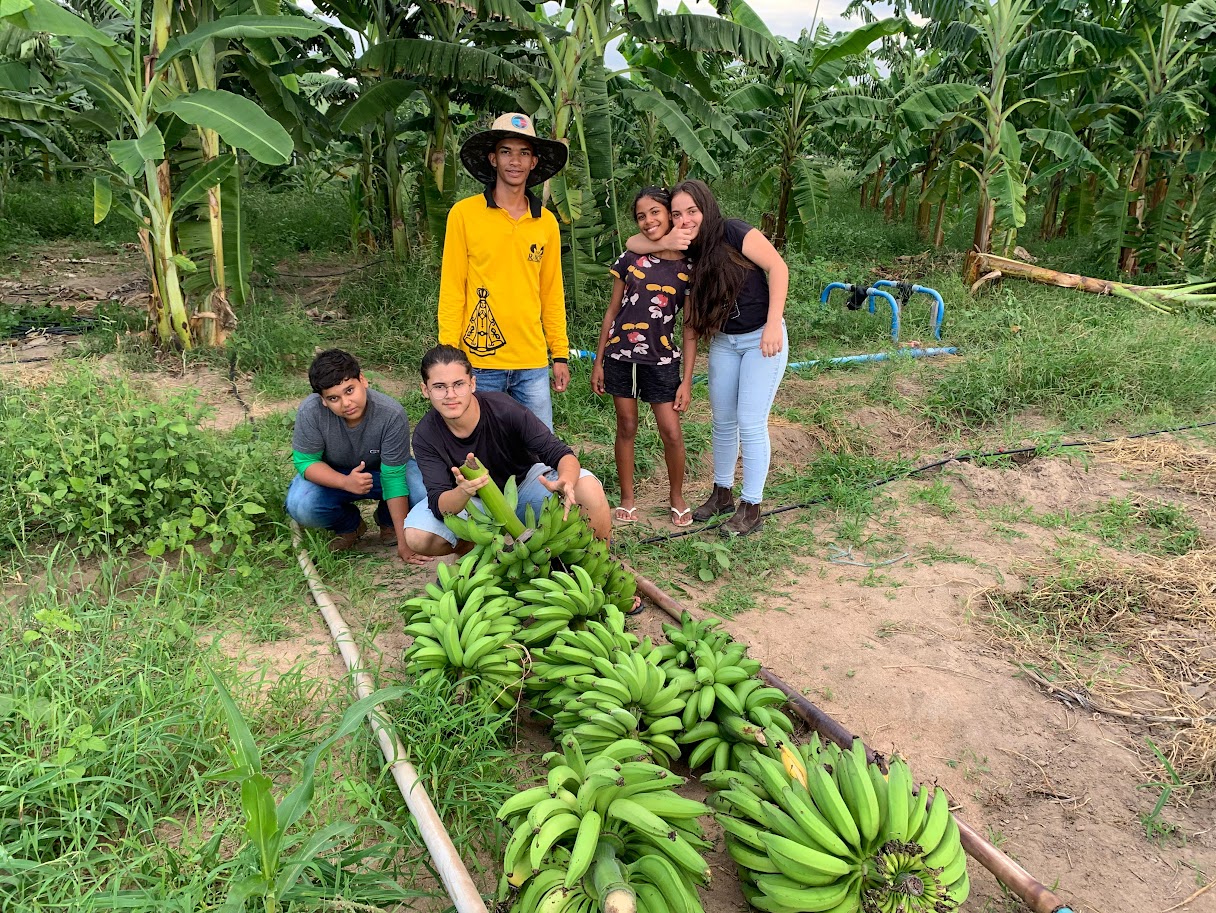
The Jaboticaba Agricultural Family School in Brazil reuses water for sustainable food production in a semi-arid region. Since 1993, it has combined agroecology with wastewater treatment to enhance food security and educate students. The project promotes environmental sustainability and aims to influence public policies in line with Pope Francis’s call for integral ecology.

It is from Latin America and the Caribbean that we present and disseminate this recently published work, the fruit of a two-and-a-half year working group that brought together Universities linked to AUSJAL and Social Centers linked to RCS (Jesuit Social Centers Network), all participants in the Conference of Provinces of Latin America and the Caribbean (CPAL). The work, which involves ten countries and 15 organizations, looks at the relationship between the environment and corruption in our continent innovatively, analyzing our challenges in the light of Integral Ecology.

Fr Roberto Jaramillo SJ, Secretary for Social Justice and Ecology (SJES) of the Society of Jesus in Rome, was in Jakarta recently. His visit provided an opportunity for dialogue with about 40 staff members of Sahabat Insan, the Jesuit centre for migrant workers. Their conversations centred around Laudato sí’s recommendation, paragraph 63: exploring local cultural wealth to develop an ecology capable of addressing the damage done to the Earth.

The Fossil Fuel Non-Proliferation Treaty (FFNPT) is an initiative that strives for an international agreement to phase out fossil fuel while ensuring a just global transition for workers, communities, and countries.