Latin American – What’s at Stake With the New Migration Pact?
Friday, June 10, at the culmination of the IX Summit of the Americas, 20 countries signed the Declaration of Los Angeles on Migration and Protection to regulate, precisely, migration, which is a priority issue on the agenda of the States of the continent.
In view of this, Radio Fe y Alegría Noticias in the program De Primera Mano interviewed María Teresa Ureña, member of the Jesuit Network for Migrants (RJM) and also responsible for the area of political advocacy, who has a particular interest in this issue.
Ureña confessed that she hopes that this type of agreement will have a positive impact on the host communities and the migrant population. However, he has a certain opinion about the objective sought by the States with this pact.
Will it be possible to curb irregularity?
U.S. President Joe Biden stated that this pact is intended to curb irregular migration, as well as "stop the dangerous and illegal ways in which people are migrating.
No nation should take on this responsibility alone," he said. "Illegal migration is not acceptable, and we will secure our borders," Biden warned.
However, irregular migration is the most common in Latin America because people leave their countries in search of a better quality of life, since in their countries they do not have the conditions to live with dignity, said Ureña.
"At this moment there are several migratory crises. It is not only the Venezuelan issue, there are also the caravans in Central America. Migration is not necessarily voluntary. People are leaving in vulnerable conditions," he said.
He added that it must be understood that we are talking about people who do not have the resources to enter a country through legal channels as the United States intends to impose; as well as in other countries with the visa system.
As an example, he mentioned Venezuela, which he considers to be the "most emblematic" case, since people sometimes do not even have a passport to leave the country.
"This measure cannot be welcomed with that look that is intended to give it of an orderly migration, (because) they are people who do not have the conditions to migrate safely," he said.
"It sounds like a very nice measure, but in the end those who can access it are few people, precisely because of the profiles I mentioned," he added.
Ureño let it be known that he agrees with the problems of irregular migration. However, he believes that the issue should be addressed with integration policies that aim to protect people who are at maximum vulnerability.
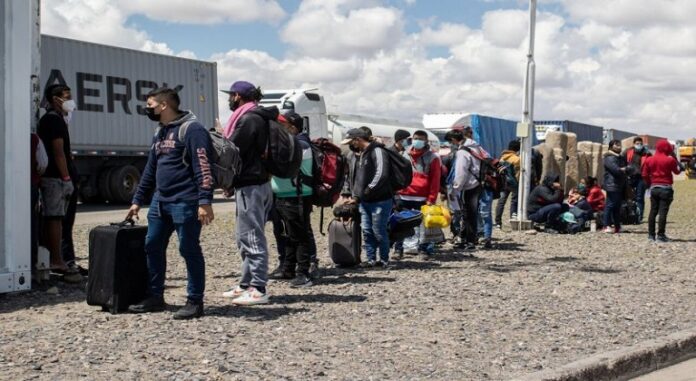
"We find vulnerability profiles: children, women, people (from the LGBITQ+ community) who are exposed to more difficulties in transit such as xenophobia, discrimination, physical violence; extortions and many times in the host countries this is not recognized. That is why we call on the countries to take protective measures," he said.
He also said he hopes that the declaration "will not remain on paper", but will in fact open scenarios for dialogue and participation, in which such participation "will be translated into policies much more in line with the reality of the people".
Migration is positive
The member of the Jesuit Network for Migrants asserted that migration has positive aspects for the host countries that should be more visible.
"Migration has a positive impact on host communities and I don't feel that they are valued enough. Who were the essential ones in the pandemic, the migrants? Yet they have the least rights," he said.
He also argued that the role of the media should be to make the positive aspects of migration visible; and to try to reduce the hate and xenophobic discourses that, in his opinion, continue to permeate.
"Civil society also plays an important role, we must learn that today we can welcome and tomorrow we are looking for help elsewhere," he said. "The communities that are in transit have a lot to teach us and we have a lot to learn from it. I believe they are an example of not losing faith."
"Our call is to solidarity, fraternity, to welcome; the words of the Catholic Church and Pope Francis in his four verbs: welcome, protect, integrate and promote, is not in vain. It is a strong call to be able to walk together", he concluded.
Source: Radio Fe y Alegria
Related Posts:
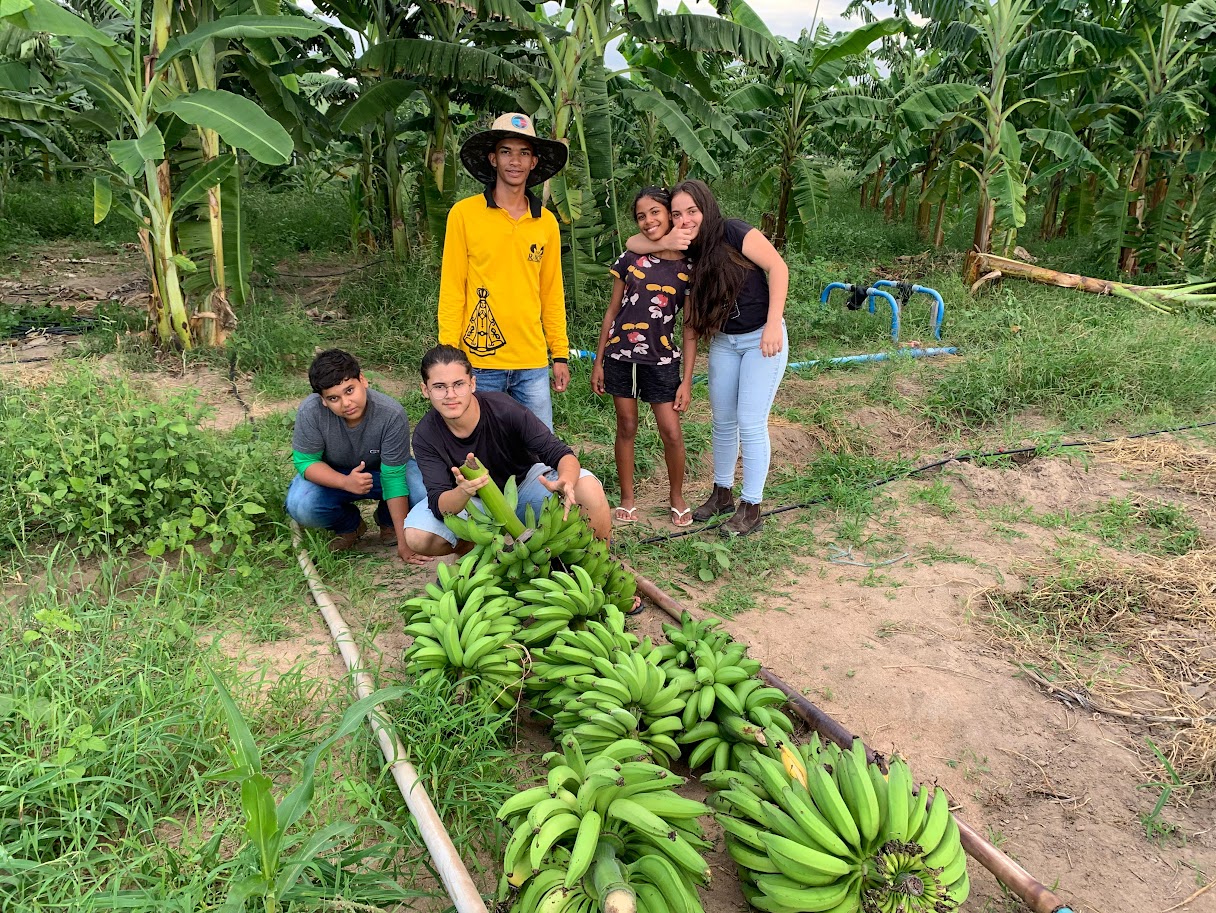
The Jaboticaba Agricultural Family School in Brazil reuses water for sustainable food production in a semi-arid region. Since 1993, it has combined agroecology with wastewater treatment to enhance food security and educate students. The project promotes environmental sustainability and aims to influence public policies in line with Pope Francis’s call for integral ecology.

The Central American Province of the Society of Jesus marks the first anniversary of the Nicaraguan government's confiscation of the Central American University, condemning the violation of education rights and academic freedom. They call for an end to repression, the release of political prisoners, and a return to dialogue and justice.

Stan Swamy Day in Viragalur was a moving tribute to a man who devoted his life to justice and the upliftment of the marginalized.

His journey was marked by a profound sense of detachment, as he left behind his nationality, culture, security, history, and companions to embrace a completely foreign environment.
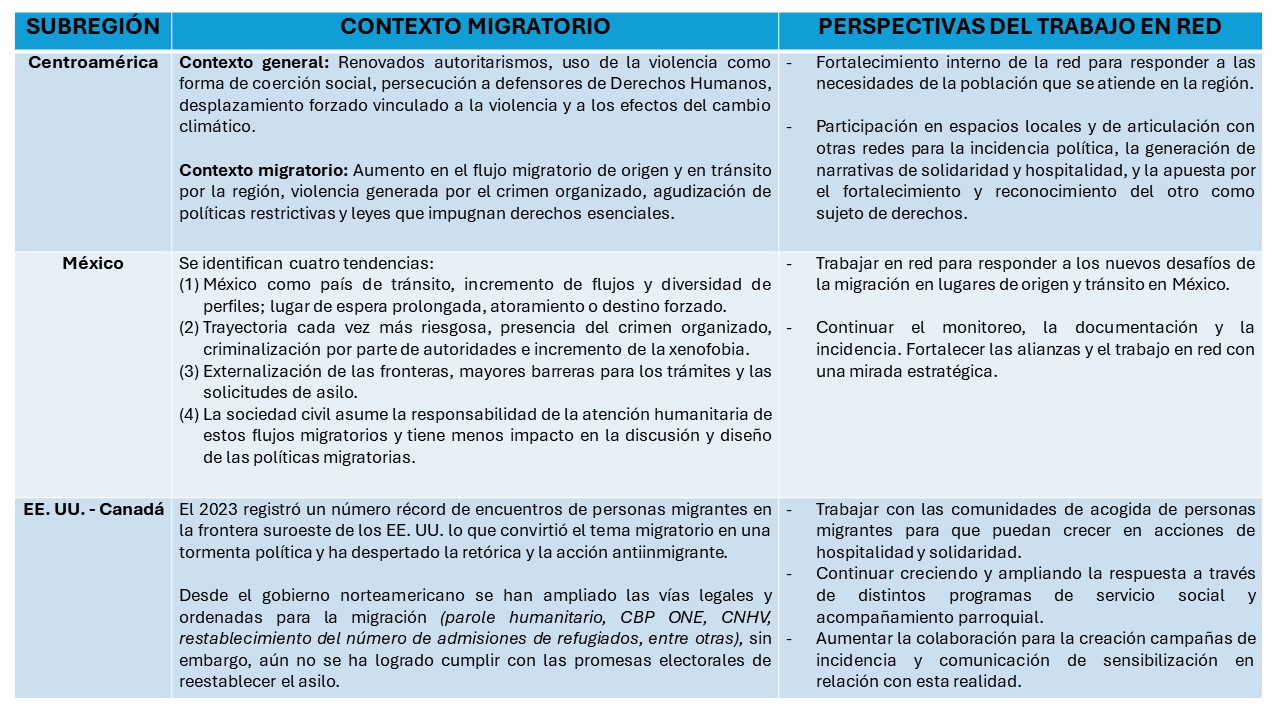
Jesuit Network with Migrants Central America and North America (RJM CANA) shared the first four months of the year report (January – April 2024): "They have been months of a lot of work to face the challenges in the migration context characterized by an increase in the migratory flow in vulnerable conditions throughout the region, however, also These have been months in which the fruits of networking have been confirmed".
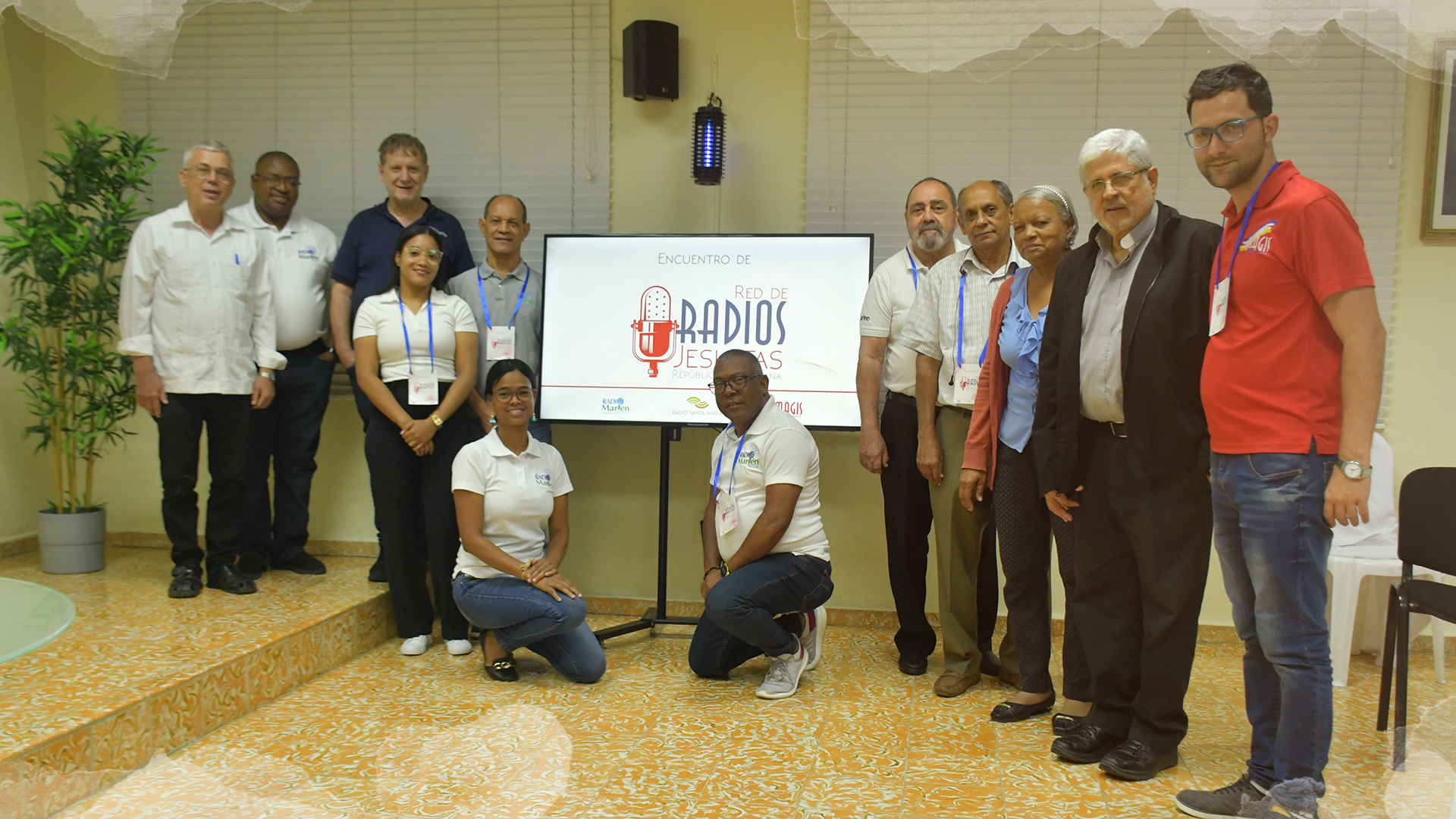
From April 5 to 7, the Jesuit Radio Network in the Dominican Republic met at the facilities of the Loyola Polytechnic Institute (IPL) in San Cristóbal. During the meeting, the construction of a shared itinerary that seeks to focus on collaboration and contextualized radio communication marked by the Apostolic Preferences approved by the Society of Jesus for the coming years was highlighted.