Mexico – The Validity of Indigenous Struggles
The struggle against mining, which today finds a new space in the legal arena, is exemplary of the multiple and varied efforts that indigenous peoples carry forward to defend their territory.
On February 5, 2022 Carmen Santiago Alonso passed away, an emblematic human rights defender who dedicated her life to the peoples and communities of the Central Valleys of Oaxaca, her homeland. With an affable smile and a social commitment strongly rooted in her religious faith, Carmelina - as we knew her - was the founder and an essential part of the Centro de Derechos Humanos Flor y Canto A.C., known in recent times for waging an intense struggle for the right to water of the 16 communities settled in the Xnizaa micro-region of Ocotlán, Zimatlán and Ejutla, articulated in the Coordinadora de Pueblos Unidos por el Cuidado y la Defensa del Agua (COPUDA) (Coordinating Committee of Peoples United for the Care and Defense of Water).
Nothing would be more appropriate, when evoking Carmelina, than to call attention to some recent struggles that show the vitality of the native peoples and communities in the vindication of their collective rights.
From this perspective, it is fundamental to point to the important struggle against the Mining Law, which today has another episode in the Supreme Court of Justice of the Nation (SCJN).
The struggle of indigenous peoples against mining is a constant throughout the continent, from Canada to Argentina; this resistance, moreover, has been intensified by the particularly aggressive techniques against the environment of contemporary mining, such as open-pit mining. The constant throughout the region is the lack of consultation with indigenous peoples on the implementation of large-scale development projects that put their subsistence at risk; the violation of the right to territory through the destruction of sites of special cultural significance for the communities; the discrimination expressed in the preferential treatment given to the companies and not to the peoples; and the criminalization of leaders who resist, who on many occasions have experienced firsthand the risk of defending the territory.
Mexico has not been the exception: in Oaxaca, communities of the Sierra Chontal accompanied by Tequio Jurídico have rejected mining exploitation; in Chiapas, community defenders such as Mariano Abarca were executed for defending the territory; in Guerrero, San Miguel del Progreso (Jubaa Wajiin) and Tlachinollan opened the legal path that is still being traveled.
At Centro Prodh we have accompanied various communities that have opposed mineral exploitation. Part of this experience has been reflected in different pedagogical materials, such as our "Anti-mining Manual". From this journey, we undoubtedly share the perspectives of those who see the current Mining Law as a latent threat to indigenous territories.

That is why we have represented communities that have sought the protection of the Federal Justice against mining projects that threaten them. Thus, we accompanied San Juan Huitzontla, a Nahua community in Michoacán, which in 2018 filed an amparo lawsuit to protect its territory. After more than four years of litigation, in which unfortunately the Ministry of Economy of this administration maintained the same position that this dependency had held in previous six-year terms, this action was finally resolved on January 21, when a district court granted reason to this Nahua community.
This ruling comes at a time when the SCJN is about to resolve the amparo in review identified under number 134/2021, in which the Tecoltemi community, accompanied by Fundar and the Tiyat Tlali Council, have challenged the constitutionality of the Mining Law.
The ruling that will be issued is relevant because, as we pointed out in the amicus curiae brief that we filed before the SCJN: "if the current state of affairs prevails, the subsistence of each mining concession that covers an indigenous territory will depend on each community having access to legal representation and the capacity to sustain litigation for several years, which in the Mexican reality is not frequent".
The struggle against mining, which today finds a new space in the legal arena, is exemplary of the multiple and varied efforts that indigenous peoples carry out to defend their territory. In this sense, it is similar to other ongoing processes, such as the various amparo suits filed by the National Indigenous Congress to confront the Presidential Agreement which, by assigning the character of "public interest" and "national security" to strategic infrastructure projects, opens the door to the imposition of development schemes without indigenous consultation and without respect for territorial rights.
As these examples highlight, time and again indigenous communities and peoples continue to turn to institutional channels to seek protection of their collective rights, despite institutionalized internal colonialism. This was precisely Carmelina Santiago Alonso's life's work. Just last November 24, 2021, after years of legal, organizational, civil and community struggle, a Decree was published in the Official Gazette of the Federation that put an end to the ban that affected the communities articulated in COPUDA, recognizing the right to community water administration. At the respective press conference, the communities and Carmelina radiated the satisfaction of those who, in fulfilling their duty, had finally won. In view of her sad passing, today we evoke that image to remember Carmelina as she would have wanted: celebrating the validity of the ongoing indigenous struggles.
Source: Centro Prodh

Related Posts:
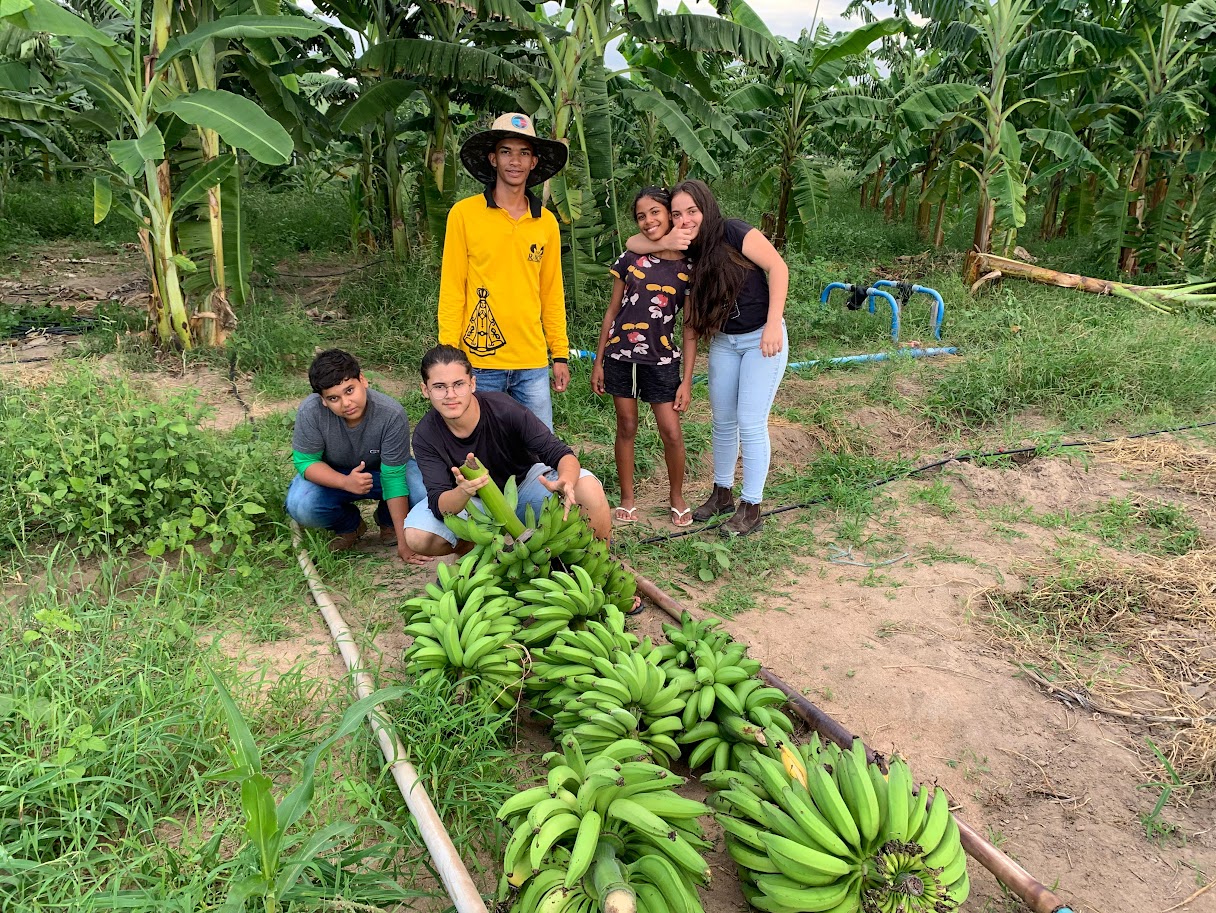
The Jaboticaba Agricultural Family School in Brazil reuses water for sustainable food production in a semi-arid region. Since 1993, it has combined agroecology with wastewater treatment to enhance food security and educate students. The project promotes environmental sustainability and aims to influence public policies in line with Pope Francis’s call for integral ecology.

The Central American Province of the Society of Jesus marks the first anniversary of the Nicaraguan government's confiscation of the Central American University, condemning the violation of education rights and academic freedom. They call for an end to repression, the release of political prisoners, and a return to dialogue and justice.

Stan Swamy Day in Viragalur was a moving tribute to a man who devoted his life to justice and the upliftment of the marginalized.

His journey was marked by a profound sense of detachment, as he left behind his nationality, culture, security, history, and companions to embrace a completely foreign environment.
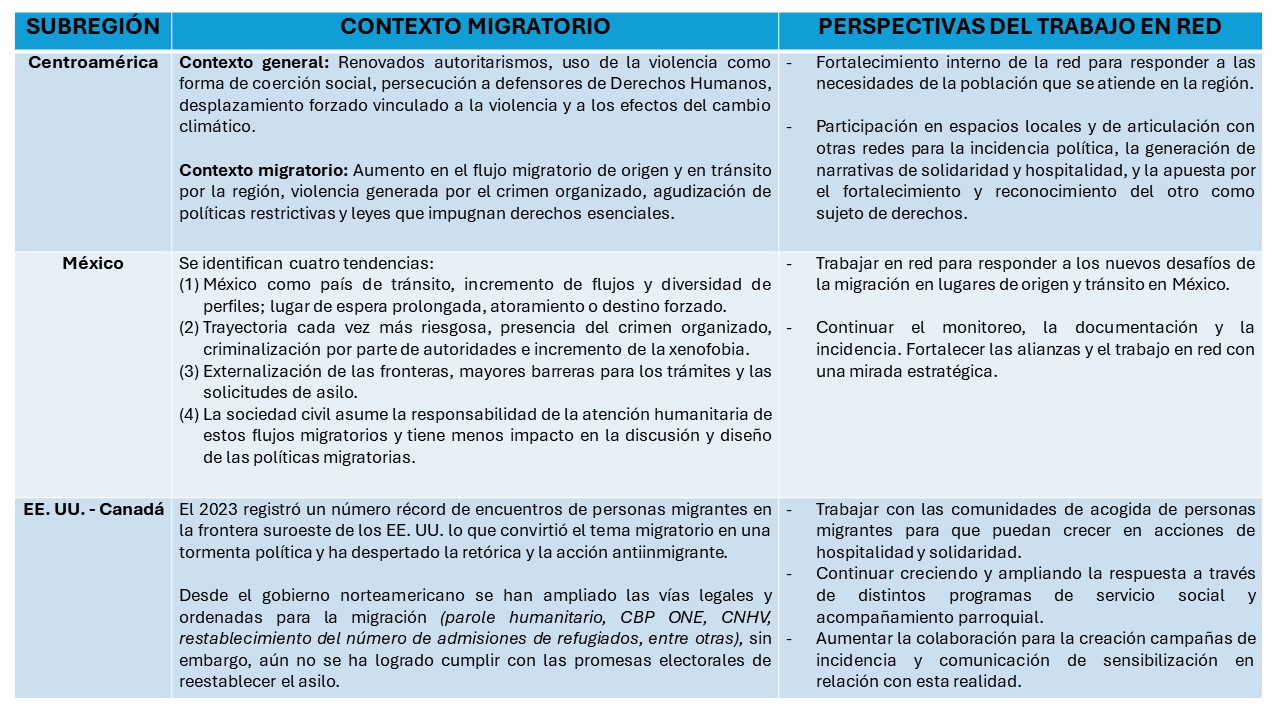
Jesuit Network with Migrants Central America and North America (RJM CANA) shared the first four months of the year report (January – April 2024): "They have been months of a lot of work to face the challenges in the migration context characterized by an increase in the migratory flow in vulnerable conditions throughout the region, however, also These have been months in which the fruits of networking have been confirmed".
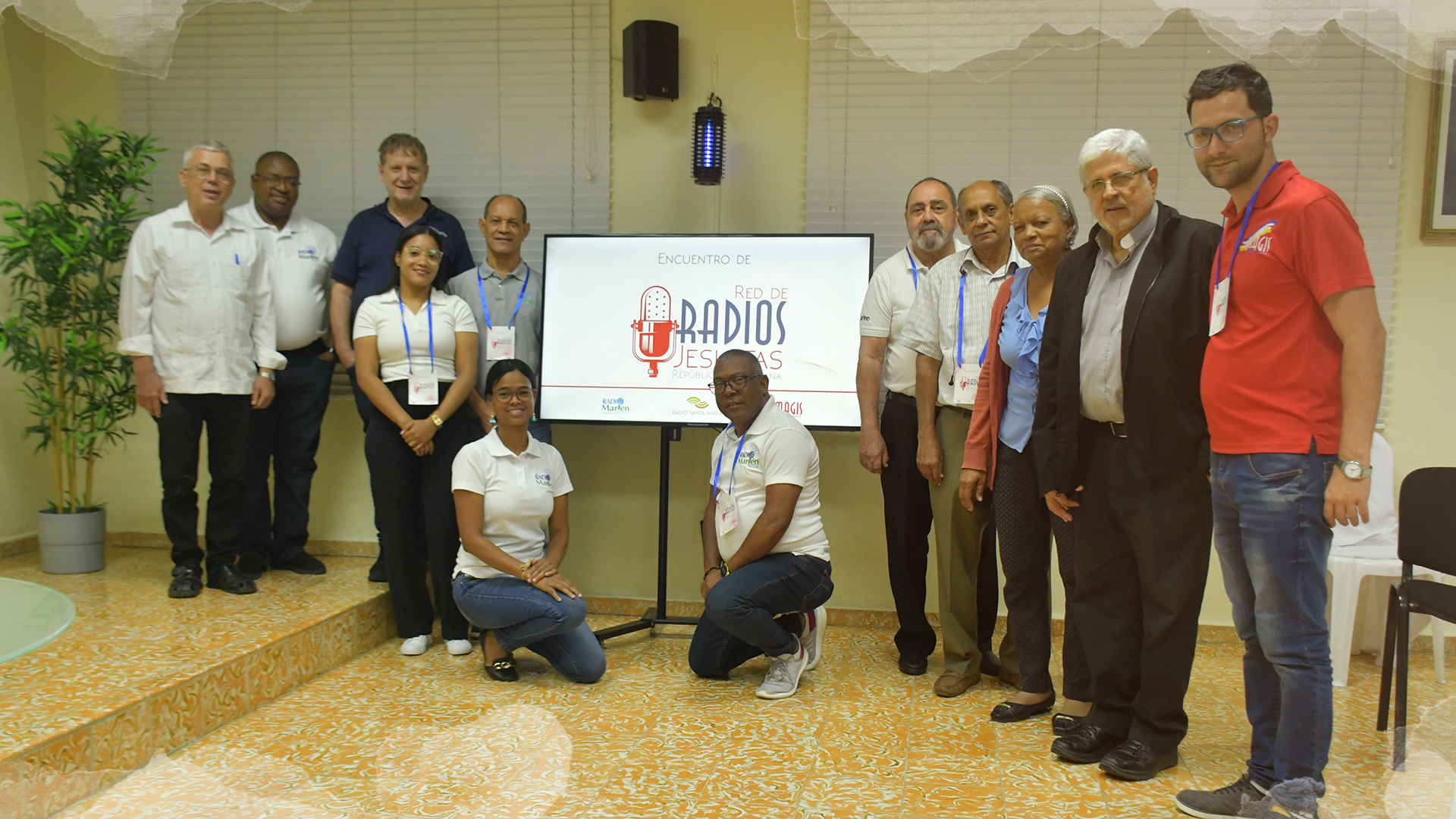
From April 5 to 7, the Jesuit Radio Network in the Dominican Republic met at the facilities of the Loyola Polytechnic Institute (IPL) in San Cristóbal. During the meeting, the construction of a shared itinerary that seeks to focus on collaboration and contextualized radio communication marked by the Apostolic Preferences approved by the Society of Jesus for the coming years was highlighted.