Mexico – Can a migrant center be a torturing environment?: “I fear for my life here”
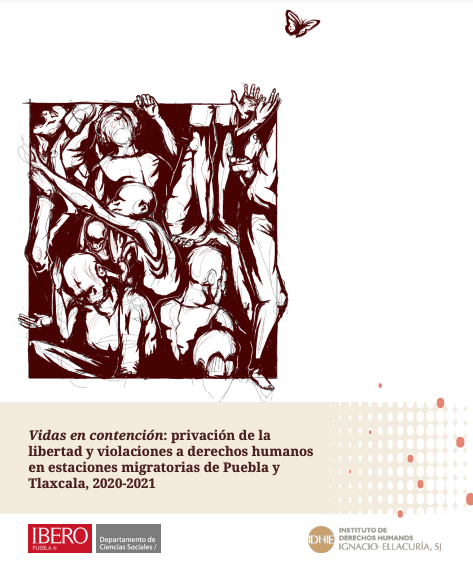
The Ignacio Ellacuría Human Rights Institute and the Department of Social Sciences, both of the Ibero University of Puebla (Mexico), presented this January the report; Lives in Containment: Deprivation of Liberty and Human Rights Violations in Migration Stations in Puebla and Tlaxcala, 2020-2021, which seeks to influence migration policy practices that should respect and guarantee the rights of people held in "migrant" centers.
In the presentation of the report, the academics responsible for its preparation expressed their concern about the deprivation of liberty and other abuses that distance the practices of the Mexican authorities from a just, humane and lawful behavior, and that contradict the discourse of the Mexican government that defends its rescue work and its supposed humanitarian practices.
This concern is the consequence of two years of observation and documentation of different illegal acts against migrants identified in the facilities of the National Institute of Migration in Puebla and Tlaxcala. Among these violations, they noted the lack of presentation of identification, lack of motivation for the fact of detention, detention times (average of 38 days in detention), inadequate conditions in detention, deprivation of access to legal counsel, etc.
Although the study focuses on the observation of two specific territories, it presents a panorama that can be identified, from the experience of other actors of the network and other allied organizations, throughout the country with different expressions and conditions. People held against their will, overcrowding, precarious and inhumane facilities, exposed to COVID and other risks to their health and physical integrity, etc., are spaces that could be described as "torturing environments". The defenselessness of the forced migrant begins with the very act of detention, usually violent and without the possibility of access to minimal legal counsel.
Dr. Guillermo Irizar, responsible for migration issues at the Institute and coordinator of the research-theoretical dimension of the RJM in the CANA region, insisted on the need to consider alternatives to detention that are neither coercive nor centered on fear and violence.
The report reviews situations and testimonies that reveal how especially vulnerable groups of people, including minors, pregnant women, etc., are victims of the same treatment.
This report, Lives in Containment, with a particular look focused territorially from specific situations, tells us, however, a global picture that is connected to a migration policy that, not only in Mexico, but throughout the region, we identify with increasing force: The criminalization of migrants as an objective, revictimization as a practice, containment and militarization as a strategy for border control, etc. , All this speaks to us of states that, sometimes from supposedly sensitive discourses, other times from the greatest impudence, move away from a background of justice and a humanist character, that systematically violate human rights, that deny or ignore the causes and the drama of flight and that miss the opportunity and richness of true processes of encounter and welcome.
We congratulate the teams of IDHIE and the Department of Social Sciences of Ibero Puebla for this important contribution and encourage you to read and disseminate it.
- You can see the presentation of the report here.
- You can download the report here.
- You can find other documents ofinterest or advocacy positions here.
Source: Red Jesuita Con Migrantes

Related Posts:
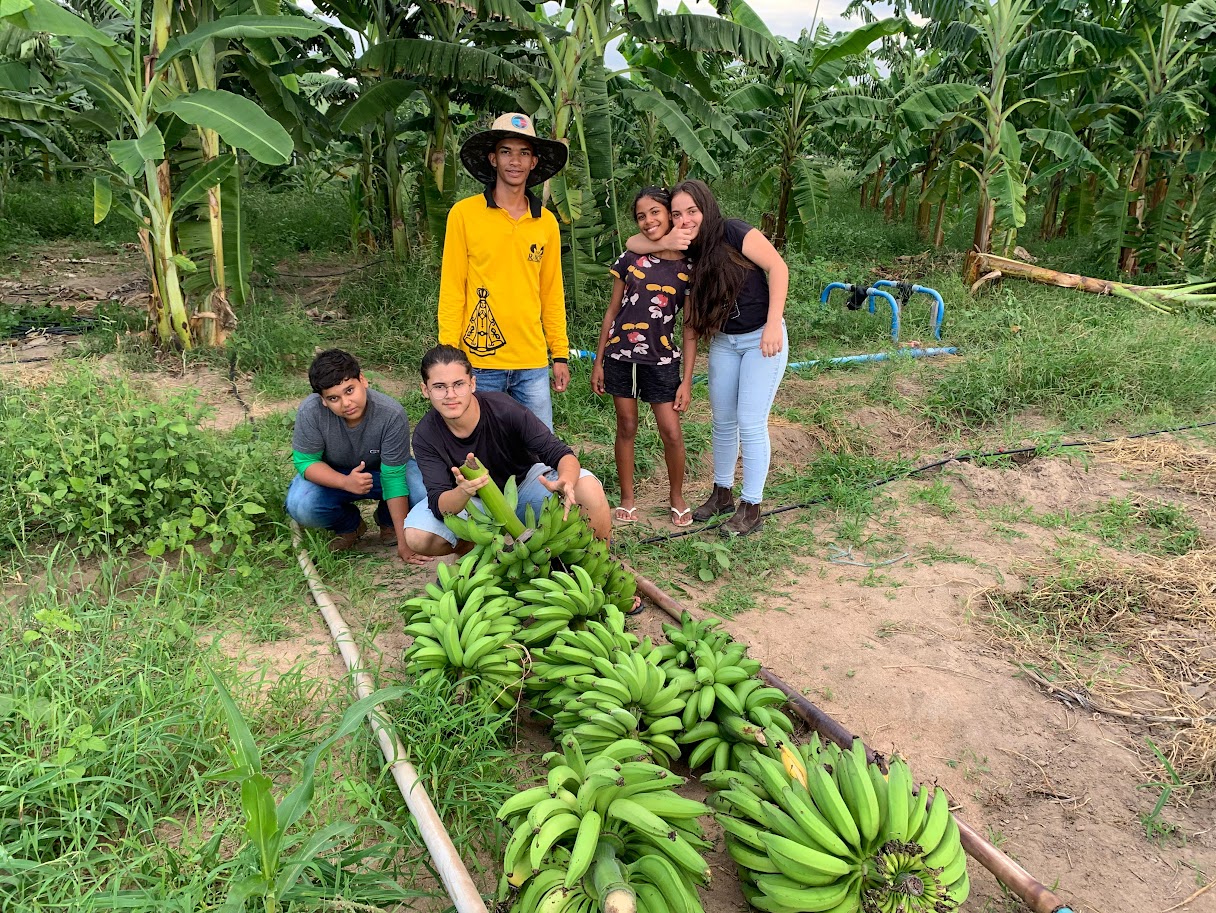
The Jaboticaba Agricultural Family School in Brazil reuses water for sustainable food production in a semi-arid region. Since 1993, it has combined agroecology with wastewater treatment to enhance food security and educate students. The project promotes environmental sustainability and aims to influence public policies in line with Pope Francis’s call for integral ecology.

MEXICO CITY (OSV News) -- An Indigenous Tzotzil priest and peace activist was murdered after celebrating Sunday Mass in Mexico's southern Chiapas state, where the Catholic Church has denounced government inaction in the face of rising violence. Father Marcelo Pérez, who ministered in Indigenous regions rife with territorial conflicts and later denounced drug cartel violence, was shot dead Oct. 20 by two assailants on a motorcycle as he drove away from the Guadalupe church in San Cristóbal de las Casas, according to Mexican media reports.

The Central American Province of the Society of Jesus marks the first anniversary of the Nicaraguan government's confiscation of the Central American University, condemning the violation of education rights and academic freedom. They call for an end to repression, the release of political prisoners, and a return to dialogue and justice.

Stan Swamy Day in Viragalur was a moving tribute to a man who devoted his life to justice and the upliftment of the marginalized.

His journey was marked by a profound sense of detachment, as he left behind his nationality, culture, security, history, and companions to embrace a completely foreign environment.
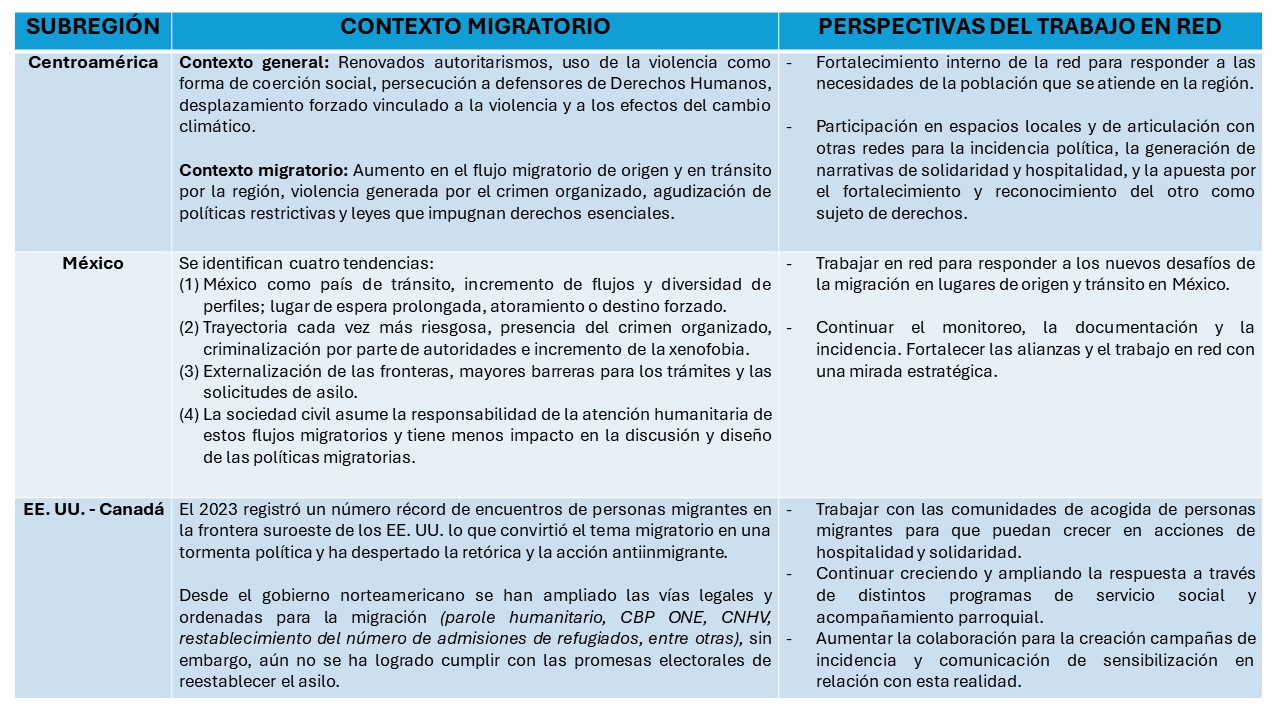
Jesuit Network with Migrants Central America and North America (RJM CANA) shared the first four months of the year report (January – April 2024): "They have been months of a lot of work to face the challenges in the migration context characterized by an increase in the migratory flow in vulnerable conditions throughout the region, however, also These have been months in which the fruits of networking have been confirmed".