Chad – The new laboratory of MAGIS to fight epidemics in Chad
In the fight against the Covid-19 pandemic, national and international institutions have long maintained the importance of not forgetting Africa, both for a minimum of respect for human rights and for epidemiological reasons so as not to let the virus circulate in such a central continent. The focus is primarily on the supply of vaccines, leaving out important cultural and organizational aspects in the involvement of these countries.
The Italian Agency for Development Cooperation - Khartoum office - has financed a number of emergency projects to contribute to the fight against Covid in Africa. In N'Djamena, capital of Chad, the Great Tropical Epidemics Laboratory has been created in the Le Bon Samaritain University Hospital: a biomedical analysis laboratory used as a tool in the fight against Covid and, at the same time, a research and monitoring center for tropical diseases - such as malaria, tuberculosis, AIDS-HIV, hepatitis, Chikungunya - which continue to claim victims. This is the new achievement of MAGIS, a Jesuit NGO based in Rome that promotes international cooperation activities through the commitment of Jesuits and lay people in various parts of the world, with the aim of supporting local communities in becoming protagonists of sustainable development.
Equipped with modern equipment capable of performing serological and molecular investigations (nasopharyngeal swabs, antibody analysis), the laboratory also carries out studies and research on Covid, which are essential for monitoring infections and performing reliable analyses, as well as allowing mass screening of the population. It is also able to intervene on other serious diseases that affect Chad: for HIV/AIDS it performs viral load and genetic sequencing that allows to identify drug resistance and therefore a more effective clinical and therapeutic control. The analysis of viral load and gene sequencing are also carried out for Hepatitis B, another viral infection very frequent in Chad.
The commissioning of the laboratory has been accompanied by an intensive training program for local health personnel: 90 professionals including doctors, biologists, laboratory technicians and nurses, plus 450 medical students. The project enjoys the funding of the Italian Agency for Development Cooperation and the close collaboration of the task force of the Chadian Ministry of Public Health in response to Covid, as well as the State University and various health facilities. In this wide collaboration with MAGIS, is also involved the UNESCO Chair of Biotechnology and Bioethics of the University of Rome Tor Vergata, which is activating a seroprevention campaign to know the trend and the circulation of the virus in the population of Chad, a country almost 4 times the size of Italy, and a viral sequencing to identify the most represented viral variants.
According to WHO data on Covid, Africa accounts for 3% of global infections-a less devastating impact than predicted at the start of the pandemic. There are various hypotheses regarding the lower mortality rate due to the virus: the warm climate, the young age of the population and its natural immuno-resistance to the virus, the low population density in rural areas and reduced mobility within the country. The epidemiological fact that the Sahelian zone is the least affected could be due to a greater ability to regulate the inflammatory stimulus induced by the virus in the lung: the presence of dust and sand that Africans inhale in the lung from an early age could have induced a greater ability to control the inflammatory response. The arrival of the virus, which induces inflammation in the lung, is therefore compensated for by greater anti-inflammatory activity developed.
Like the whole world now, Africa is faced with the challenge of vaccines, which are arriving with the dropper. The principle of global health that Covid has led us to discover could lead to a greater awareness that these pandemics are eradicable as long as they are managed with the same universal spirit, just as was done with Tuberculosis, AIDS and Ebola, making the necessary drugs and vaccines available to the population.
Source: MAGIS
Related Posts:

Stan Swamy Day in Viragalur was a moving tribute to a man who devoted his life to justice and the upliftment of the marginalized.
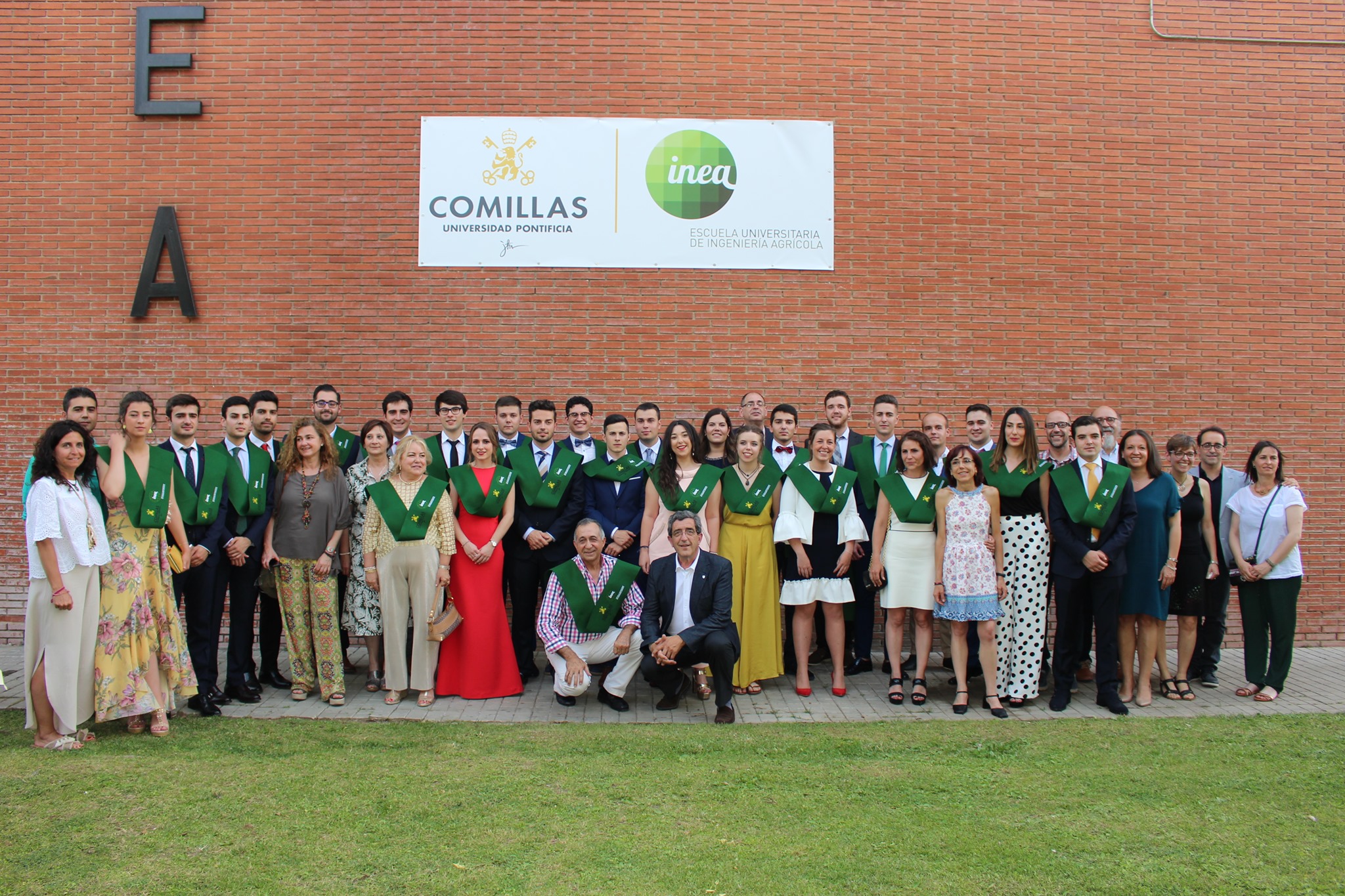
"INEA was a very conventional school, but at one point, we noticed we were at a "dead end," teaching the same thing everyone else was teaching. Twenty years ago, we realised we had to turn things around and get into thinking, learning, and practising organic farming.
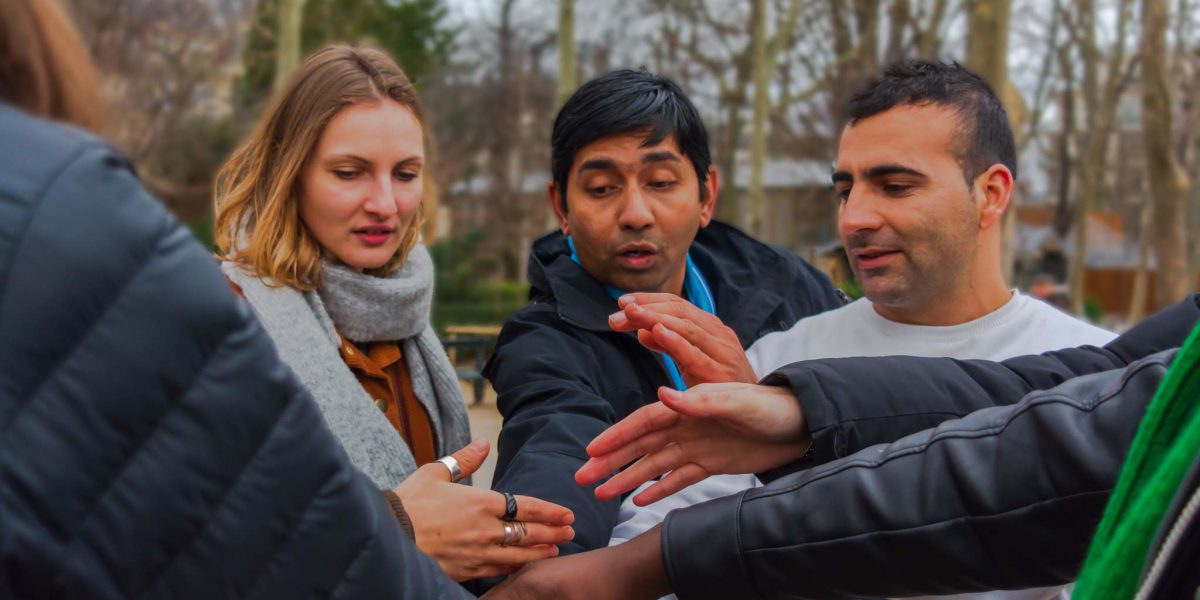
"We don't want to take sides, we simply want to enlighten people through texts and enable them to start talking one day soon"
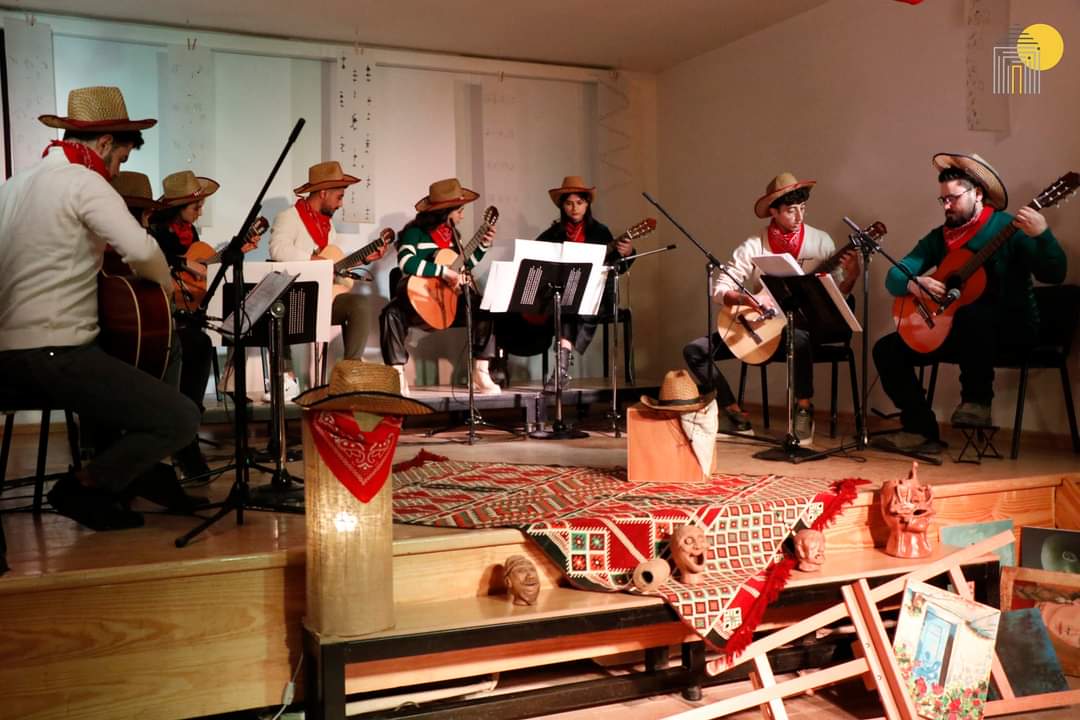
This reality takes a lot of energy from each of us. Much of our time is spent addressing problems that do not exist in other parts of the world.
On Wednesday, April 10, the European Parliament voted on the European Pact on Asylum and Migration. JRS Europe directors jointly opposed the pact and urged European institutions to reject it: "We cannot support a system that will allow the systematic detention of thousands of people, including children, at the EU external borders."
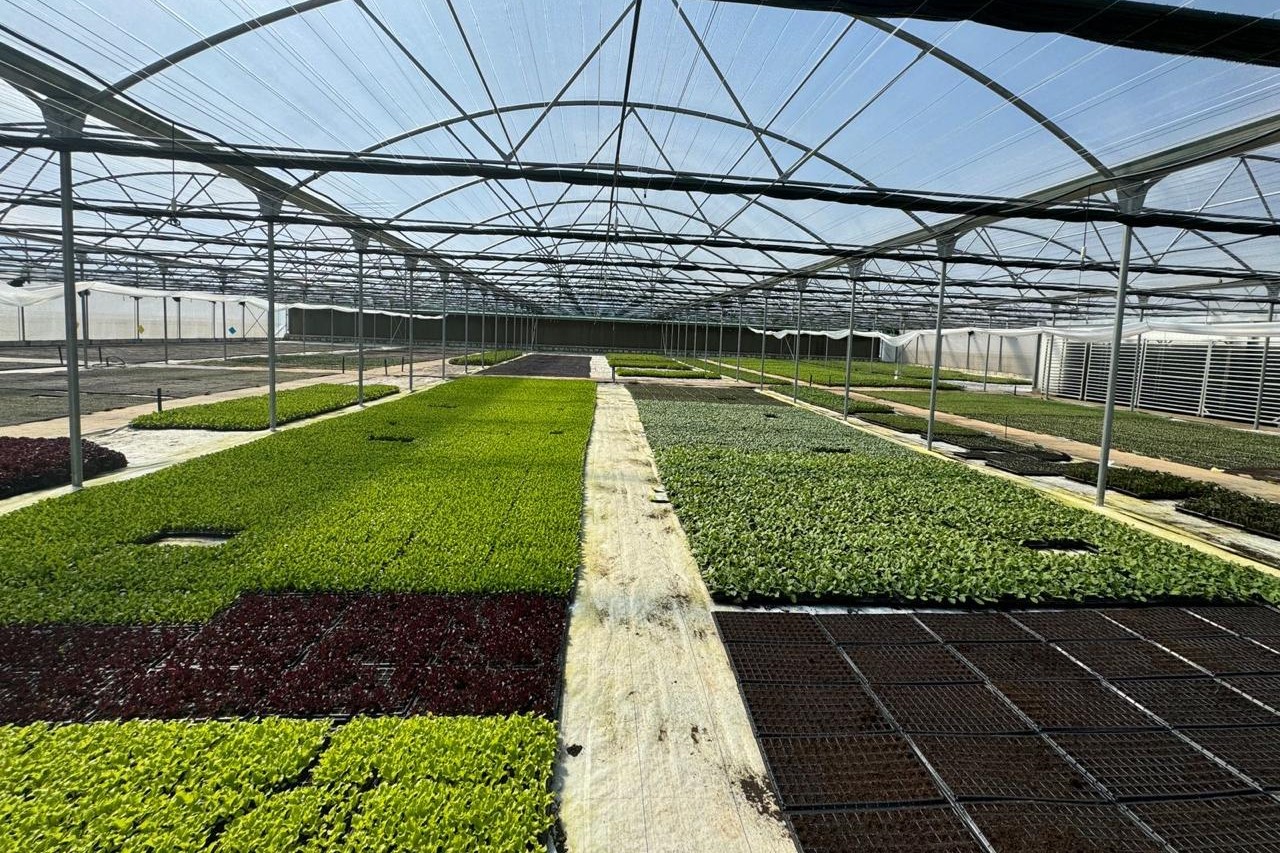
Despite challenges posed by the current conflict in Southern Lebanon, Joseph Nassar SJ reports that the Ain Ebel Centre, in collaboration with the Order of Malta and the local Municipality, remains faithful to its mission to provide healthcare, humanitarian efforts and agricultural initiatives. Its mobile dispensary serves 30 villages with essential medical services. Comprehensive training programmes promote human development and resilience.