Latin America – Latin America Reality Check: Forced Migration in the Region
The American continent has historically been a migratory destination. This immense territory was progressively inhabited by peoples from other continents, especially Asia, whose first penetration to the continent after 40,000 BC, was from the Asian Pacific coast, entering through the southern part of the Bering Strait, still dry; or through the Aleutian Islands, across the Alaskan Peninsula to the Vancouver region, to extend south through Mexico to the confines of South America.
Today, migratory flows are equally transversal to the entire continent and there is no region of the Americas that is not affected by any of the dimensions that make up any migratory movement: flight, transition, reception or return. But in this case, it is a question of forced migration that obliges us not only to describe the phenomenon, but also to look for the causes and the causes of one of the most important social problems that the continent is going through, a situation aggravated since 2020 by the effects of the COVID 19 pandemic.
This was the topic addressed last May 24, 2021 in the "Analysis of the Reality of Latin America and the Caribbean", organized by the Network of Social Centers of the Conference of Jesuit Provincials of Latin America (CPAL), through the channel "We are Jesuits", on YouTube. The speakers were Javier Cortegoso Lobato, Coordinator of the Jesuits with Migrants Network and Oscar Javier Calderón, lawyer and master in territorial government and public management, Regional Director of the Jesuit Refugee Service, member of the Coordinating Team of the Jesuits with Migrants Network at the Latin American level and Coordinator of the South American Region of the Jesuits with Migrants Network. The moderator was Political Scientist Piero Trepiccione.
Contextualization of the problem
Javier Cortegoso began the activity with two central ideas: forced migration is a problem of continental dimensions that, in addition to its social, economic and political nature, is a human drama involving thousands of people who flee their countries to save their lives from the situations of violence in which they find themselves. And secondly, it is essential to move from a short-term response to the study of the structural causes that are generating these migratory flows, since migration must be considered a right as it has become a survival option for people.
For the speaker, to speak of forced migration forces us to analyze the different forms of violence that act as a mobilizing factor of migratory flows, both for the migrant fleeing his region or country, as well as for those communities in transit, affected by the arrival of foreign groups to their locality, until reaching the final destinations, with all that the reception, integration or rejection of migrant groups means. Javier Cortegoso points out five expressions of violence that are present in the migratory dynamics currently taking place in our continent:
- The violence that stems from the situation of social inequality in Latin America, one of the most unequal regions in the world.
- Institutional
violence, a product of the dismantling of the rule of law, the crisis of
democracy, the increase in corruption and illicit enrichment on the part of the
groups that hold political and economic power in many of our countries.
- The
socio-political violence that private and illegal armed groups impose in
territories under their control, where State institutions do not exist or do
not act, especially in border areas, where mafias rule and keep the population
under a permanent climate of terror and uncertainty that forces them to
emigrate.
- Violence
against the "Common Home", which is exercised through the imposition
of a development model that destroys the environment, affecting those natural
spaces where many peasant and indigenous communities live, who are forced to
migrate to other territories, in addition to the growing natural disasters
caused by climate change, which affects the cycles of life on the planet.
- The violence of discarding, which is exercised on a daily basis against the most vulnerable sectors of society, the discarded, as is the case of the continent's indigenous and Afro-descendant communities, women and minorities excluded by sexual diversity.
Signs that speak to us of a complex human problem
For Oscar Calderón, who has experienced the drama of migration in our continent first hand through the Jesuits with Migrants Network, the problem is complex to the extent that many interests are involved. His presentation focuses on three signs that serve as a reference to analyze the complexity of the problem. The signs that alert us to the seriousness of the issue; the signs of hope that can be observed within the migratory movements themselves; and the signs that do not challenge in the short and medium-term.
Regarding the warning signs, Calderón believes that the main topic of debate is the legal and conceptual vacuum that exists regarding the meaning of forced migration. The current legal frameworks and the concepts used to explain forced migration do not serve, they are limited, to understand a phenomenon that goes beyond the security of the States and the humanitarian reaction towards migrants. For this reason, it speaks of mixed migratory flows, since it involves transit migrants, migrants of destination, legal and undocumented migrants fleeing their countries, as well as refugees and groups of people mobilized by illegal human trafficking networks.
Although there are international regulations that guide the actions of organizations such as the UN, the situation in Latin America and the Caribbean has its own specificities. There are many differences between the migratory flow of Venezuelans fleeing to neighboring countries in South America, and cases such as Haitian migration, or Central American populations fleeing in caravans or transferred by illegal trafficking networks, in that border triangle involving migratory flows from Guatemala, Honduras, El Salvador and Nicaragua, which cross the territory of Mexico, seeking to reach the United States, as a final destination.
In this scenario, there are multiple warning signs. On the one hand, the policies of the States that serve as transitory host or final destination for migrants. On the other hand, the risks of mobilization, which transforms migrants into victims of illegal human trafficking, government persecution or rejection by transit or host communities. It is a world of irregularities, since the States act on the basis of their border security policies, without being legally or conceptually prepared to assume the functions of protection and safeguarding of migrants, who in practice are people fleeing their countries of origin, often without documentation or money to move under normal conditions. These are blind spots, gray areas in the legal regulations that apply to these forced migratory movements, further complicating the treatment of the problem.
In this sense, the military devices that the States implement leave migrants without protection, affecting their human condition, and the deportations to their places of origin put them at risk of suffering torture and humiliation, being treated as political enemies or as criminals. This situation is largely the result of a lack of knowledge of the composition and characteristics of these migratory flows forced by violence and social crisis. In many cases, no specific records are kept to enable the design and implementation of mechanisms for the protection of migrants.
In general terms, no distinction is made between migrations due to socio-political causes or to the effects of natural disasters, such as mobilizations caused by climate change or the destruction of forests, as in the case of the Amazon, where the development of large agricultural, livestock or mining projects has forced the displacement of populations in Brazil and other Amazonian countries.
A fourth warning sign has to do with the constant population flows, the effects of which are more lasting at the regional level. Venezuelan migration is one of the most constant and voluminous cases in recent years and its effects should be analyzed on a regional scale. The same is true of the migration taking place in the northern triangle of the continent, which is also experiencing a significant counter-flow or return from the United States to their places of origin. There are also the extra-continental migratory flows, with populations coming from Africa and Asia through illegal networks that move people through the Gulf of Darien, between Colombia and Central America, where the passage of migrants is done at the cost of their own lives.
Finally, as another warning sign, we have the deportations and their consequences on Human Rights, since it is a setback in the protection of human beings who have taken the path of forced migration due to circumstances and who, upon being deported, are left in uncertainty and at the mercy of reprisals in their countries of origin. Here we must note the situation of refugees and their due process of legal qualification, which is sometimes suspended in time. On the other hand, there are many places of reception, as a final destination for migrants, which far from being a solution, are transformed into places of permanent violation of human rights.
In synthesis, the lack of coordination of governments in the regional attention to this problem is a great void. Without legal tools to act, States leave migrants to their fate. There is a weakening of governance at border and transit sites where international bodies for the protection of migrants, the States involved and the communities affected in one way or another by the presence of migrants in their territories should be working together in alliance. Many policies remain as announcements due to the lack of these local or regional alliances that could be very useful in the implementation of solutions.
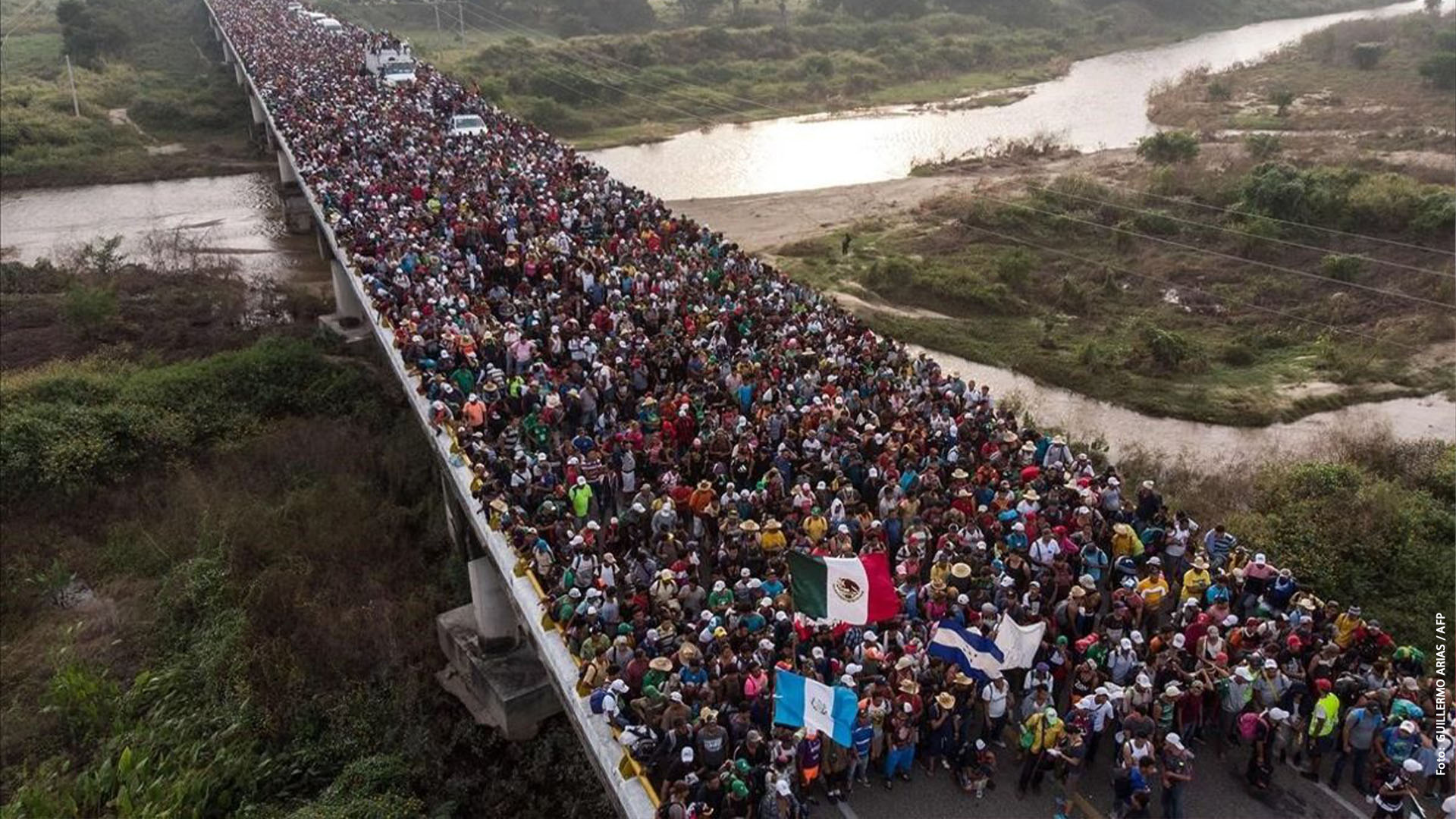
After this exhaustive look, Oscar Calderón moves on to the signs of hope, constituted by those "textures of hospitality" that can be appreciated in the communities that have come into contact with migrants, whether they are transit zones or host destinations. Cases are recorded here related to the work carried out by communities and social organizations that provide support and solidarity to the travelers, as in the case of Venezuelans who have left for countries in the south, from Colombia to Chile, crossing the Andes on foot.
Another aspect is the exchange of knowledge and the processes of cultural exchange in terms of music and gastronomy that are beginning to develop along the different migration routes and in the communities that serve as host communities. And the challenge that has meant the organization of the refugees themselves to cooperate with those who welcome them. These processes are taking place on a local scale, they are not publicized, but they are signs of hope in the construction of bonds of hospitality and reconciliation between social groups and communities that are involved in the problem of migration as a human problem.
And finally, the signs that challenge us and that must be assumed as challenges in the short and medium term. In the first place, we must pay more attention to borders and the passages through which migrants circulate. The border, in the case of Latin America, is not a limit, a separator of peoples with different cultures, but rather, they are shared living spaces between nationals who are linked by family and cultural ties. Therefore, the challenge is to create coordination to facilitate life in these border areas.
And with regard to the drama of the refugees, to recognize them in their human condition, giving them tools so that they can be the protagonists of their own destiny, trying to understand the drama they experience in their search for a better life condition. The perspective proposed by the speaker is to take a global and profoundly human look at the situation of migrants and the phenomenon of migration in our continent.
For a Culture of Recognition and Reconciliation as Humanity
The question and answer session served to clarify the following aspects: Oscar Calderón points out that despite the existence of coordination mechanisms between the UN, sub-regional organizations and governments, to regulate border transits and attend to migratory flows, there is an absence of spaces to analyze the causes and causers of forced migratory processes, in order to act to stop or reduce them. It is also necessary to create mechanisms for the incorporation of civil society organizations that work to protect migrants and defend their human rights.
Javier Cortegoso points out that global pacts have been formalized for better governance of migratory flows, which are of great importance, but they must improve their operational capacity with the support of non-governmental organizations working in the area. There are also mechanisms to promote development programs that seek to influence the causes of migration, but the difficulty lies in coordinating them with community organizations, including the participation of those who have been migrants and refugees.
There is also a notion of the border as a fabric of relationships and a shared space among its inhabitants, although the economic and national security visions of the border states dominate. Governments close and open borders unilaterally, without understanding that they are living spaces and that by closing legal transit points, they are handing over border control to the mafias and illegal groups that profit from human trafficking. Therefore, it is necessary to redefine borders as spaces of encounter and strengthen border subjects in relation to national centers of governmental power.
Being the case of Venezuelan migration, the second largest in the world in terms of volume, with six million people fleeing the country, especially since 2015, this massive phenomenon does not seem replicable in other countries, although many of the triggering factors of the Venezuelan process are present in the region. Finally, for the speakers, the migratory phenomenon should be a path to forge, from the pain and suffering of flight, a culture of recognition of the other, solidarity, hospitality and reconciliation as Humanity.
Source: CPAL

Related Posts:
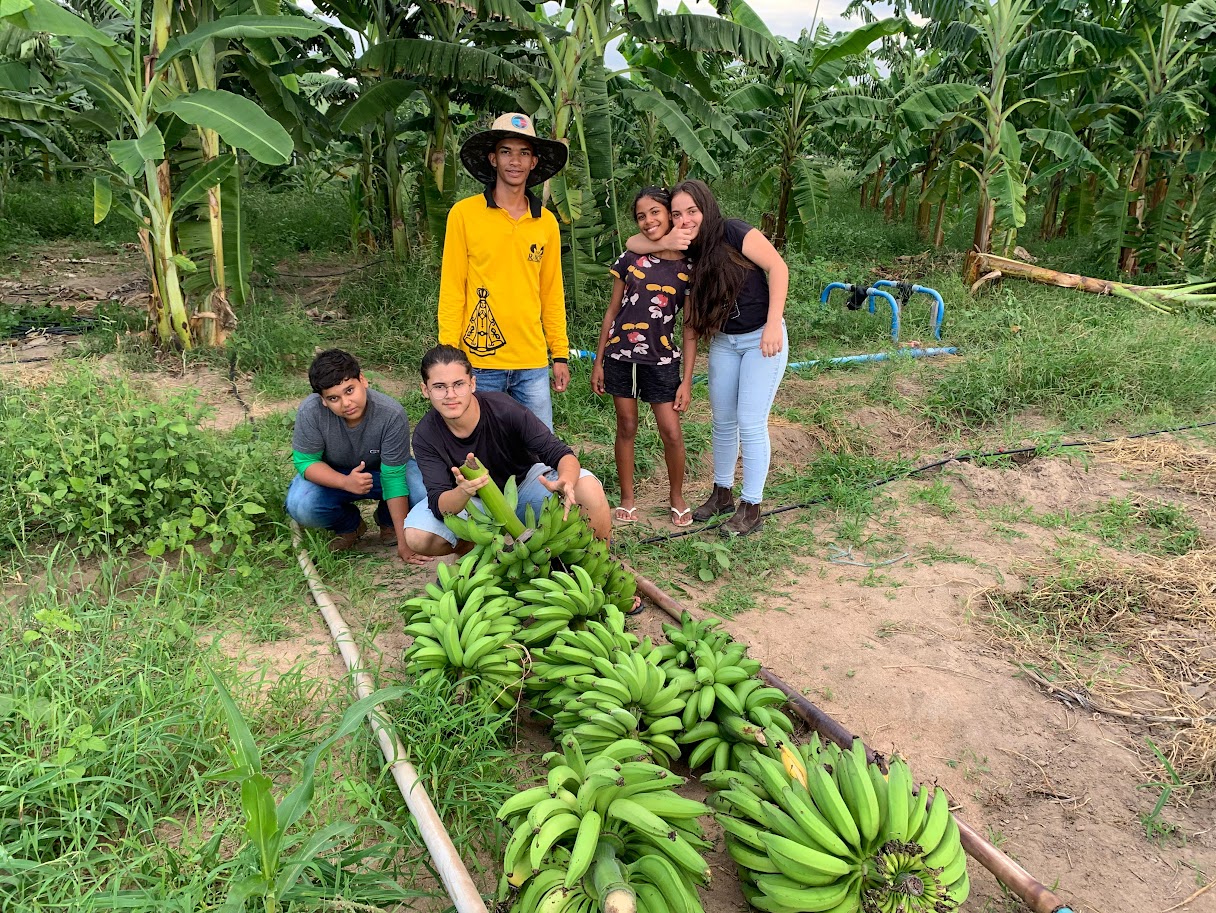
The Jaboticaba Agricultural Family School in Brazil reuses water for sustainable food production in a semi-arid region. Since 1993, it has combined agroecology with wastewater treatment to enhance food security and educate students. The project promotes environmental sustainability and aims to influence public policies in line with Pope Francis’s call for integral ecology.

MEXICO CITY (OSV News) -- An Indigenous Tzotzil priest and peace activist was murdered after celebrating Sunday Mass in Mexico's southern Chiapas state, where the Catholic Church has denounced government inaction in the face of rising violence. Father Marcelo Pérez, who ministered in Indigenous regions rife with territorial conflicts and later denounced drug cartel violence, was shot dead Oct. 20 by two assailants on a motorcycle as he drove away from the Guadalupe church in San Cristóbal de las Casas, according to Mexican media reports.

Stan Swamy Day in Viragalur was a moving tribute to a man who devoted his life to justice and the upliftment of the marginalized.

His journey was marked by a profound sense of detachment, as he left behind his nationality, culture, security, history, and companions to embrace a completely foreign environment.
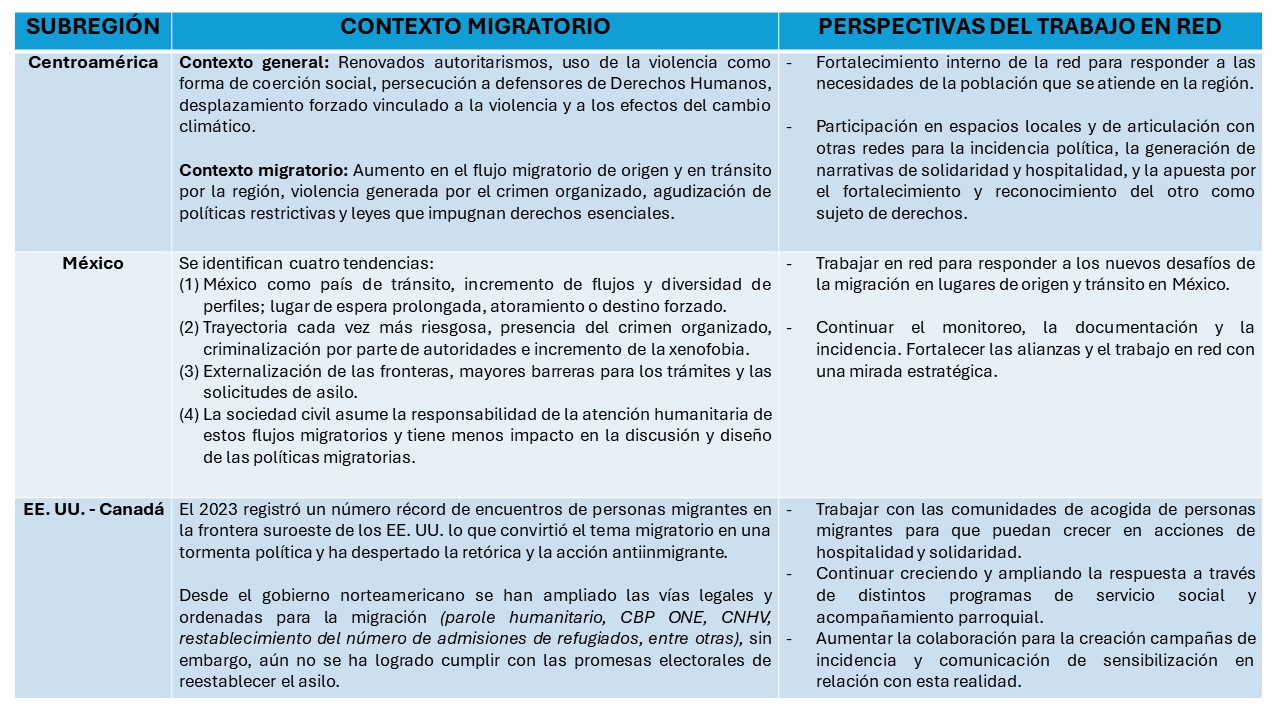
Jesuit Network with Migrants Central America and North America (RJM CANA) shared the first four months of the year report (January – April 2024): "They have been months of a lot of work to face the challenges in the migration context characterized by an increase in the migratory flow in vulnerable conditions throughout the region, however, also These have been months in which the fruits of networking have been confirmed".
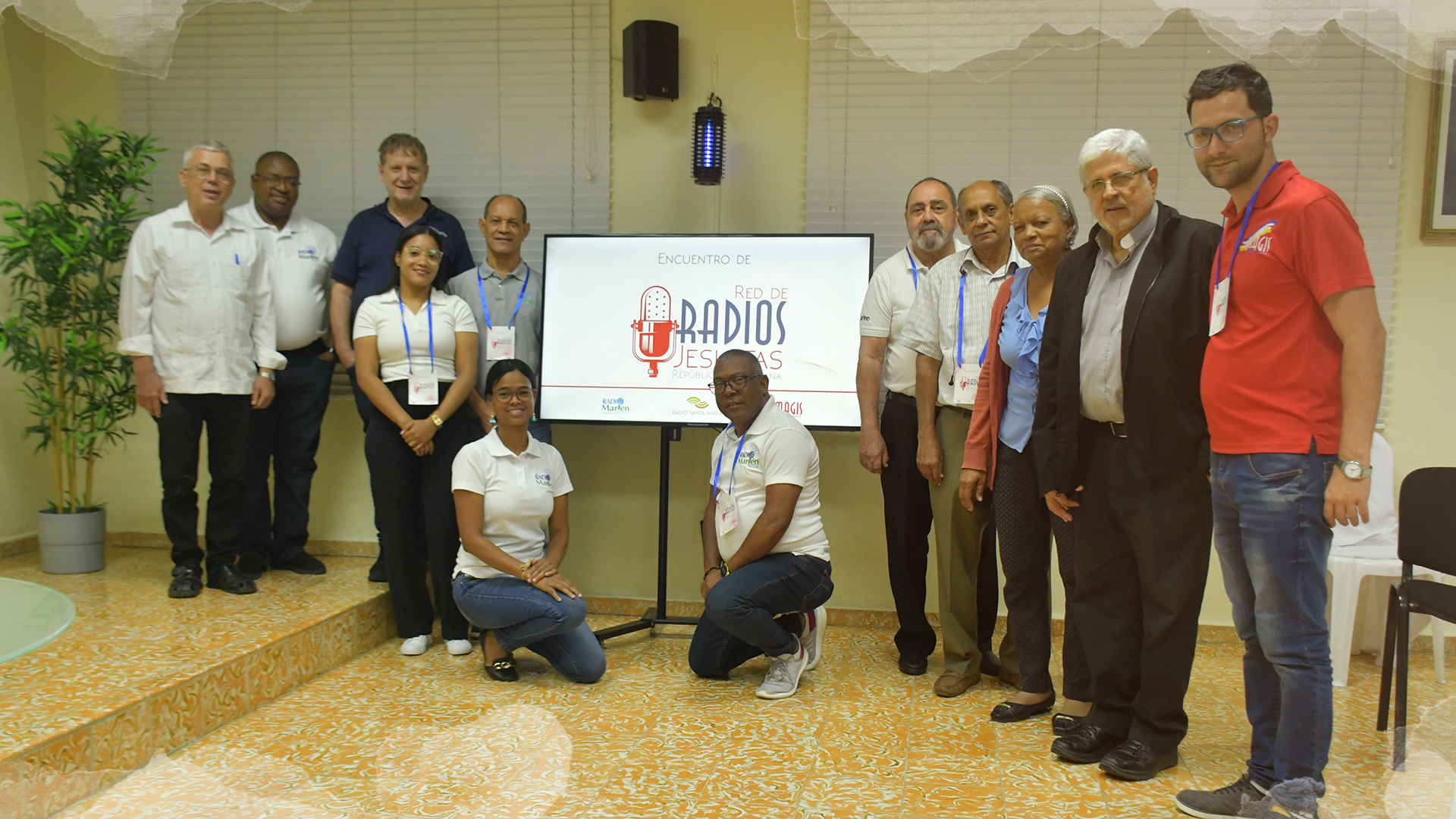
From April 5 to 7, the Jesuit Radio Network in the Dominican Republic met at the facilities of the Loyola Polytechnic Institute (IPL) in San Cristóbal. During the meeting, the construction of a shared itinerary that seeks to focus on collaboration and contextualized radio communication marked by the Apostolic Preferences approved by the Society of Jesus for the coming years was highlighted.