India – India’s Inconvenient Case of Stan Swamy SJ
What (Counter) Terrorism is Not: India’s Inconvenient Case of Stan Swamy, SJ
Stan Swamy is the oldest Indian to be incarcerated under terrorist charges. Under the Unlawful Activities Prevention Act (UAPA), the National Investigation Agency (NIA) arrested this 84-year-old Jesuit for his alleged role in the 2018 Bhima Koregaon violence and links to the Maoist Communist Party of India (CPI). The NIA accused him of conspiracy to create unrest and overthrow the government due to his tribal rights activism and improbable membership in a banned Maoist organisation. Swamy disowned email evidence and claimed they were unethically fabricated and implanted. As these accusations made him punishable for both terrorist activity and membership in terrorist organisations, let us briefly discuss the definition of terrorism and its (counter) uses to better understand this unjust case.
According to Bruce Hoffman (2017), terrorist organisations usually hide from the authorities and do not control a party or a territory in contrast to guerrillas and insurgents. According to this distinction, the Maoist CPI is not a group composed of lone terrorists taking part in a larger movement but rather a well-organised political party, fighting for the rights of the tribes by using guerrilla-like tactics and warfare.
More importantly, for Swamy to qualify as a terrorist he would need to be part of an identifiable chain of command, or at least adhere to a conspiratorial cell structure. One could hardly define his non-existent CPI membership or his membership in the Society of Jesus to represent such a structure. Nor has Swamy followed command authority in a terrorist organisation or has been inspired and animated by it in order to carry out acts of violence.
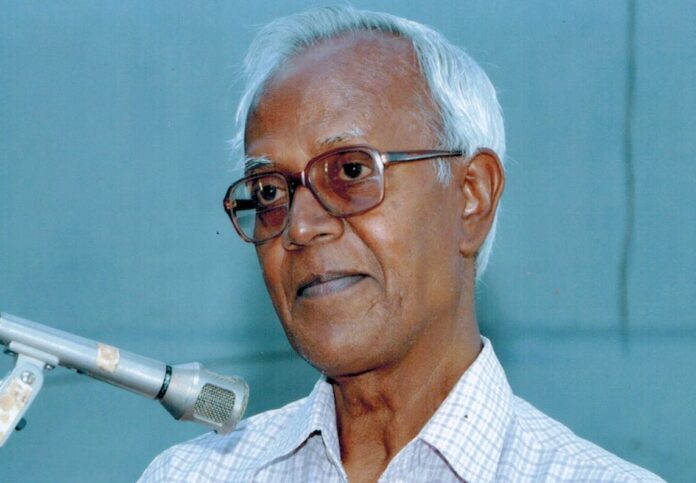
In addition, while terrorists do not differentiate between combatants and non-combatants and have no boundaries for their violence in order to generate the fear and anxiety for political leverage, Fr. Swamy has been rather an open and direct critic of Indian governments with regards to their mistreatment of the socially marginalised. In short, even if the CPI might be a terrorist organisation, there is insufficient evidence to prove Swamy’s involvement in any “deliberate creation and exploitation of fear through violence or the threat of violence in pursuit of political change.” (Hoffman, idem).
Kydd and Walter (2006) define terrorism as the use of violence against civilians by non-state actors to attain political goals. Following their detailed differentiation of such strategies, one could hardly define Swamy’s speeches (or emails) as attrition, i.e., persuading the government that the group (he does not belong to) “is strong and resolute enough to inflict serious costs, so that the enemy yields to the terrorists’ demands.” Neither can Swamy’s actions amount to intimidation or the reign of terror to convince “the government’s defenders that continued backing of the government will be costly.” Nor can Swamy’s purportedly terrorist tactics amount to provocation, by which “terrorists seek to goad the target government into a military response that harms civilians within the terrorist organization’s home territory” (cf. idem). So, then, who benefits from accusing Swamy of terrorism?
*By Peter Rožič SJ - JESC Director
Source: JESC

Related Posts:

MEXICO CITY (OSV News) -- An Indigenous Tzotzil priest and peace activist was murdered after celebrating Sunday Mass in Mexico's southern Chiapas state, where the Catholic Church has denounced government inaction in the face of rising violence. Father Marcelo Pérez, who ministered in Indigenous regions rife with territorial conflicts and later denounced drug cartel violence, was shot dead Oct. 20 by two assailants on a motorcycle as he drove away from the Guadalupe church in San Cristóbal de las Casas, according to Mexican media reports.

The Central American Province of the Society of Jesus marks the first anniversary of the Nicaraguan government's confiscation of the Central American University, condemning the violation of education rights and academic freedom. They call for an end to repression, the release of political prisoners, and a return to dialogue and justice.

Stan Swamy Day in Viragalur was a moving tribute to a man who devoted his life to justice and the upliftment of the marginalized.
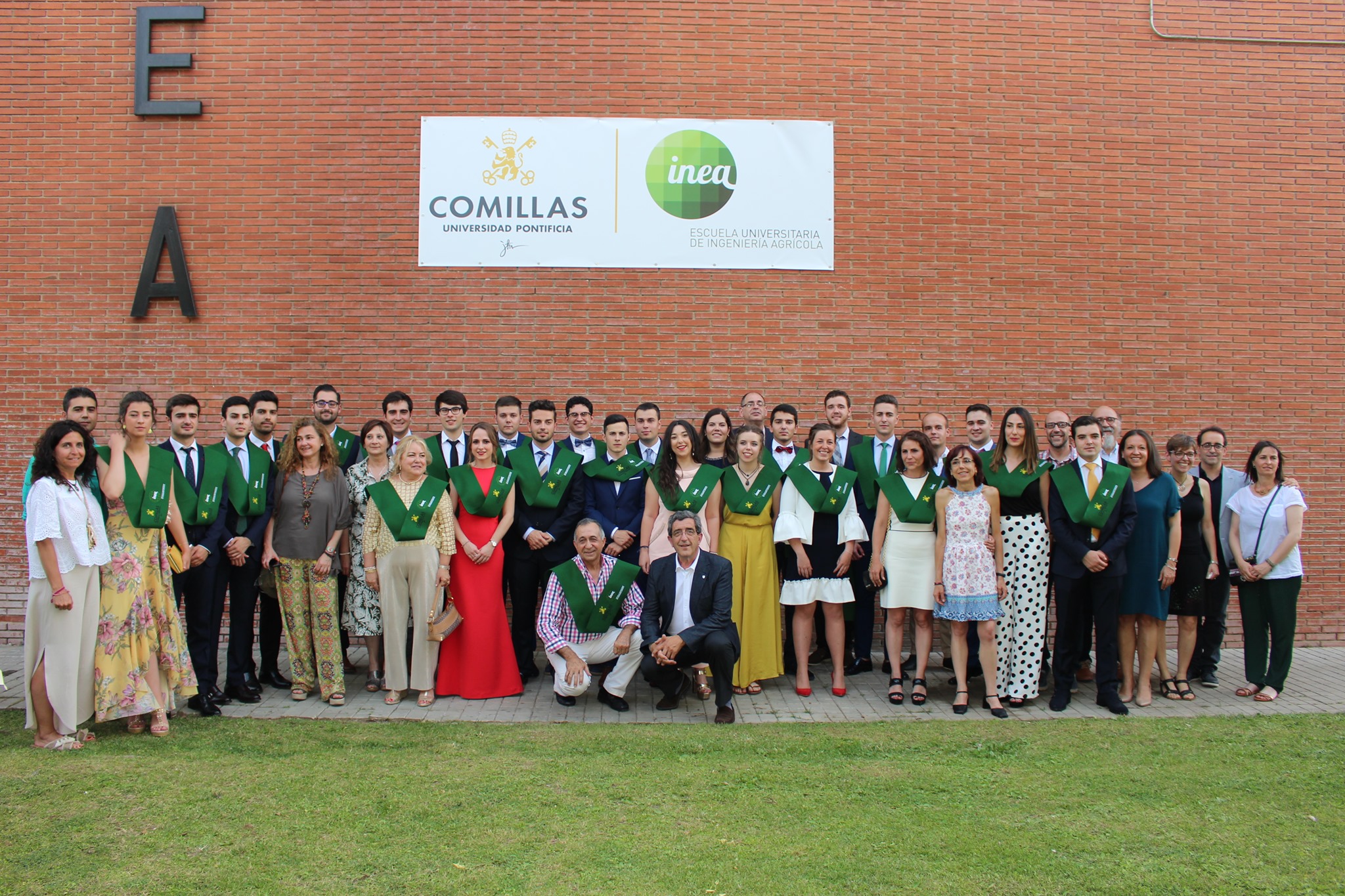
"INEA was a very conventional school, but at one point, we noticed we were at a "dead end," teaching the same thing everyone else was teaching. Twenty years ago, we realised we had to turn things around and get into thinking, learning, and practising organic farming.
"We don't want to take sides, we simply want to enlighten people through texts and enable them to start talking one day soon"
This reality takes a lot of energy from each of us. Much of our time is spent addressing problems that do not exist in other parts of the world.