Latin America – Impact of the pandemic in the Amazonian communities of the Triple Border
It is well known that, in an attempt to control COVID-19 infections, governments have implemented strong measures to reduce the mobility of people. It is also well known that these measures have had a strong impact on the economies of countries and regions. One of the sectors that has been most affected is the tourism sector.
For several years now, the local governments of this territory, the triple border of Colombia (Leticia), Brazil and Peru, have focused their sustainable development strategies on tourism development. The communities themselves speak of this change in the region: artisans, transporters, hotels, native guides, native cooks, native music and dance groups, communities that offer lodging and tours of their reservations or territories, fishing and planting to nourish these kitchens, etc.; there are many activities and services mobilized around tourism.
As we can imagine, the socioeconomic impact for a regional economy that had been channelled in an important way to the tourist activity has been very large. The lack of resources and the difficulties in sustaining the family economy are felt in the communities. The situation of difficulty and economic fragility is serious. Different actors in the territories, such as NGOs and churches, have made contributions to alleviating this emergency, but they are a drop of water in a sea of need.
Seen from the perspective of Integral Ecology, it is not a situation that restricts its impact only to the socio-economic dimension. Life is interconnected and what impacts one area of the life of families and communities has consequences on the other areas (the forest and the river). Social vulnerability and environmental vulnerability go hand in hand.
On the other hand, the peasant-indigenous family has for some time been undergoing cultural transformation processes that make it even more vulnerable. In the first place, the modern world of the consumer economy offers more and more goods and services to be consumed (cell phones, internet, television, greater mobility and a long etcetera of consumer products). This process provokes the need to have money to obtain these goods and services. Being included in the consumer culture means having money to buy the goods and services that the modern world offers, almost as if they were a necessity. It is no longer enough for the peasant-indigenous family, therefore, with an economy based fundamentally on production for self-consumption, it becomes essential to produce surpluses or to seek ways of generating resources and services that make it possible to achieve monetary income that makes it possible to be part of the environmental culture. Secondly, to the extent that families have been seeking external economic income and the proportion of self-sustaining economy has become less relevant, there has been a gradual abandonment of their own cultivation areas (the traditional chagras) and a lesser diversity of crops in the chagras. The option for tourist services has had an impact on these processes.
What has been expressed so far allows us to have an overview of the situation of some processes that, although they predate the pandemic, have worsened with it. But how does this situation of deterioration of the economies of the peasant and indigenous families of the Amazon riverbank in the triple frontier impact on the environment?
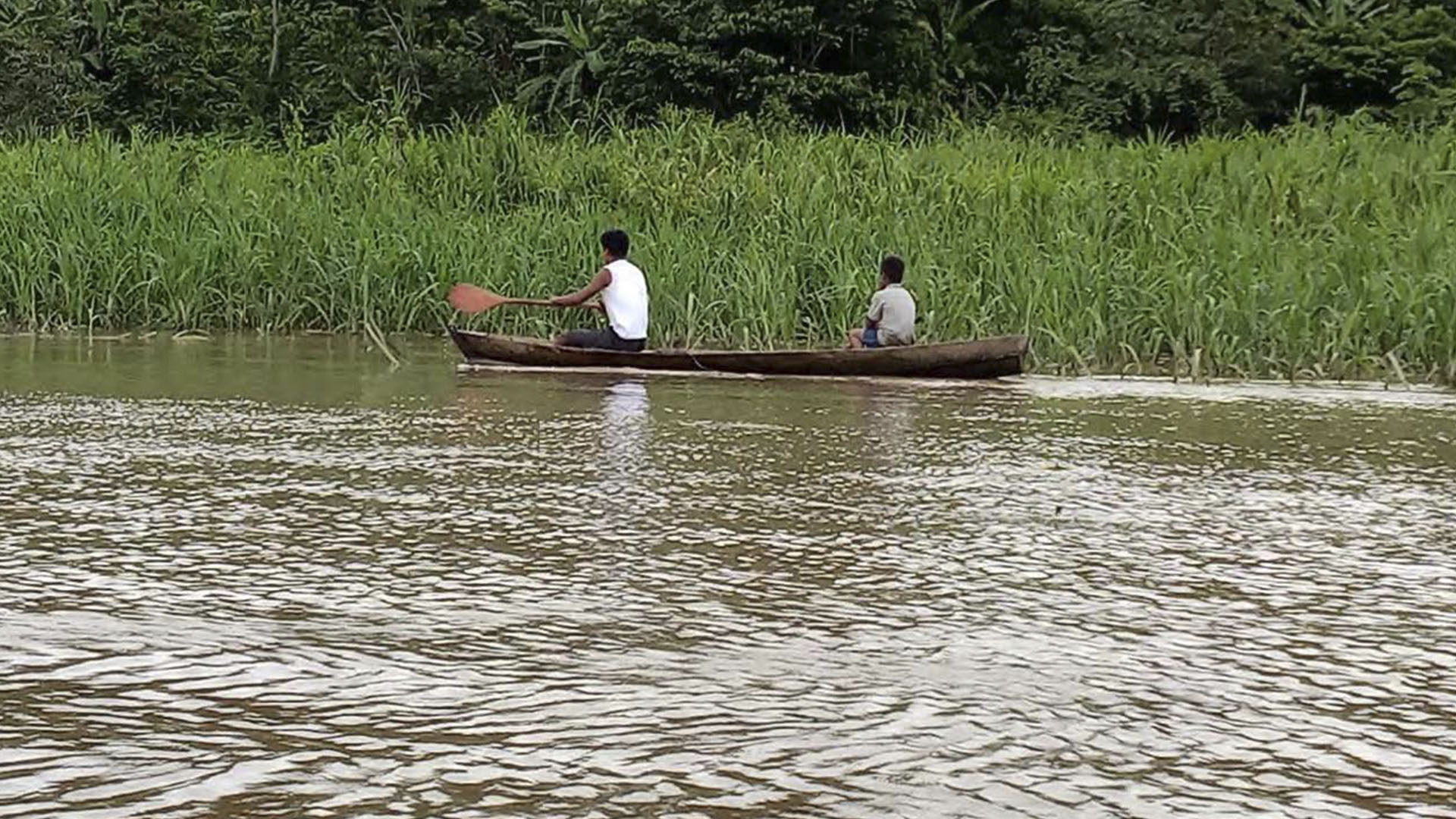
Our brothers and sisters of the peasant-indigenous communities in the forests and jungles where we are located have an impact on the territories. Although these impacts, in general, are not very great, we should not ignore them. Historically, the main activities have been fishing, hunting and sowing by cutting down and burning forest. But as we have pointed out, as consumption patterns have been changing, these impacts have been increasing. Impacts that are experienced with some concern within the communities (we have witnessed that the issue is discussed in their assemblies). Hence, for some time now, many NGOs and national and international government agencies have been designing economic-productive projects that seek new ways to increase the production of marketable surpluses, in addition to ensuring food sovereignty. A good example is the proposals that the Fundación Caminos de Identidad - FUCAI, together with Leticia's team from SJPAM, has been working on in the triple frontier territory, the project "Indigenous Communities of Abundance".
It goes without saying that, always and in every situation, the impacts of peasant-indigenous communities on the environment or natural resources are much less than those caused by large-scale extractive activities such as mining, cattle ranching, agriculture, logging, and professional fishing. Recognizing this as a basis, we cannot deny that the impact of the activities of our brothers and sisters in the communities, in order to obtain food and money for other consumption, has been increasing sharply.
This is the integral ecological dimension. Although, as we have said, the situation of deterioration in the relationship with the environment was already happening but as a minor or marginal problem, in the context of the lower-income caused by the effect of the pandemic on tourism, this process of deterioration has worsened. There is a greater need to fish whatever is found in the river, no matter the size or season, to cut whatever wood is found and more or less useful (good wood is increasingly found farther away and scarce) and to hunt whatever is possible, no matter the season or size.
In other words: changes have been taking place in the matrix of needs and uses of the resources or goods of creation. The pandemic deepens these processes. Communities have been ancestrally accustomed to an abundant nature from which they can extract what they need to live. When consumption levels were low and the economy was mainly self-sustaining, the impact on the environment was irrelevant. In this new context and in a situation of worsening poverty due to the effect of the pandemic on tourism activity, the extractive dynamics have deepened and with them the environmentally damaging impacts.
We believe it is necessary to work together to strengthen some processes in the territories, from which we can continue to work together with the communities to reverse or redirect these trends; processes that should address productive aspects but that, in a more comprehensive way should consider governance or the political-organizational, educational, cultural, spiritual; and contribute with a critical view of the processes that are happening in the communities. The impacts of the culture of consumption come by all means and affect the integrality of people, their community relationships and their relationships with creation, as well as with culture. It is urgent that we do not remain in views that idealize and abstract, more typical of foreigners who seek lost ideals, and on the contrary be men who want to live and accompany changes from the praxis with and in the midst of the community.
By Rodrigo Castells, SJ - Member of the SJPAM Leticia
Team
Source: CPAL
Related Posts:
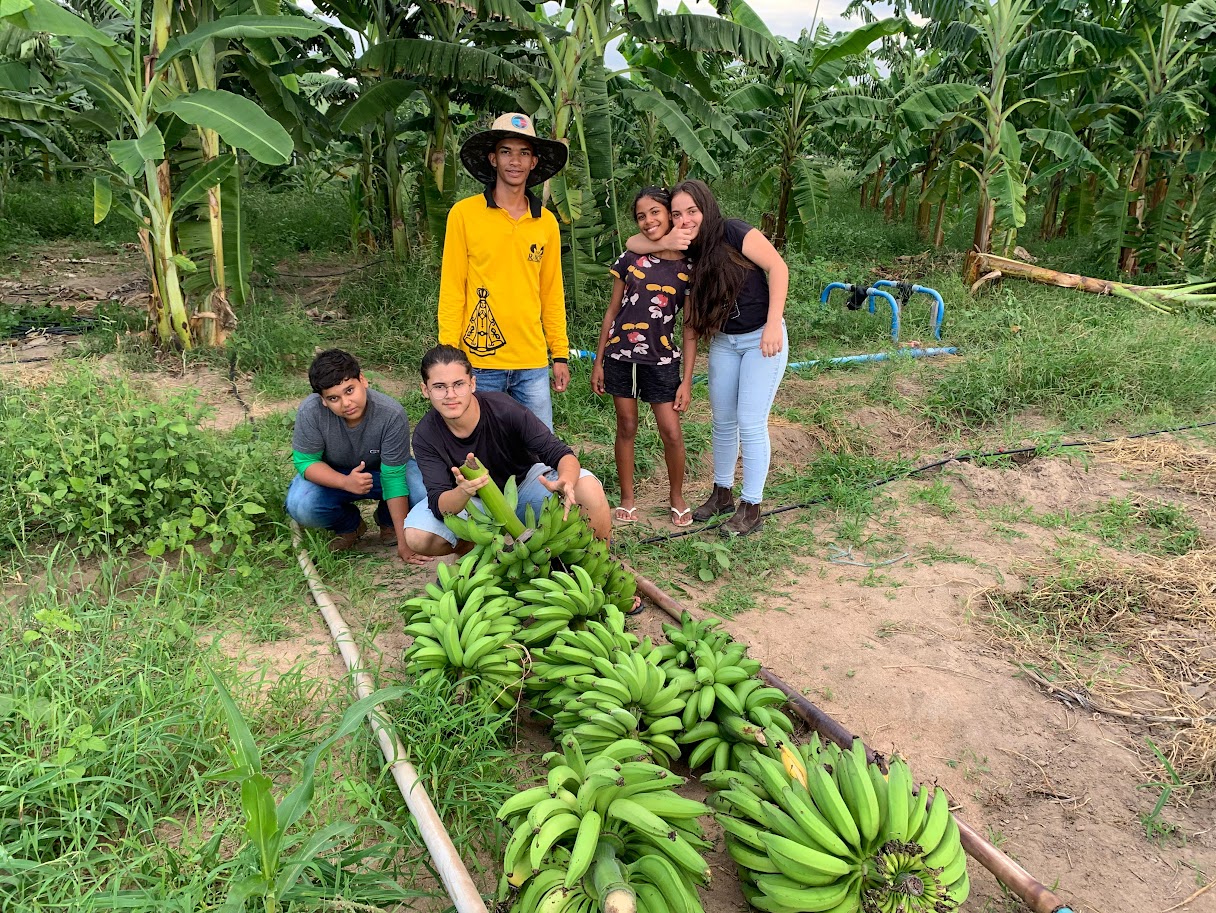
The Jaboticaba Agricultural Family School in Brazil reuses water for sustainable food production in a semi-arid region. Since 1993, it has combined agroecology with wastewater treatment to enhance food security and educate students. The project promotes environmental sustainability and aims to influence public policies in line with Pope Francis’s call for integral ecology.

His journey was marked by a profound sense of detachment, as he left behind his nationality, culture, security, history, and companions to embrace a completely foreign environment.
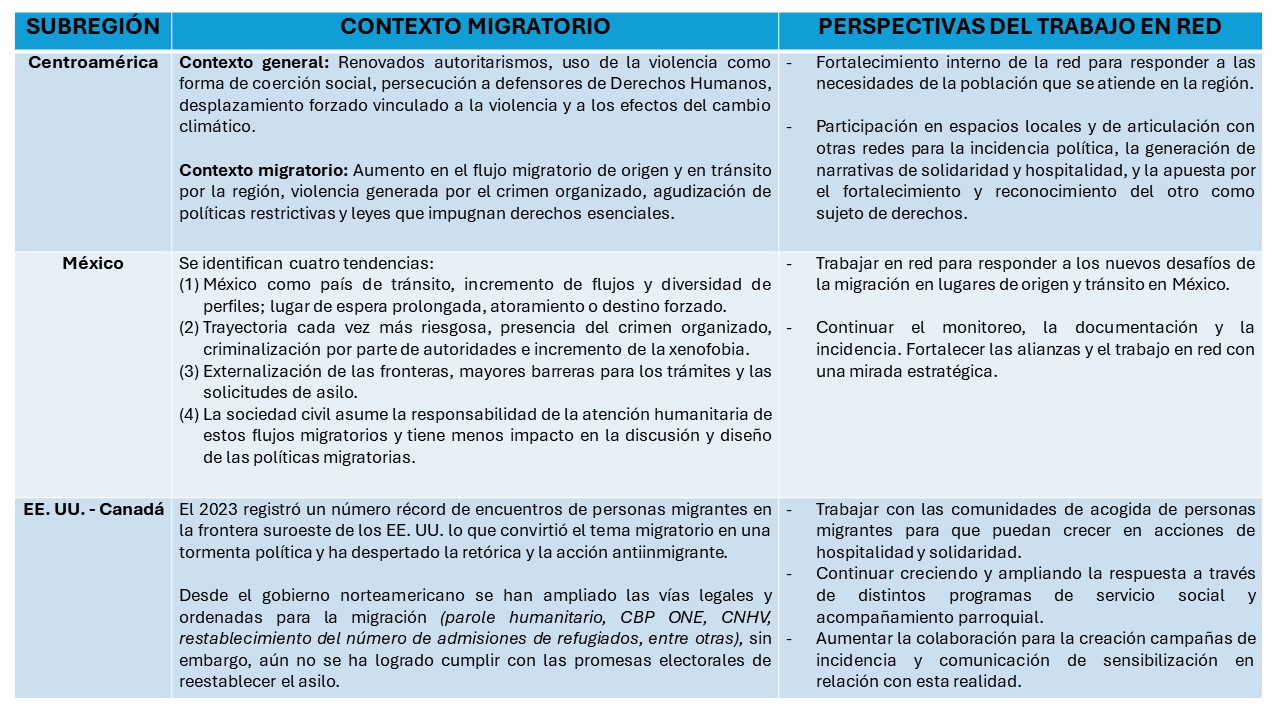
Jesuit Network with Migrants Central America and North America (RJM CANA) shared the first four months of the year report (January – April 2024): "They have been months of a lot of work to face the challenges in the migration context characterized by an increase in the migratory flow in vulnerable conditions throughout the region, however, also These have been months in which the fruits of networking have been confirmed".
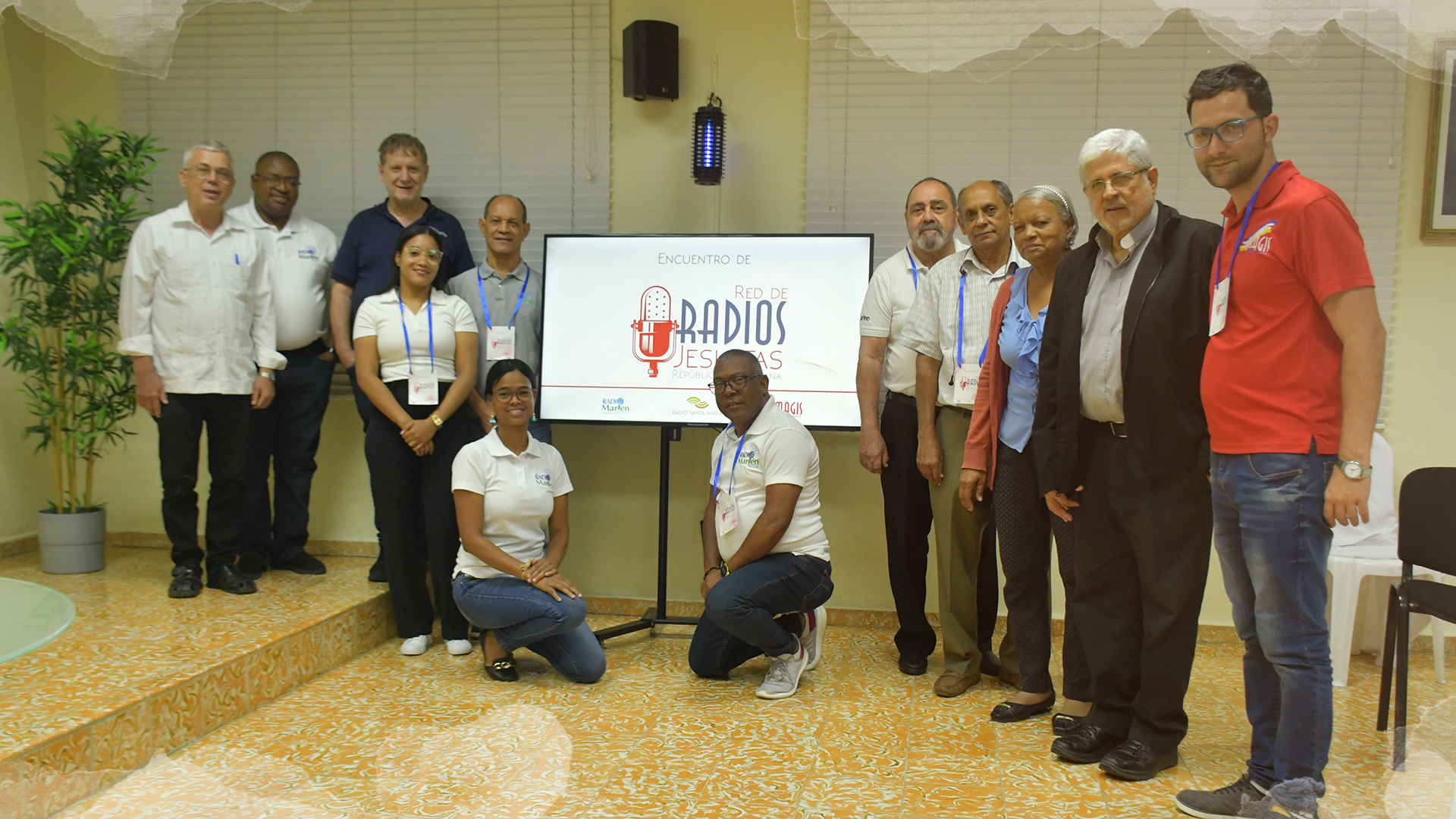
From April 5 to 7, the Jesuit Radio Network in the Dominican Republic met at the facilities of the Loyola Polytechnic Institute (IPL) in San Cristóbal. During the meeting, the construction of a shared itinerary that seeks to focus on collaboration and contextualized radio communication marked by the Apostolic Preferences approved by the Society of Jesus for the coming years was highlighted.
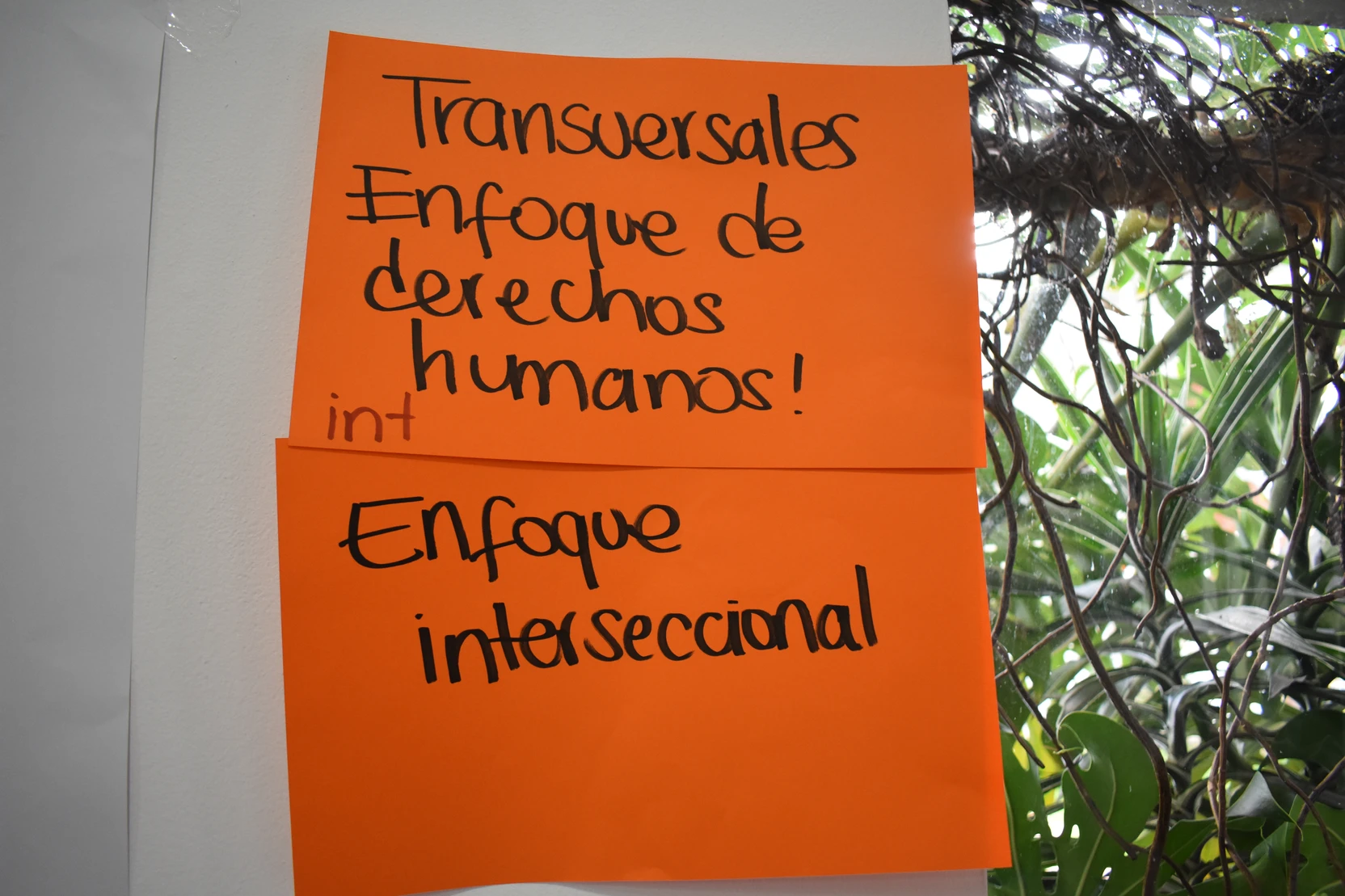
The Cartagena Declaration, adopted in 1984, emerged in response to the growing displacement crises in Latin America. Its importance lies in its expanded approach to defining a refugee, recognising the causes of displacement beyond armed conflict events. Despite progress in these 40 years, implementation challenges of the recognition criteria and the commitments made in the adopted plans persist.
This first publication of 2024 provides an overview of the latest data, changes and trends in the context of most of the region's countries (Panama, Costa Rica, El Salvador, Honduras, Guatemala, Mexico, the United States and Canada).