Canada – The effects of the pandemic on forced migration in Central America, Mexico and the USA
COVID-19 has put us in a dilemma. We are faced with choices as individuals and as a society to move forward from our current predicament:
• we are
either overcome by “fear of the other” or we grow in “solidarity with others”;
• we either assume an “every person for themselves” attitude, or we unite
without leaving anyone behind;
• we either see God as the cause of all our suffering or as our comforter and
support in facing it with hope.
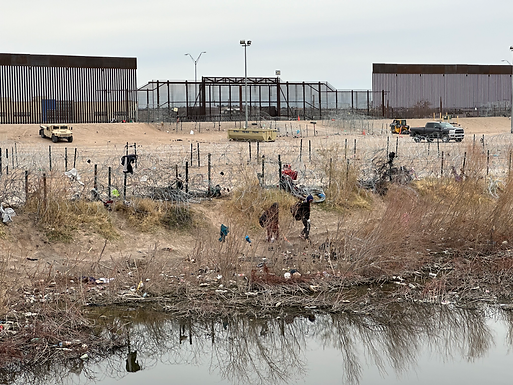
The path we choose will determine the future of humanity. In Latin America, the pandemic has accelerated and aggravated the systemic crisis of migration in the region by exacerbating the structural causes of forced displacement: inequality and violence. It has made migrant populations more vulnerable by creating a greater need to migrate, with more difficulty and risk: there are now fewer sources of income and support during their journey. It has also led to increased militarization and migration restrictions.
As a result, migrants suffer greater emotional and physical challenges during their exodus and require greater humanitarian assistance. Many of them are now stranded and destitute; disappear without a trace; are being unfoundedly stigmatized as carriers of COVID-19; and are more likely to be deported. Ironically, the pandemic has highlighted the crucial role migrants play in host countries as many of them are doing essential and high-risk jobs. However, they are not always adequately compensated or recognized or given health protection. They are often considered indispensable, but disposable.
Faced with this crisis, the Jesuit Migration Network, has increased services and adapted delivery: most shelters continue to serve migrants in person; other centres give psychological, legal and spiritual support and information virtually; they are increasing hospitality campaigns in host communities; they have developed new ways to monitor the status of migrants, to prevent, document and denounce human rights violations which have increased due to excessive immigration control and increased aggression from organized crime; they are also trying to influence governments in the region to end rapid and indiscriminate deportations. Read more…
Related Posts:

This pervasive Great Holiness (Wakȟáŋ Tȟáŋka) and blessing invites us to see our relationship with all created being and to recognize and know our brotherhood and sisterhood, not just with our human brothers and sisters but with all that exists and whose aura of holiness blesses us each and every day.
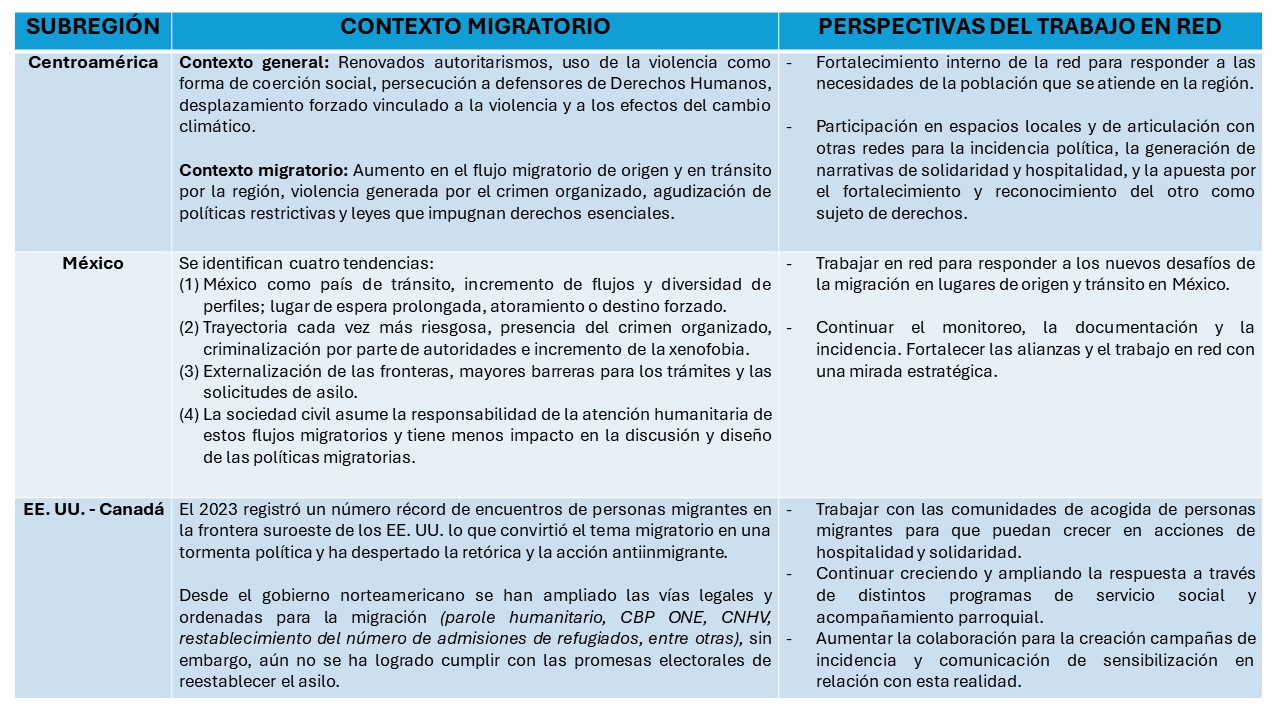
Jesuit Network with Migrants Central America and North America (RJM CANA) shared the first four months of the year report (January – April 2024): "They have been months of a lot of work to face the challenges in the migration context characterized by an increase in the migratory flow in vulnerable conditions throughout the region, however, also These have been months in which the fruits of networking have been confirmed".
On Wednesday, April 10, the European Parliament voted on the European Pact on Asylum and Migration. JRS Europe directors jointly opposed the pact and urged European institutions to reject it: "We cannot support a system that will allow the systematic detention of thousands of people, including children, at the EU external borders."
The Cartagena Declaration, adopted in 1984, emerged in response to the growing displacement crises in Latin America. Its importance lies in its expanded approach to defining a refugee, recognising the causes of displacement beyond armed conflict events. Despite progress in these 40 years, implementation challenges of the recognition criteria and the commitments made in the adopted plans persist.
This story narrates the spontaneous act of hospitality leading to a community effort to support a migrant family's journey. It illustrates the transformative power of personal compassion amidst global migration challenges.
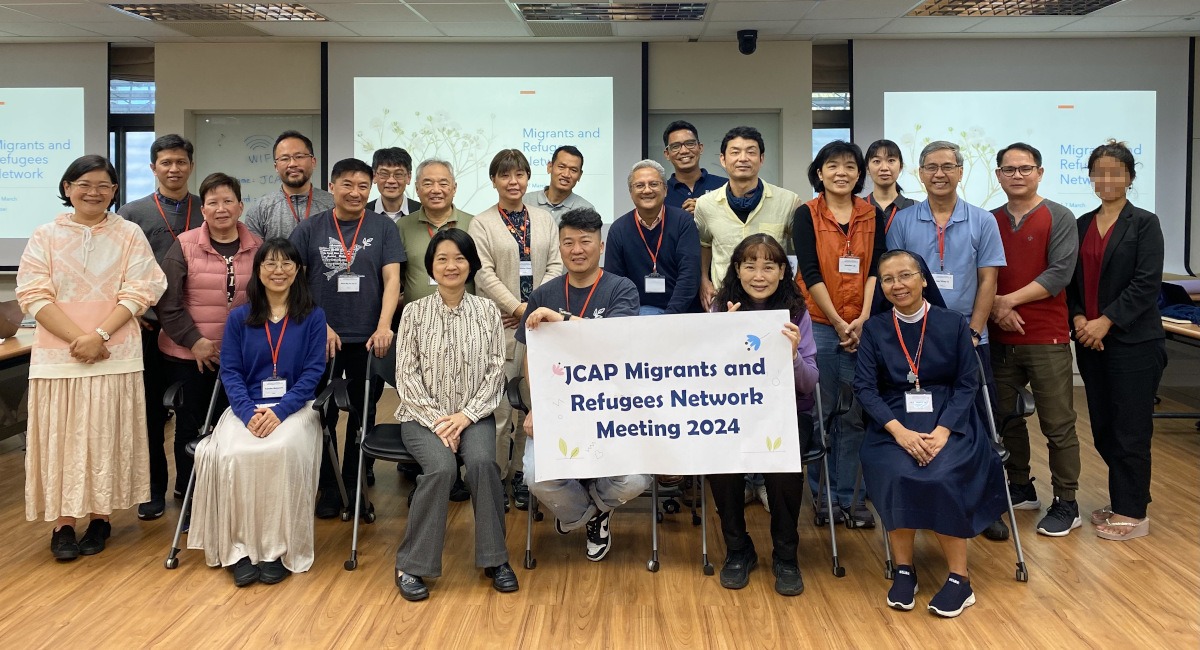
The Migrants and Refugees Network in Asia Pacific gathered to address migrant and refugee challenges, guided by collaboration, prayer, and Ignatian spirituality principles. Discussions ranged from updates on regional migrant situations to Taiwan's progressive immigrant response, culminating in the finalization of a five-year action plan highlighting the network's dual mission of support for both migrants and its members.