Working with Venezuelan Amazon People
The Venezuelan Amazon communities--both the Indigenous and non-Indigenous--located in the states of Bolivar, Amazonas and Delta Amacuro are particularly vulnerable to the effects of climate change. Such was the assertion made by some sectors at the capacity-building workshops we conducted from August 2022 to July 2023 to address the impacts of climate change.
Given this context, the Universidad Católica Andrés Bello offered a project through its two units—the University Social Extension unit and the Environmental Sustainability unit—to make visible or highlight the reality in the Venezuelan Amazon through two lines of action. The first line of action focuses on communications visibility via social networks, designing and publishing newsletters on ground realities (where training workshops were held), and calling media attention to spaces organised for reflection and conversations with invited experts regarding human rights, climate change and education.
The second line of action aims to design and implement reflective training strategies for participative community involvement, emphasising climate change mitigation and adaptation strategies in communities of Bolivar and Amazonas states. The state of Delta Amacuro was subsequently included in this project. It is essential to point out that unless these communities are informed, trained, and empowered, those who insist they know better will continue to dominate and deceive [these Venezuelan Amazon communities].
Field Experience
Every community experience must begin with a respectful approach; thus, we ensured to obtain the local leaders' informed consent. But first of all, we established some criteria for selecting communities to work with. Among the requirements is the presence of our University alums who could serve as our direct contacts locally. Listed below are other selection criteria:
1. Indigenous and non-indigenous communities.
2. Communities where we have allies who can help strengthen our network of University institutions.
3. Catholic Vicariates in the Amazon region that have an outstanding track record of accompanying communities defending human, indigenous and natural rights.
4. Regarding the Santa Elena and San Miguel de Betania communities, it was essential first to know the teachers in the area who could serve as the link and help ensure the community leader's informed consent.
We communicated in various ways, by telephone or in person. We presented the project, asked for informed consent, and had a place's general profile from the community and environmental points of view.
However, such information was inadequate; we had to investigate additional community characteristics using documented data about previously organised experiences. This added research complemented our initial information, especially in the socio-environmental area. Based on the direct and documented research, we established the criteria for working with selected communities.
We are two specialists from Universidad Católica Andrés Bello who have directed field experiences at Venezuelan Amazon communities. Florencia Cordero is a geographer and environmental specialist, and María Teresa Sánchez is a teacher and specialist working with people in the region. Both of us contributed to the growth in knowledge about the Amazonian reality through different networks and the socialisation of knowledge. Within a year, through spaces for communal conversations and reflection, we generated proposals for community empowerment highlighting climate change mitigation and adaptation strategies.
Lines of visibility and training
Visibility: The general public, both nationally and internationally, and the inhabitants of these territories are the primary target audience for sponsoring the visibility of these Venezuelan Amazon communities.
In this work, we design, print and digitise materials for community consultation. We also use Instagram and YouTube to share information. We obtain permission to publish project materials of some allied institutions already working in the territory.
We organise four mixed-mode talks, where each resource person shares approaches, data, visions and proposals to continue advocating for socio-environmental impact in the Venezuelan and Latin American Amazon. The ongoing challenge is to persevere in designing joint socio-environmental advocacy projects that respond to identified needs. We develop didactic guides and send them to each community for consultation and multiplication of strategies to address climate change impacts.
Training is interrelated with visibility since, through training in communal reflection processes, communities eventually become aware of the realities they have to confront. We design spaces for developing skills in purposeful, Ignatian-inspired, and collaborative ways of reflection.
The training program includes workshops that teach participants to observe reality, become aware of their socio-environmental context, listen attentively, collectively organise, and commit to actively participate in developing their community's social fabric. The training concludes with their planning or proposing a project to address identified priority socio-environmental problems.
Our support to the community continues even after each training. We accompany community work teams in carefully designing projects to mitigate and adapt to climate change.Moreover, we constantly monitor the project's progress to give timely responses to those needing support and to provide fitting advice to the community.
Some Key Findings: Two components linked to climate change were particularly noted during training. The first concerns the effects of climate change on communities; the second pertains to conditions exacerbating these effects: misguided public policies and poor governance leading to logging, slash-and-burn farming,deforestation, and soil damage, plus the contamination of rivers, disruption of ecosystems and livelihoods of Indigenous and non-Indigenous communities because of mineral extraction activities mainly for gold, diamonds, and coltan.
Furthermore, the health of these communities's inhabitants was seriously affected. Potable water was lacking because of the contamination of rivers by sediment, rubbish, and chemical products such as mercury used in gold amalgamation. By affecting ecosystems, biogeochemical cycles and the habitat of the Aedes aegypti mosquito were altered, transmitting infectious diseases such as malaria, dengue, and chikungunya, among others.
This is why tackling climate change in the communities of the Venezuelan Amazon is a complex challenge. It requires a comprehensive, systemic and participatory approach involving different actors--from the public and private sectors and the general public--who favour a sustainable future. Given these circumstances and the vulnerability of communities, our training/workshops focus on the reflective and collective construction of mitigation and adaptation measures to confront the problematic impacts of climate change.
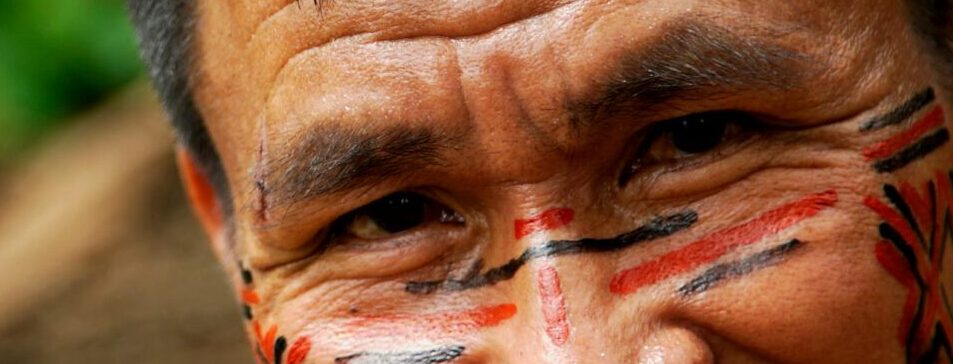
Reflecting on data with depth together
At the outset, reflection dynamics helped participants define their contextual reality via geographical and institutional mapping of the community's internal organisation. Participants corroborated that seeking opportunities to improve daily lives is their responsibility, not just their leader's.
The collective construction of proposals for mitigating and adapting to climate change consequences began with observing the natural environment; participants indicated whether they had perceived or heard about these changes from their parents, grandparents, relatives and friends. They also reflected on whether the periods of rain or drought had occurred more frequently or rarely and how intense such periods occurred in recent years.
Participants were grouped according to the different sectors they belonged to. Then they established, by consensus, what they considered to be the leading environmental problem affecting them and where climate change and its implications remain unaddressed. Issues identified revolved around the inaccessibility of potable water, excessive garbage, contamination of rivers and streams, logging, slash-and-burn farming, deforestation and mining.
We use the integrated relevant criteria methodology (Buroz, 1990). It is based on the idea that environmental impact can be estimated through analysis of the environmental impact assessment criteria, such as its character—whether the impact is positive or negative; its intensity—the impact's severity; its extent—which considers spatial delimitation; its duration—the length of time the impact's effect will last; and its reversibility—the system's capacity to return to original conditions once the activity generating the impact has ceased.
Allow us to share now some significant lessons learned through using this methodology. An example is from the team from the community of Atures municipality. This method helped them see that their biggest problem was waste management; it led to their collective reflection and critical analysis. Eventually, they identified the priority problem: untreated water that reached households, causing gastrointestinal and skin diseases. They then decided to design an intervention project, created work teams, invited water experts, and collaborated with municipal authorities to work together on the identified problem.
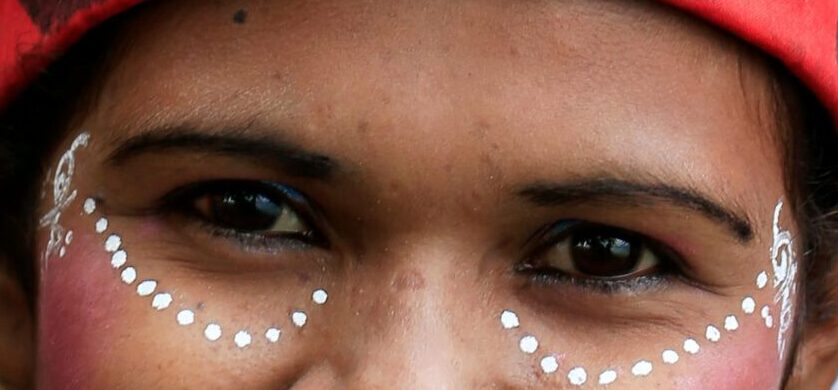
Another example is the Indigenous community of San Miguel de Betania, where the identified problem also pertains to waste disposal. Once they decided to work as a team to analyse the environmental impact assessment criteria, they recognised water non-potability as a significant risk for their households. Untreated wastewater, they realised, was discharged near a water source for human intake. Consequently, they decided to have a sewage treatment system to ensure access to safe drinking water. Also, the team considered addressing waste management. Therefore, they organised themselves into two teams: one led the re-routing of pipes and treatment of deep well water, and the other focused on waste management.
From that moment, participants learned that everything that happens on the planet is interconnected. A new vocabulary emerged; terms such as mitigation, adaptation, vulnerability, risks, and the socio-environmental reality of each community in confronting climate change were established. Participants identified the possible cause or origin of every single local problem and what would happen if its consequences were not addressed, emphasising the need for the community to take leadership in attaining well-being and peace of mind for themselves and future generations.
The benchmark for [their leadership] initiatives was based on how, through community participation, collective solutions can be sought in a coordinated and planned manner to evaluate strengths and weaknesses. They identified direct and indirect actors (community councils, schools, businesses, and churches, among others) while considering the actor's possible interests; they also recognised each actor's influence in generating the desired impact.
They learned that to address climate change impacts, one must consider the communities' vulnerability or susceptibility to suffering damage—which will depend on the intensity and frequency of extreme climate events. Almost all agreed that drought was what they feared most and recognised the need to assess risks or potential damage due to the interconnection between vulnerability and exposure to climate hazards.
Joint action between the State and community stakeholders is vital in facing risks and achieving sustainable lifestyles. Their concerted action is necessary in articulating territorial management, environmental policies, sectoral policies, or climate change mitigation and adaptation plans. However, given the deficient public policies of the state and the systematic violation of communities' human and environmental rights, citizens realised they could no longer wait and would have to take the lead in proposing and implementing mitigation and adaptation measures.
Applying their learning together
Mitigation and adaptation measures were articulated through project development. This involved giving a name or project title, stating its justification and description, providing a schedule or matrix of activities, and formulating a budget with measurable, challenging, achievable, specific objectives and a determined implementation time. It also described the activities, the place where they would be carried out, the beneficiaries, the time and the people responsible for project activities.
They had learned that the primary mitigation measure for climate change impacts should lean towards transitioning to renewable energies to reduce dependence on fossil fuels. However, such was not within their reach as ordinary citizens or communities because these involved significant investments, State decisions and the development of new technologies. Yet, there was a necessary measure they could genuinely provide as a community. This assertion raised the participants' expectations, thereby proposing the protection of forests and planting trees--not just any trees, but fruit trees--as something they could take on.
The participants thus understood climate change adaptation and mitigation purposes in their context: 1) To capture CO2 or greenhouse gas (GHG), whose emission is one of the leading causes of climate change. 2) To provide oxygen for respiration and ensure lives through photosynthesis. 3) To provide shade and cool down the temperature in their communities through the branches and leaves of planted trees. 4) To improve their livelihoods by planting fruit trees and developing community enterprises by selling preserved fruits or sweets.
The community understood the interrelatedness of problems, causes, consequences, and climate mitigation and adaptation measures; they saw drought as an extreme climate event threatening food security in their community and country. Consequently, they reinforced the school gardening programme "Todas las manos a la siembra" ("All hands to sow") in several communities. Also, to help address the prevalent waste problem in all their communities, they replicated the programme in the home backyard or at the community level.
They advocated for recycling non-meat organic matter to make compost or organic fertiliser, a natural nutrient for their vegetable and tree farms. Their advocacy for waste reduction and management also meant the reuse of plastic and glass containers for storing preserved fruits or sweets since these wastes were unfortunately not recycled in the states of the Guayana Region.
Drought, high temperatures, extreme soil moisture due to excessive rain, and the loss of crops were their most prevalent and problematic issues for climate change adaptation. To this end, they were advised to construct windows, doors, and roofs, allowing the wind to enter and circulate. And to plant sturdy crops that withstand significant water stress due either to prolonged drought or excessive soil moisture. Securing technical guidance for growing crops planted on slopes was also essential. Furthermore, some water storage structures using clay material and water purification methods have been developed, among other adaptation measures.

References
Buroz, M. E. (1990). Metodología de criterios relevantes integrados.Caracas, Venezuela: Editorial.Simón Bolívar University.
Francisco, P. (2015). Laudato SI': Encyclical letter of the Supreme Pontiff Francis to bishops, priests and deacons, consecrated persons and all the lay faithful to care for the common home. Lima: Paulinas.
Grupo de Ecología Integral (RCS/ CEPAL) (2022) Marco de Orientación para el estudio y el trabajo en Ecología Integral.Conference of Jesuit Provincials of Latin America and the Caribbean. ECLAC. Casa Leiria Edition. Brazil.
Proyecto Amazonia (2023) The Church in the Amazon. La Repam. (https://linktr.ee/proyectoamazonia.ve?utm_source=linktree_profile_share
Florencia Cordero
María Teresa Sánchez
Andrés Bello Catholic University, Guyana Extension.
Related Posts:
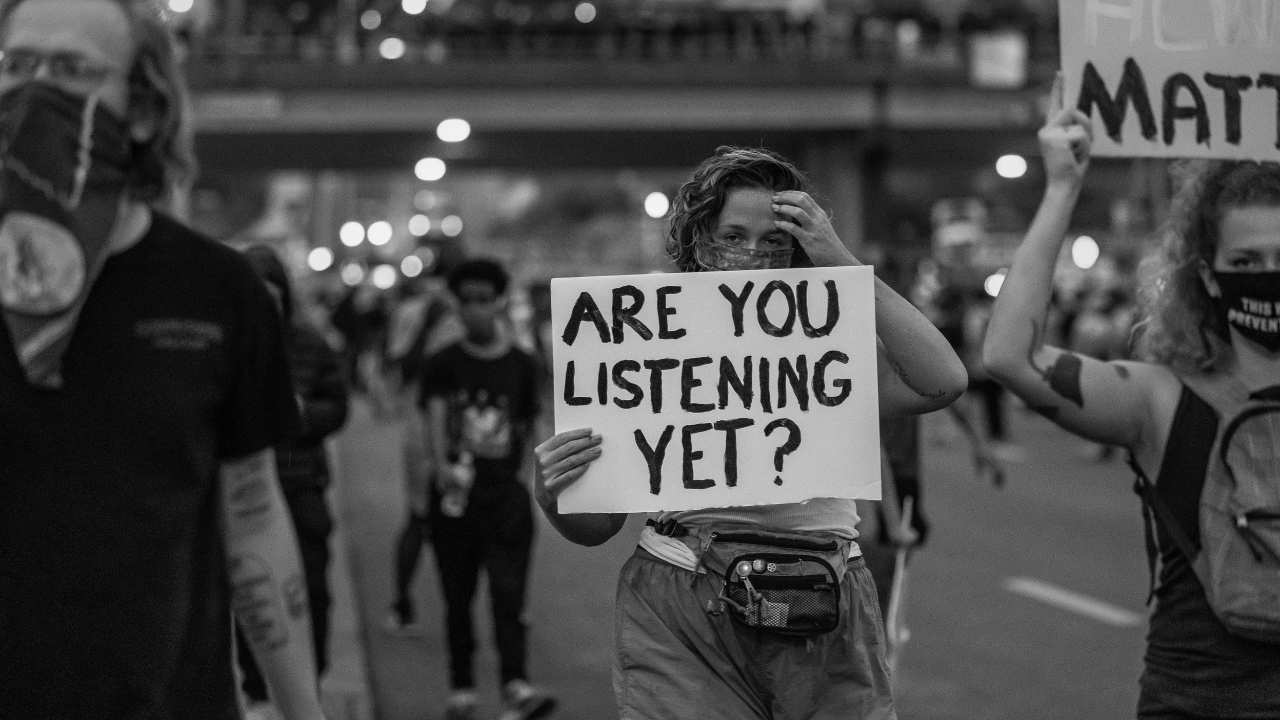
By examining the tensions between democratic institutions, citizen participation, social movements, and the common good, the article opens a path for reflecting on how new forms of power emerge and how societies can respond to them. As AI systems increasingly shape public life and influence collective decision-making, Bado's vision of a more participatory and substantive democracy challenges us to consider how technology can be governed in ways that promote justice, inclusion, accountability, and human dignity. We invite readers to revisit this earlier reflection as a valuable source of inspiration for discerning how democracy may evolve in response to the opportunities and risks posed by AI and for ensuring that technological progress continues to serve people and the common good.

In Magnifica Humanitas, Pope Leo XIV warns that machine intelligence in war ends by “reducing victims to data.” The machine profiling that registers a person for food can also be used to select a person as a target. A small drone circling a road, with no one steering it, can have such a profile as its target. A drone like this is an autonomous weapon system. Once activated, it selects and attacks targets by itself, matching what its sensors detect to a programmed target profile. No human being decides, at the moment of the strike, that this particular person will die or is the right target. The case most often cited as the first use of such a weapon against people, reported by UN experts, was in Africa, in Libya in 2020.
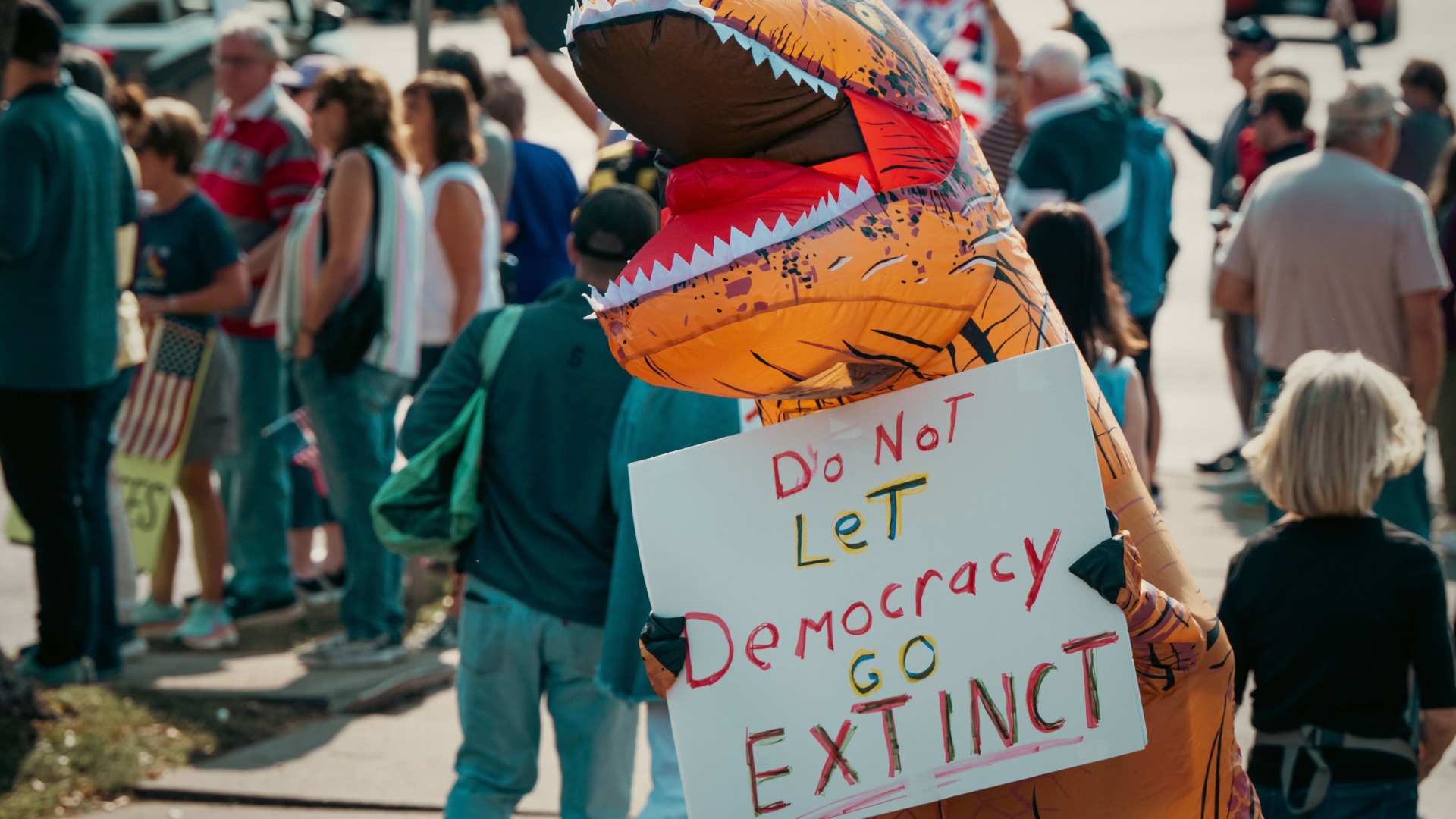
Democracy, which has historically proven most effective in meeting these criteria, cannot be taken for granted. In our AI era, citizens should press for more than multiparty elections and the protection of basic freedoms; that institutional core is not enough. We must carefully regulate and channel powerful technologies with the capacity to divide us from one another and short-circuit social and political participation. That means maintaining spaces in civil society where human contact and social friendship can flourish without the mediation of machines, beginning with the educational systems through which all citizens pass. It means fighting deepfakes and disinformation in the public sphere, so that citizens still operate in a world of facts and evidence and political representation has a strong basis.
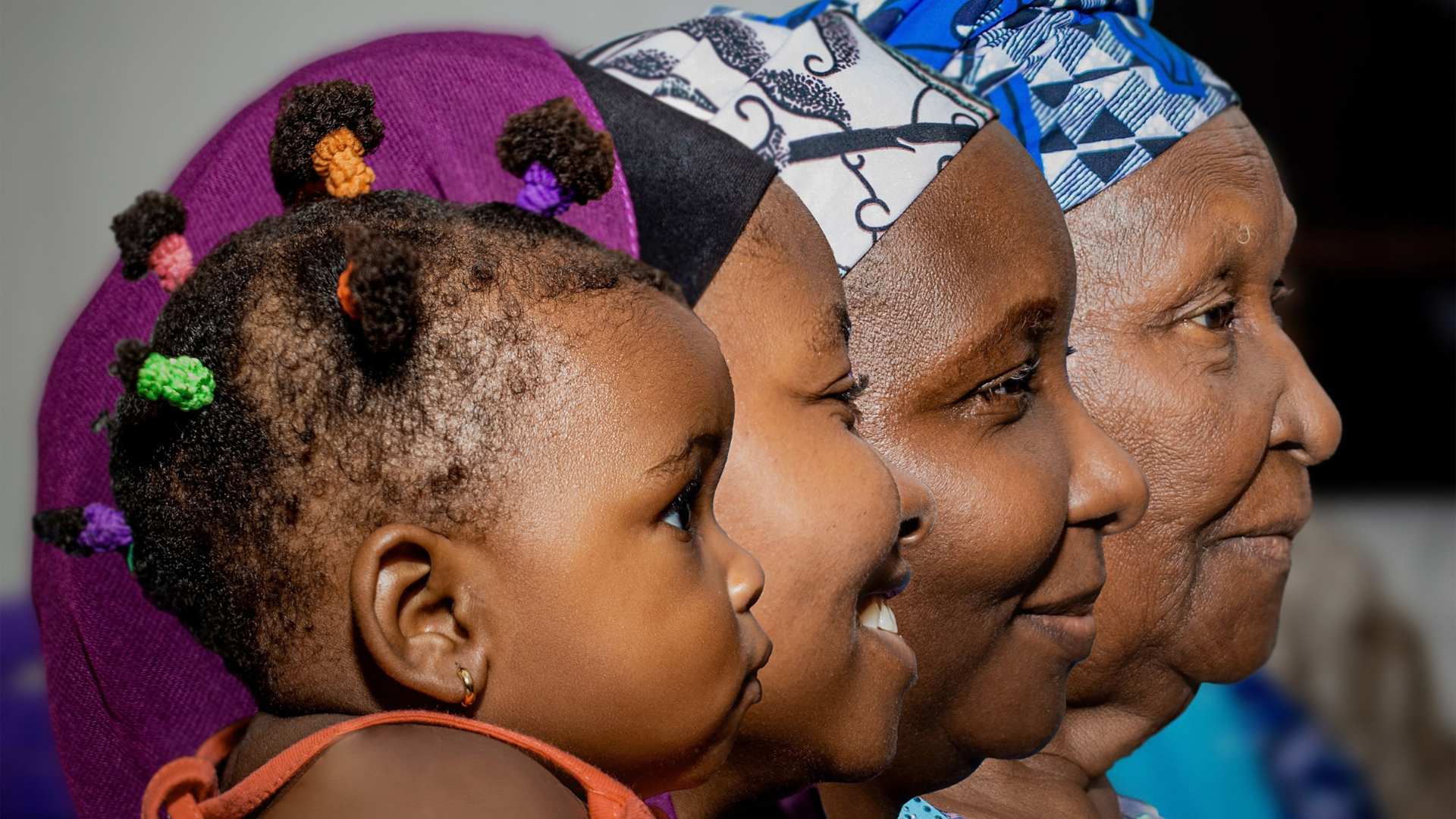
Artificial intelligence (AI) is increasingly entering public life in Ghana, including through digital systems used for identification, verification and service delivery. The ethical question is therefore not simply what AI can do, but what happens to people when digital systems become gateways through which citizenship, mobility or access to services are recognised. In northern Ghana, especially in border communities, this is a concrete question. I was privilege to visit Pusiga community in November 2025 with a Jesuit friend of my mine who is originally from the community. Thus, the topic for this article resonates very well with me.
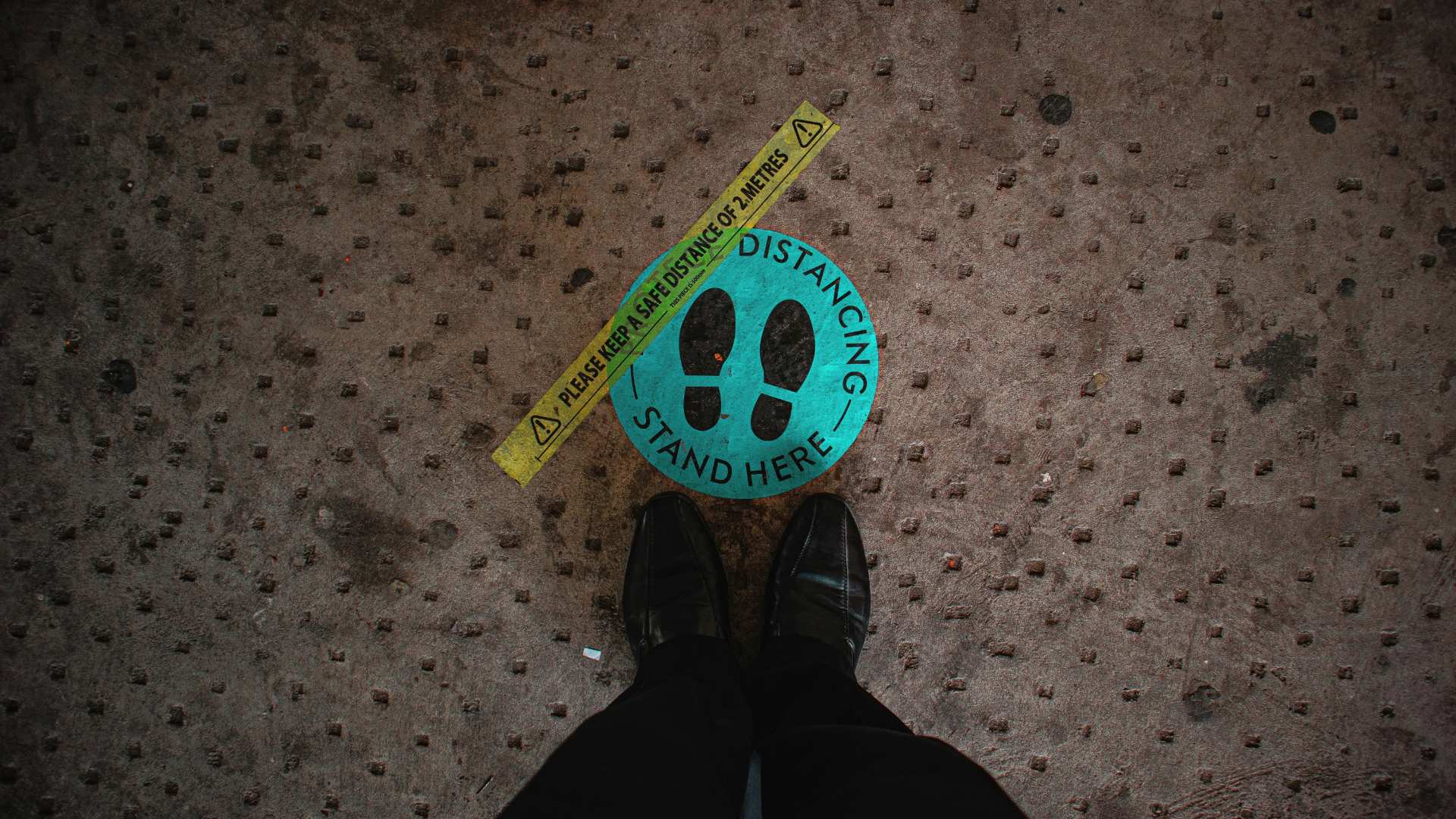
The article ‘Pandemic and Authoritarianism’, by Germán Rosa, SJ, was written in the midst of the COVID-19 crisis, but its insights extend beyond that context. The pandemic appears to reveal and accelerate political trends that were already present: the concentration of power, the weakening of democratic checks and balances, and the acceptance of extraordinary restrictions in the name of collective security. Rosa’s main concern is that fear may lead citizens to silently surrender their freedoms and rights, and that measures which were initially intended to be temporary become normalized and endure. Furthermore, in societies riven by inequality, control is never distributed neutrally: it falls most heavily on the impoverished, marginalized groups, migrants, dissidents and those who defend rights and territories.
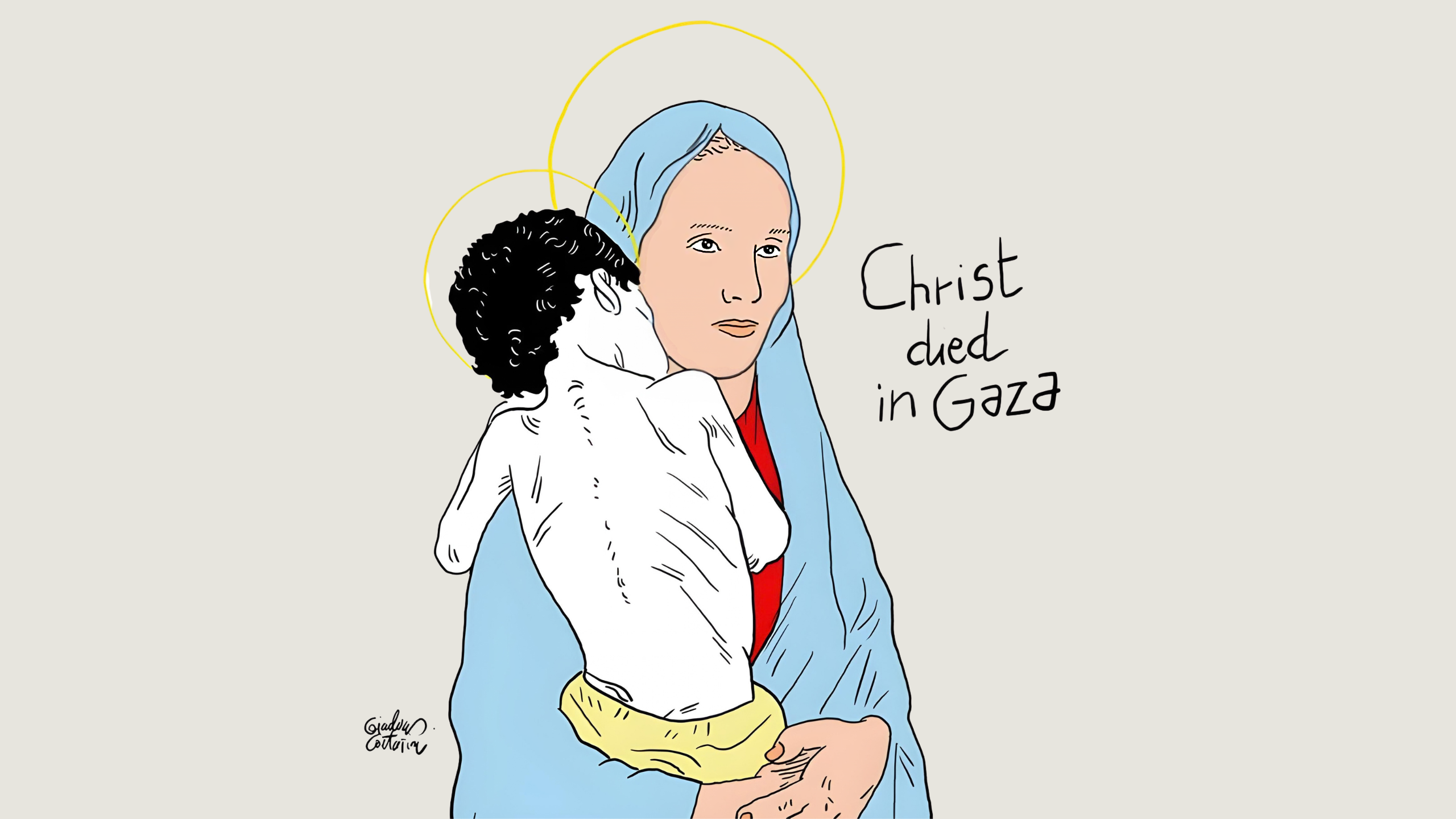
Speaking of dead children is uncomfortable. Yet it can also be healing. As I listened to the stories shared that day, I found myself returning to memories I may at times shy away from remembering. Iremember finding my sister’slifeless body in bed one Saturday morning. Ihad cometo carry her out with me to watch cartoons.As I listened tothe story of Hind Rajab, a 5-year-old girl who had been trapped inside a car attacked by Israeli forces,the memory of a little boy reaching out to touch his sister came back. The young girlhadmanaged to call the Red Crescent for help but hours later she and the paramedics who had come toassisther were all found dead. The chilling story reminded me of the shocking cold that struck my hand as I gently touched my sister’s arm in a futile attempt to wake her up.


