Stories matter
"In the Church, especially in its most complex and vital areas, at the crossroads of ideologies and the social trenches, the Jesuits were, and remain to be, steadfast in confronting humanity's burning needs and proclaiming the Gospel's perennial message"(Paul VI).
This sentence has always impressed and fascinated me since I first heard it. And I believe now -- albeit in a small way -- I have a concrete and direct experience of it. I have the great opportunity and good fortune to experience one of my formation stages at the Centro Astalli,the Italian branch of the Jesuit Refugee Service (JRS). I believe Centro Astalli rightly represents one of the "most difficult and leading fields", one of the "social trenches", where precisely that confrontation between "the burning needs of man" and "the perennial message of the Gospel" is lived.
Centro Astalli was born in 1981, a year after then-Father General Superior of the Society of Jesus, Pedro Arrupe, launched an appeal. Struck and stunned by the suffering of thousands of Vietnamese "boat people" fleeing war, he asked Jesuits worldwide to "bring some relief to such a tragic situation", thus giving birth to JRS. Since then, Centro Astalli has been accompanying, serving and advocating for refugees through a range of services, which have expanded and diversified over time, from initial reception needs to facilitating integration and insertion into society, awareness-raising, and advocacy.
The canteen was the first service established in Via degli Astalli, a stone's throw from Piazza Venezia, in the beating heart of central Rome. If you pass by that street at lunchtime, you come across a large crowd of people (by the way, very diverse!) who queue for a hot meal each day. I often wondered if the countless tourists who cross that street daily have ever been shocked by the long line of people. Or if the tourists have ever bothered to ask about the life stories of people queueing for a hot meal in one of Rome's central streets.
At the beginning of this experience, I must confess that it was not easy to see among those lined up the human beings with stories to tell, with dreams and aspirations, with the desire to start living a 'normal' life again, and with friends and relatives left behind who knows where in the world.
While listening to their stories--stories of boys, girls, men, women, of people, like me (a writer) and like you (reader)-- I was reawakened to their humanity. Listening allowed me to mistrust them no longer and not keep them at a distance. I overcame the borders physically drawn on maps and perversely carried within us, preventing genuine encounters. Borders sometimes make us consign others into marginal space--physical and mental--so that our conscience may not be disturbed.
Hannah Arendt, in "We Refugees", speaks of a middle-aged man whom "no one wanted to treat as a human being endowed with his dignity" and writes: "I soon learned that in this mad world, it is easier to be accepted as a 'great man' than as a human being. I am increasingly convinced that this unhealthy trend can be reversed by creating spaces and moments of direct encounters with refugees and listening to their stories - as is promoted and facilitated by the project in schools "Windows - stories of refugees". But unfortunately, stories seem to be of little interest lately, especially when we hear so much about the numbers of refugees and migrants, decrees, and emergencies but never about their personal stories.
Indeed, they are stories that are anything but easy to listen to. They are full of hardship, pain, and extreme suffering, yet at the same time, in a truly inexplicable way, they can convey life and unprecedented hope. Stories of resurrection, in which death and life are linked in a mysterious paradox. Despite and after all they have suffered and gone through, seeing their ability to get back on their feet, not give up, and start a new life is what gives me hope in the possibility of a better world. Seeing their faces light up a smile makes my heart vibrate, energises me, and frees me from the misery and sense of helplessness that sometimes takes hold of me when I think of wars, hunger, natural disasters, and the injustices in the world.
Stories matter. Their stories affect us. Their stories save us.
Let us listen to them!
Lorenzo Zura, Jesuit scholastic
Related Posts:
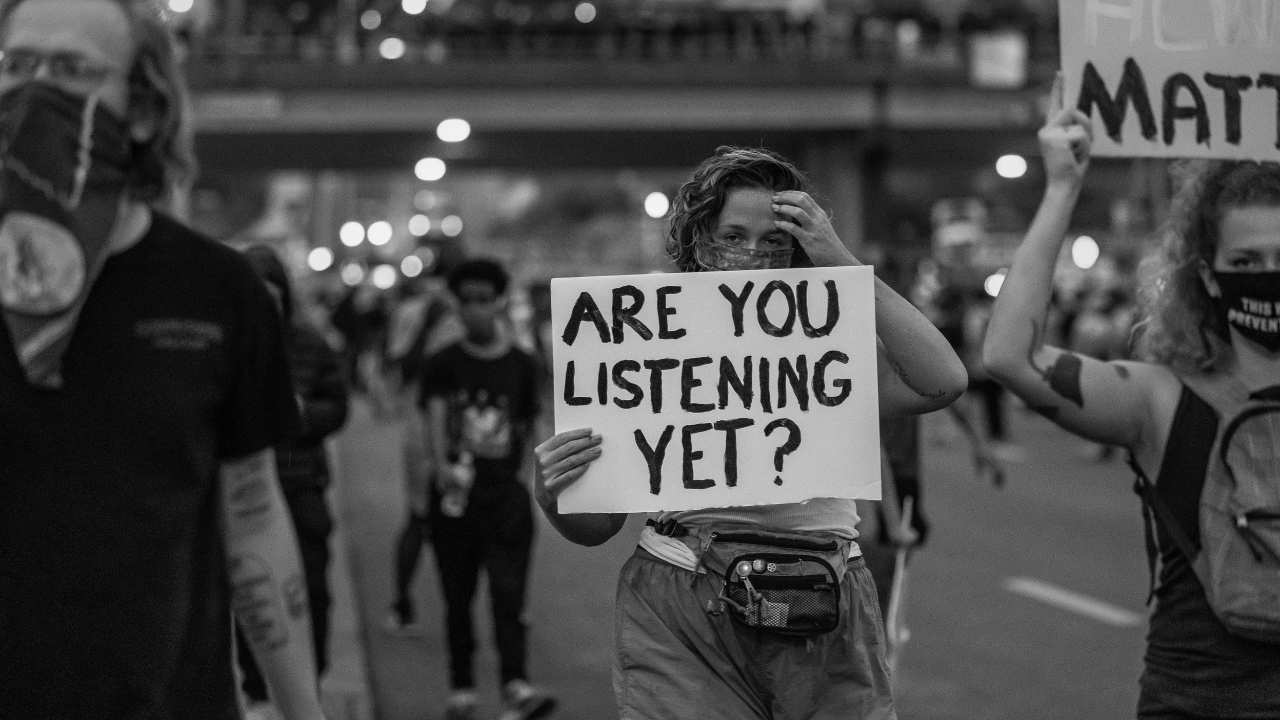
By examining the tensions between democratic institutions, citizen participation, social movements, and the common good, the article opens a path for reflecting on how new forms of power emerge and how societies can respond to them. As AI systems increasingly shape public life and influence collective decision-making, Bado's vision of a more participatory and substantive democracy challenges us to consider how technology can be governed in ways that promote justice, inclusion, accountability, and human dignity. We invite readers to revisit this earlier reflection as a valuable source of inspiration for discerning how democracy may evolve in response to the opportunities and risks posed by AI and for ensuring that technological progress continues to serve people and the common good.
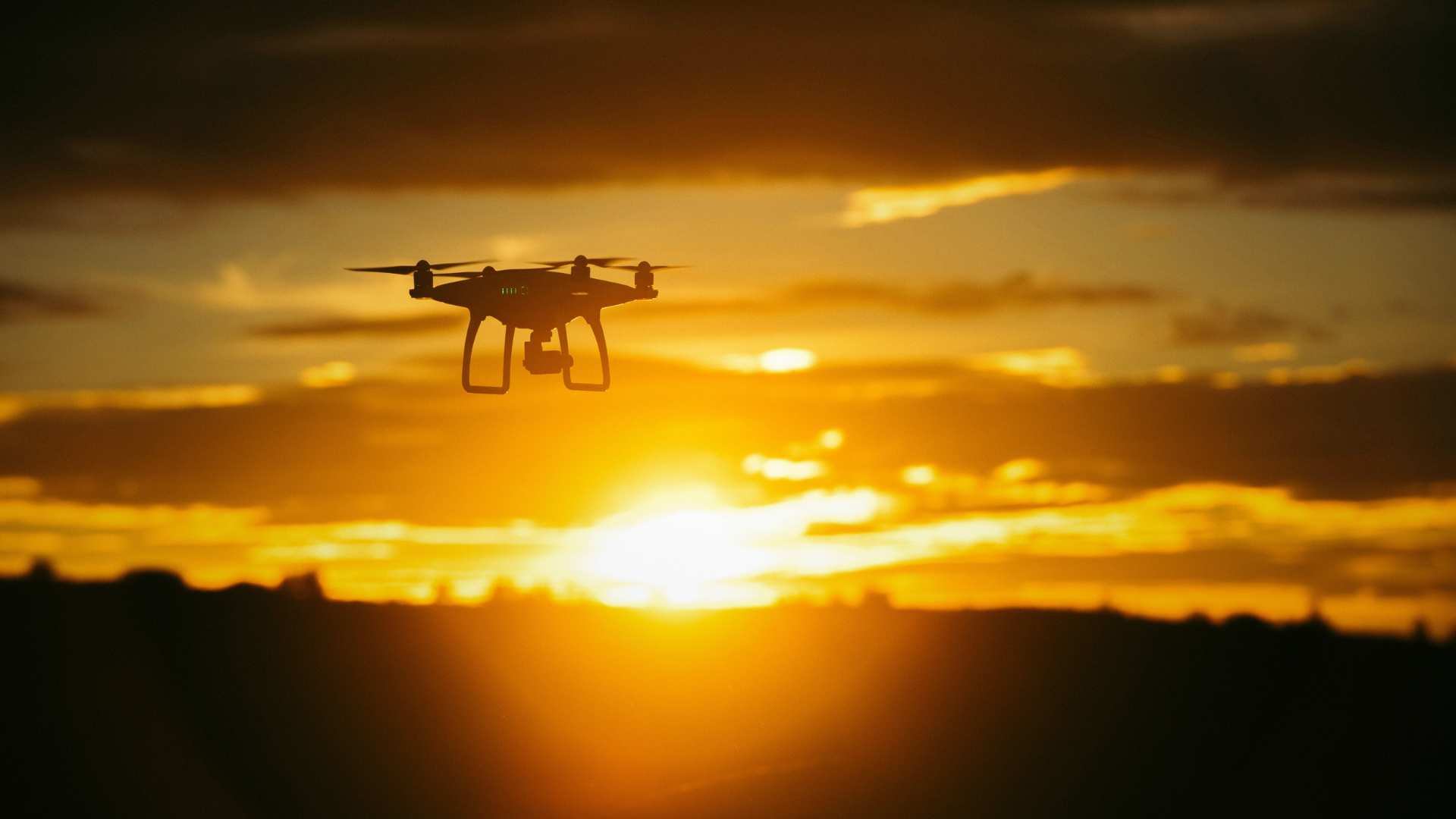
In Magnifica Humanitas, Pope Leo XIV warns that machine intelligence in war ends by “reducing victims to data.” The machine profiling that registers a person for food can also be used to select a person as a target. A small drone circling a road, with no one steering it, can have such a profile as its target. A drone like this is an autonomous weapon system. Once activated, it selects and attacks targets by itself, matching what its sensors detect to a programmed target profile. No human being decides, at the moment of the strike, that this particular person will die or is the right target. The case most often cited as the first use of such a weapon against people, reported by UN experts, was in Africa, in Libya in 2020.
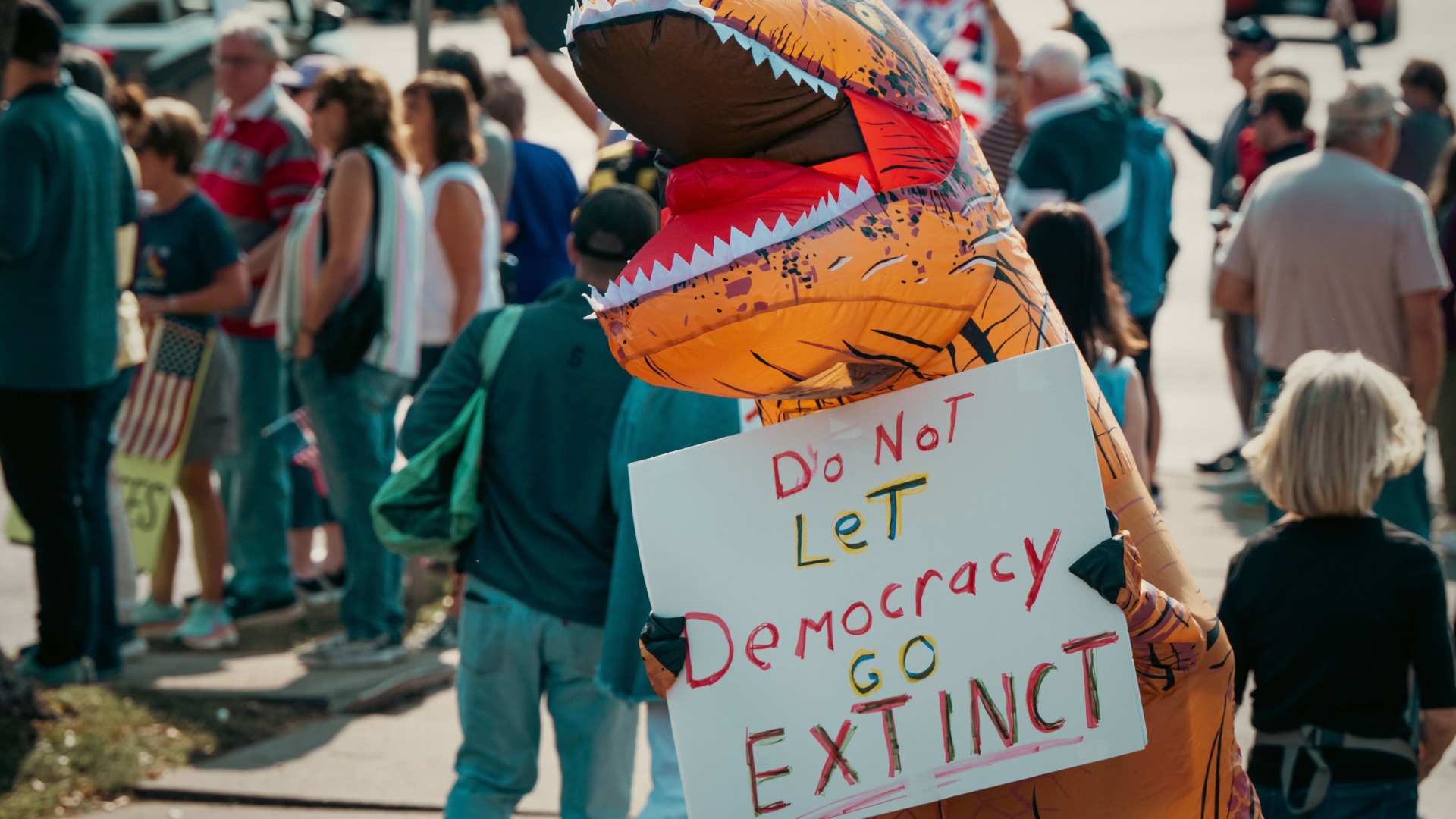
Democracy, which has historically proven most effective in meeting these criteria, cannot be taken for granted. In our AI era, citizens should press for more than multiparty elections and the protection of basic freedoms; that institutional core is not enough. We must carefully regulate and channel powerful technologies with the capacity to divide us from one another and short-circuit social and political participation. That means maintaining spaces in civil society where human contact and social friendship can flourish without the mediation of machines, beginning with the educational systems through which all citizens pass. It means fighting deepfakes and disinformation in the public sphere, so that citizens still operate in a world of facts and evidence and political representation has a strong basis.
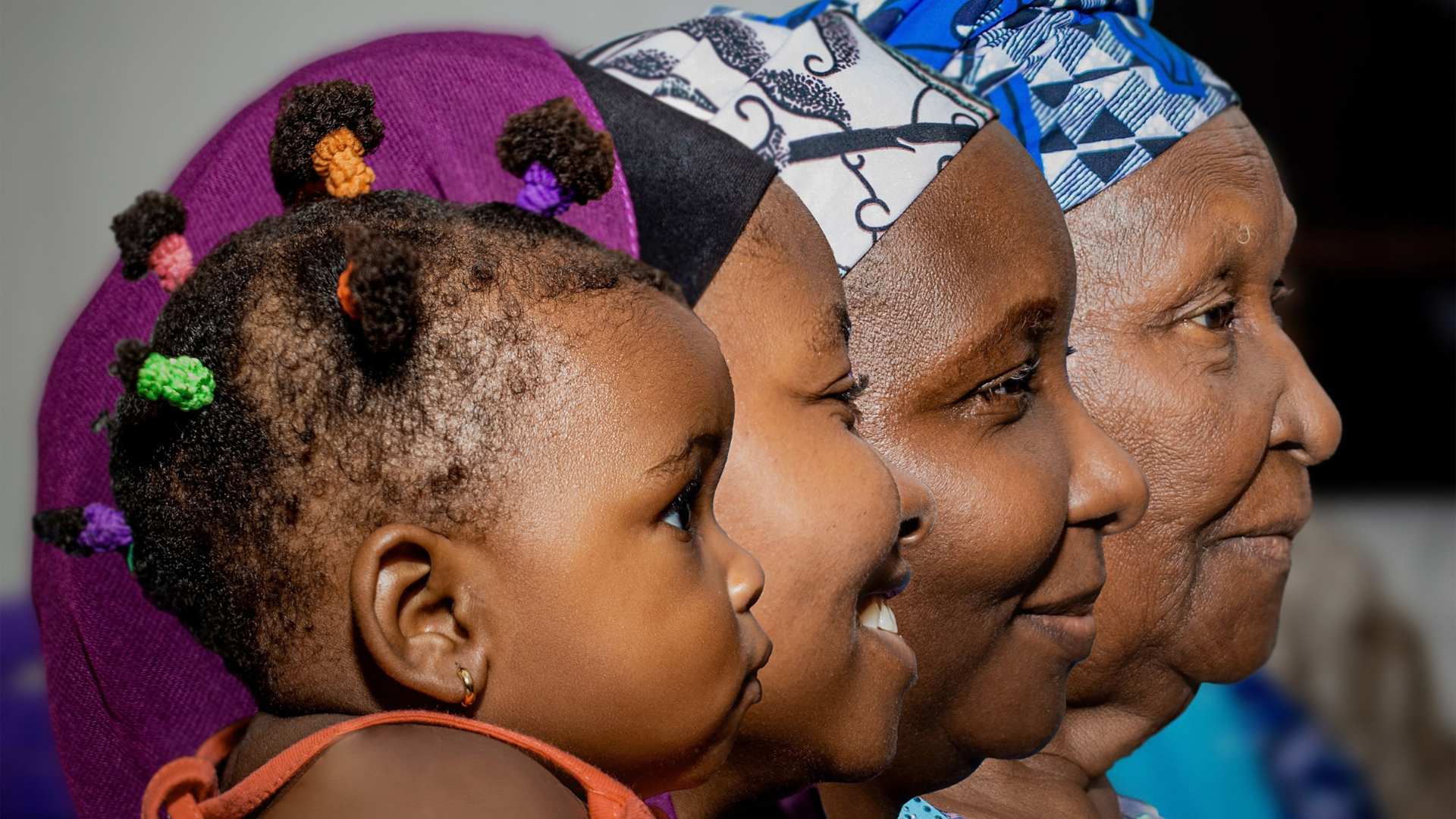
Artificial intelligence (AI) is increasingly entering public life in Ghana, including through digital systems used for identification, verification and service delivery. The ethical question is therefore not simply what AI can do, but what happens to people when digital systems become gateways through which citizenship, mobility or access to services are recognised. In northern Ghana, especially in border communities, this is a concrete question. I was privilege to visit Pusiga community in November 2025 with a Jesuit friend of my mine who is originally from the community. Thus, the topic for this article resonates very well with me.
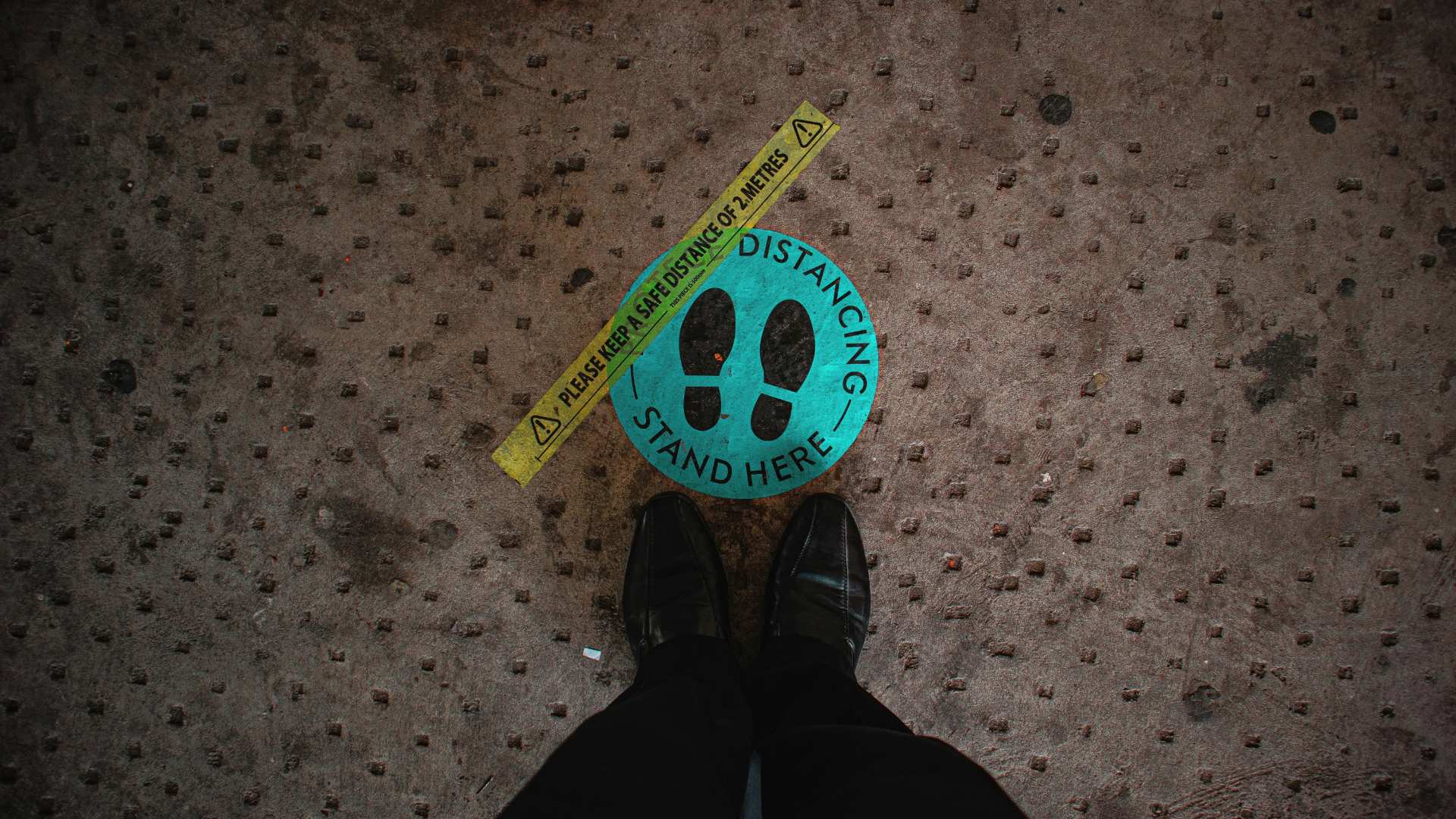
The article ‘Pandemic and Authoritarianism’, by Germán Rosa, SJ, was written in the midst of the COVID-19 crisis, but its insights extend beyond that context. The pandemic appears to reveal and accelerate political trends that were already present: the concentration of power, the weakening of democratic checks and balances, and the acceptance of extraordinary restrictions in the name of collective security. Rosa’s main concern is that fear may lead citizens to silently surrender their freedoms and rights, and that measures which were initially intended to be temporary become normalized and endure. Furthermore, in societies riven by inequality, control is never distributed neutrally: it falls most heavily on the impoverished, marginalized groups, migrants, dissidents and those who defend rights and territories.
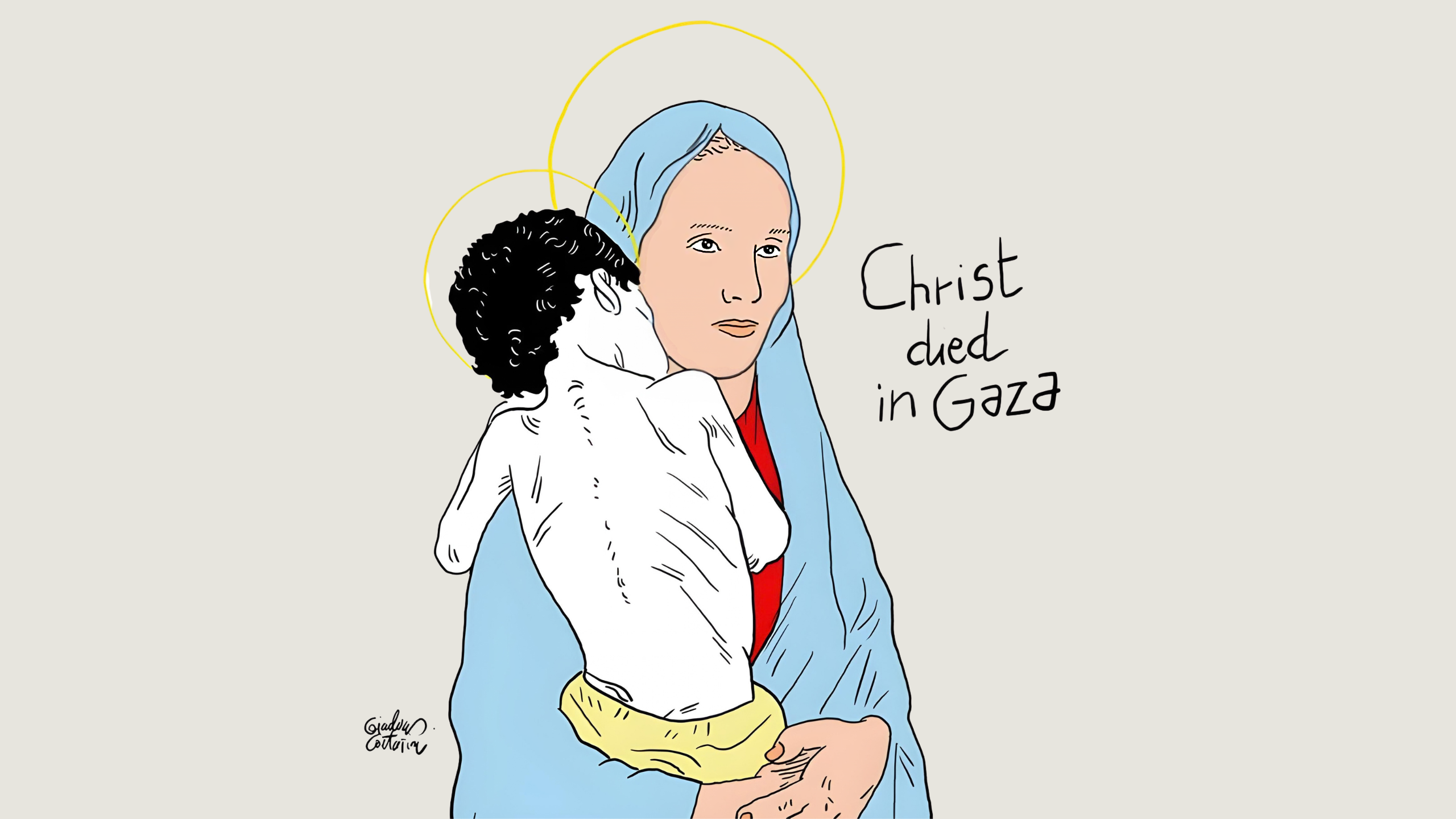
Speaking of dead children is uncomfortable. Yet it can also be healing. As I listened to the stories shared that day, I found myself returning to memories I may at times shy away from remembering. Iremember finding my sister’slifeless body in bed one Saturday morning. Ihad cometo carry her out with me to watch cartoons.As I listened tothe story of Hind Rajab, a 5-year-old girl who had been trapped inside a car attacked by Israeli forces,the memory of a little boy reaching out to touch his sister came back. The young girlhadmanaged to call the Red Crescent for help but hours later she and the paramedics who had come toassisther were all found dead. The chilling story reminded me of the shocking cold that struck my hand as I gently touched my sister’s arm in a futile attempt to wake her up.


