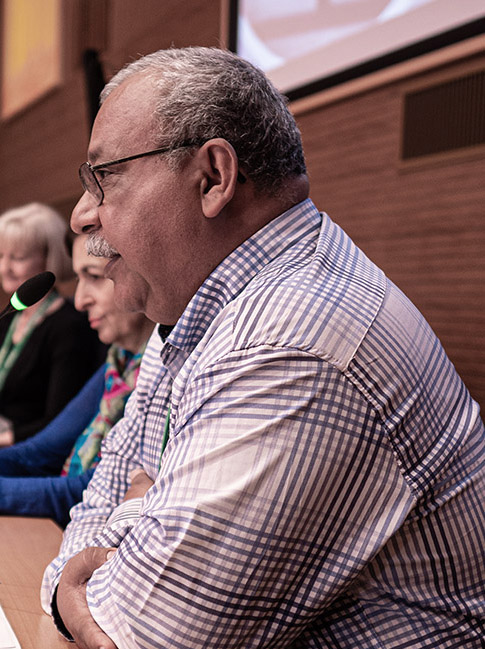
Any reference I make to my life as a Jesuit these past 42 years inevitably refers to the mission of faith and justice, and to friendship with Jesuits in my province
Read More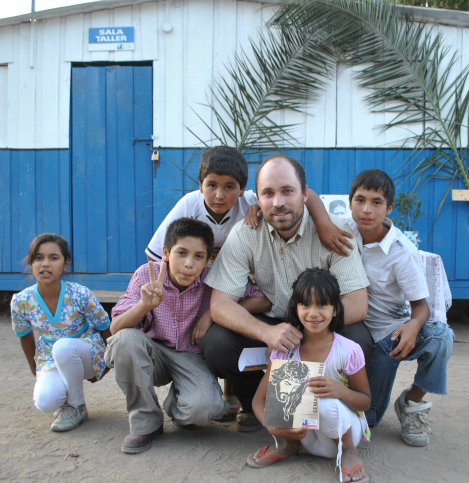
I am from Chile, and in recent times I have been overjoyed to discover in a number of places the existence of a non-traditional export: the figure of Father Hurtado, Saint Alberto Hurtado.
Read More
In July 1988 I was ordained a priest in Andahuaylillas, one of the 7 rural indigenous (Quechua) parishes entrusted to the Society of Jesus in the province of Quispicanchi, Cusco.
Read More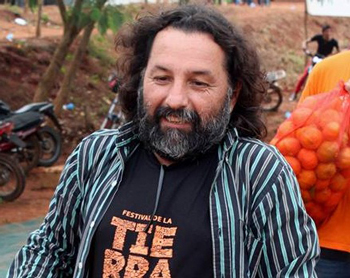
Galo Reinaldo Bogarín Alen, 52, an architect by profession, is the current director of the Centre of Paraguayan Studies Antonio Guasch (CEPAG) in Paraguay.
Read More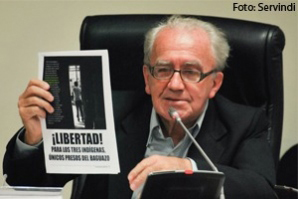
I am a Spanish Jesuit, 82 years of age, the last 22 of which I have spent in the Peruvian rainforest. I write fromthe parish of Chiriaco, in the province of Bagua in the Amazonas region, where I was sent inthe year 2009.
Read More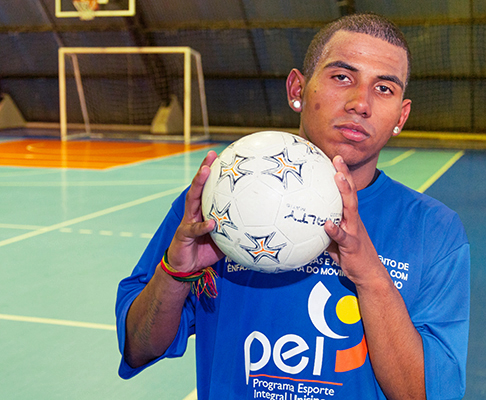
The Integral Sport Program –PEI(ProgramaEsporteIntegral) isone ofthe social projects of theCitizenship and Social ActionJesuit Network.Itisaprogram locatedatUniversidade do ValedoRiodosSinos–UNISINOS,a JesuitUniversityinsouthofBrazil.
Read More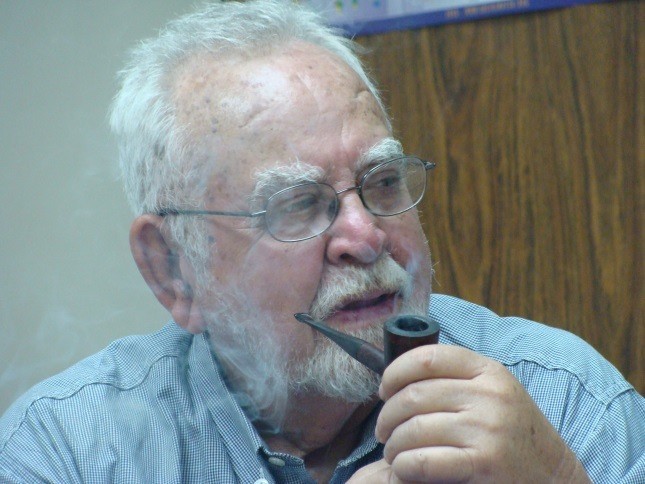
Father José Ignacio Arrieta is presently living in the province infirmary of the Jesuits of Venezuela. Now 81 years old, he recalls for us the process by which the social sector took shape in Venezuela around the work of Centro Gumilla:
Read More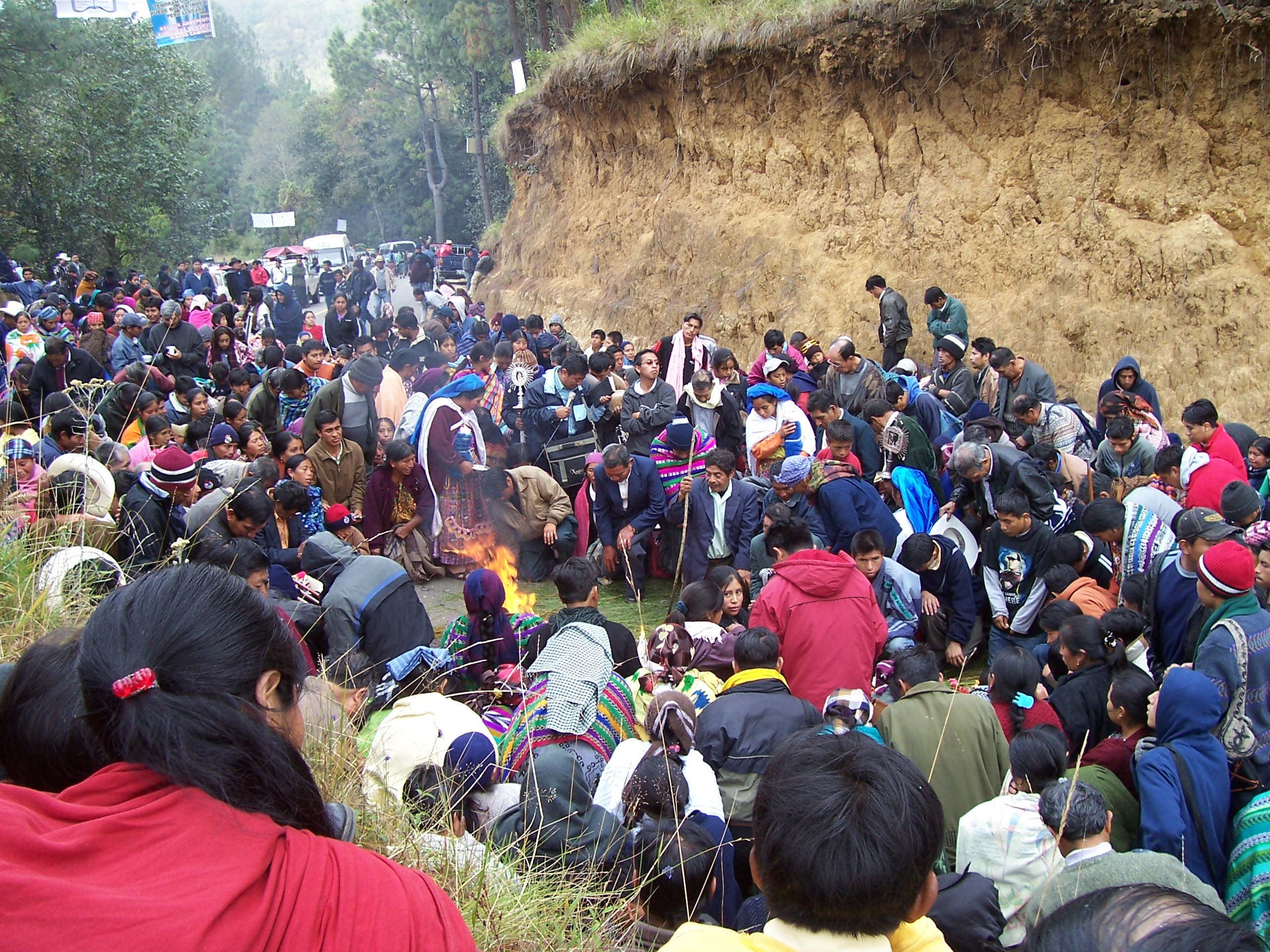
Prayer at the Summit takes place 13 kilometers from Santa María Chiquimula, on Guatemala’s high plateau. It is a sign that it is still possible to keep hope alive for peace in Guatemala.
Read More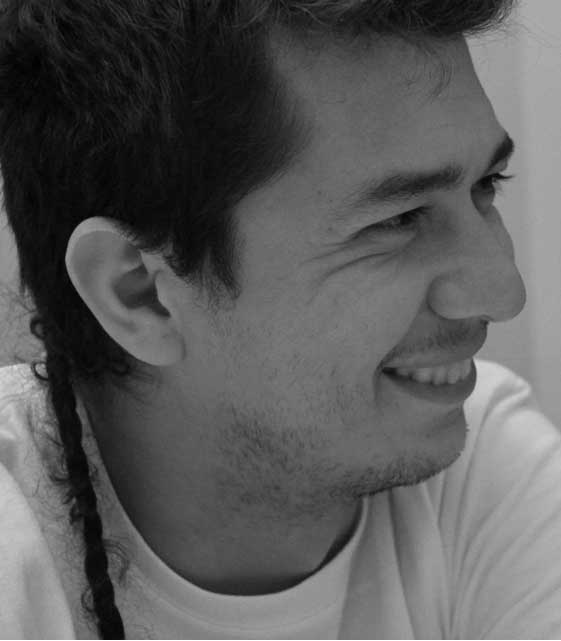
From the moment I was assigned to study theology in Brazil, I knew that it was going to be a challenge: a new culture, a new language, a new way of being Jesuit. And I wasn’t wrong. The first months were difficult and unsettling.
Read More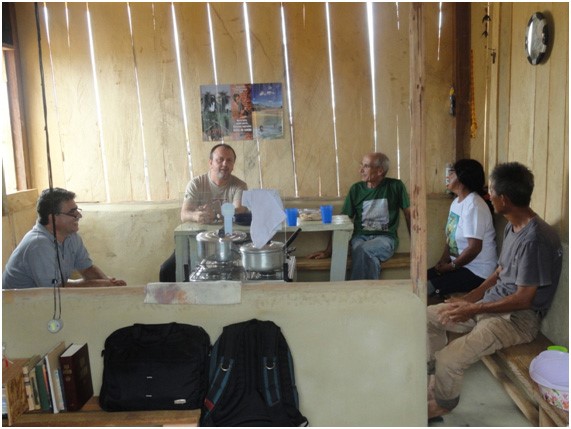
Bonfim is a small city in the state of Roraima, Brazil, near the border with Guyana. A group of Jesuits has been living there five years now, learning to work with the poor. Of the city's 15,000 inhabitants half are indigenous, mostly Wapixana and to a lesser extent Macuxi.
Read More