
Our Common Home, Our Common Responsibility
Daniel Mwamba Mutale SJ
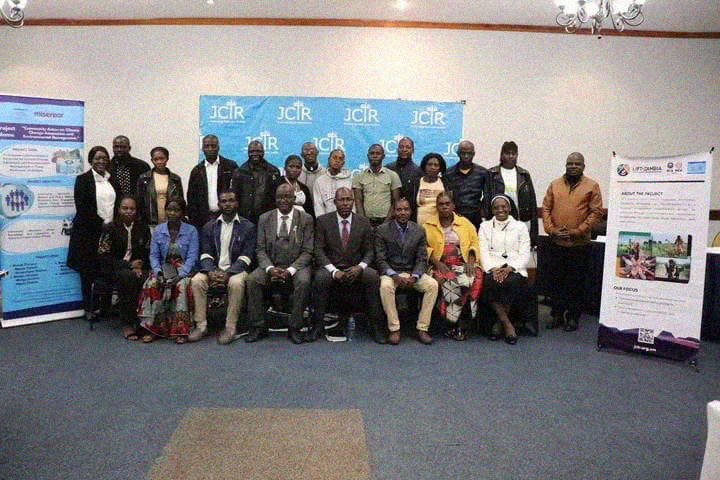
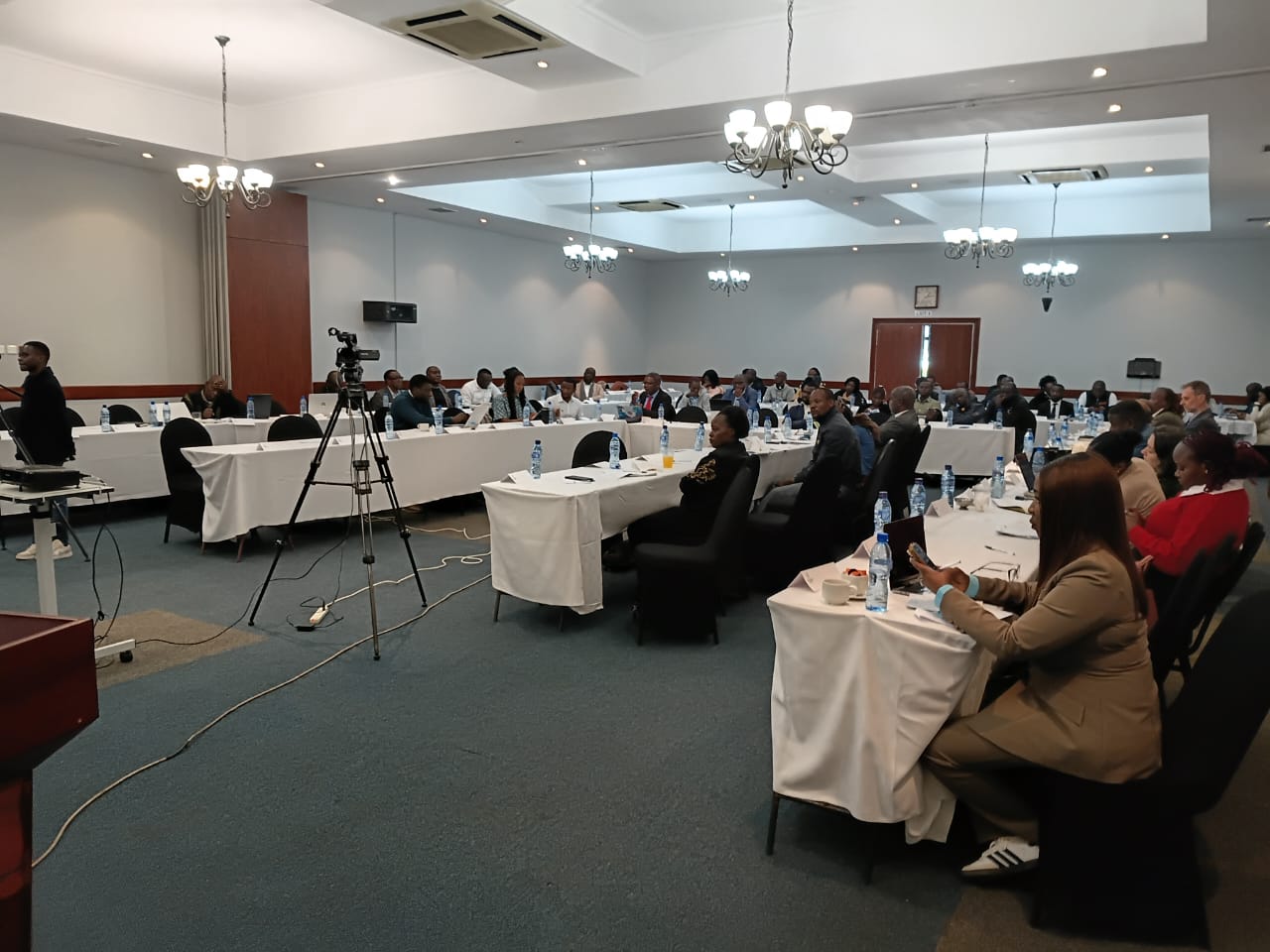
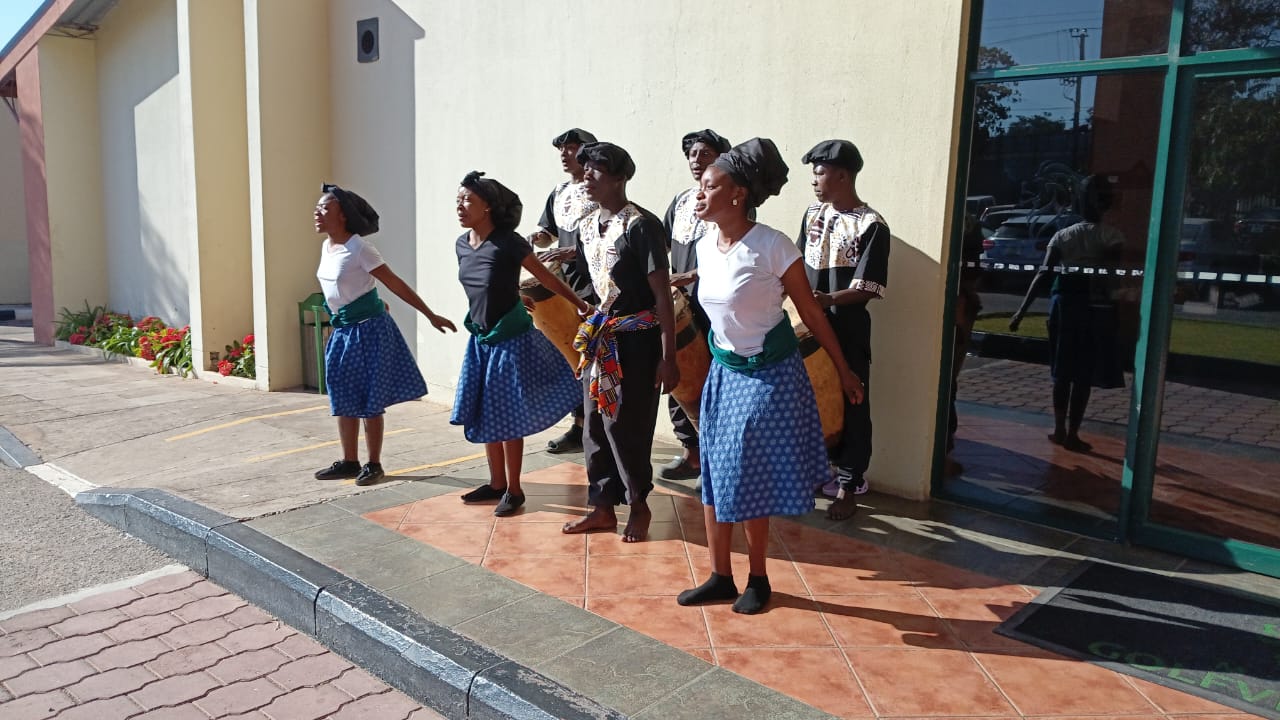
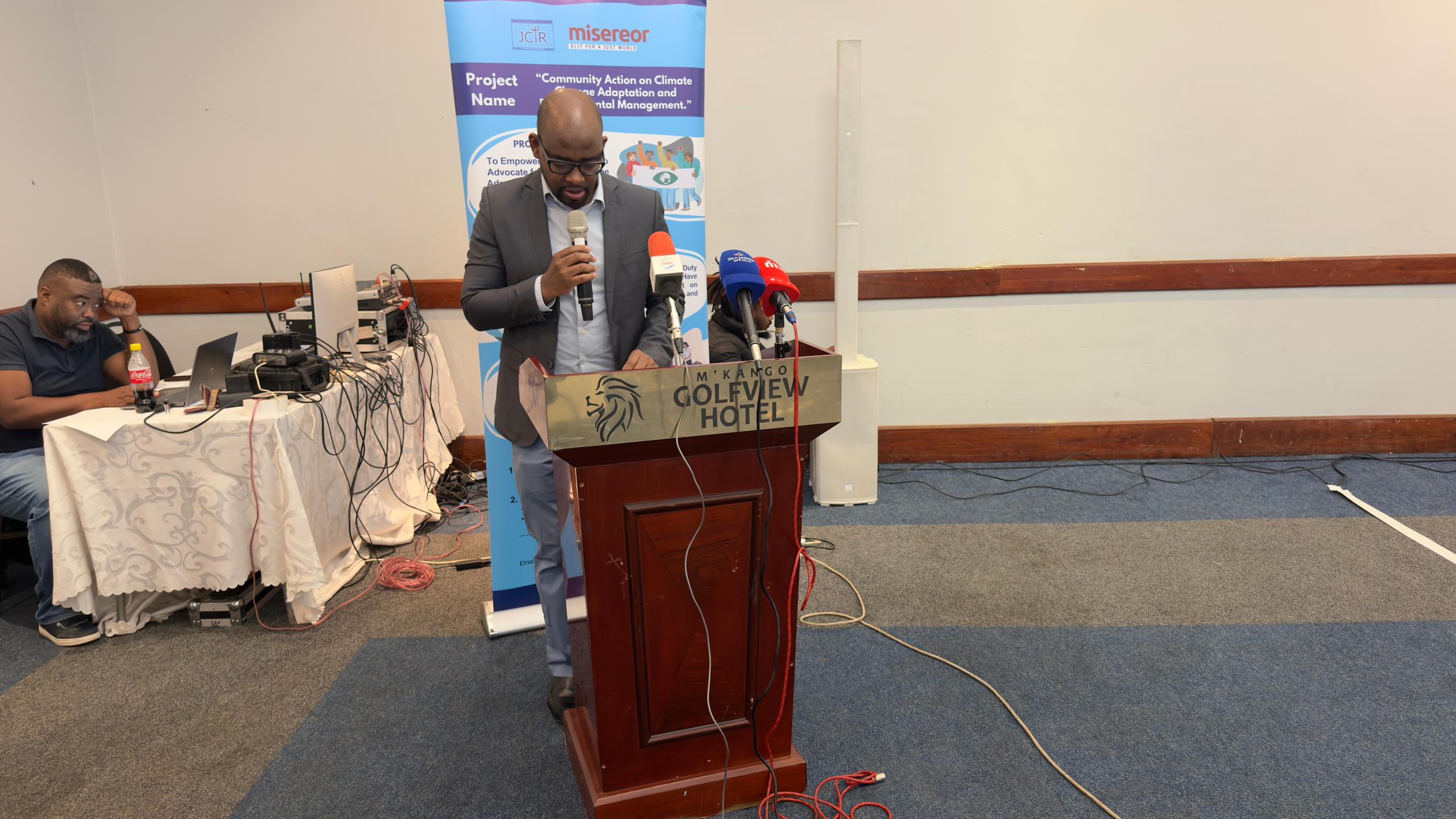
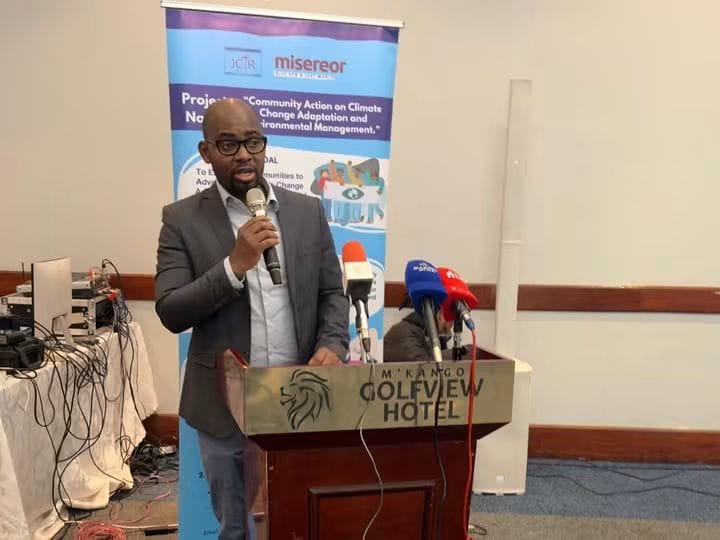
The Second National Summit on Climate Change Adaptation and Environmental Management was convened by the Jesuit Centre for Theological Reflection (JCTR) in Lusaka on 24 June 2026 under the theme: “Strengthening Community Resilience Through Inclusive Climate Change Adaptation and Sustainable Environmental Management in Zambia.” The summit reaffirmed that climate change is not only an environmental crisis but also a profound social justice challenge. Throughout the discussions, participants recognised that the communities contributing least to climate change are often those bearing its heaviest burdens. Small-scale farmers, women, young people, and low-income households continue to face the devastating consequences of droughts, floods, erratic rainfall, and environmental degradation, threatening their livelihoods, food security, and dignity. The summit therefore reinforced the conviction that climate justice begins with protecting the most vulnerable and ensuring that their voices shape national responses.
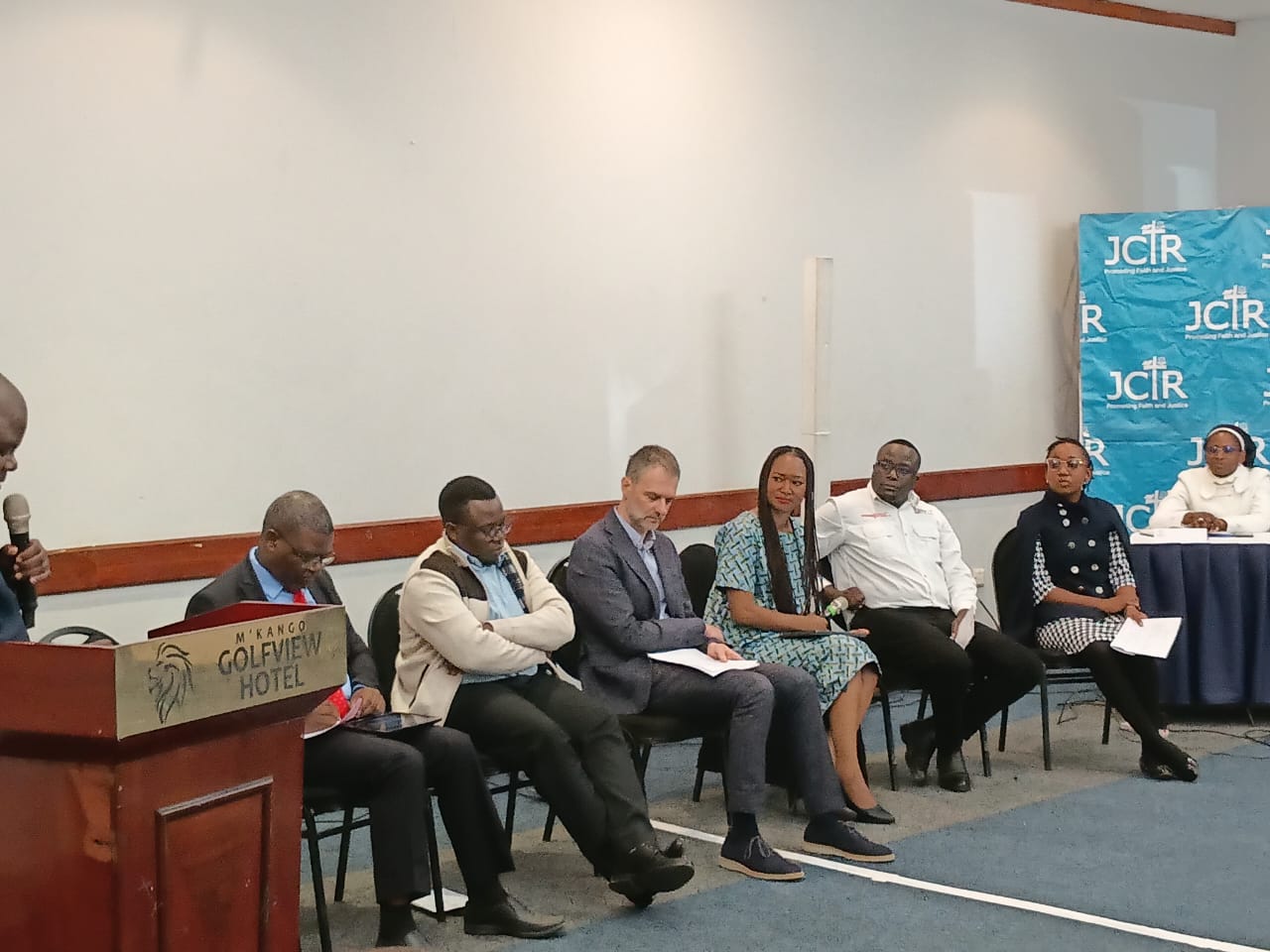
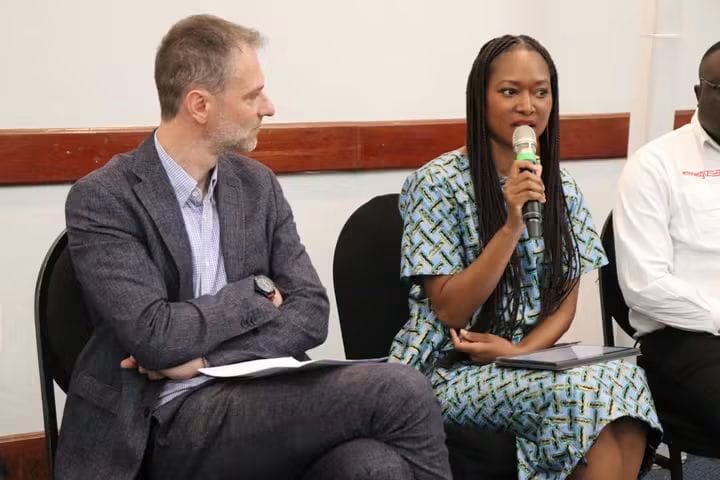
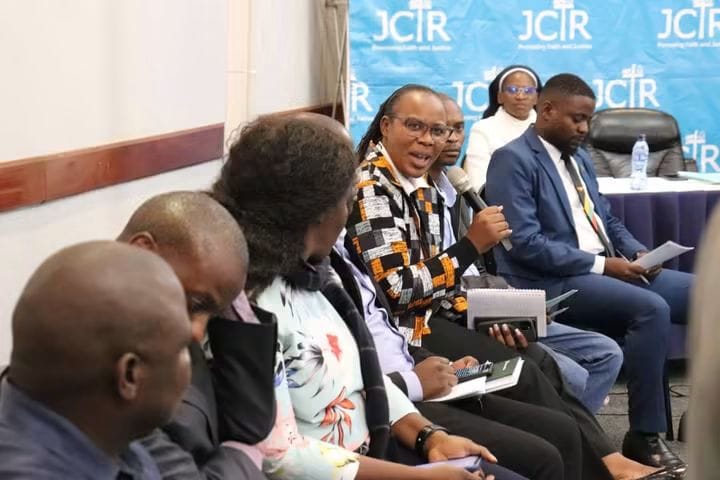
A key reflection emerging from the summit was the inseparable relationship between care for the environment and care for the poor. Environmental degradation deepens poverty by reducing access to productive land, clean water, forests, and other natural resources on which many communities depend. For this reason, climate adaptation cannot be pursued solely through technical interventions; it must be rooted in the promotion of human dignity. The panel discussions highlighted the importance of strengthening community resilience through sustainable land management, agroecological practices, inclusive governance, and climate financing that reaches those most affected. Such approaches recognise that environmental stewardship and social justice are mutually reinforcing rather than competing priorities.
The summit also demonstrated the value of bringing together civil society, traditional leaders, researchers, faith-based organisations, development partners, youth, women, and community representatives to develop practical and evidence-based solutions. The commitment to institutionalise the summit as an annual national platform reflects a shared determination to sustain dialogue, strengthen accountability, and advance coordinated climate action. Above all, the gathering served as a reminder that the pursuit of environmental and climate justice is fundamentally about safeguarding the wellbeing of people, especially the poor and marginalised, while protecting our common home for present and future generations.
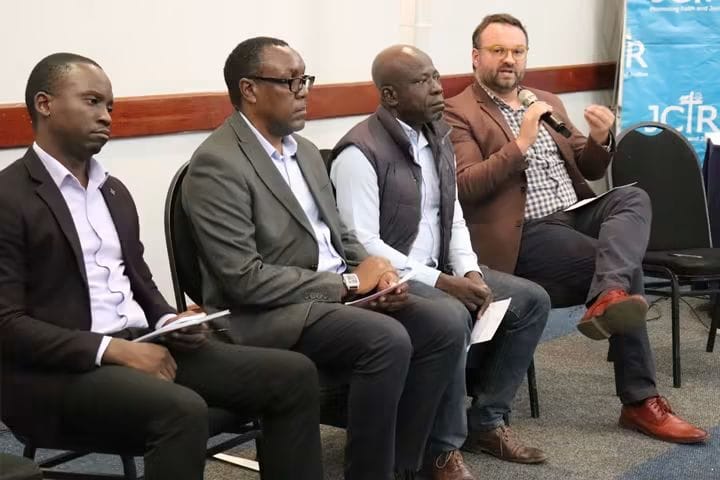
Daniel Mwamba Mutale SJ is the Executive Director of the Jesuit Centre for Theological Reflection (JCTR), a faith-based think-tank based in Lusaka, Zambia. Mutale is part of the Global Ignatian Advocacy Network as coordinator of the Agroecology and Food Systems Thematic Working Group to provide leadership for networks, amplify voices from the margins, and promote sustainable, faith-driven responses to the ecological crisis which threaten food systems and security.
Related Posts:

Every political community arises, to some extent, from a promise of protection. But that promise cannot be understood in a narrow or reductionist way. Protection does not mean only defending against danger, containing threats, or neutralizing risks. It also means upholding the conditions that make a truly human life possible: belonging, recognition, education, work, health, participation, relationships, and rights. A society does not protect only when it prevents someone from being attacked; it also protects when it prevents someone from being abandoned, rendered invisible, or excluded from the community to which they belong.
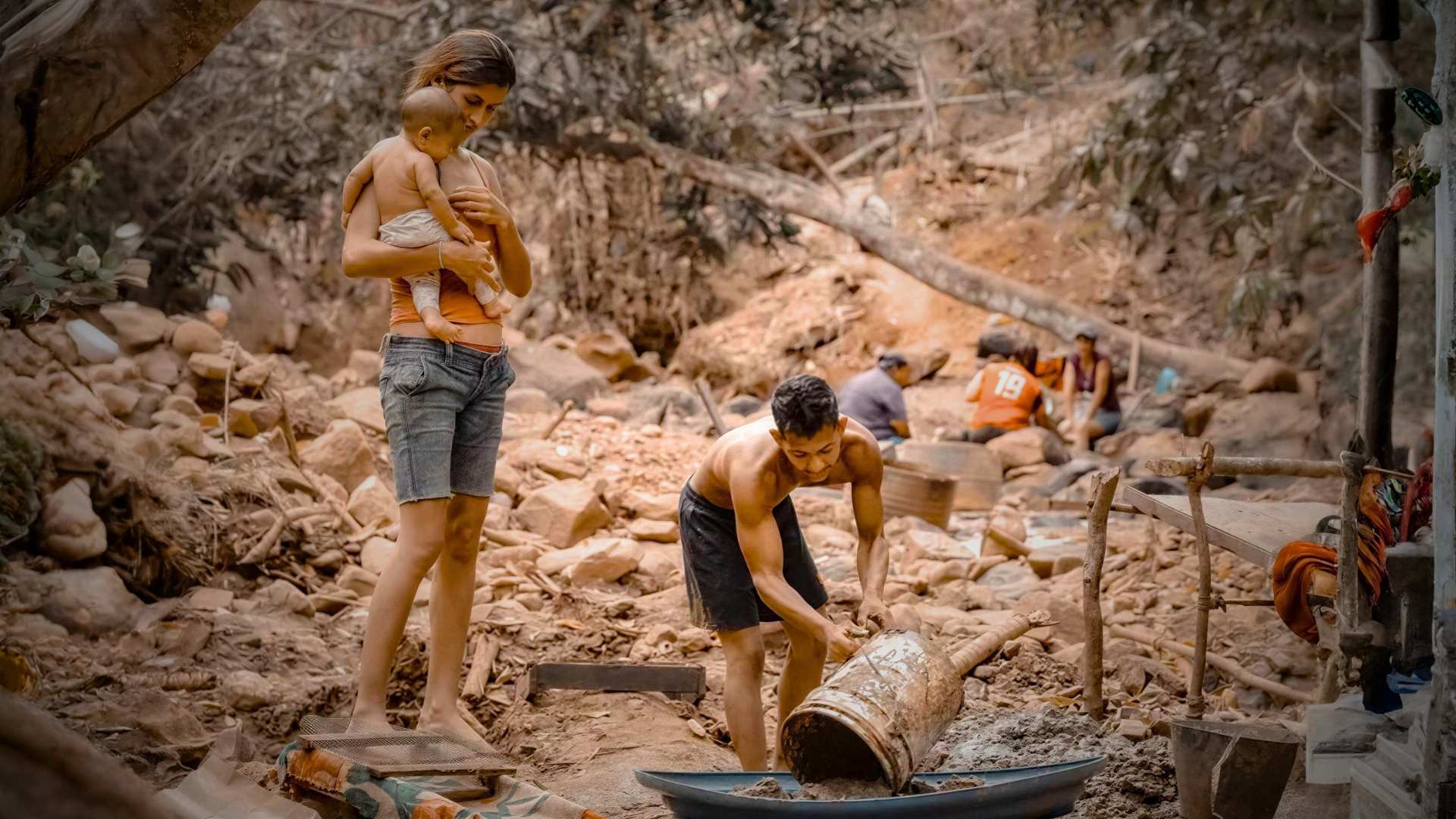
Artificial intelligence makes Matthew Carnes’s proposal to move towards an economy of solidarity and reconciliation, grounded in the dignity of every person and the common good, especially urgent. Faced with a technological transformation that renders precarious work invisible, perpetuates discrimination, and threatens to concentrate the benefits of increased productivity, the text invites us to ask not only how much value innovation creates, but who shares in that value, who is excluded, and what conditions enable human flourishing. Lifelong learning, social protection, and the participation of those displaced by these changes emerge as essential conditions if artificial intelligence is to serve decent work rather than an economy without workers.
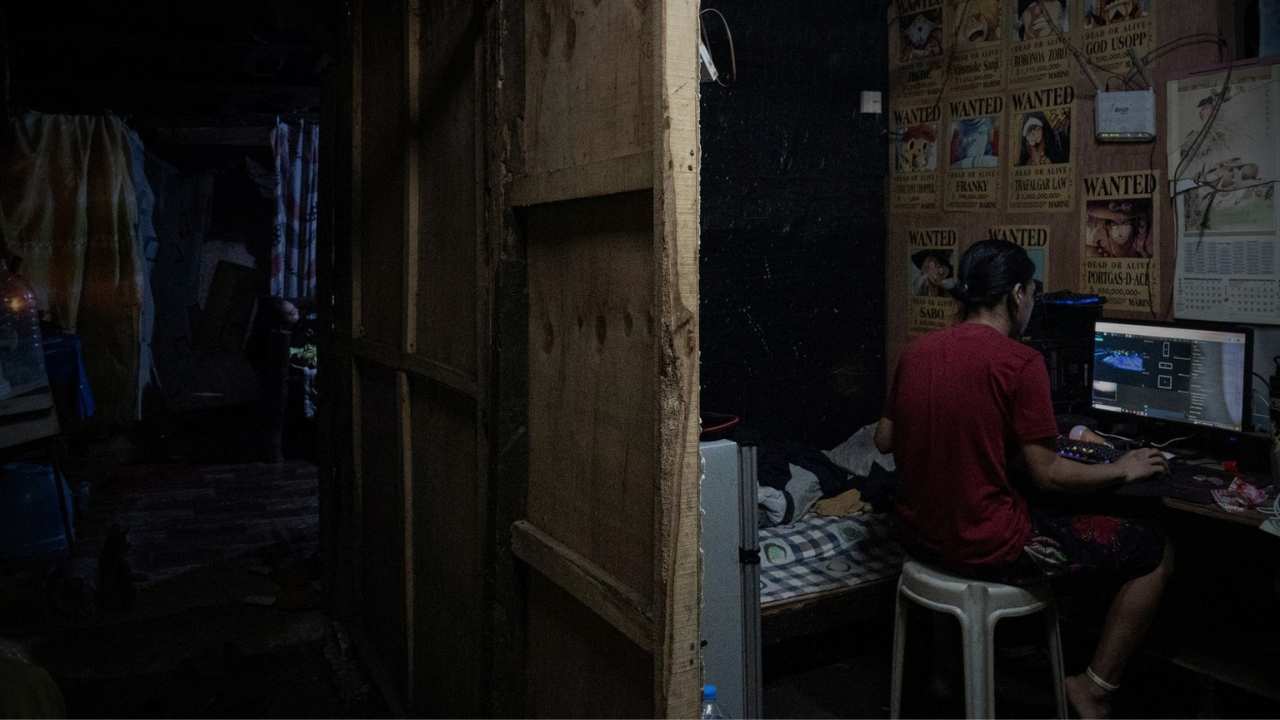
Artificial intelligence (AI) is transforming the world of work on several fronts simultaneously. It alters the conditions of those who work to make it possible, often in invisible and precarious jobs; it changes hiring, organizational, and career advancement processes, where automated decisions can reproduce historical inequalities under the guise of neutrality; it heralds a new labor paradigm in which part of the economic value may grow without a proportional increase in human labor; and it transforms the way we educate professionals who will have to coexist with it, altering both teaching methods and the competencies required of graduates.
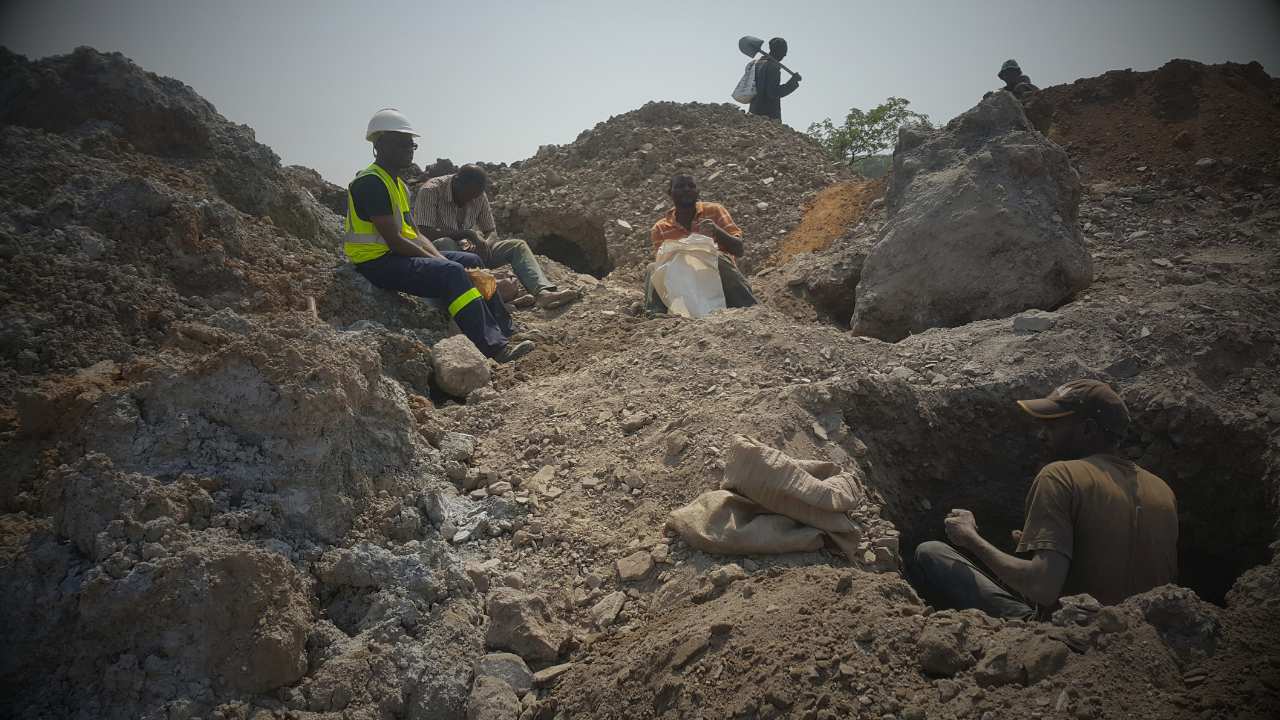
The inseparable link between those minerals and artificial intelligence haunts my daily life here. I do not approach this link through the archive, but through the ground I was born and raised on. To tell this history is not to complain about a stranger who wrecked our region; it is to take responsibility for what is happening in my country. And so, reading Pope Leo's new encyclical, Magnifica Humanitas (MH), I begin with the question that has long followed me: When will the majority of Congolese finally benefit from their own immense natural wealth, rather than paying for it with their suffering, and, too often, their lives?
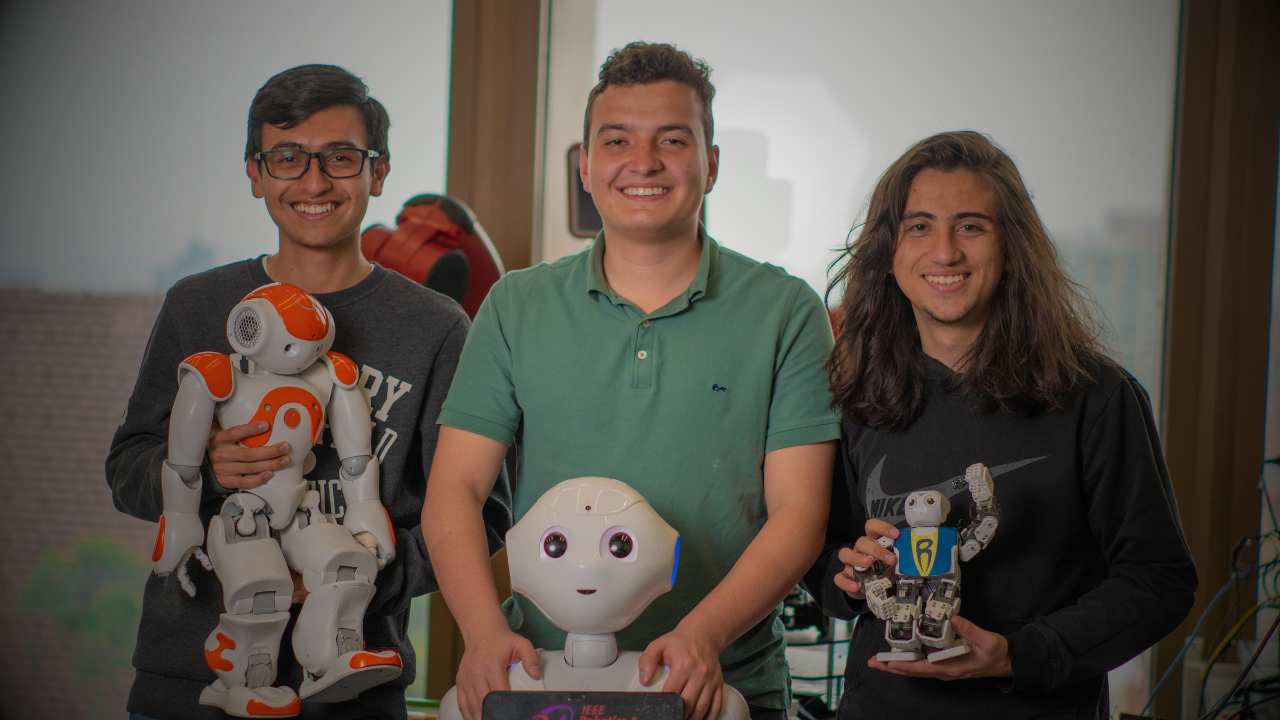
The Industrial Revolution asked whether economic progress could be reconciled with workers' dignity. It also challenged the assumption that economic progress is inherently good. Can greater productivity alone be called progress if it comes at the expense of human dignity, social cohesion, or the natural world? More than a century later, artificial intelligence poses a different but equally profound challenge. Machines are no longer transforming only how we produce goods; they are beginning to transform how we think, decide, create, and even relate to one another. The question before us is therefore not merely technological. It is anthropological.
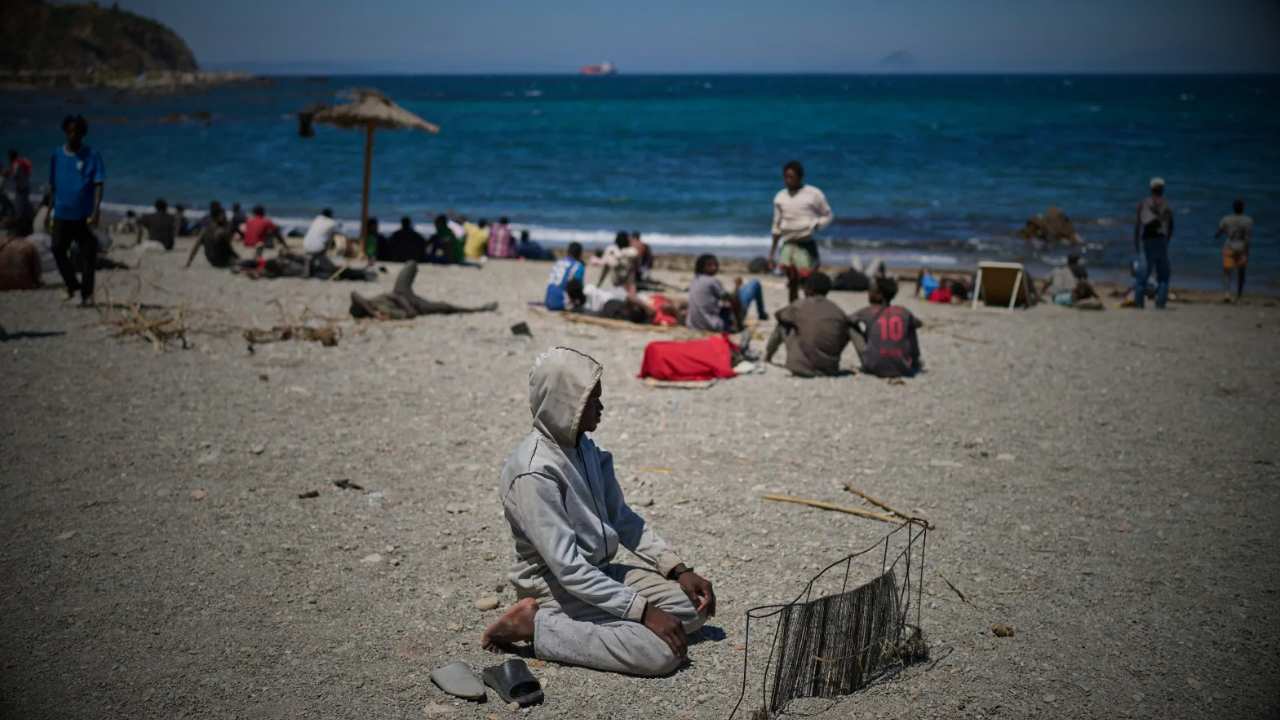
There are times when remaining silent ceases to be prudent and begins to look too much like indifference. I sincerely believe we are going through one of those times. The events unfolding around Ceuta—the images of people attempting to reach Spanish territory by sea or by swimming, the lives lost, and, above all, the narratives that immediately began to take shape around these events—should compel us to engage in a much deeper reflection than what is allowed by hasty headlines, political slogans, or viral social media posts.