
Upholding Human Dignity in the Ministries of Teaching and Listening in the Vietnamese Prenovitiate
I am a Filipino regent currently assigned to the Jesuit prenovitiate in Vietnam. I have been here for one and a half years, teaching English to prenovices, as well as assisting in their discernment of vocation and human formation. In this essay, I will draw from my experiences of teaching English as a foreign language (EFL) and accompanying prenovices in order to establish the weight of the principle of human dignity even in ministries that do not necessarily or directly engage with the materially poor.
Young as I am in this volatile, uncertain, complex, and ambiguous world, I often associate discussions on human dignity with social justice–oriented works and ministries, where people whose dignity has been violated are fought for in the streets through rallies and demonstrations, given a voice in the halls of legislation that promise systemic reform, and ultimately helped to move out of their misery through discerned and sustainable care. And rightly so. These are occasions when the human heart, restless for service, burns most brightly in the defense and promotion of human dignity.
However, limiting the scope of proactively affirming human dignity to social justice and development work alone would consequently reduce the very source of this dignity to naught. Wherever a human being exists, that human being’s dignity must be protected, affirmed, and celebrated precisely because doing so gives due glory to God, who has graciously deigned to bestow upon every human person an indelible goodness that comes simply from being. It is in this light that I began reflecting on the principle of human dignity in Catholic Social Thought (CST) within my current context as teacher and companion.
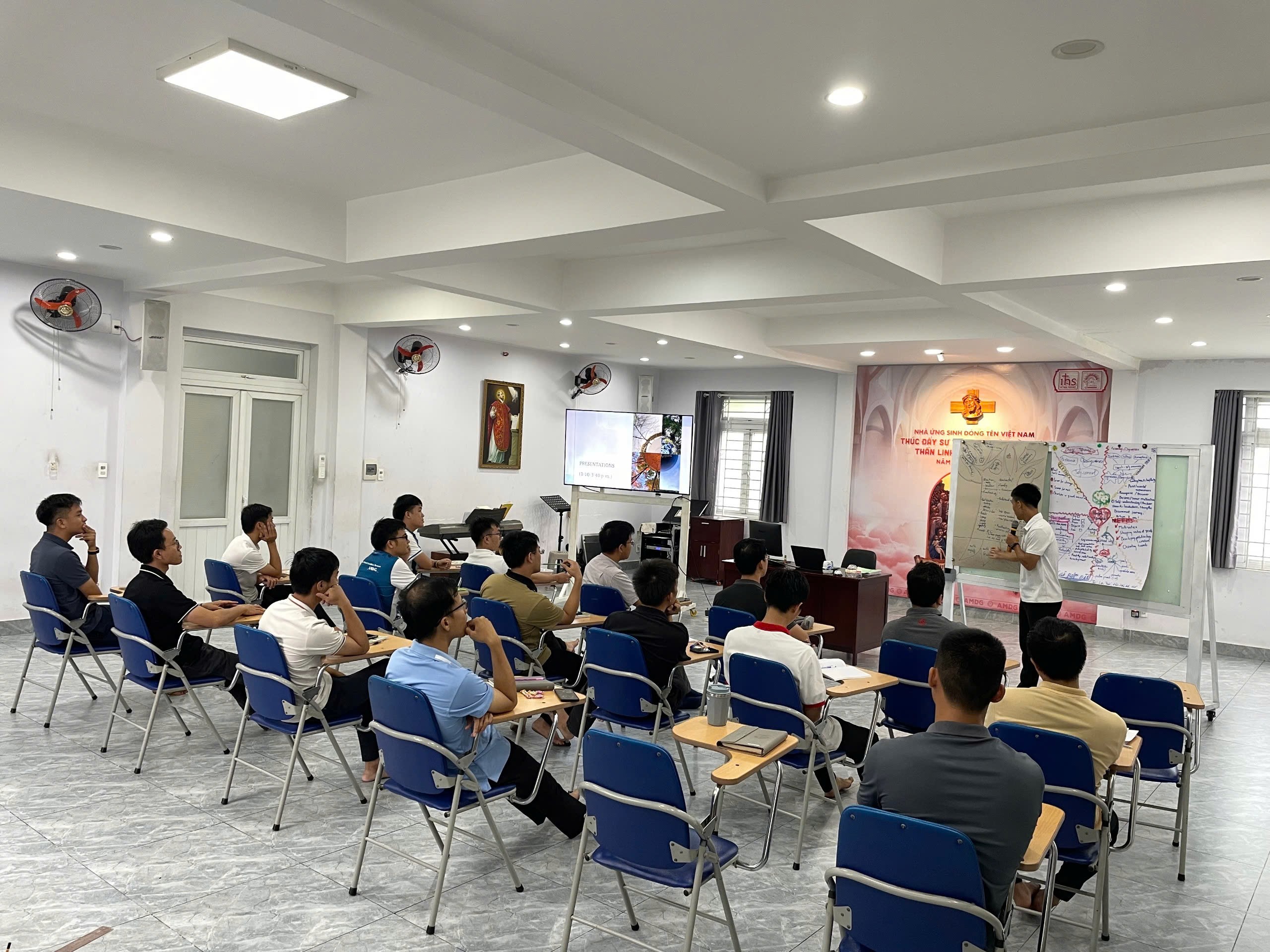
One of my ministry-related anxieties when I first came to Vietnam was discerning the approach to employ in teaching EFL. For one, my pedagogical background was in teaching English as a second language (ESL), which has its own set of methods and strategies that differ from those typically used in EFL contexts. This initial source of anxiety was resolved when I consulted my English education professor at the University of the Philippines, who categorically clarified for me that a foreign language is technically and essentially a second language as well. The more pressing concern, however, was the fact that the English language carries with it a neocolonial and imperial influence—something readily apparent when one considers the respective histories of Vietnam and the Philippines. I knew, therefore, that I needed to be especially conscious in designing my lessons and appropriating materials, so that the quality of EFL instruction my students would experience might proceed from a principled and critical bilingualism. Such an approach views English not as a tool for dominance or as a marker of superiority over others in community and, later, in ministry, but as a pathway toward widening horizons in view of authentic participation in Christ’s universal mission in the world.
What I find dangerous about an unprincipled and uncritical EFL program for Vietnamese men discerning the possibility of a religious vocation is that most off-the-shelf EFL materials are conditioned by Western liberal individualism. This ideology may not be very evident at first glance, but it can slowly seep into the long-cherished values of Vietnamese culture if left unchecked. Even though I have lived in Vietnam for only one and a half years, I have experienced how people prioritize harmony, attentive listening, and indirect communication over aggression, arguing, and assertive self-expression. The culture is also deeply relational, even as it is respectfully hierarchical. Without a well-discerned pedagogical plan, I might inadvertently create in my students an interior split between what they consider their “Vietnamese selves” and their “English selves.” This would risk constituting a betrayal of their human dignity.
One very helpful strategy has been what we refer to in education as literature-based language teaching. Instead of using contrived and unrelated texts to introduce, for instance, a grammatical lesson, this strategy encourages teachers to maximize the potential of authentic literary texts in English as bearers of deliberate, discerned, and purposeful ways of stringing words into sentences and sentences into paragraphs, all under the governance of grammatical categories that students can later unearth as they read and engage with the texts. In this way, grammar is not imposed mechanically but encountered organically through meaning-making, thereby respecting the learner not merely as a recipient of rules but as a person capable of insight, interpretation, and growth. This pedagogical stance already gestures toward an affirmation of human dignity, insofar as it treats students as active subjects of learning rather than passive objects of instruction.
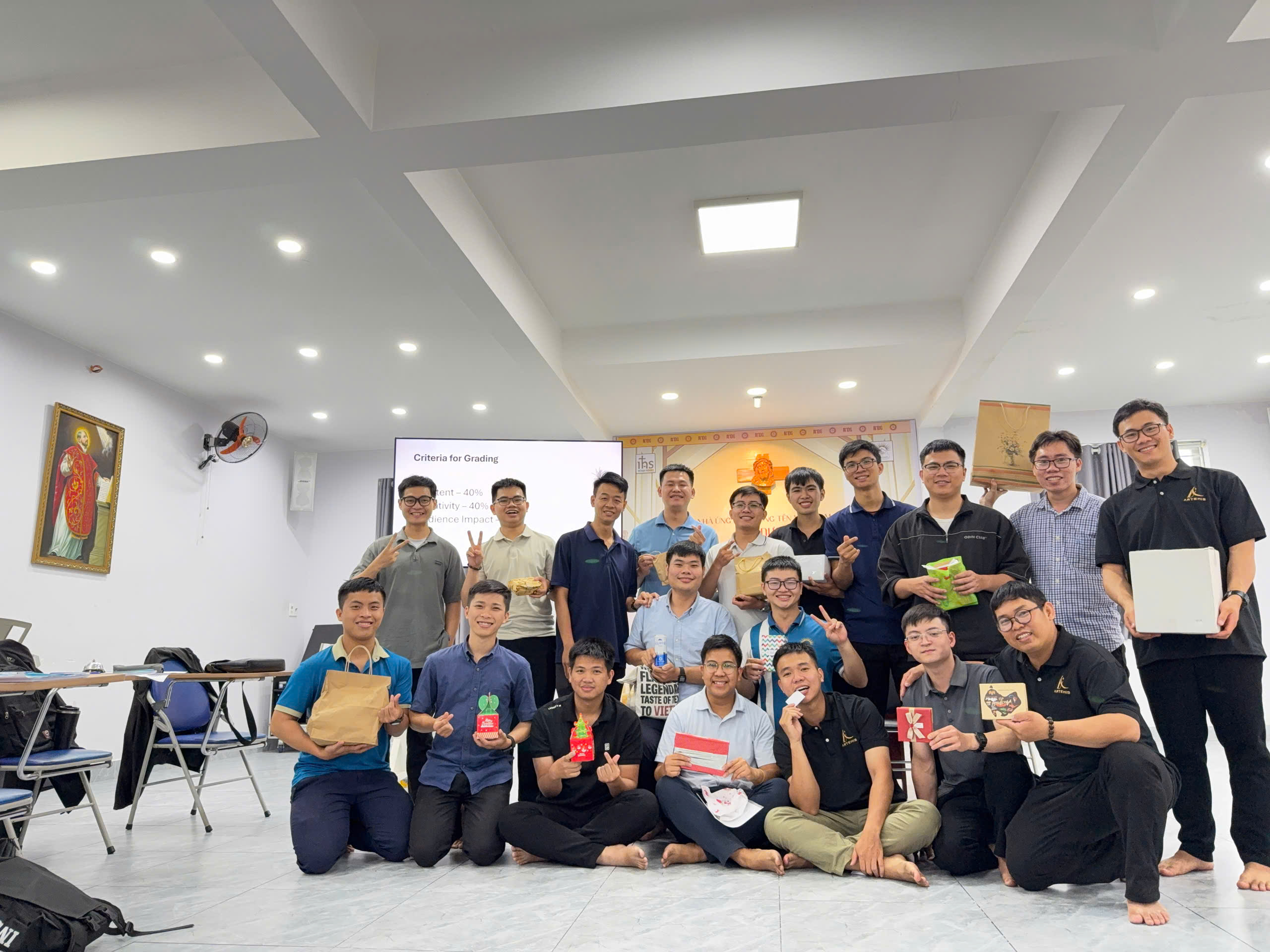
Needless to say, an EFL teacher who employs this strategy in the Philippines must make use of Philippine literary texts in English—that is, prose and poetry originally written in English by Filipino authors. In other words, literary texts in English must always be situated in context. Here in Vietnam, where there is presently a dearth of available literature in English originally penned by Vietnamese writers, the alternative I have discovered since I began teaching is to make use of available literary texts in English by Southeast Asian writers. This has been made possible through an anthology of Southeast Asian writing I received from a friend in the Philippines.
These texts, together with carefully selected British and American works, have fostered not only a richer experience of learning English from a linguistic perspective but also a more nuanced appreciation of literature as a mirror of the human condition. This condition, universal as it may be, is always situated in the concrete particulars of existence—what St. Ignatius of Loyola repeatedly identified in the Jesuit Constitutions as the specific circumstances of peoples, times, and places. In honoring these particularities, literature-based language teaching becomes a quiet yet meaningful practice of upholding human dignity.
In one of my personal exchanges with a brother-Jesuit in the Philippines, he reminded me always to remember that I am not only here in Vietnam as a teacher of English but also as a “formator,” or better yet, a companion to the prenovices entrusted to my care as a Jesuit regent. I believe this conversion of disposition on my part has been effective in cultivating a listening attitude toward each and every prenovice in my EFL class. This has been all the more the case in the human formation sessions I have been handling and in the individual accompaniment I have been doing with the prenovices. This attitude of listening must be one that is open and ready to move along the path of renunciation, so that the person being accompanied can freely emerge as he truly is, warts and all, and be welcomed, supported, encouraged, and affirmed.
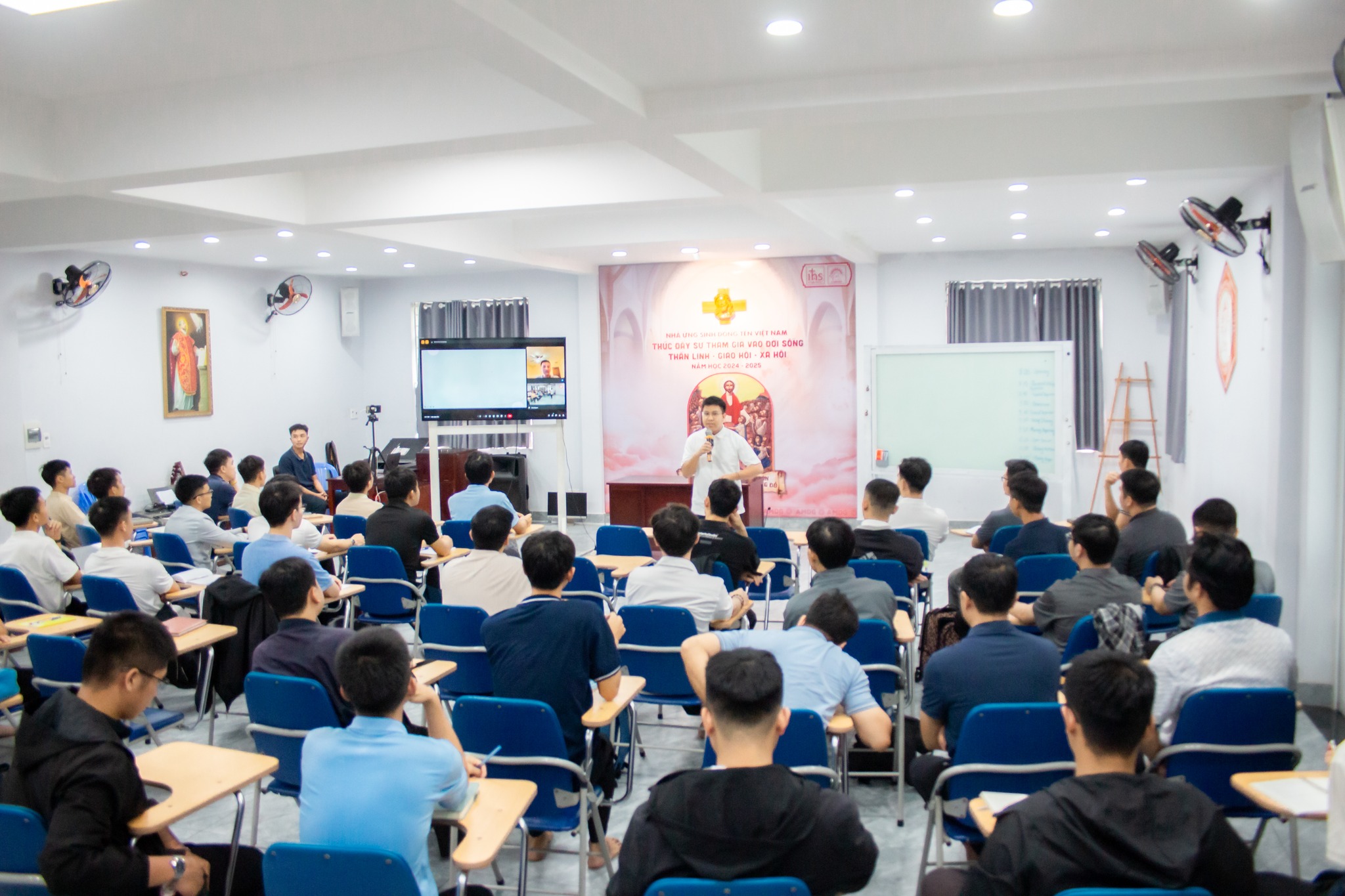
What, then, is there to renounce on the part of the companion? Quite a lot: a host of preconceived notions and unconsciously held prejudices that obstruct authentic listening. One such temptation is the impulse to impose one’s own narrative simply because it has proven meaningful or effective in one’s own life, without first allowing the other to articulate his unfolding story. Another is the tendency to reduce the prenovice being accompanied to an imagined future self, while failing to attend adequately to what is actually taking place in his interior life as a human person.
This quality of listening as renunciation resonates deeply with CST’s firm conviction that human dignity precedes all considerations of function and achievement. Just as CST resists reducing the poor to mere recipients of the generosity of the wealthy or capable, or to beneficiaries of social work and development, so too must vocational accompaniment resist reducing discerners to passive executors of what a vocation director might interpret as “God’s will.”
Ultimately, listening that invites renunciation humbles the companion, enabling him to be magnanimous enough to enter into a shared vulnerability in which both he and the one being accompanied stand accountable before the God who calls, invites, and sustains. In this way, such listening not only fosters authentic discernment but also celebrates human dignity as the holy ground in which the seed of vocation is planted—and upon which it is allowed to grow, blossom, and bear fruit. What a joy, indeed, to have been gifted to partake in this beautiful process.
While rooted in my experience of teaching and accompaniment in Vietnam, I believe the points I raised here proclaim a wider truth: the defense and promotion of human dignity are never confined to particular ministries or contexts. More strikingly, I am reminded that wherever I may be sent as a Jesuit, the manner in which I conduct myself—especially in community and ministry—may either strengthen or diminish my own God-given dignity and that of those I encounter. To choose to strengthen rather than diminish, even in small and hidden ways, is to participate faithfully in Christ’s mission, to honor the sacredness of every human life, and to come ever more fully home to one’s truest self. Saint Irenaeus once said it, and I now profess this anew with him: “The glory of God is the human being fully alive.”

Rogelio R. Nato, Jr., S.J., is a Filipino Jesuit scholastic currently serving his Regency in Vietnam. He entered the Society of Jesus in the Philippines in 2019 after completing a bachelor’s degree in Secondary Education, majoring in Communication Arts–English and minoring in Journalism, at the University of the Philippines Diliman in Quezon City. As a university student, he co-presented a paper with his professor, Dr. Maria Mercedes Arzadon, entitled “The Philippine Alternative Learning System: Expanding the Educational Future of the Deprived, Depressed, and Underserved.” As a scholastic studying philosophy at Ateneo de Manila University, he served as spiritual moderator of the Ateneo Student Catholic Action, a faith-based and social justice–oriented Catholic student organization, and worked with Simbahang Lingkod ng Bayan, the sociopolitical apostolate of the Philippine Jesuits.
Related Posts:
Artificial intelligence (AI) is increasingly entering public life in Ghana, including through digital systems used for identification, verification and service delivery. The ethical question is therefore not simply what AI can do, but what happens to people when digital systems become gateways through which citizenship, mobility or access to services are recognised. In northern Ghana, especially in border communities, this is a concrete question. I was privilege to visit Pusiga community in November 2025 with a Jesuit friend of my mine who is originally from the community. Thus, the topic for this article resonates very well with me.
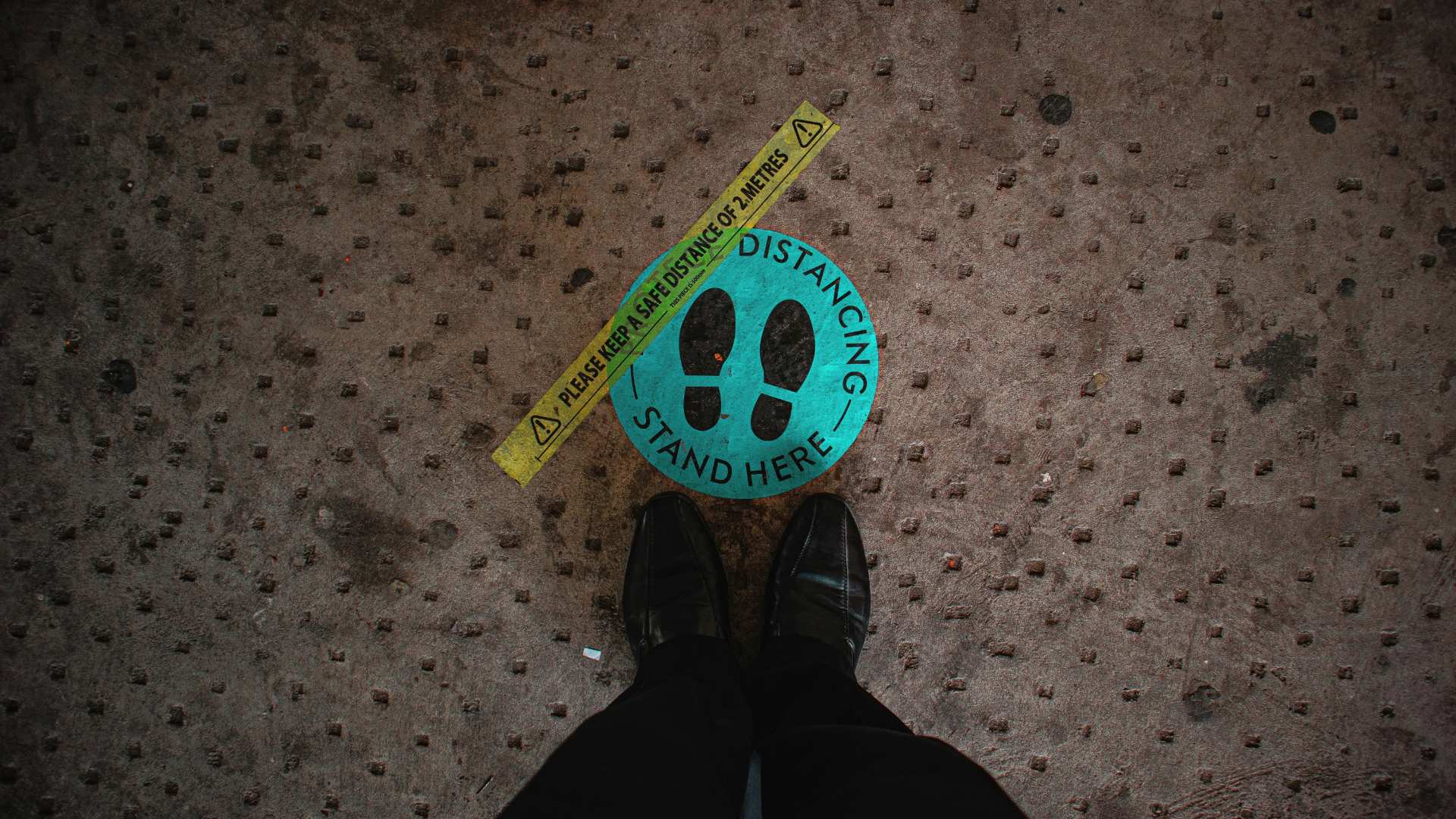
The article ‘Pandemic and Authoritarianism’, by Germán Rosa, SJ, was written in the midst of the COVID-19 crisis, but its insights extend beyond that context. The pandemic appears to reveal and accelerate political trends that were already present: the concentration of power, the weakening of democratic checks and balances, and the acceptance of extraordinary restrictions in the name of collective security. Rosa’s main concern is that fear may lead citizens to silently surrender their freedoms and rights, and that measures which were initially intended to be temporary become normalized and endure. Furthermore, in societies riven by inequality, control is never distributed neutrally: it falls most heavily on the impoverished, marginalized groups, migrants, dissidents and those who defend rights and territories.
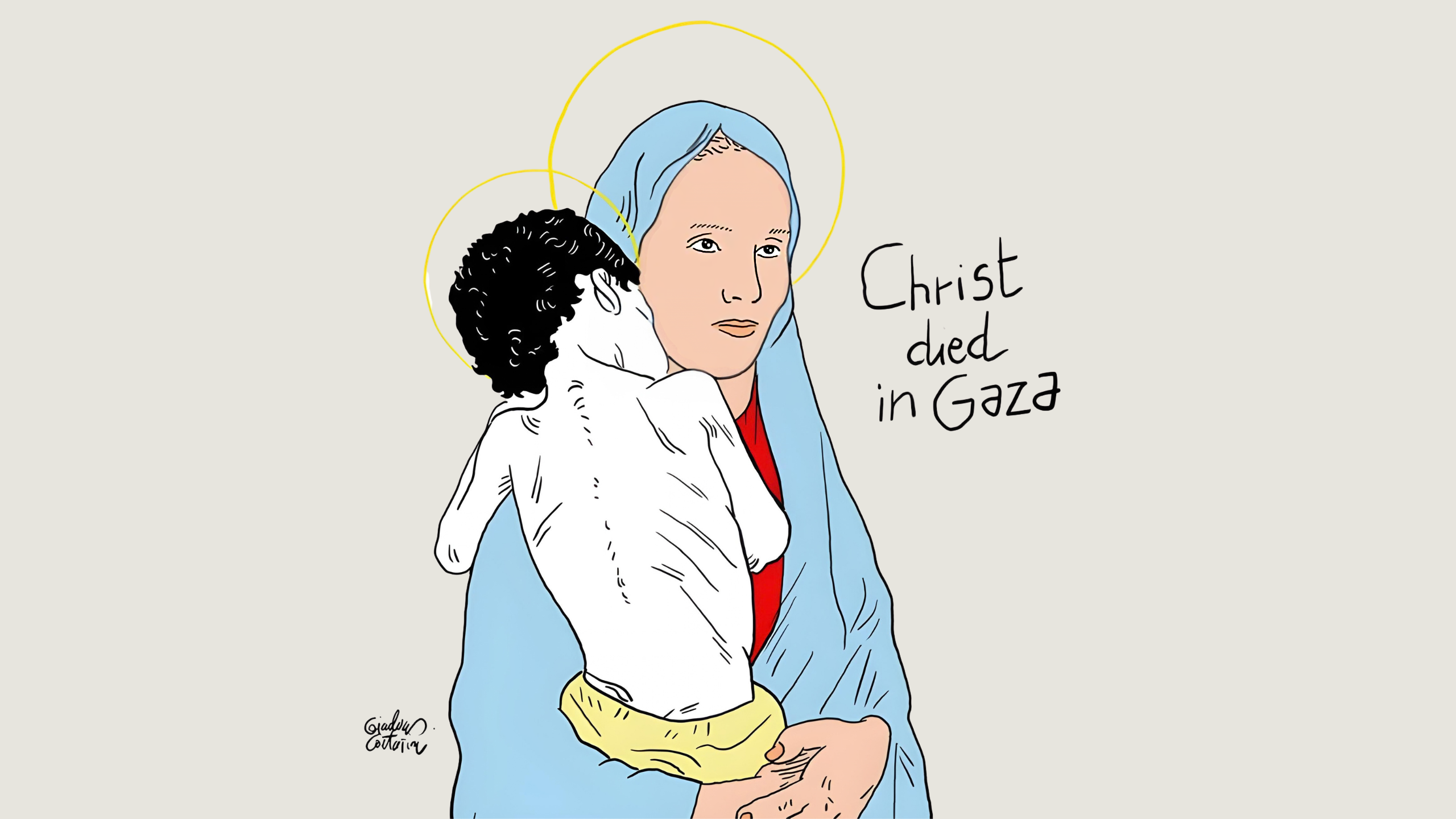
Speaking of dead children is uncomfortable. Yet it can also be healing. As I listened to the stories shared that day, I found myself returning to memories I may at times shy away from remembering. Iremember finding my sister’slifeless body in bed one Saturday morning. Ihad cometo carry her out with me to watch cartoons.As I listened tothe story of Hind Rajab, a 5-year-old girl who had been trapped inside a car attacked by Israeli forces,the memory of a little boy reaching out to touch his sister came back. The young girlhadmanaged to call the Red Crescent for help but hours later she and the paramedics who had come toassisther were all found dead. The chilling story reminded me of the shocking cold that struck my hand as I gently touched my sister’s arm in a futile attempt to wake her up.

Who Are the Victims and Those at Risk of Becoming Victims? When it comes to mining, particular attention must be paid to those who are most vulnerable: Indigenous communities whose livelihoods depend on their land, forests, rivers, and water sources; small-scale farmers; fishers; poor families; women, children, and older people; as well as communities with the least bargaining power in legal, economic, informational, and political matters. They may become victims when land loses its social function, when water sources are polluted or disappear, when the environment is damaged, when livelihoods are disrupted, or when their social and cultural life is transformed without their genuine consent.
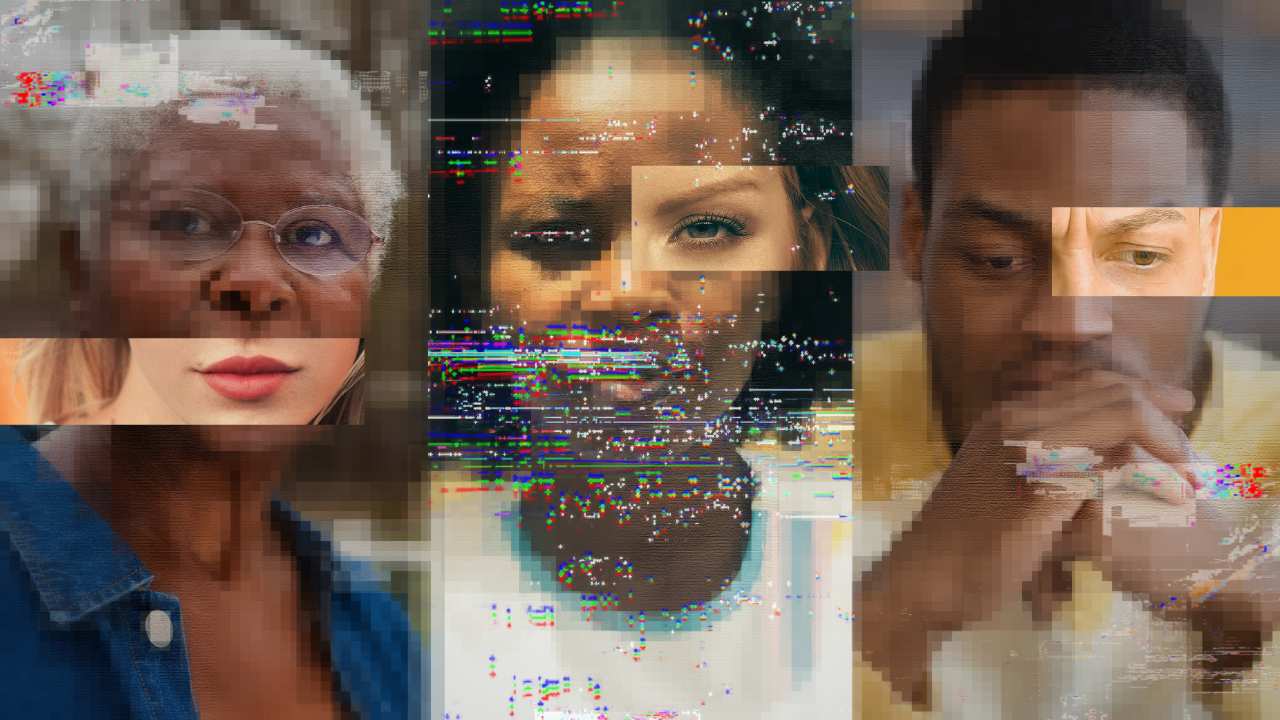
In the affluent community where I live, I walk down the street wearing a t-shirt of the elite Jesuit institution I once attended. It’s as if I presumptuously assume that the t-shirt will alleviate the prospect of being seen by surveilling gazes. Yet, I am instantaneously reminded as car doors lock when I walk beside them, and as purses clutch when I pass by, that my body is rendered as a site of suspicion. I am reminded that my Blackness precedes my existence. I am reminded that my darkened body occludes the presumption of innocence. I am reminded that my dark skin has eviscerated my humanity and has turned me into an object of fear.

When Omar came upon the place in a neighborhood on the outskirts of town, he saw a white rosary hanging over the door and felt a sense of relief. He had been told it was a shelter run by nuns. He had been sleeping poorly for several days and walking in very difficult conditions. His feet were injured, his shoes were torn, and his clothes—which had been wet and had dried on his body over the past two weeks—were terrible. The smell was unbearable. His wife and two young children had been taken in three days earlier at another location, where they could regain their strength. He, being a man, was not allowed to stay in the same space; that was the safety policy they had explained to him.