Hope-filled Actions — Positive Experiences of Partnerships and Cooperation
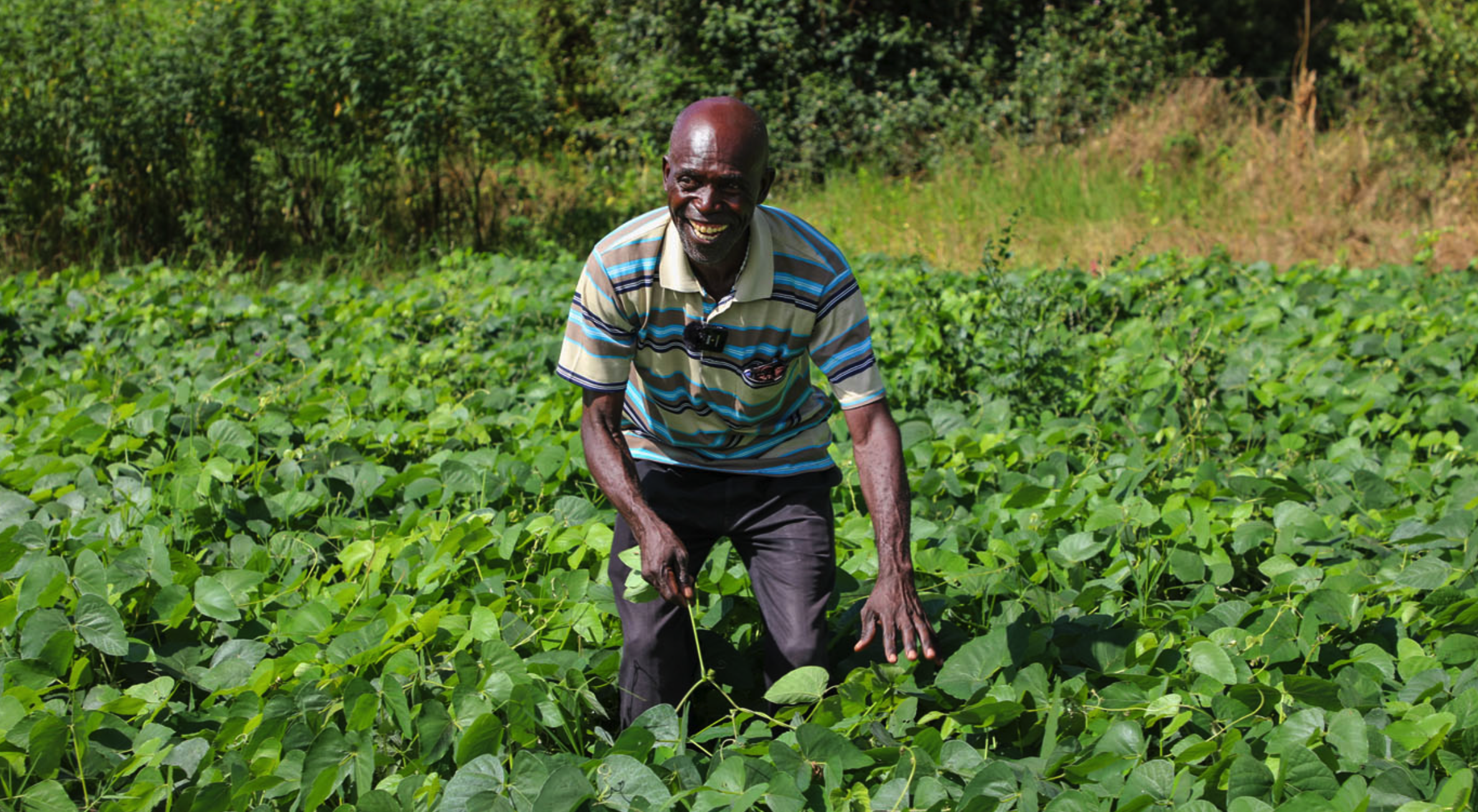
(This testimony, a continuation of Promotio Iustitiae n. 137 article, “Unity in Diversity -– God’s Way of Farming” highlights the Jesuit Kasisi Agricultural Training Centre’s (KATC) active involvement in the Seed and Knowledge Initiative (SKI), focusing on agroecology’s pillars of social justice, environmental protection, and economic viability.)
Social, economic, environmental, and cultural aspects are part of the Integral Ecology. In this second part of the article, hopeful actions are shared from the African context, particularly through the Seed and Knowledge Initiative (SKI). Fifteen grassroots organizations in Africa collaborated to build the SKI, to develop and practice a viable and positive alternative within the field of tensions described in the previous section of this article.
The Seed and Knowledge Initiative started in 2013, spearheaded by Biowatch South Africa together with four other South African Organizations. The centre stood for the preservation of local seed systems as a condition for food security and adequate food, as well as the preservation and sharing of traditional knowledge within and among communities.
Over the succeeding years, SKI expanded to include 15 different organizations from various countries in South Africa. Currently, South Africa (4 members), Zimbabwe (4 members), Zambia (4 members), and Malawi (3 members) are part of this initiative.
SKI partner organizations have different backgrounds, centres of work and expertise. Here are a few examples to highlight the diversity within the SKI. First, the Zambian Alliance for Argo-biodiversity (ZAAB) is an alliance to advocate for agroecology, farmer's rights, and food sovereignty to speak out against a silent corporate capture that changes the laws in favour of multinational companies and against the interests of smallholder farmers. Next, the Community Technology Development Trust (CTDT) is a grassroots organization working with communities on traditional seed systems, even providing farmers with the knowledge to start their participative breeding programs. Prof. Rachel Wyneberg from the University of Capetown (UCT) and her laboratory are part of this initiative, bringing in the academia and a research perspective.
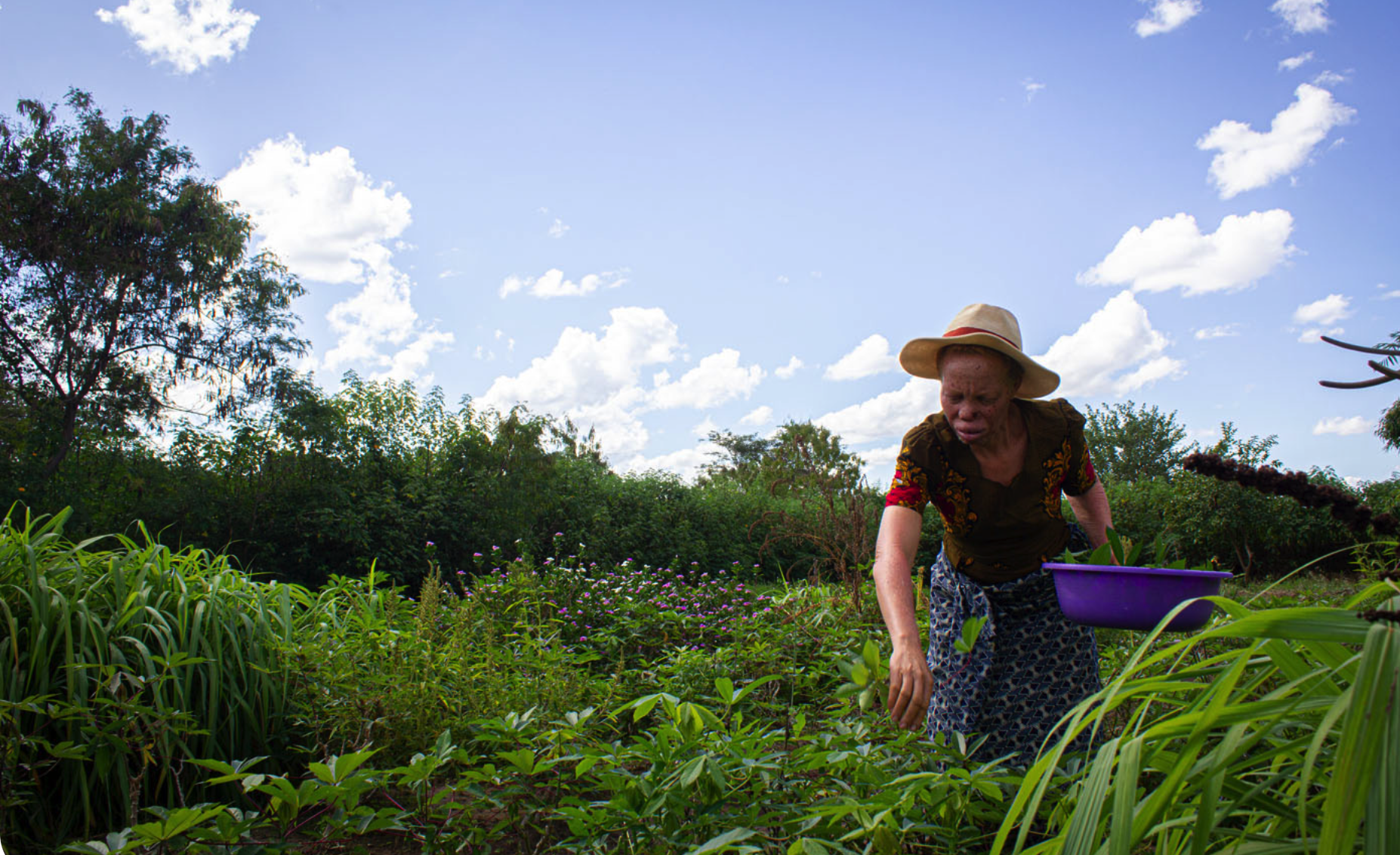
Still another example is the Kasisi Agricultural Training Center (KATC). Since 2019, KATC has been a partner organization of SKI. Incidentally, this Jesuit-run agricultural training centre situated about 15 km north of Lusaka, celebrated this year (2024) its 50 years of existence. KATC was founded in 1974 by a Canadian Jesuit brother, Paul Desmarais, with a mission to train smallholder farmers to help improve their livelihoods and communities.
It was during the second half of the 1980s when Br. Paul had his own “Damascus” or conversion experience. During the first 15 years of his work, he promoted the principles of the Green Revolution—the use of chemical fertilizer, pesticides and herbicides, improved seeds, and mechanization. Then, he realized that such an approach did not help farmers improve their livelihoods and communities but rather left them off worse. For example, Urea fertilizer made the soil hard and reduced the soil's organic matter. Every year, farmers had to apply more fertilizer but farm yields continued stagnating. The high cost of inputs placed farmers at a high risk, especially in case of a failed crop. In the early 1990s, KATC shifted to Sustainable Organic Agriculture (SOA). First, it did only a few experiments -- later the whole production and training program shifted to 100% organic. On its learning journey, KATC understood, through time, the manifold reasons why organic farming is the better option for smallholder farmers.
Today KATC employs about 20 qualified staff members covering all relevant areas of agriculture and administration; the centre also has 60 helping staff members. KATC is organized around its program unit and production unit. The program unit covers the thematic and educative work of KATC. A wide range of 5-day training courses are offered spanning the basics of sustainable organic agriculture, over on-farm fertilizer production, horticulture, and small-animal husbandry up to marketing of farm products. Besides its training programmes, KATC conducts organic research and offers extension services.
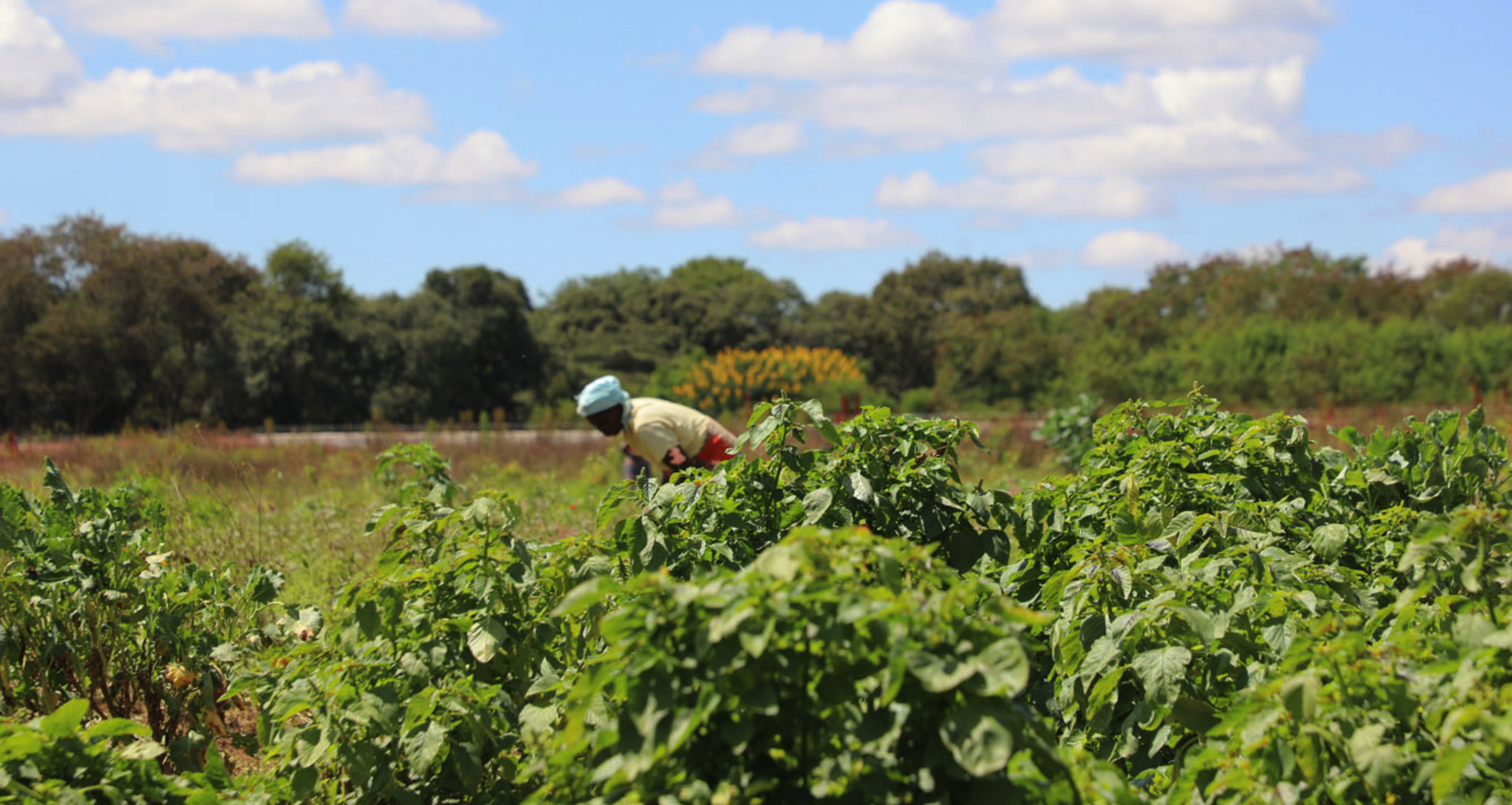
Since 2022, KATC has offered a Diploma Programme in Agroecology, a 3-year blended learning programme, i.e., with online classes and residential times. This allows working professionals the flexibility to enrol and participate. This Diploma Programme is accredited by the University of Zambia (UNZA). Currently ongoing is the development of a 10-month Certificate Programme. It targets rural youth, those who would otherwise not have the possibility to access formal education.
Besides smallholder farmers, KATC also targets “multipliers” to spread knowledge on organic agriculture faster and further. It prepares farmers to become Farmer-to-Farmer Trainers and works closely with the Zambian Ministry of Agriculture to enable government extension officers to train farmers on organic practices.
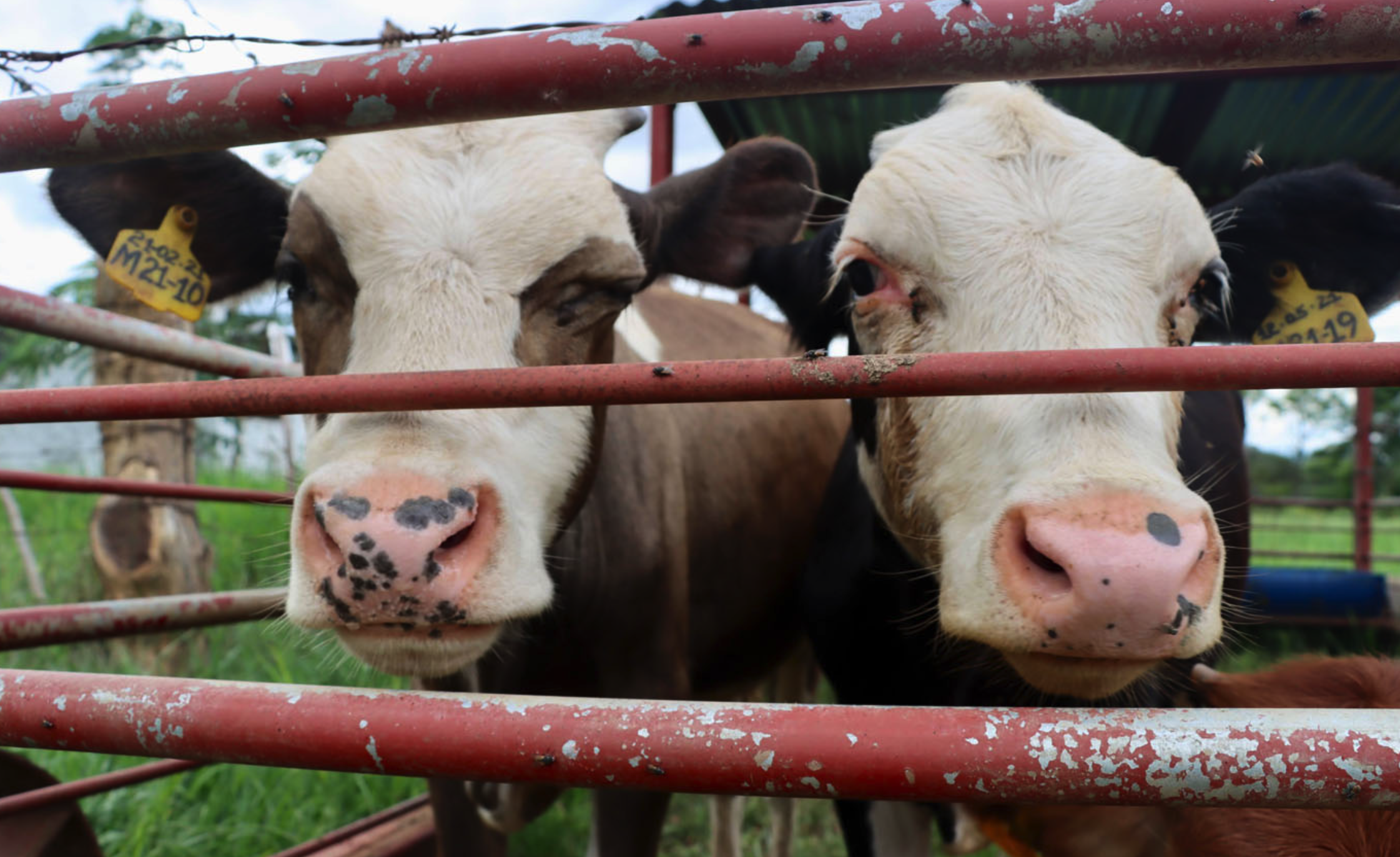
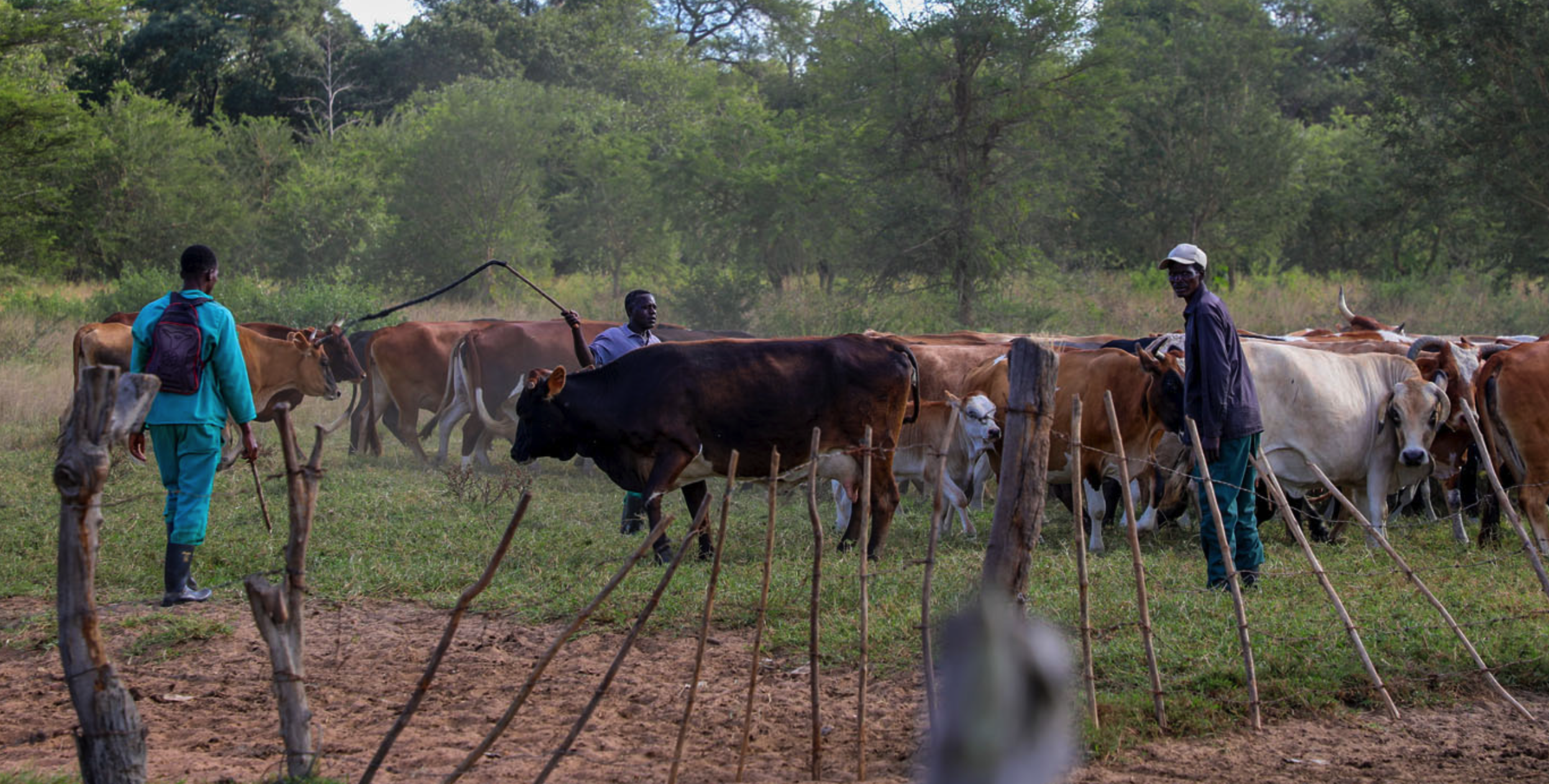
KATC runs extension projects in five Zambian provinces. Demo plots, Field Days, Bio-fairs, and radio programmes are used to support this work. The KATC production unit serves as the demonstration farm for small and medium-scale organic produce. Cows and pigs are also raised in the demo farm. To add further value to the farm, KATC has its own dairy and grain processing facility.
In joining SKI, KATC brought this strong background in organic agriculture and training. But it also opened up KATC to the agroecological approach, a new area of learning. Agroecology has three pillars, namely: social justice, environmental protection, and economic viability. KATC previously worked in all three areas but SKI changed KATC’s perspective, especially about building a community of practice with other organizations that share a common vision albeit having very diverse backgrounds, approaches, strengths, and scope of work. Also, as regards establishing responsible governance structures that unite different people and organizations. Finally, regarding helping create a movement with a stronger impact and capacity for positive transformation.
a) Community of Practice
SKI brings farmers and agricultural professionals together in a community of practice to foster the sharing of learnings. Regular online meetings and occasional physical meetings in one of the communities are part of the process of building communities. The Community of Practice work around the following topics—Indigenous seed and food systems, Biofertilizers, agronomical practices, rainwater harvesting, and local markets.
Strengthening the indigenous seed and food systems is the core concern of SKI. What agroecology is about becomes clear in this domain. Agronomically, indigenous seeds are linked with crop diversity, mainly impacting food security and better nutrition. As these crops have been selected in the area over generations, they are extremely well-adapted to the local climate. These crops have been selected by the farmers themselves following their selection criteria, which are different from the criteria applied by commercial breeders. The farmers might have favoured taste and stability of yield over total yield and ease of process.
In Zambia, there is the example of Gankata, a maize type grown in the villages with large heavy grains. The farmers like this type of grain because the Shima, made of Gankata, allows them to eat only once a day. It suppresses the feeling of hunger and slowly releases energy. In contrast, the maize mills do not like this type of grain because it does not make the light, white breakfast meal that can be bought in shops.
The hundreds of different crops and varieties, that smallholder farmers are custodians of, deliver the base for the development of modern crop varieties. As there is now a big drought season in the Southern African Region, breeders are scanning the fields for maize genotypes that perform well and can be considered drought-tolerant. Indigenous seeds, however, are endangered for several reasons. The fixation on maize as the nearly only cash crop has led to the fact that many farmers stopped growing other crops than maize.As improved maize varieties made their way into the villages, farmers initially opted for them because of the "superior" properties that were promised or observed. The seed from hybrids, however, segregates when replanted, leading to poor yields if no new hybrid seed is purchased. The hybrids also cross-pollinate with traditional maize varieties, losing their initial properties; consequently, this led to the farmers’s protest--they want their Gankata back.
Seed producers advocate for stronger seed laws, obliging farmers to buy seeds from seed companies every year and criminalising the recycling of seeds. SKI responds to this oppressive situation by creating community seed banks. There, communities store seeds of their chosen varieties to secure them from being lost. In case of losses through a failed crop or natural disasters, farmers can re-establish their crops from there. Annual seed fairs and a national seed and food festival help farmers present their seeds, to sell and share. This, however, is problematic in the eyes of civil authorities because such seeds allegedly do not comply with the standards defined by law.
Farmers also get trained in participatory plant breeding. In understanding the biology and physiology of crops they become better crop observers. Through this, they start improving their crops, putting the criteria that they judge important at the centre of their crop selection process.
Healthy soils are a prerequisite for healthy crops and healthy foods. Enhancing soil life is therefore key. This can be achieved through Biofertilisers, which not only add nutrients to the soil but especially bring in beneficial microorganisms. These can enter into symbiotic relations with the plants and make additional nutrients available in exchange for sugars from photosynthesis. These also occupy the space to prevent the uncontrolled spread of pathogens. Finally, these microorganisms also serve as food for other organisms in the soil, organisms that fulfil important functions in a healthy soil.
There are solid and liquid Biofertilisers. Bokashi is an example of a solid Biofertiliser. Farmers have taken it up very well due to its short preparation time and because, in comparison with compost, only a few bokashi are needed to fertilize a crop. Bokashi is made through a fermentation process, generating heat which needs to be handled well to keep the temperature at the right level. It is this bacterial fermentation that hastens the decomposition process and which at the same time leads to a multiplication of beneficial bacteria. Liquid Biofertilisers are most often made using both cow dung and topsoil through an anaerobic process because in them a large number of beneficial micro-organisms are available. While Bokashi can be applied directly beside the roots of the plant, liquid Biofertilisers are diluted and sprayed during the critical stages of plant growth. Farmers are helped to create Biofertilizer factories in their villages so they can produce Biofertilizer in bigger amounts for their use or for selling to other farmers. This fosters cooperation and the creation of a bottom-up or circular economy.
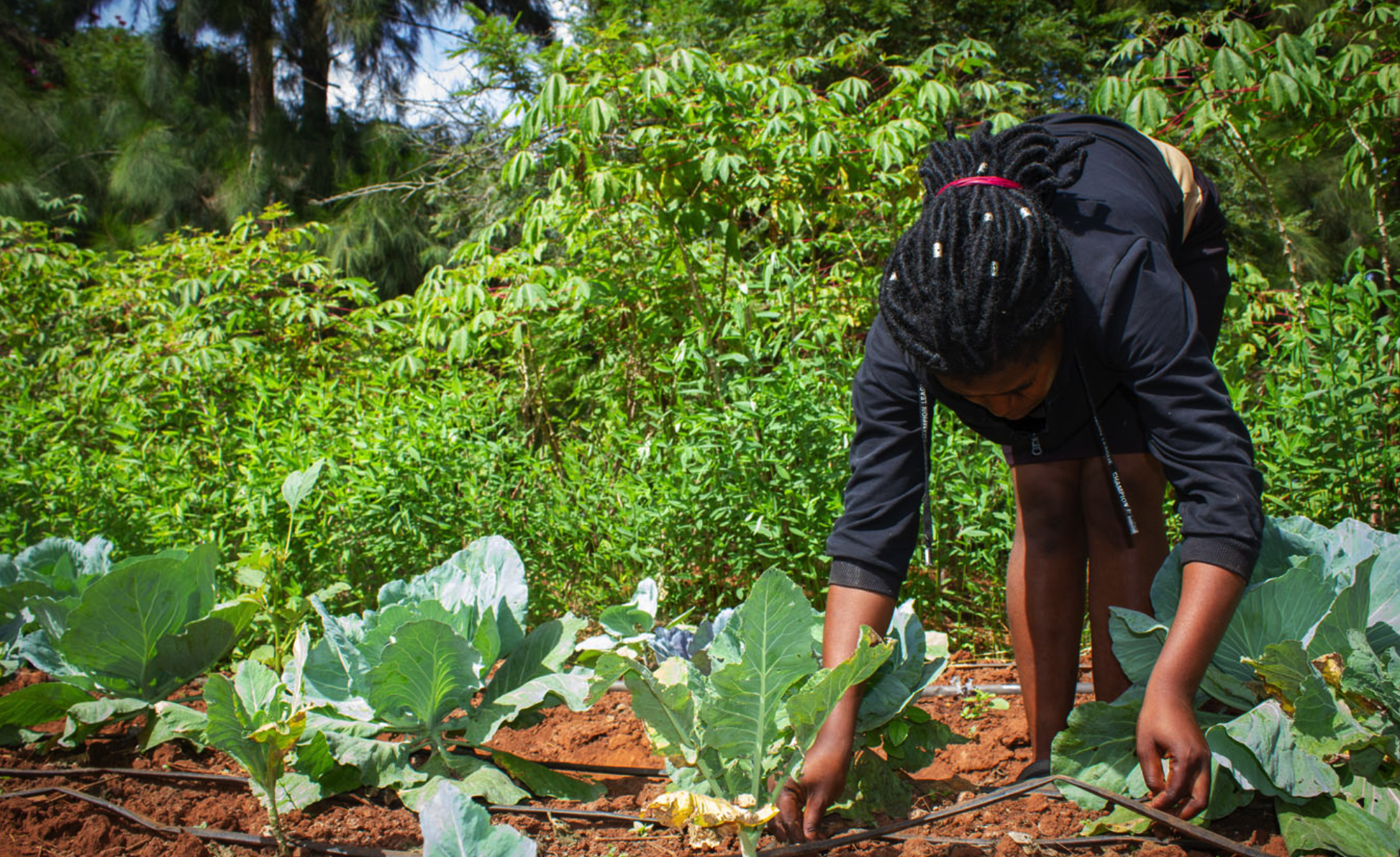
There is a wide range of agronomical practices promoted by providing farmers with a toolbox to establish a system that works for their farm, given unique soil and climatic conditions. For example, crop diversification helps farmers in manifold ways. Firstly, it helps them produce diverse food to improve family nutrition. Also, it helps maintain soil fertility, as every crop has a special pattern in taking up different nutrients; thus, single-sided depletion is avoided. The diversity of crops also helps keep in check the spread of pests & diseases as they create diverse micro-habitats. Finally, crop diversity helps in the organization of farm work as the different activities like planting and weeding are not done at the same time (good organization skills are needed). It also helps mitigate the risk of a completely failed crop since the different plant cycles make it unlikely that all crops will fail during the same season. Organizing diverse systems of crop rotations, crop sequences, or inter-cropping is needed. Minimum soil disturbance, through the omission or reduction of ploughing, helps maintain soil structure and the soil’s fungal activity. If the amount of rainfall is a concern, then planting basins and mulching are measures to increase and preserve soil moisture.
Rainwater harvesting can be done on the farm and community levels. Through contour ridges, reforestation, weirs, and dam runoff, erosion can be reduced and allow more water to infiltrate the soil. This provides more water for the crops and eventually helps replenish water tables and dried water systems.
Helping farmers to build up local markets for their crops and by-products is another step in building up a circular, bottom-up economy. Besides securing household food, increasing household income is a key contribution to the long-term improvement of livelihoods since household income is very often used to pay school fees.
b) Establishing Responsible Governance Structures
SKI is currently on the way to becoming its own organization. In 2022, Biowatch informed the SKI’s partners that I would not continue to be the fund-holder for the movement. This is because SKI had grown and was binding a lot of its energy in the administration of these funds. SKI is mainly funded by the Swiss Agency for Development and Cooperation (SDC) with support funding from Bred for the World, the Agroecology Fund, and SwedBio. A discussion among the partners was held if another partner should assume the role. After a process of exploring different options, a unanimous decision was taken to head towards the creation of an entity for SKI, one that can hold its funds. The risks of such a step were discussed carefully, as many organizations, after registration, have developed their own life, no longer serving the organizations and communities they were founded for. To have ample time for the process an intermediate step was taken. The Alliance for Food Sovereignty in Africa (AFSA), an alliance for farmer networks in Africa agreed to act as a fiduciary before the registration of the new legal entity can take place.
Besides legal discussions, discussions around the future structure have also been conducted. Who should be represented on the Board of Directors, and what are their roles and responsibilities? How should the countries with their different realities be reflected in the organization? How can servant- leadership be ensured beyond partial interests?
c) Acting as a Movement
To become a movement, where farmers take the lead in steering the development of their communities, SKI needs a strong but flexible organizational backbone. But it also needs spaces for farmers’s exchange and dialogue. Each partner needs to ensure a strong connection with the farmers and a participative development of SKI programmes and activities.
Meetings among farmers of the different countries show that there is a shared vision which includes the care for nature, social cohesion/well-being, and the improvement of livelihoods.
Showcasing this positive vision through the practices applied in the communities and the ability to speak from different communities, organizations, and countries will help the Seed and Knowledge Initiative demand that the legal frameworks of the countries be kept open to realize this vision and even to actively support it.
Investment in youth leadership has been very important since the beginning. Currently, six young men and women from different organizations are undergoing six months of practical and theoretical training that prepares them to take on SKI responsibilities.
Being part of a bigger movement means also being part of international networks. This helps in getting connected to international specialists who can give advice and help build capacity. Currently, the Zambian Seed Act and the Plant Breeders Right Act have been revised; this threatens further the farmer-managed seed systems. As these laws are linked to international agreements, highly specific support from specialists is much needed beyond the advocacy of local farmers and their organizations. As every partner brings in its networks, the strength of the initiative is even growing. KATC brings, for example, the connection to Church and Jesuit networks like the Jesuit Justice and Ecology Network Africa.
In his Encyclical Letter "Laudato Si'," Pope Francis calls for the collaboration of all people of goodwill beyond boundaries of religion, culture, nationality, and field of work. In SKI something of this call is being realized, where humanity joins together to care for our brothers and sisters and our common home. In nature, it can be observed that the creation tends towards diversity rather than monoculture. We need to imitate this dynamic of creation and it can be a place [for us] to more deeply understand the mystery of the love that animates the Holy Trinity.
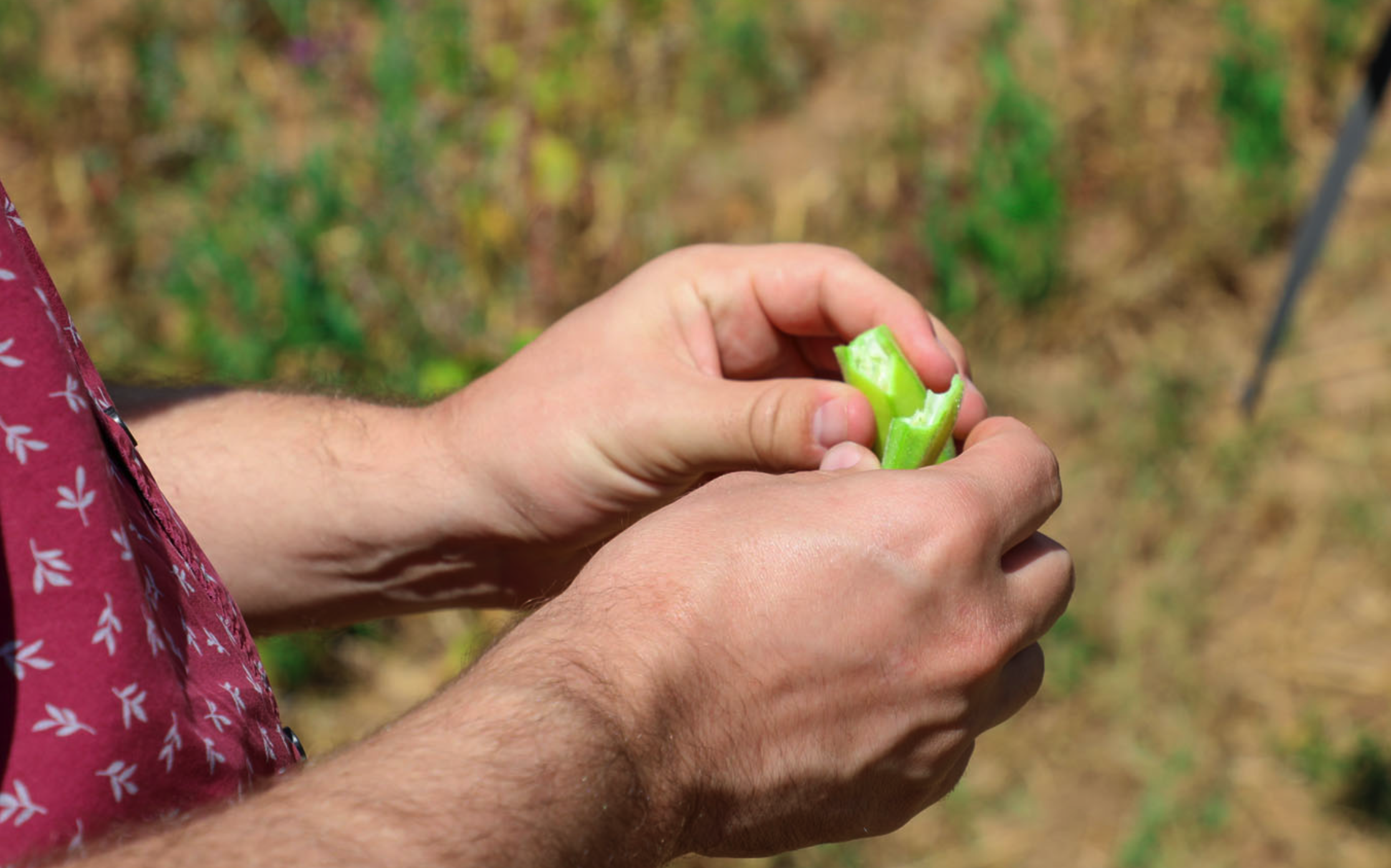
 Fr. Claus Recktenwald, SJ
Fr. Claus Recktenwald, SJ is the Director of Kasisi Agriculture Training Center (KATC) in Zambia. He holds a Master’s Degree in Agricultural Sciences (Integrated Plant and Animal Breeding) from Göttingen University, Germany. Claus is especially interested in regenerating soils and biodiversity as a way to discover the beauty of God’s creation. He has been working at KATC since 2019 training smallholder farmers and multipliers in sustainable organic agriculture. Besides its training, research and project works, KATC also operates an organic demonstration farm showcasing sustainable ways of production.