Why do you want to be a migrant worker in Korea?
A. Context: Incarnate into a factory worker.
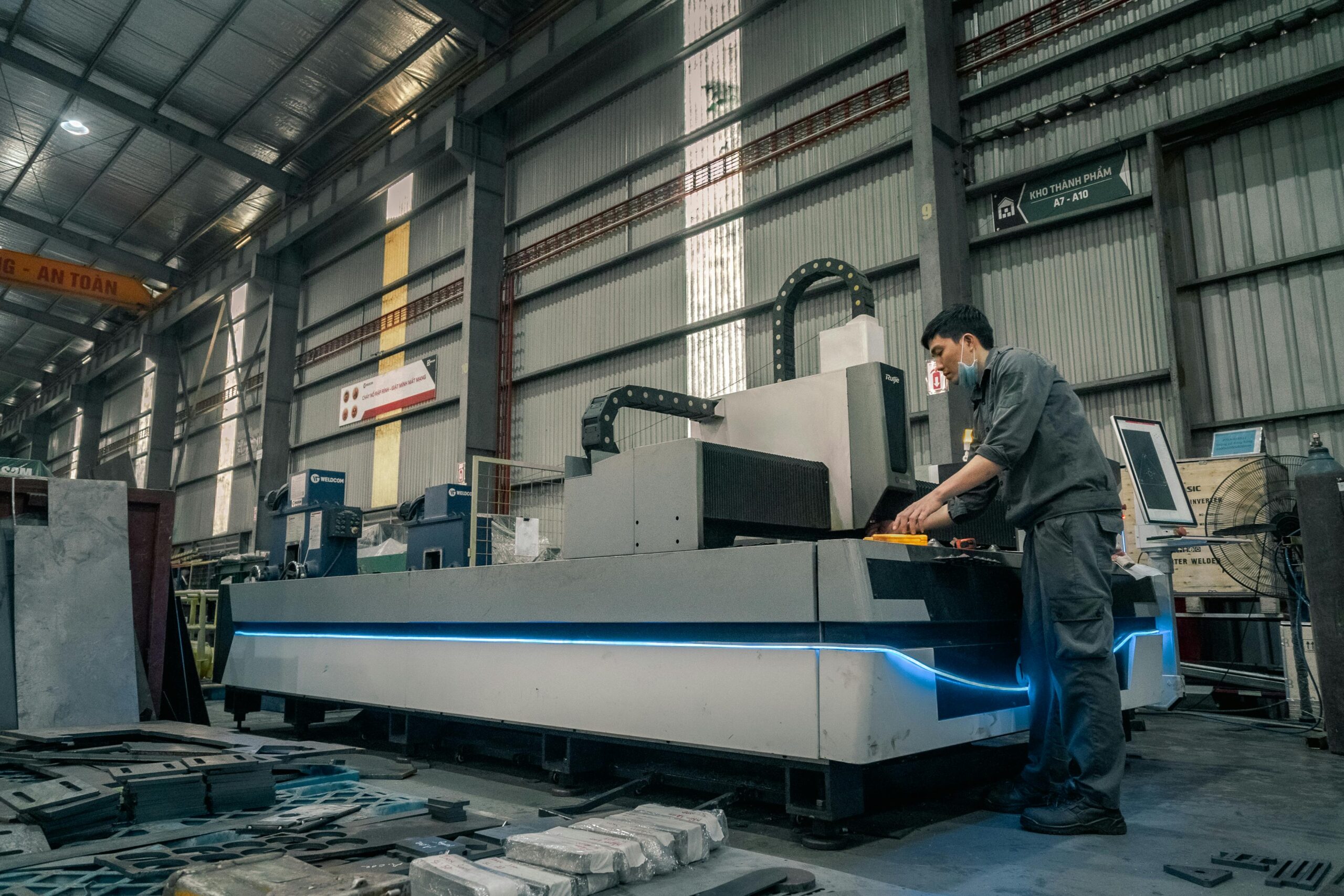
I am a Jesuit of the Korean Province who has been missioned in Cambodia since 2001. I taught philosophy at the Royal University of Phnom Penhand theology at the Jean-Marie Baptiste VianneySeminary. Then, I noticed the young people flocking to the mushrooming garment factories around Phnom Penh. So, starting in 2016, I began meeting with these workers every weekend on the outskirts of Phnom Penh, Cambodia. I encountered aspects of their experiences that defied my understanding. Things like being forced to work overtime and not being able to freely use the bathroom during work hours were a challenge. And the fact that the union was not only a nominal force, but rather a group that exploited the workers' lives was a challenge. I wanted to understand these workers and their working conditions more deeply.
In 2018, I decided to work as a full time simple laborer at a factory and rent a room nearby which two metres wide, two and a half metres long, with an attached toilet. Living and working alongside these workers, I gained a sense of understanding of their lives.
However, my understanding of the Cambodian labor situation remained narrow. Mixed with Cambodian workers, working in factories, eating and sleeping in small rooms, I overcame the barriers of Koreans, intellectuals, priests, and foreigners to enter their midst. Yet, I only felt sorry for the workers I encountered and viewing them with compassion. I still viewed them as mere beneficiaries. I couldn't fully comprehend why they had to leave their hometowns, come to the unfamiliar metropolis of Phnom Penh, and work 12-hours in a days, often without proper food. However, driven by compassion and a desire to help, I felt sorry for the lonely young female workers, the illiterate workers, and the fact that they have to buy soup and rice from plastic bags on the street in front of the factory during the week due to lack of time and energy to cook out of 12 hours work. So, I rented a house next to the factory in 2000 and started a night school in Ruom(means ‘being together’ in Khmer, Cambodian language)-The center for factory workers.
Then few years later, in response to the needs of the Jesuit Mission Cambodia, I was missioned to Xavier Jesuit School in Banteay Meanchey, northern Cambodia, for two years starting in 2022, then returned to Phnom Penh. While working at the factory again, I resumed night school. Beginning in early 2025, I was assigned to a seminary in Phnom Penh as a spiritual director, and although I can no longer attend the factory, I still cook meals for the workers who come to the Ruom Centerin the evenings and teach Khmer, English, and Korean, and doing together, some other cultural activities.
B. Deeper, wider view on Cambodian Labour
1. Change of Inner Attitude
In 2025, Teaching Tuesday on Catholic Social Teaching changed my inner attitude for the workers. I subconsciously sense that I strive to treat the workers as individuals, not as beneficiaries. Through Teaching Tuesday on Catholic Social Teaching, I learned about topics like human rights, salary, and immigration, which gradually transformed my perceptions over the course of a year. Rather than lumping them all together as poor and illiterate, I gained the analytical power to examine the social backgrounds that led them to poverty, illiteracy, and forced to work 10 to 12 hours in a day.
2. Trapped in labour web
I don't expect that a year of study on Catholic Social Teaching through Teaching Tuesday will equip me with the ability to analyze Cambodian society, especially the labor sector, like a sociologist. However, compared to before, I've gained the ability to speculate about the realities of Cambodian society, and especially the workers, and to name and thematically discuss what's possible.
While studying Catholic Social Teaching through Teaching Tuesday, I applied the topics I learned each week to the realities of Cambodia's factories. In other words, while the lives of factory workers I experienced before Teaching Tuesday, up until the end of 2024, provided a vague outline of the Cambodian labor situation, Teaching Tuesday on Catholic Social Teaching added details and color to this outline. For instance, I used to feel nothing but pity for workers who were poorly fed, slept in unsanitary, beehive-like rooms with no ventilation, and toiled in factories for ten or twelve hours a day. I wanted to do something for them immediately. However, as my analytical skills developed, I gained the ability to understand why this worker came to the Phnom Penh garment factory, what their lives would be like in a few years, and where and what they would be doing.
Most rural farmers depend on rice farming, but farming alone isn't enough to support their families and their children's education, so they mortgage their land and take out bank loans. A single year's harvest is not enough to repay the debt, and the debt piles up. The pressure of debt and poverty for rural farmers often pushes their young daughters, aged 14 and 15, to work in urban factories.
Workers desperate for every penny easily move to factories offering 10 or 20 cents more in monthly wages. On a minimum wage of $208, with overtime pay, they earn between $250 and $300. However, only spending $50 to $60 for monthly rent, electricity and water bills, and on food bought on the street, they send the rest back to their parents in their hometown. Even then, it's not enough to cover their families' living expenses, payment for installment purchase of their motorcycle, and their younger siblings’ study, as well as repaying the debt in banks.
Consequently, they seek to become migrant workers in first-world countries, where wages are nearly ten times higher. This is the social web where the Cambodian youth are trapped. The poor rural farming villages where workers live are connected to the garment factories of Phnom Penh's metropolis, which in turn are connected to factories and farms in Korea. It's a vast network of labor environments. Workers are trapped within this web of labor, moving from place to place following cash to survive.
3. Wish to be a migrant worker in Korea
At the 2024 Ruom Center year-end party, I asked the workers to share what they enjoyed most and were grateful for in 2024, and what they hoped would come true in 2025. As each person spoke, I felt increasingly embarrassed and, at the same time, a pang of pain in my heart. They all shared the same thing: Most grateful in 2024 were Ruom center: coming to night school every evening, eating dinner prepared by the priest, learning the language, sharing, and experiencing the culture, they were treated as a human. Their new year's wish was to go to Korea as a migrant worker. As I listened to each person's New Year's wish, I felt the question rise within me: Why do you want to be a migrant worker in Korea?
My experience with migrant labor was brief but profound. In 2015, at the invitation of the Society of Jesus in Korea, I served as director of the “Yi Ut Sa Ri: which means Neighborhood in Korean” Migrant Center for a year, where I gained insight into the lives of migrant workers in Korea. I took workers suffering from various medical issues, such as amputated fingers from factory accidents or respiratory illnesses caused by inhaling exhaust fumes from foundries and injection molding plants, to the hospital. Also I tried to meet with employers to collect their unpaid wages after hearing the plight of workers who had to return to their home countries at the end of their four-year and ten-month contracts, often without receiving several months' wages. This experience not only sparked a desire to understand and support the lives of these workers, but also exposed the perilous and difficult lives of migrant workers. Therefore, the fundamental stance Catholic Social Teaching took on immigration through Teaching Tuesday led me to consider how I could accompany workers attending night school who were leaving Cambodia and seeking to become migrant workers in Korea.
In Teaching Tuesday course when Migration topic presented on March 11th and 18th, 2025, my question in my heart, “Why do you want to go to Korea as a migrant worker?” made this Teaching Tuesdaycourse even more meaningful. It helped me decide whether to encourage the Cambodian workers who shared their desire to become migrant workers in Korea, and how to view the expansion of migrant labor and migrant workers on a global scale in modern times.
4. Principle and foundation
In conclusion, the framework for social awareness and the direction of solutions and hope presented by the Magisterium and Gospel values, which form the foundation of Catholic Social Teaching, served as the principle and foundation in understanding the lives of Cambodian workers and discerning how to be with them. It enabled me to understand not only the Cambodian labor environment but also the global labor environment and the resulting migrant labor.
C. Inculturation of Catholic Social Teaching into Buddhist Country
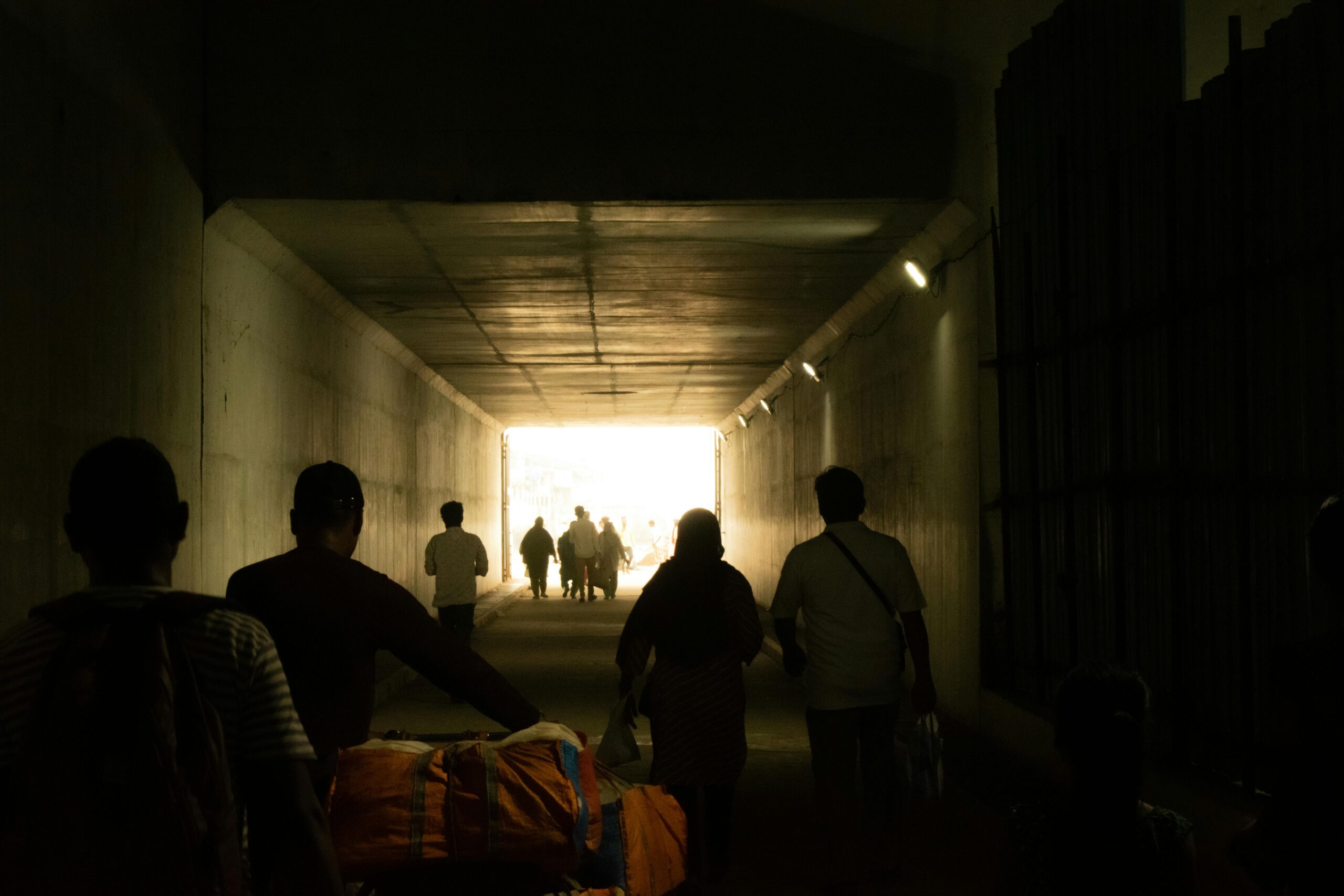
I was able to explain the contents I had learned during the Teaching Tuesday on Catholic Social Teaching course to the workers at the Ruom Center night school, whether during dinner together or during weekends when we shared our lives together. I was able to explain the reality of Cambodian labor sector, its problems, and the challenges migrant workers face when moving to Korea in a simple, understandable way. Interestingly, while Catholic social teachings stem from reflections and aspirations on social phenomena in Catholic countries, it is applicable to workers in Cambodia, a Buddhist country with only 20,000 Catholics. Every evening, at Ruom Center, inculturation is happening from me, a Korean Jesuit who has taken the Catholic Social Teaching course, translate the essence of Catholic social teaching into a context that Buddhist Cambodian workers can understand.
D. Further Reflection Points
I began to consider how far individual missionaries can improve, and where social structure change at the societal and national levels is needed, especially for the current hot issues in labour sector.
Platform Labor
The Cambodian labor market, which has rapidly changed since the COVID-19 pandemic, is notable for two key factors: Tuktuk (three-wheel small taxis) and motorized food delivery. Some workers work all day in garment factories and then engage in platform labor in the evenings and weekends to earn extra money. They even sacrifice their health and leisure time to work two jobs. I felt the need to study how the surge in platform labor has transformed the Cambodian labor environment how we can accompany those platform laborers.
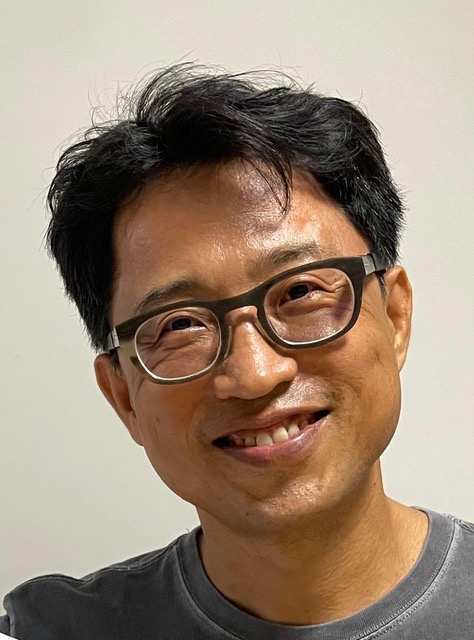
Taejin Kim, SJ is a Korean Jesuit who has been serving in the Cambodia Mission since 2001. From 2018, he spent several years working as an unskilled manual laborer in a garment factory on the outskirts of Phnom Penh, sharing in the daily realities of factory workers. Currently, during the daytime, he accompanies Cambodian seminarians through spiritual direction. In the evenings, he dedicates his time to cooking meals for factory workers and running literacy programs for those who have not had access to formal education.
Related Posts:
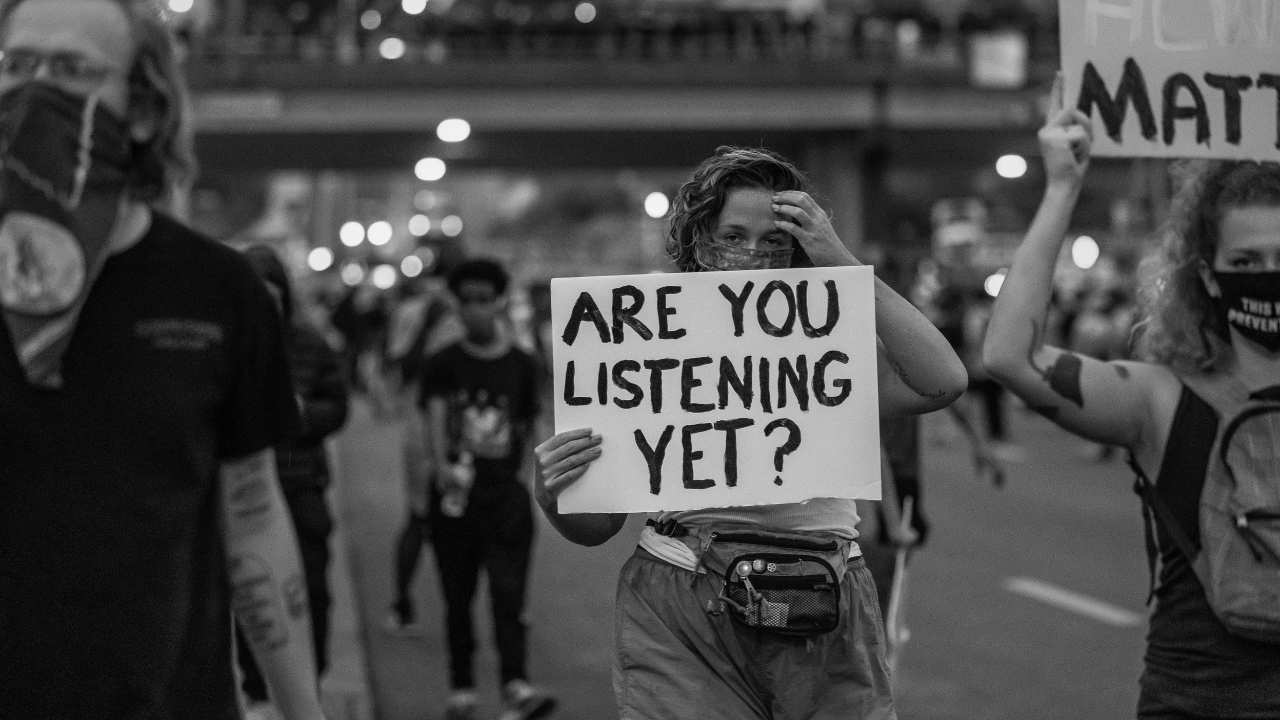
By examining the tensions between democratic institutions, citizen participation, social movements, and the common good, the article opens a path for reflecting on how new forms of power emerge and how societies can respond to them. As AI systems increasingly shape public life and influence collective decision-making, Bado's vision of a more participatory and substantive democracy challenges us to consider how technology can be governed in ways that promote justice, inclusion, accountability, and human dignity. We invite readers to revisit this earlier reflection as a valuable source of inspiration for discerning how democracy may evolve in response to the opportunities and risks posed by AI and for ensuring that technological progress continues to serve people and the common good.
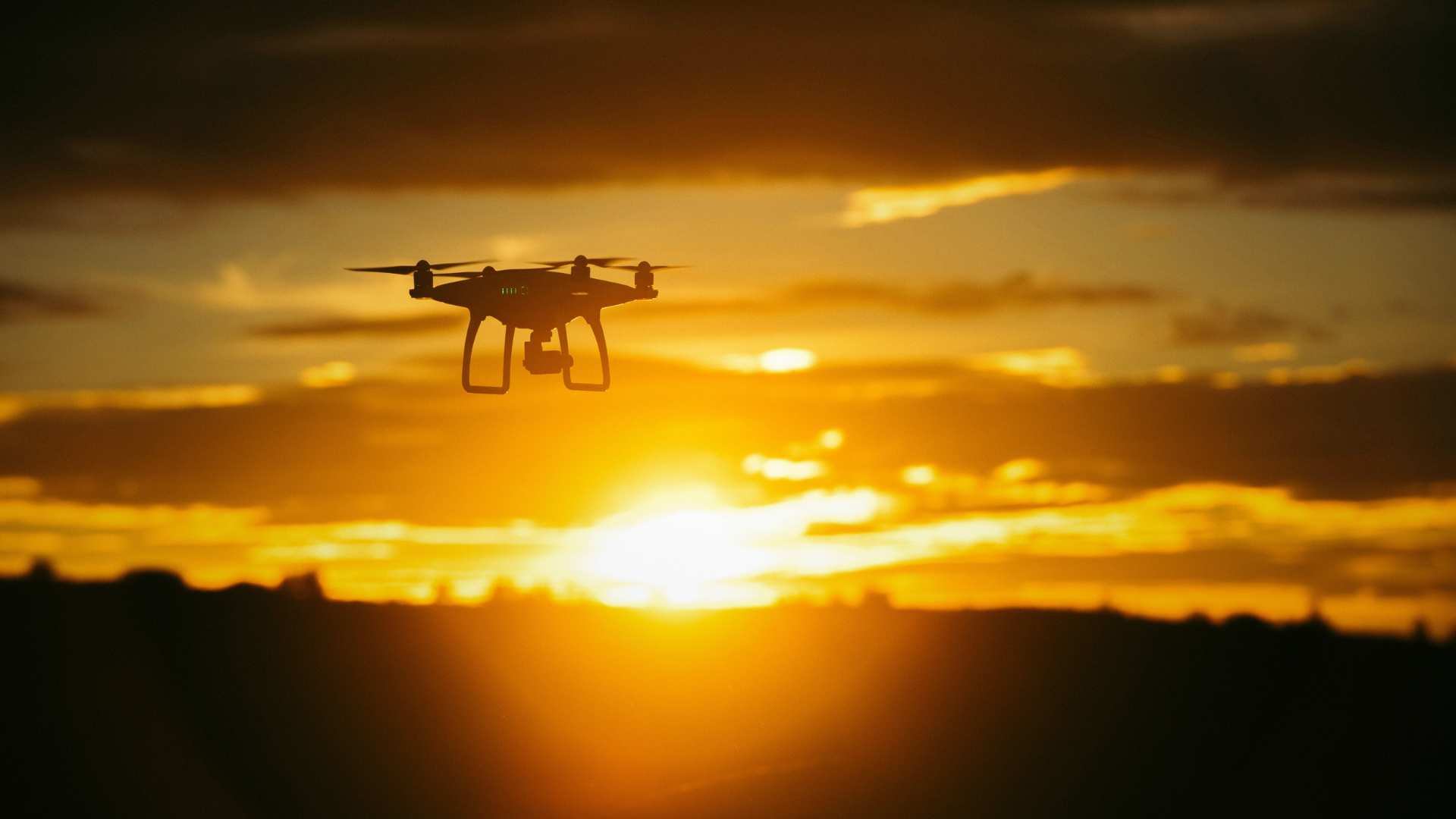
In Magnifica Humanitas, Pope Leo XIV warns that machine intelligence in war ends by “reducing victims to data.” The machine profiling that registers a person for food can also be used to select a person as a target. A small drone circling a road, with no one steering it, can have such a profile as its target. A drone like this is an autonomous weapon system. Once activated, it selects and attacks targets by itself, matching what its sensors detect to a programmed target profile. No human being decides, at the moment of the strike, that this particular person will die or is the right target. The case most often cited as the first use of such a weapon against people, reported by UN experts, was in Africa, in Libya in 2020.

Democracy, which has historically proven most effective in meeting these criteria, cannot be taken for granted. In our AI era, citizens should press for more than multiparty elections and the protection of basic freedoms; that institutional core is not enough. We must carefully regulate and channel powerful technologies with the capacity to divide us from one another and short-circuit social and political participation. That means maintaining spaces in civil society where human contact and social friendship can flourish without the mediation of machines, beginning with the educational systems through which all citizens pass. It means fighting deepfakes and disinformation in the public sphere, so that citizens still operate in a world of facts and evidence and political representation has a strong basis.
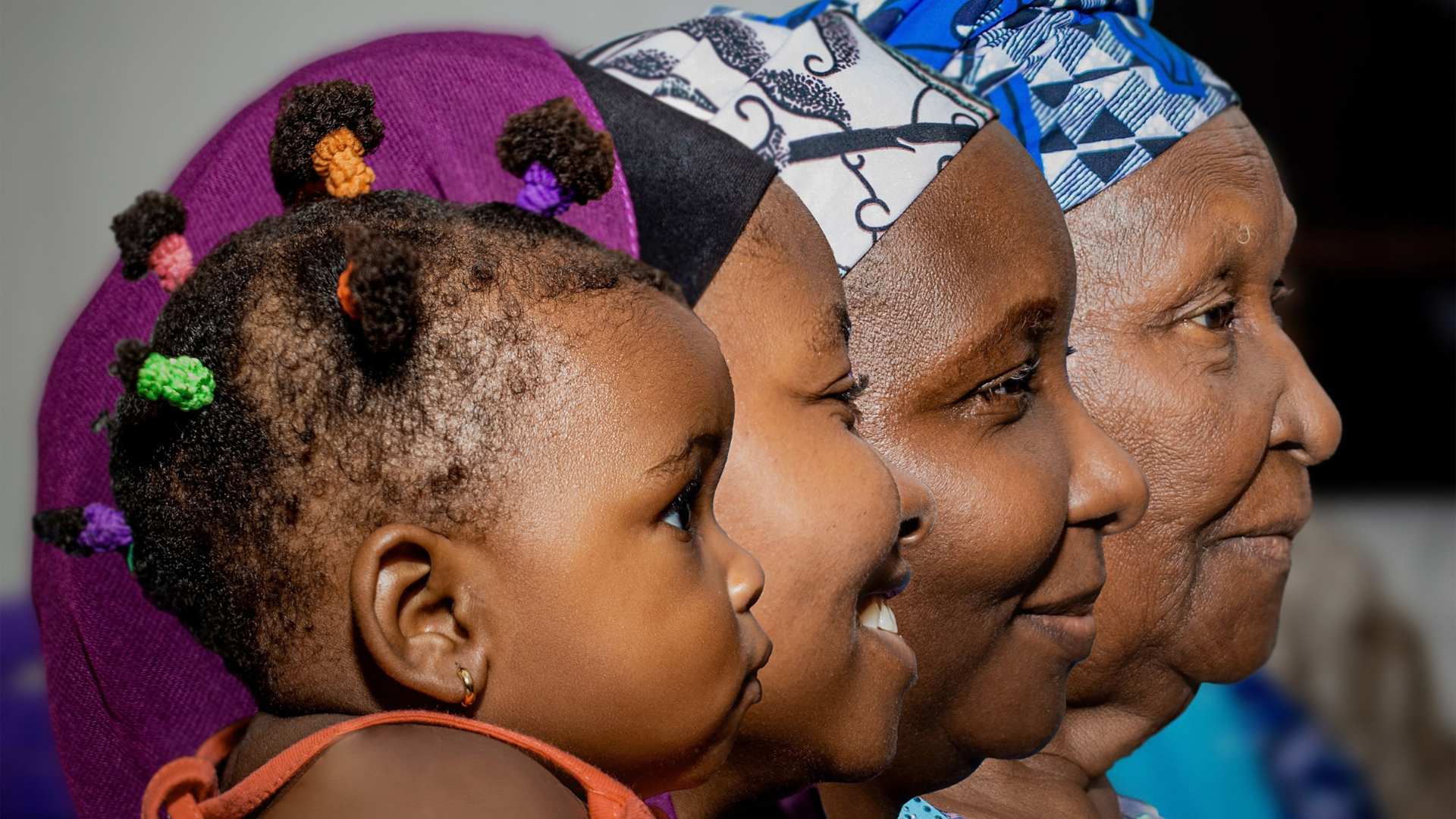
Artificial intelligence (AI) is increasingly entering public life in Ghana, including through digital systems used for identification, verification and service delivery. The ethical question is therefore not simply what AI can do, but what happens to people when digital systems become gateways through which citizenship, mobility or access to services are recognised. In northern Ghana, especially in border communities, this is a concrete question. I was privilege to visit Pusiga community in November 2025 with a Jesuit friend of my mine who is originally from the community. Thus, the topic for this article resonates very well with me.
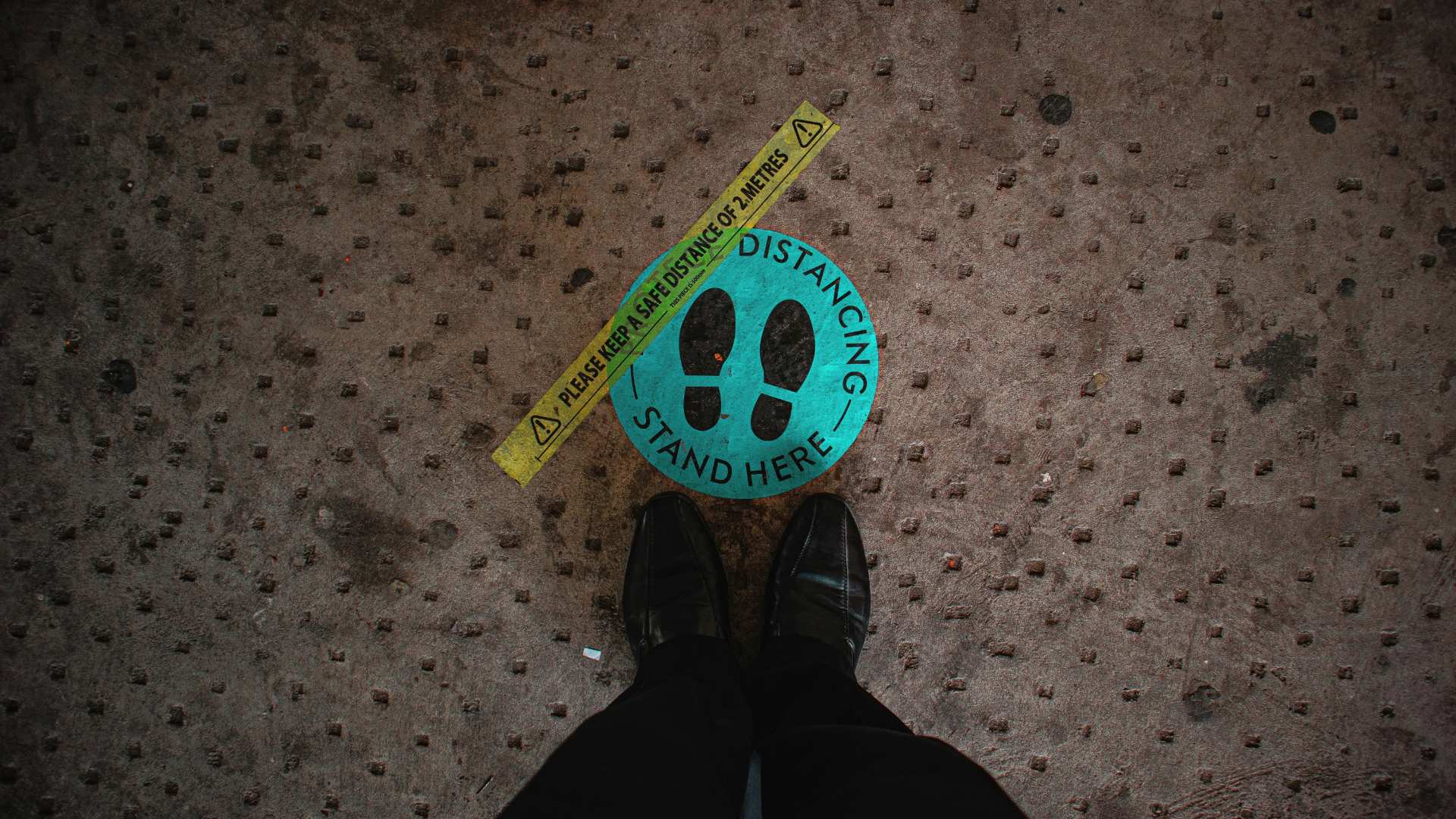
The article ‘Pandemic and Authoritarianism’, by Germán Rosa, SJ, was written in the midst of the COVID-19 crisis, but its insights extend beyond that context. The pandemic appears to reveal and accelerate political trends that were already present: the concentration of power, the weakening of democratic checks and balances, and the acceptance of extraordinary restrictions in the name of collective security. Rosa’s main concern is that fear may lead citizens to silently surrender their freedoms and rights, and that measures which were initially intended to be temporary become normalized and endure. Furthermore, in societies riven by inequality, control is never distributed neutrally: it falls most heavily on the impoverished, marginalized groups, migrants, dissidents and those who defend rights and territories.
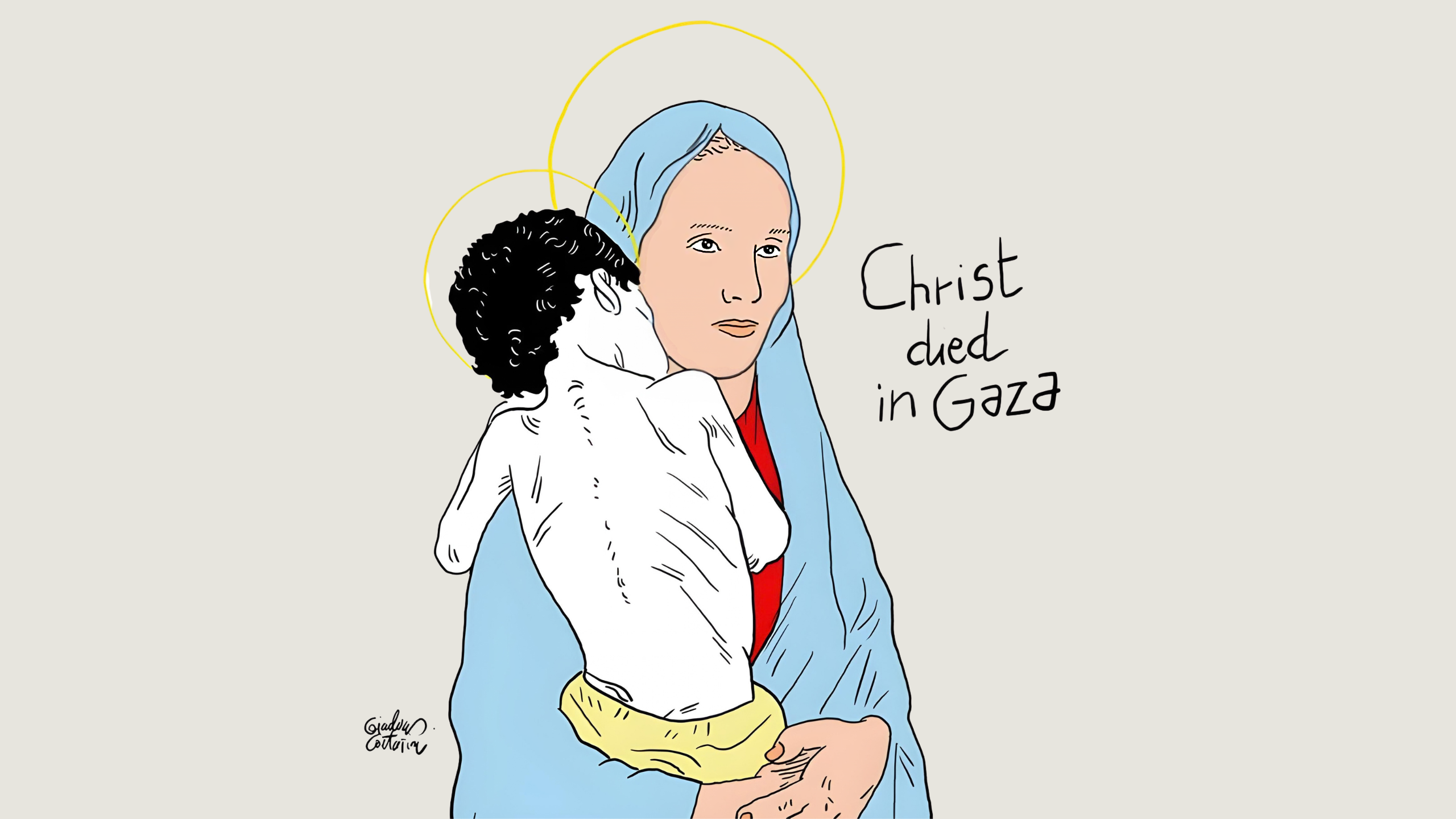
Speaking of dead children is uncomfortable. Yet it can also be healing. As I listened to the stories shared that day, I found myself returning to memories I may at times shy away from remembering. Iremember finding my sister’slifeless body in bed one Saturday morning. Ihad cometo carry her out with me to watch cartoons.As I listened tothe story of Hind Rajab, a 5-year-old girl who had been trapped inside a car attacked by Israeli forces,the memory of a little boy reaching out to touch his sister came back. The young girlhadmanaged to call the Red Crescent for help but hours later she and the paramedics who had come toassisther were all found dead. The chilling story reminded me of the shocking cold that struck my hand as I gently touched my sister’s arm in a futile attempt to wake her up.