
“The way out of the climate crisis is educational,” says Father Roberto Jaramillo, SJ, in an interview at COP30
In an interview granted to the program Missão COP30, of Rádio Amar e Servir, Father Roberto Jaramillo, SJ, from the Secretariat of Social Justice and Ecology of the Society of Jesus, made a direct and in-depth analysis of the challenges of the current climate crisis. From the COP30 pavilion in Belém, the Jesuit pointed out three central axes to transform reality: qualified listening, effective collaboration and re-education of humanity.
Listen to transform: "We need to doubt our prejudices"
Father Roberto began his participation by reinforcing the importance of listening as a political, spiritual and epistemological tool. According to him, truly listening means recognizing the plurality of knowledge - scientific, traditional and community - and allowing them to question our worldviews.
"I'm talking about a qualified listening, marked by empathy and the desire to integrate the other, but also about an epistemological listening. We need to doubt the prejudices and hyper-Western traditions we carry."
The Jesuit highlighted that, given the climatic complexity, there is no room for closed or unilateral responses. Humanity, he says, needs to relearn to listen.
"Fail lack of collaboration": criticism of the excess of individual protagonism
When commenting on the dynamics of COP30 negotiations and parallel events, Father Roberto pointed out a recurring challenge: the dispersion of efforts due to lack of real cooperation between organizations, movements and governments.
"I feel this here at COP: there is a lack of collaboration. There is a lot of protagonism. My logo, my name, my project. And the real impacts are dispersed."
He argued that emblematic initiatives, such as the movement for the Treaty of Non-Proliferation of Fossil Fuels, need more union and less institutional vanity:
"It is an immense, global effort, and deserves to be supported collectively. We need to build up around projects that can really generate impacts."
Education as the key to change: "The world is playing its future in education"
The central point of the Jesuit's speech was the conviction that no response to the climate crisis will be effective without a profound educational transformation - not only in the formal system, but in social culture.
"The world is playing its future in education. Not only in schools. We, the adults, also need to re-educate ourselves to relate in a new way to each other and to creation."
According to him, the mission of the Society of Jesus is committed precisely to this effort of integral re-education, which involves spirituality, ecological citizenship and community practices.
Changes "from bottom to top"
In his final speech, Father Roberto reinforced that, although pressure on governments and negotiators is fundamental, true transformation is born from organized society.
"Change is born from the bottom up. We demand from the rulers because it is their responsibility, but true transformation is born from the people."
He cited examples: mothers who teach their children to take care of nature, rural schools that grow their own food, communities that clean rivers and resist environmental injustices. For the Jesuit, practices like these form the basis of global climate change.
A vision beyond the Amazon
Despite recognizing the unique role of the Amazon in COP30, Father Roberto recalled that environmental impacts need to be analyzed from a global perspective.
"The Amazon is a blessing from God, but we need to think about the entire Common House. The COP in the Amazon cannot be the COP in the Amazon. It's a hope for the whole world, especially for those who suffer the most."
He mentioned experiences in places like Malawi, Zambia, East Timor and Madagascar, where communities live in extreme situations of poverty and climate insecurity.
A call to active hope
Throughout the interview, the Jesuit reinforced the importance of maintaining hope - not as passive expectation, but as a verb of action.
"We are pilgrims of hope. And hope is built by walking."
Source: Radio Amar e Servir
Related Posts:

In Magnifica Humanitas, Pope Leo XIV warns that machine intelligence in war ends by “reducing victims to data.” The machine profiling that registers a person for food can also be used to select a person as a target. A small drone circling a road, with no one steering it, can have such a profile as its target. A drone like this is an autonomous weapon system. Once activated, it selects and attacks targets by itself, matching what its sensors detect to a programmed target profile. No human being decides, at the moment of the strike, that this particular person will die or is the right target. The case most often cited as the first use of such a weapon against people, reported by UN experts, was in Africa, in Libya in 2020.
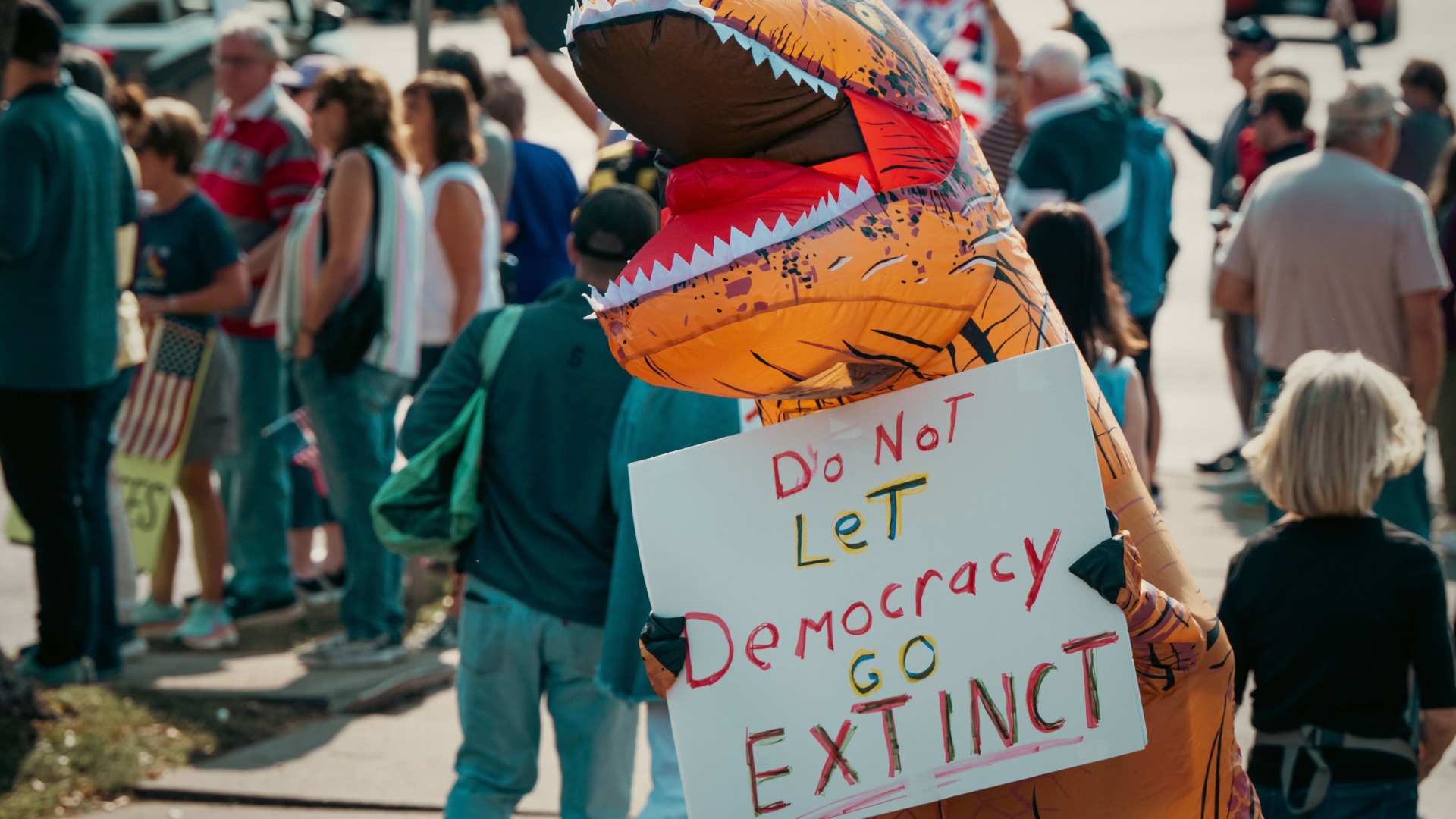
Democracy, which has historically proven most effective in meeting these criteria, cannot be taken for granted. In our AI era, citizens should press for more than multiparty elections and the protection of basic freedoms; that institutional core is not enough. We must carefully regulate and channel powerful technologies with the capacity to divide us from one another and short-circuit social and political participation. That means maintaining spaces in civil society where human contact and social friendship can flourish without the mediation of machines, beginning with the educational systems through which all citizens pass. It means fighting deepfakes and disinformation in the public sphere, so that citizens still operate in a world of facts and evidence and political representation has a strong basis.
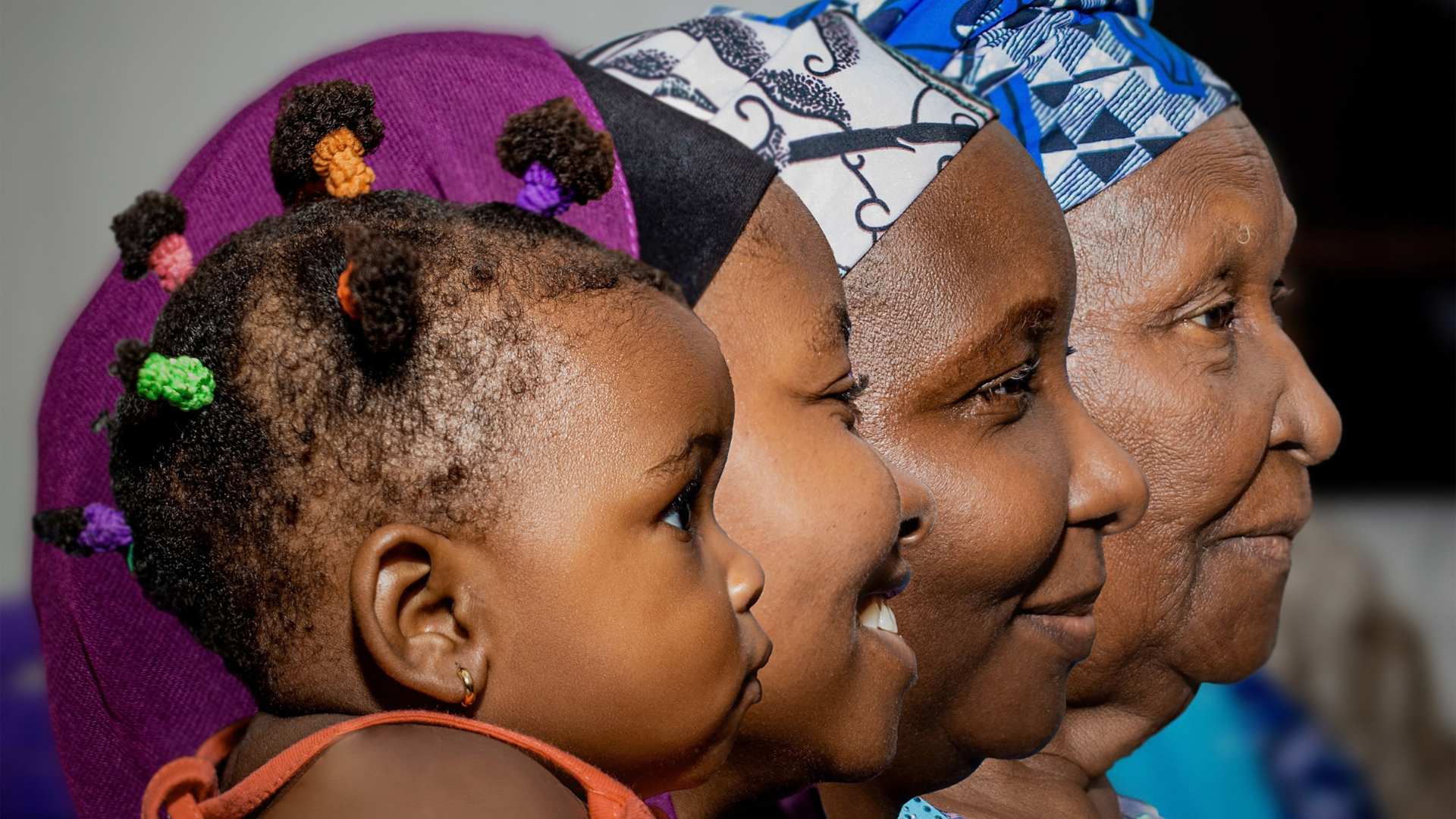
Artificial intelligence (AI) is increasingly entering public life in Ghana, including through digital systems used for identification, verification and service delivery. The ethical question is therefore not simply what AI can do, but what happens to people when digital systems become gateways through which citizenship, mobility or access to services are recognised. In northern Ghana, especially in border communities, this is a concrete question. I was privilege to visit Pusiga community in November 2025 with a Jesuit friend of my mine who is originally from the community. Thus, the topic for this article resonates very well with me.
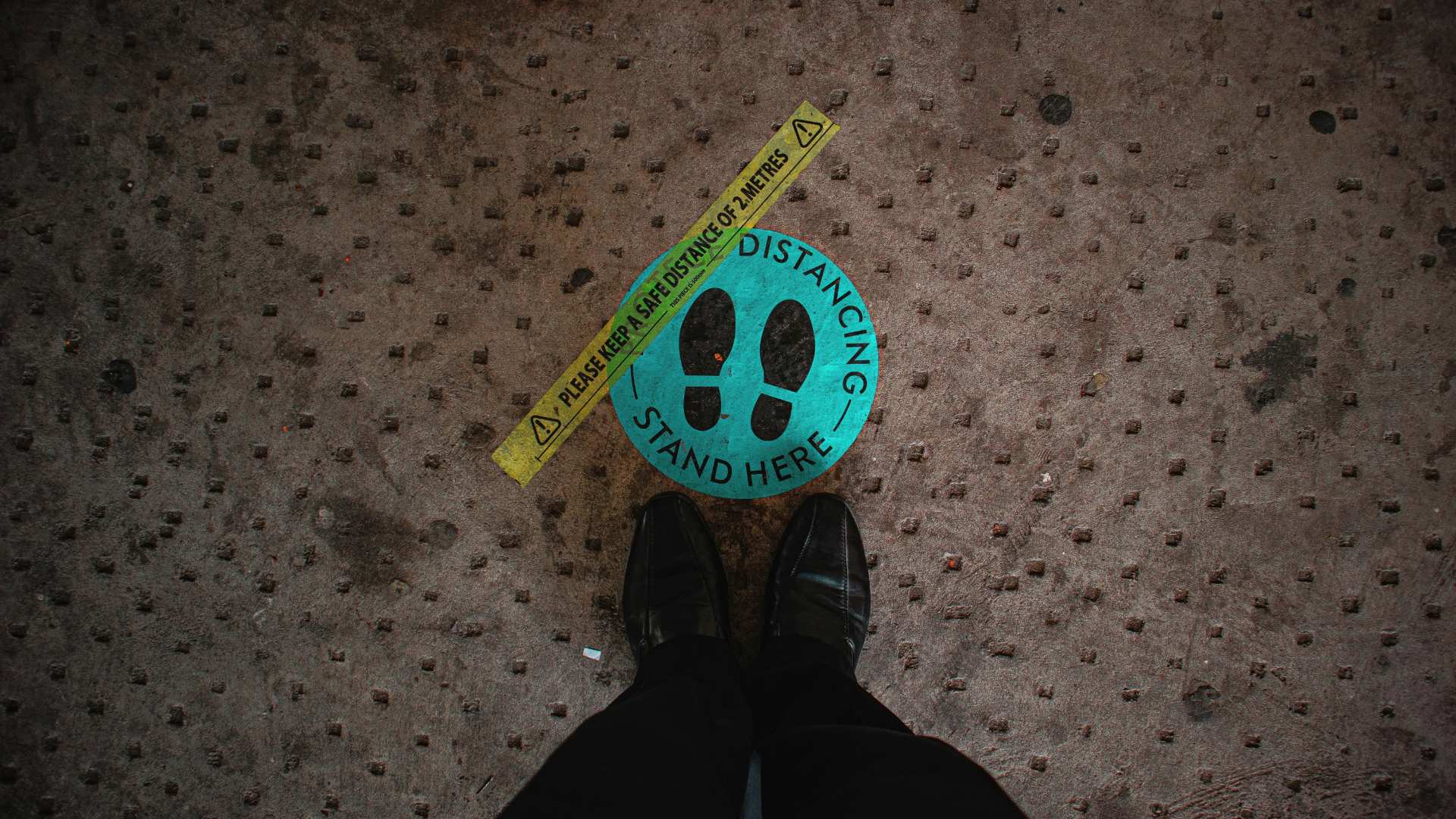
The article ‘Pandemic and Authoritarianism’, by Germán Rosa, SJ, was written in the midst of the COVID-19 crisis, but its insights extend beyond that context. The pandemic appears to reveal and accelerate political trends that were already present: the concentration of power, the weakening of democratic checks and balances, and the acceptance of extraordinary restrictions in the name of collective security. Rosa’s main concern is that fear may lead citizens to silently surrender their freedoms and rights, and that measures which were initially intended to be temporary become normalized and endure. Furthermore, in societies riven by inequality, control is never distributed neutrally: it falls most heavily on the impoverished, marginalized groups, migrants, dissidents and those who defend rights and territories.
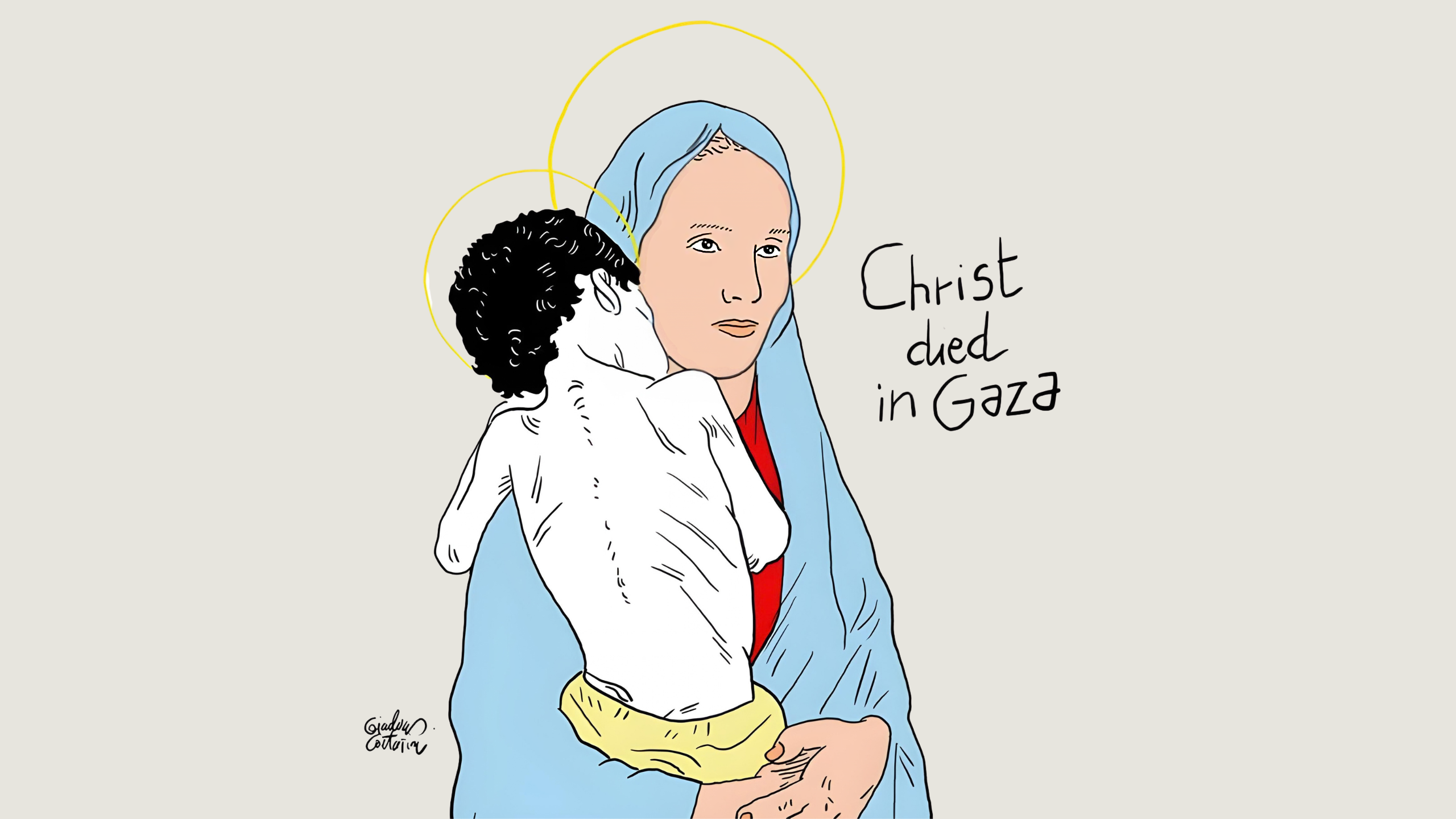
Speaking of dead children is uncomfortable. Yet it can also be healing. As I listened to the stories shared that day, I found myself returning to memories I may at times shy away from remembering. Iremember finding my sister’slifeless body in bed one Saturday morning. Ihad cometo carry her out with me to watch cartoons.As I listened tothe story of Hind Rajab, a 5-year-old girl who had been trapped inside a car attacked by Israeli forces,the memory of a little boy reaching out to touch his sister came back. The young girlhadmanaged to call the Red Crescent for help but hours later she and the paramedics who had come toassisther were all found dead. The chilling story reminded me of the shocking cold that struck my hand as I gently touched my sister’s arm in a futile attempt to wake her up.

Who Are the Victims and Those at Risk of Becoming Victims? When it comes to mining, particular attention must be paid to those who are most vulnerable: Indigenous communities whose livelihoods depend on their land, forests, rivers, and water sources; small-scale farmers; fishers; poor families; women, children, and older people; as well as communities with the least bargaining power in legal, economic, informational, and political matters. They may become victims when land loses its social function, when water sources are polluted or disappear, when the environment is damaged, when livelihoods are disrupted, or when their social and cultural life is transformed without their genuine consent.