Everything Has Spirit
“Nagmapu ta müli ta ngen, müli ta trayenko, müli ta llufüngechi ko, müli ta tren tren, müli ta lavken, müli ta degün, rangi wenu mapu müli ta wangülen, müli ta antü, müli ta küyen, vil ta kisuengun, kisu ta mülelayengün, vil ta niengun ta ngen” (On earth there are Ngen. There are waterfalls, deep waters, the sea, sacred mountains, volcanoes, stars in the middle of the sky, the sun, the moon. No one is alone; nothing exists in solitude; everyone has a Ngen)
These words were spoken by a wise Mapuche man from the territory when I asked him about the meaning of the indigenous new year around the winter solstice.
“Nothing exists in solitude.” This certainty is what I have experienced in the lavkenmapu (the Mapuche territory next to the Pacific Ocean). It not only means that human beings live together, but that we also live in community with other non-human beings.
A second certainty emerges: everything has a Ngen or a spirit. Yes, even a stone is alive; it has a spirit!
We are all interconnected in some way, and nothing is isolated. Sometimes I walk along the path, greeting trees, stones, little animals, or the air. I stop myself, and my rational, scientific-technical mind tells me: "You're crazy, there are no people there." No, it's not a fad or a custom to follow because I live here, but rather a conviction in my body that, when I encounter them, I can do nothing but stop and greet them. It wasn't always this way. I've had to spend a lot of time and space in silence and adaptation, guided by very spiritual men and women of the land who have taught me like a child. I'm still learning. In this process, a key part of the journey has been learning to ask permission, so typical of indigenous peoples. Wherever they go, whether it's to the sea, a waterfall, a lake, a tree, or to look for medicinal plants or fruits to eat, they ask permission from the Ngen, or spirits, of those places. This attitude is so necessary not only for natural spaces but for every human being, people, and culture.

Understanding that everything has a spirit, or Ngen, as they say in the Mapuche language, is key to understanding the tragedies we are experiencing in this socio-environmental crisis. Walking these paths, I have been invited to accompany healing ceremonies performed by a machi (Mapuche spiritual authority) together with the entire family and some members of the community. This ceremony lasts all night, and at dawn, one of the most significant rites for me takes place, one that speaks to this certainty that everything has a spirit. Two people close to the sick person are asked to call upon that person's spirit. One stands close and the other further away, and they shout three times: "Has their spirit arrived?" and the one close says, "No, not yet." The third time, the one close says, "Yes, it's coming." Then, a prayer is said to lift the spirit up and make it dance. This image is a beautiful example of what we are called to see, believe, and accompany. We need the spirit to return to the body. Not only to the sick person's, but to all the bodies we inhabit and are. How often do we not say colloquially when we are at peace after a difficult event: "My soul returned to my body." Indeed, a full life consists precisely in the body and spirit uniting, walking together and dancing with all living things.

I have experienced these certainties here and also while visiting other Indigenous communities throughout Latin America, from Mexico to Argentine Patagonia. In all of them, I have been convinced that the common tragedies of the territories, such as drug trafficking, extractivism, and weak democracies, are an expression of a model that has violently separated spirits from bodies based on utilitarian and violent relationships. In this model, permission is not sought, nor is it believed that everything has a spirit. In a way, it is the re-enactment of a way of looking at the other by de-souling them; taking away their soul to justify them as a thing, something that can be used, abused, and thrown away. This is how the destruction of all living things is justified.
It reminds me of the philosophical and theological discussions of the 16th century about whether the Indigenous person has a soul. I deeply believe that each of us is made up of three bodies: the physical body, the body of Mother Earth, and the community body. Each with its protective spirits that dance together to give us life. The tragedy is that these bodies are poisoned, dismembered, their spirits expelled. Among the Mapuche with whom I live, it is said that extractivism drives out the Ngen, which, on land or in the sea, leave behind lifeless bodies.

Nothing is separate. We are part of a great family of living beings where human beings have our place, not the only place. In that territory and from the wisdom of people connected to the earth, one learns that mind, spirit, body, earth—everything is deeply interconnected. An imbalance in one dimension causes us, as individuals, as a community, and Mother Earth herself, to become ill. It is an invitation to believe again that everything has a spirit, to ask permission and live in community.
This journey has helped me understand my own Jesuit priesthood, which, in the style of Ignatius, is an invitation to “love and serve in all things.” Everything is a path to finding God, to loving. And this implies gaining freedom to listen and allow ourselves to be taught by a new way of living life. This freedom of one who feels like a pilgrim in search of the Spirit, allowing themselves to be taught, expanding horizons, understandings, feelings, and thoughts, like a child in the hands of their teacher. It implies being left without words, without answers, without pre-prepared solutions. To remain silent about our Western Catholic and Jesuit verbosity, in order to, on a long pilgrimage from “not being able,” from silence, be enabled to hear the “word of the people of the land” (chedungun) and of the land itself (mapudungun). Like Ignatius in Montserrat,[1] one discovers this multiform presence of the divine when we learn to remove our garments and experience the territory in all its reality. Being a Pilgrim in a territory, allowing oneself to be taught by it, transforms one's gaze with a new understanding, just as Ignatius did on the banks of the Cardoner: “as he sat there, the eyes of his understanding began to open (…) with such great enlightenment that all things seemed new to him.”[2] This pilgrimage through these territories from “not being able,” asking permission, recognizing the interrelationality of all living things, takes us out of hegemonic logic and opens us to the mystery of God in the cosmos.
[1] Autobiography18.
[2] Autobiography 30.
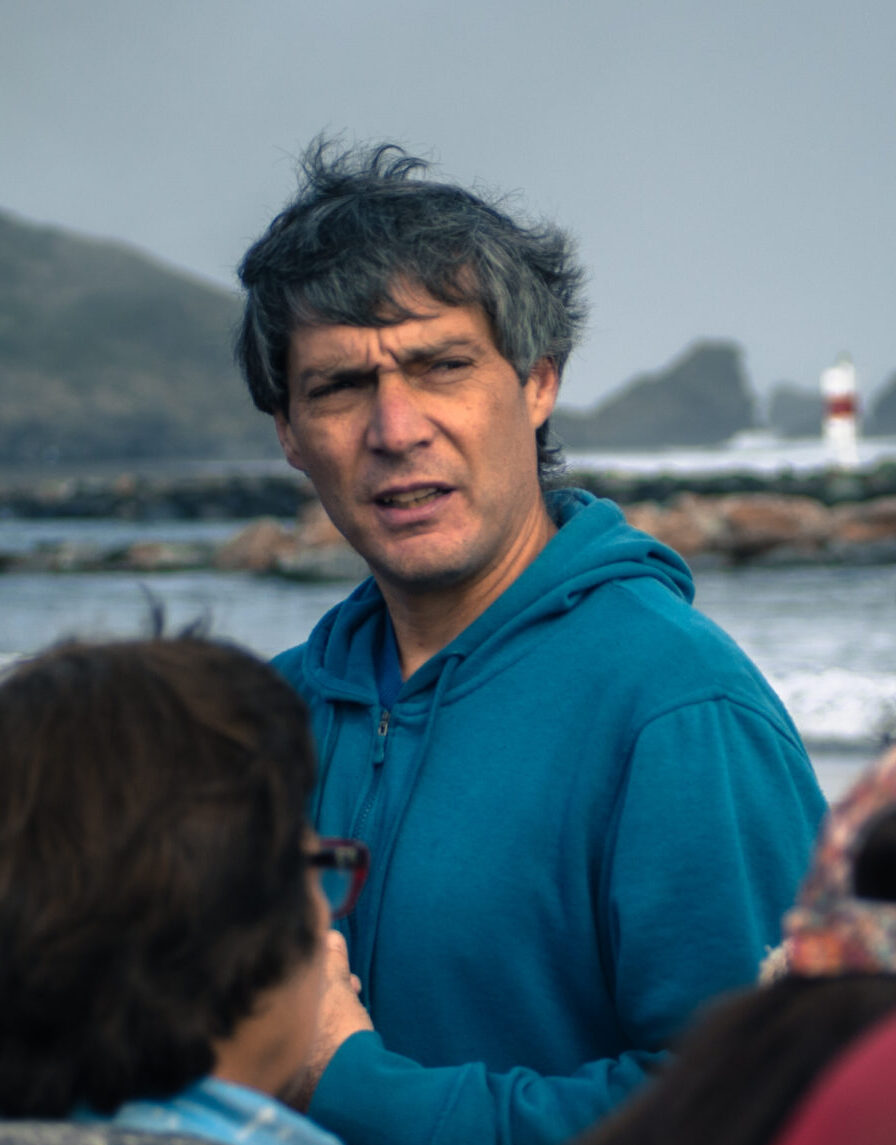
Carlos Bresciani Lecannelier
Jesuit priest of the Chilean province, born in Santiago de Chile. He has lived in Mapuche territory since 2003. He entered the Society of Jesus in 1993 and was ordained a priest in 2006. He is currently 52 years old. He studied philosophy and theology at the Pontifical Catholic University of Chile and then earned a license in Pastoral Theology at the Faculty of Theology in Granada, Andalusia, Spain. Currently, along with two other Jesuit colleagues, he accompanies individuals, groups, and communities in the commune of Tirua, in the Biobío region, 700 km south of the capital, as part of the presence of the Society of Jesus in Chile since 2000. Their efforts focus primarily on strengthening the health and spirituality of the territory, the Mapuche language, and caring for the land.
Related Posts:
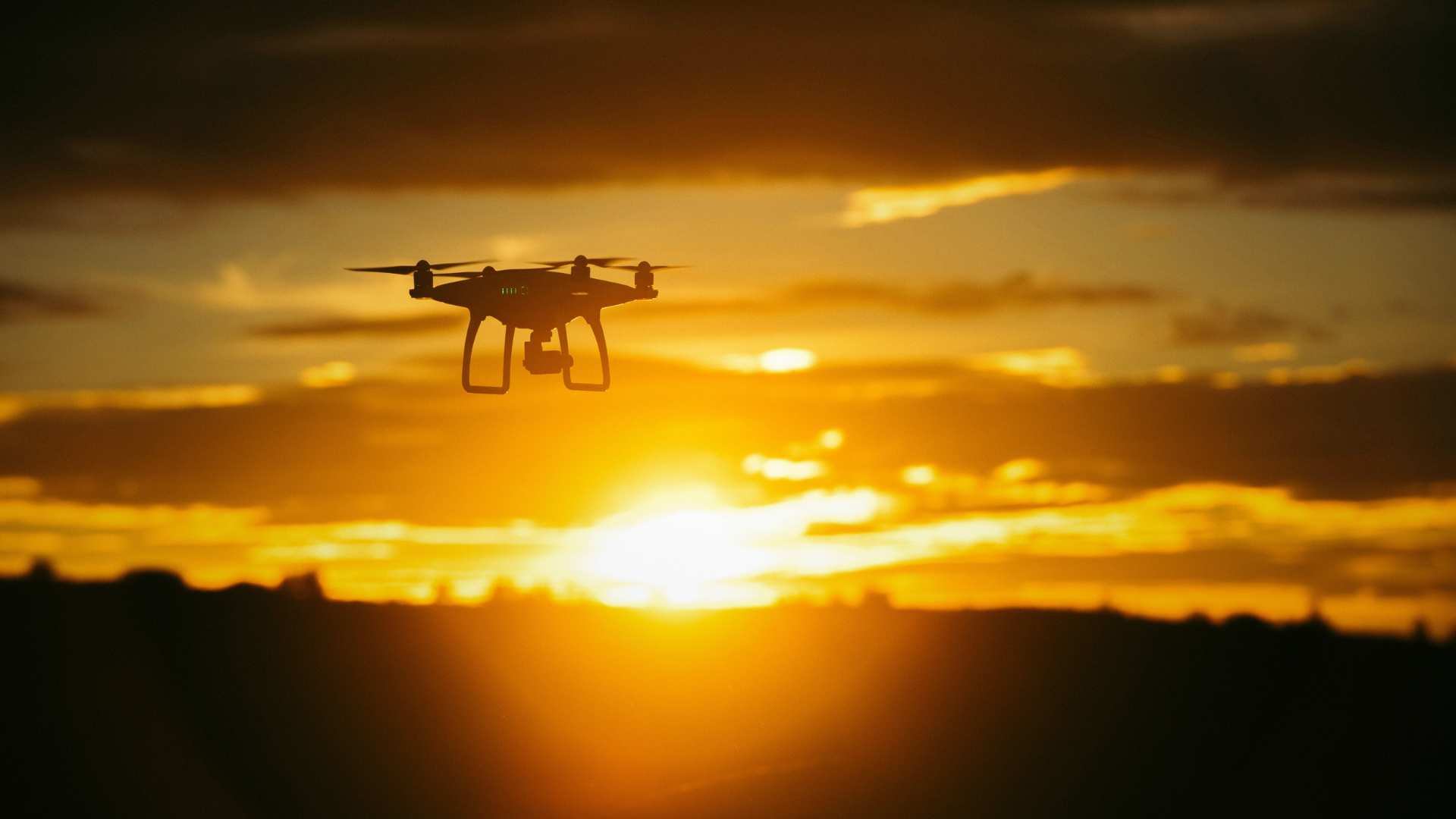
In Magnifica Humanitas, Pope Leo XIV warns that machine intelligence in war ends by “reducing victims to data.” The machine profiling that registers a person for food can also be used to select a person as a target. A small drone circling a road, with no one steering it, can have such a profile as its target. A drone like this is an autonomous weapon system. Once activated, it selects and attacks targets by itself, matching what its sensors detect to a programmed target profile. No human being decides, at the moment of the strike, that this particular person will die or is the right target. The case most often cited as the first use of such a weapon against people, reported by UN experts, was in Africa, in Libya in 2020.
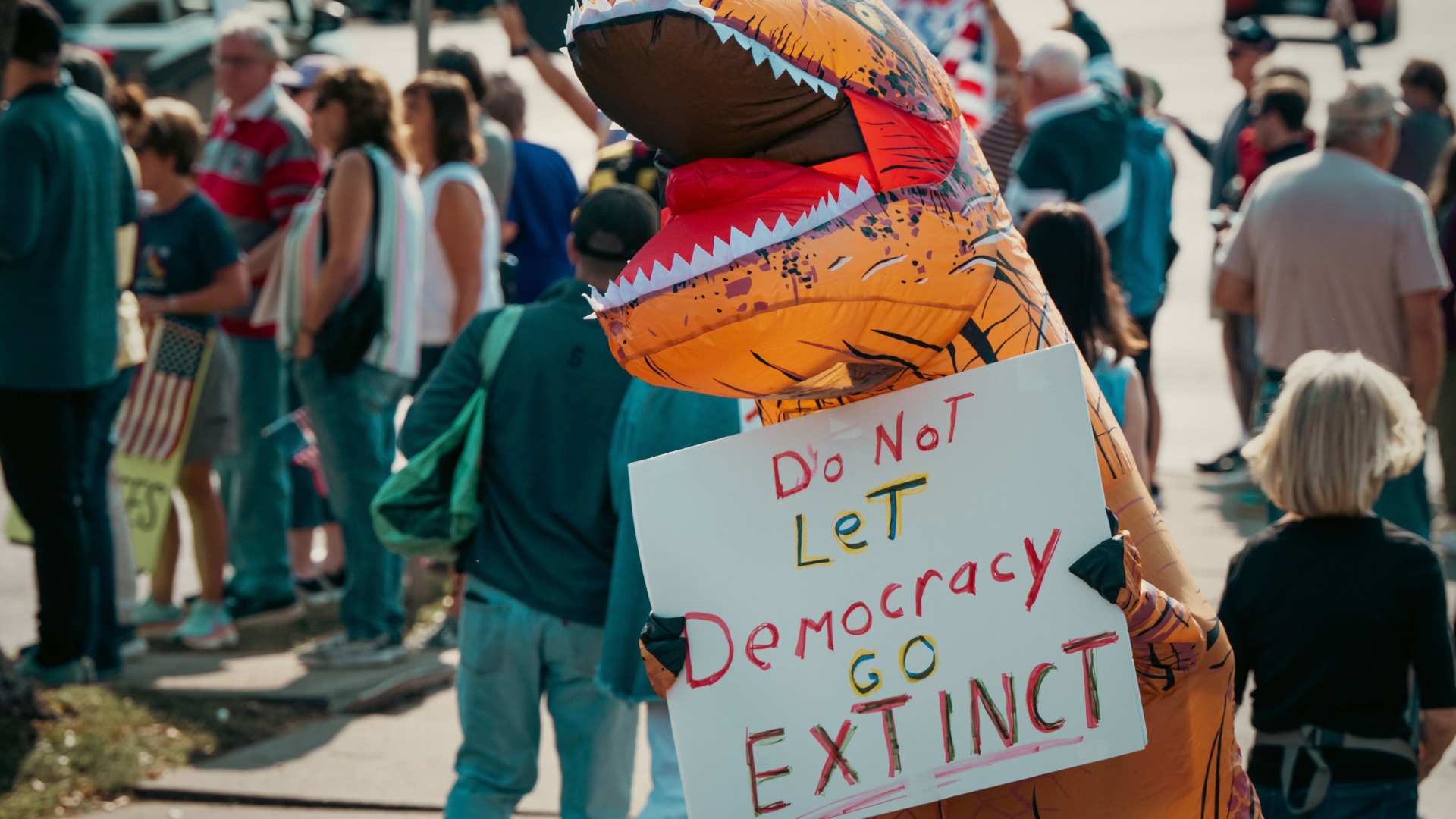
Democracy, which has historically proven most effective in meeting these criteria, cannot be taken for granted. In our AI era, citizens should press for more than multiparty elections and the protection of basic freedoms; that institutional core is not enough. We must carefully regulate and channel powerful technologies with the capacity to divide us from one another and short-circuit social and political participation. That means maintaining spaces in civil society where human contact and social friendship can flourish without the mediation of machines, beginning with the educational systems through which all citizens pass. It means fighting deepfakes and disinformation in the public sphere, so that citizens still operate in a world of facts and evidence and political representation has a strong basis.
Artificial intelligence (AI) is increasingly entering public life in Ghana, including through digital systems used for identification, verification and service delivery. The ethical question is therefore not simply what AI can do, but what happens to people when digital systems become gateways through which citizenship, mobility or access to services are recognised. In northern Ghana, especially in border communities, this is a concrete question. I was privilege to visit Pusiga community in November 2025 with a Jesuit friend of my mine who is originally from the community. Thus, the topic for this article resonates very well with me.
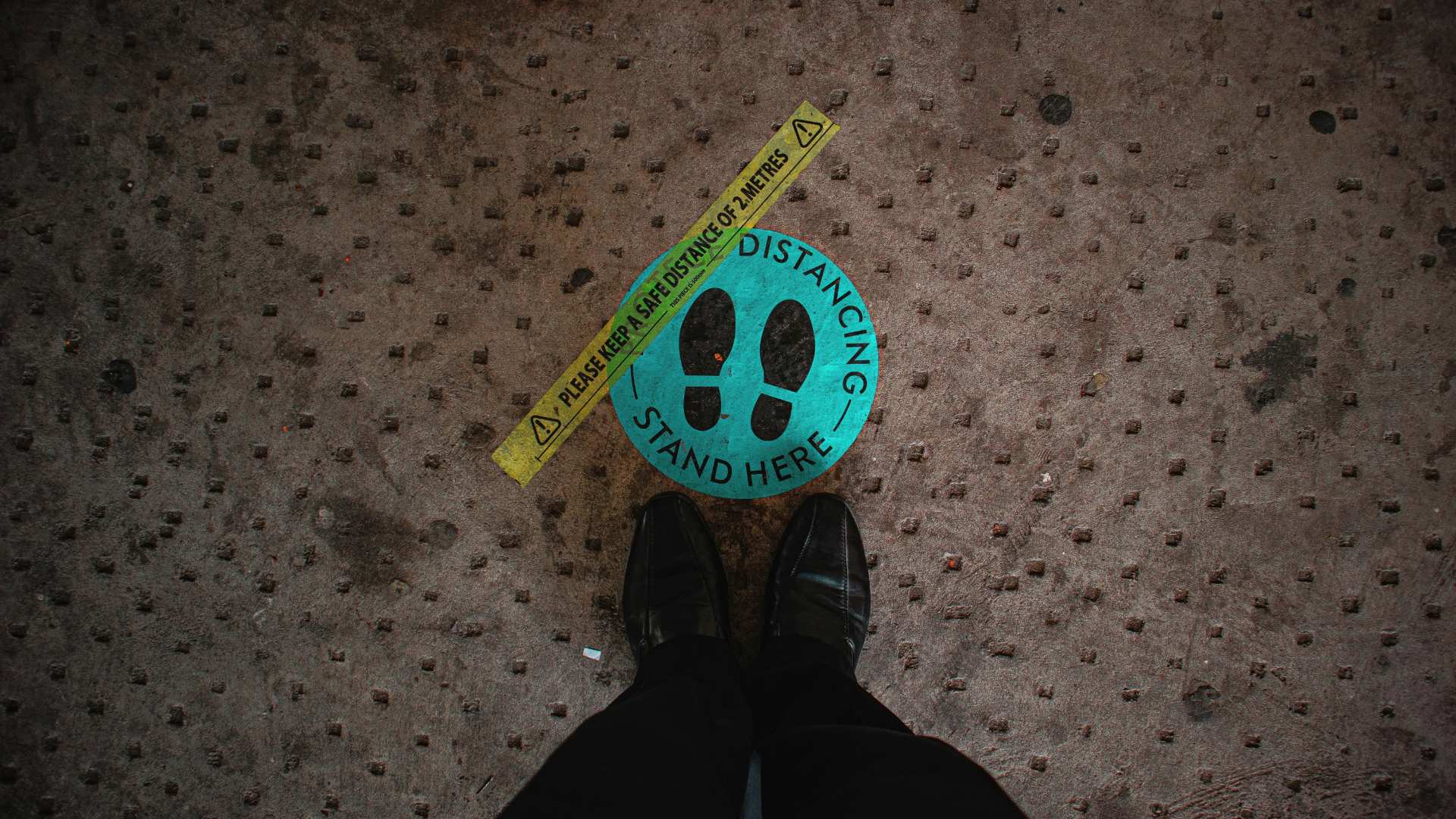
The article ‘Pandemic and Authoritarianism’, by Germán Rosa, SJ, was written in the midst of the COVID-19 crisis, but its insights extend beyond that context. The pandemic appears to reveal and accelerate political trends that were already present: the concentration of power, the weakening of democratic checks and balances, and the acceptance of extraordinary restrictions in the name of collective security. Rosa’s main concern is that fear may lead citizens to silently surrender their freedoms and rights, and that measures which were initially intended to be temporary become normalized and endure. Furthermore, in societies riven by inequality, control is never distributed neutrally: it falls most heavily on the impoverished, marginalized groups, migrants, dissidents and those who defend rights and territories.
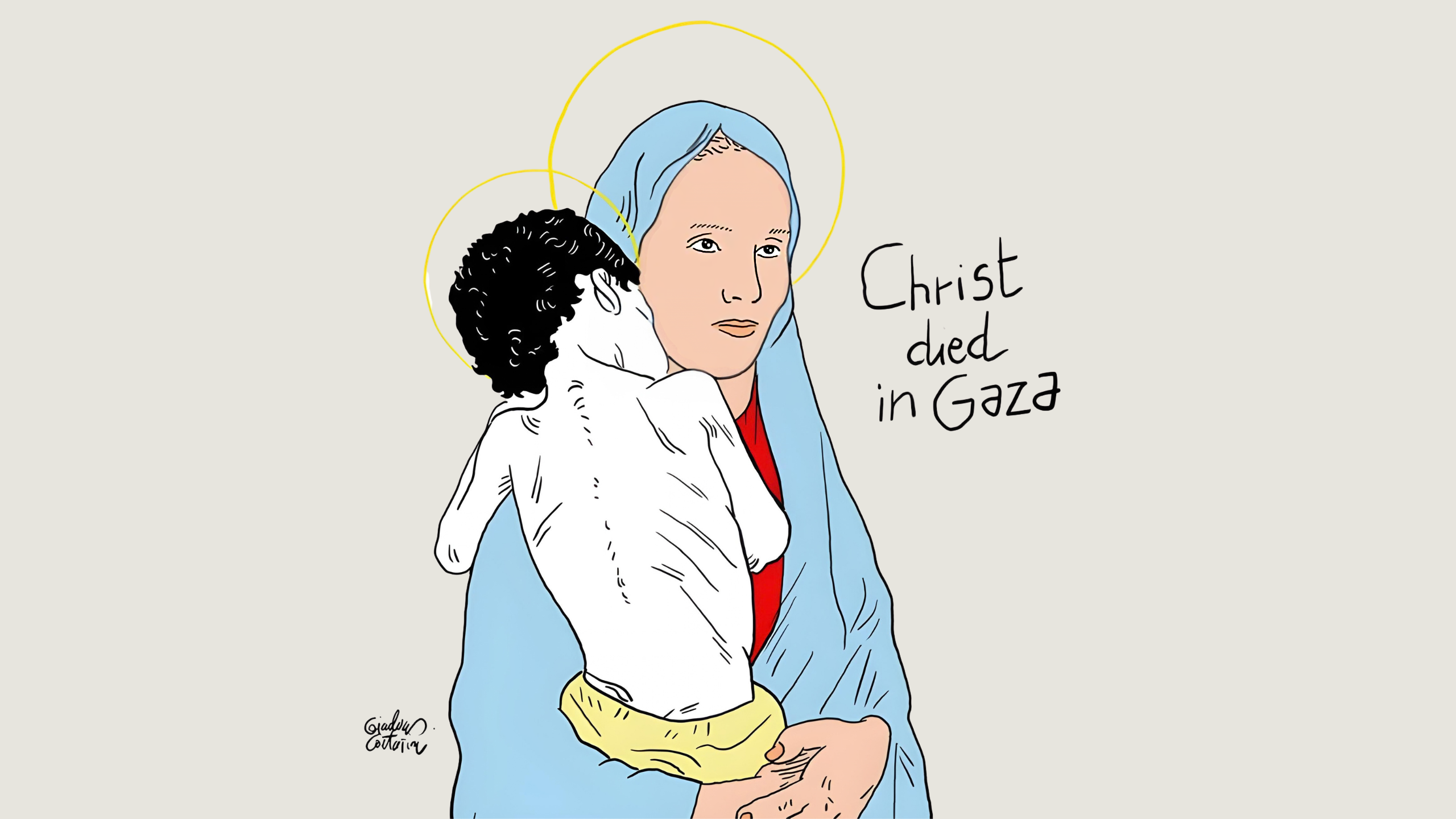
Speaking of dead children is uncomfortable. Yet it can also be healing. As I listened to the stories shared that day, I found myself returning to memories I may at times shy away from remembering. Iremember finding my sister’slifeless body in bed one Saturday morning. Ihad cometo carry her out with me to watch cartoons.As I listened tothe story of Hind Rajab, a 5-year-old girl who had been trapped inside a car attacked by Israeli forces,the memory of a little boy reaching out to touch his sister came back. The young girlhadmanaged to call the Red Crescent for help but hours later she and the paramedics who had come toassisther were all found dead. The chilling story reminded me of the shocking cold that struck my hand as I gently touched my sister’s arm in a futile attempt to wake her up.
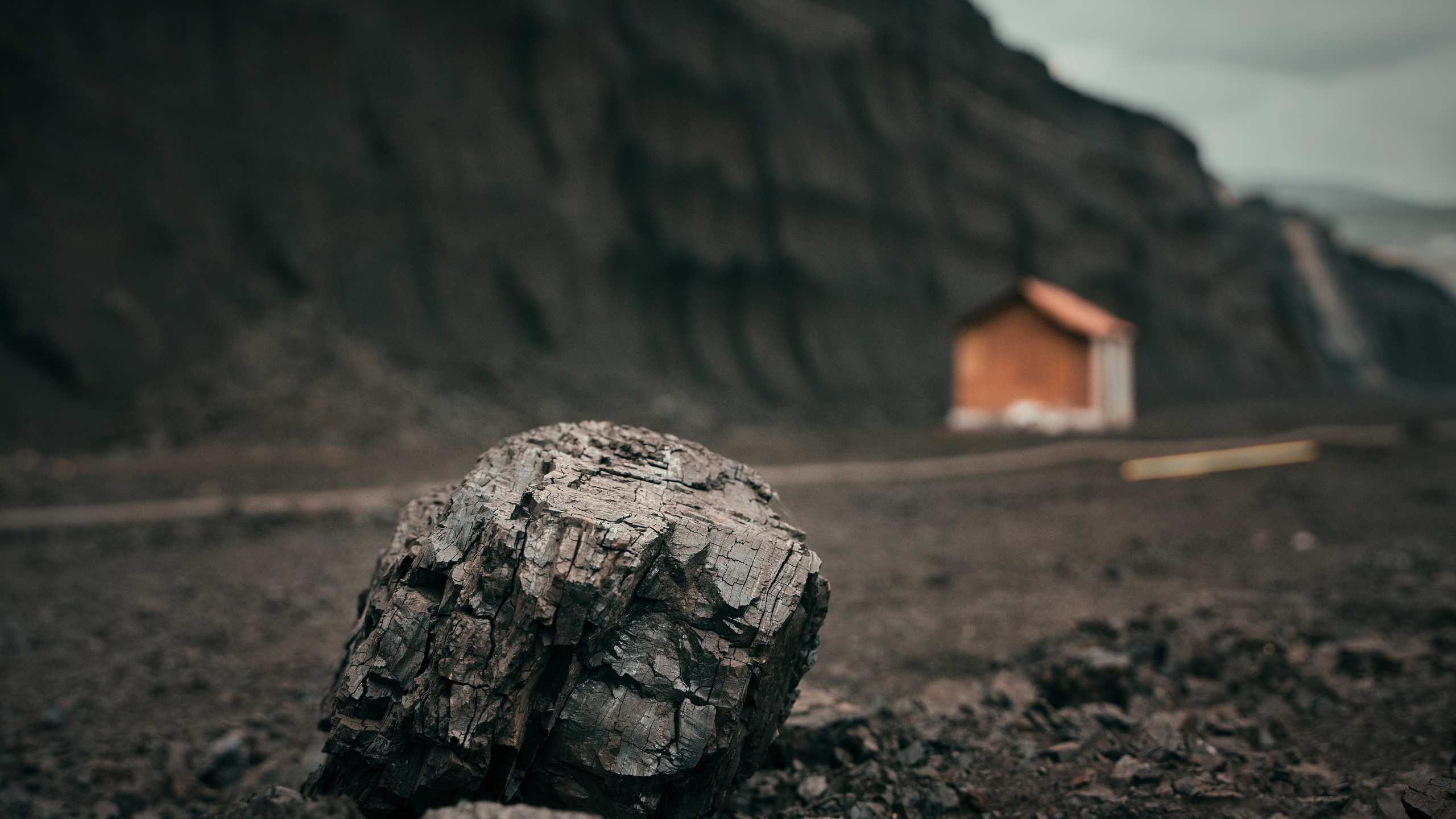
Who Are the Victims and Those at Risk of Becoming Victims? When it comes to mining, particular attention must be paid to those who are most vulnerable: Indigenous communities whose livelihoods depend on their land, forests, rivers, and water sources; small-scale farmers; fishers; poor families; women, children, and older people; as well as communities with the least bargaining power in legal, economic, informational, and political matters. They may become victims when land loses its social function, when water sources are polluted or disappear, when the environment is damaged, when livelihoods are disrupted, or when their social and cultural life is transformed without their genuine consent.