Global – Challenges in eradicating female genital mutilation
Female genital mutilation (FGM), according to UNICEF, encompasses any procedure involving partial or total removal of the external genitalia or any other act affecting the female genital organ for non-medical purposes. It mainly affects young girls up to the age of 15. This practice violates the fundamental rights of girls and women, including their right to health, safety and dignity.
Unfortunately, FGM persists in several African countries such as Guinea, Mali, Burkina Faso, Côte d'Ivoire and the northeastern Democratic Republic of Congo (DRC). It has a range of physical, psychological and mental consequences, including depression, birth complications, infertility and HIV risk.
In some African communities, FGM is seen as a preparation for adulthood and marriage, justified by preserving virginity and controlling sexual desires. Traditional practitioners, often without the consent of the girls, clandestinely carry out these practices, rooted in culture and religion.
Although the DRC has made legal efforts to protect the rights of men and women, gender inequalities persist and limit sustainable human development. International, regional and sub-regional legal instruments ratified by the DRC, such as the Universal Declaration of Human Rights and the Protocol to the African Charter on Human and Peoples' Rights on the Rights of Women, can address this issue.
It is crucial to disseminate these laws to reduce the impact of FGM at the local level and promote an environment where every girl can exercise control over her body and fully enjoy her rights. FGM remains a form of violence against women, and awareness-raising campaigns are needed to inform communities about its illegality. Organisations such as Fe y Alegría-DRC are committed to addressing this problem through education programmes on human rights and gender equality, even in regions where it is less prevalent.
Source: Feyalegria.org
Related Posts:
For April, the Holy Father chose to pray particularly for women, the recognition of their dignity and role in society: "Let us pray that the dignity and worth of women be recognised in every culture and for an end to the discrimination they face in various parts of the world".
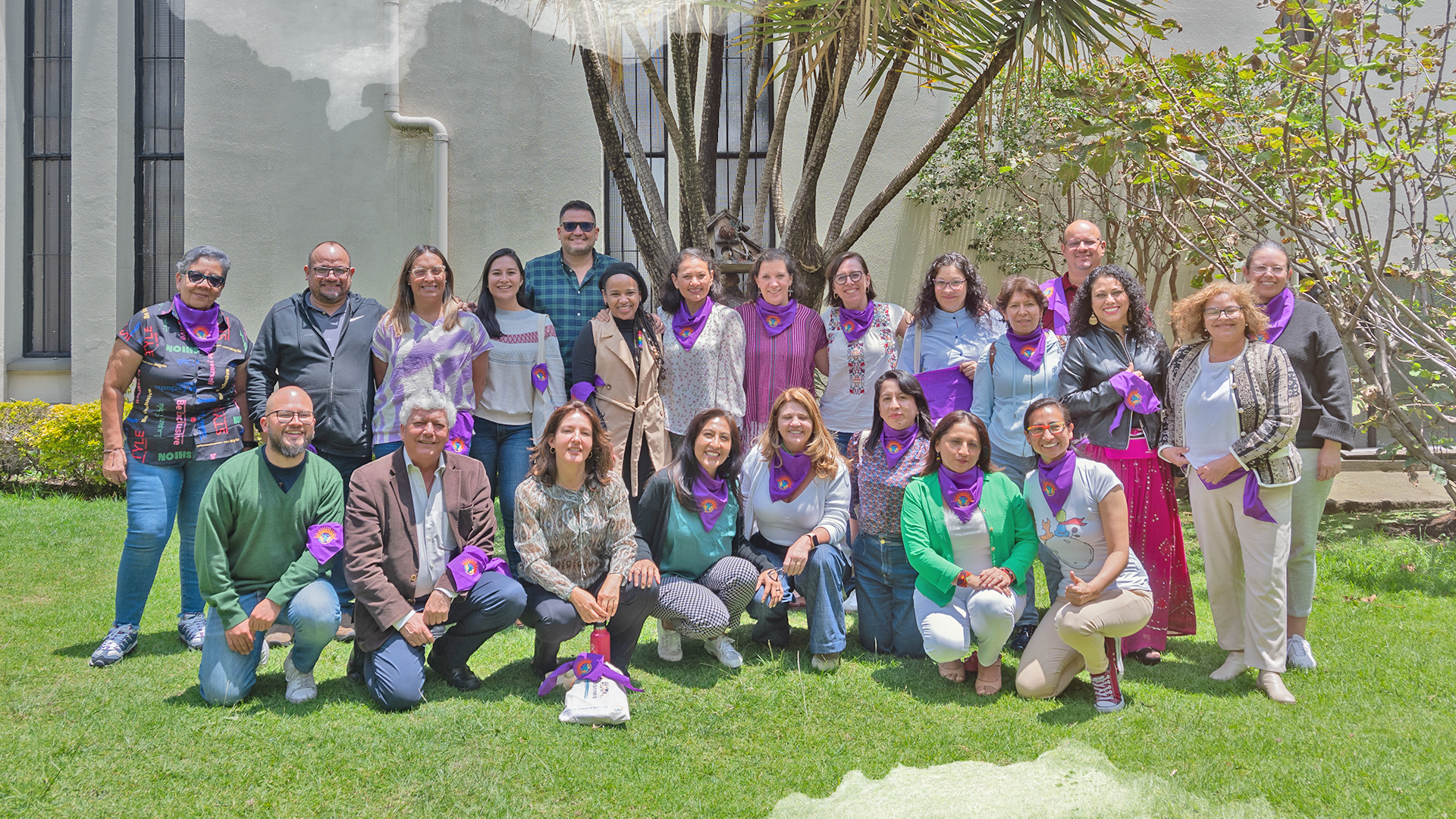
Representatives of nine provinces of CPAL met in person in Bogotá, Colombia. It was an opportunity to reaffirm their dreams and commitment to continue walking together, training on, and reflecting upon the impact of gender equality in the apostolic body of the Society of Jesus in the Latin American and Caribbean territories.
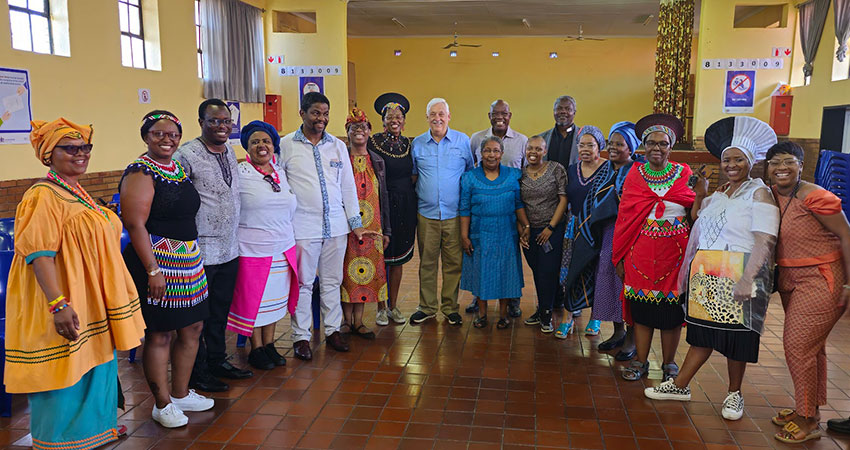
This year, the global Commission on the Role and Responsibilities of Women of the Society of Jesus has been actively engaged in attentive listening.
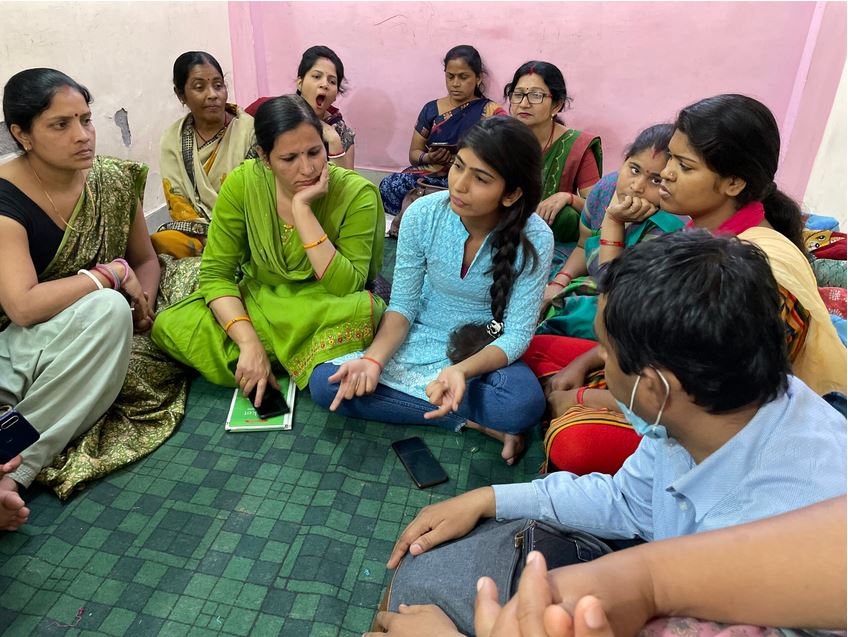
In emergency and post-emergency situations, CJI’s Jesuit partners ensure that there are safe spaces for children and women – it has long been established that gender-based violence increases during times of war and conflict.
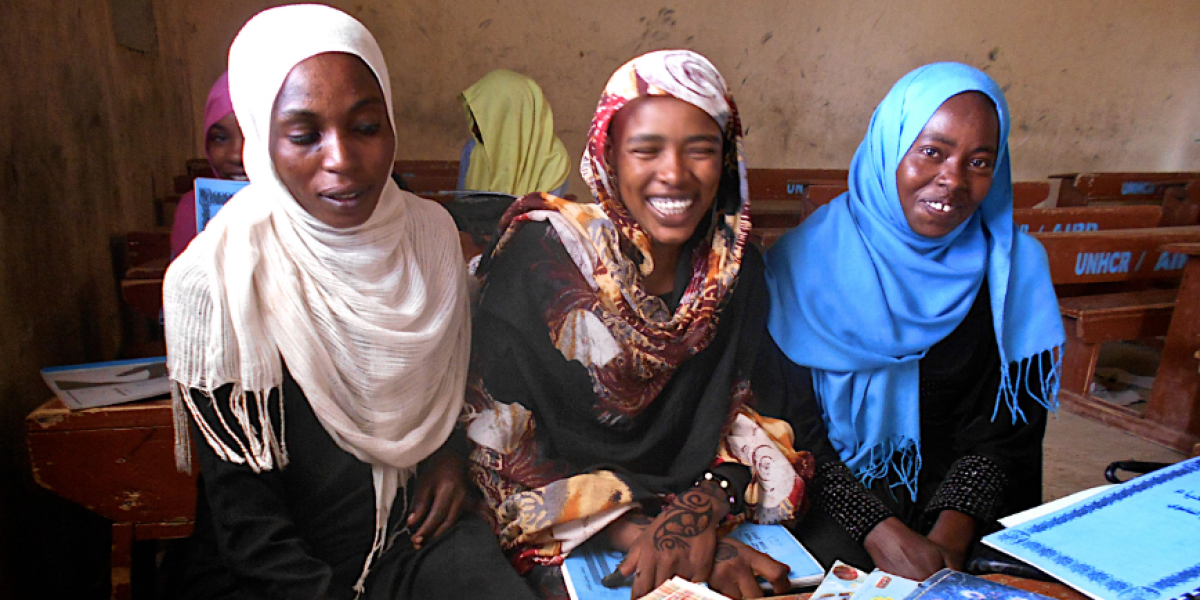
In this newsletter we hear from our partners in Africa and Asia about the ways in which people they work with are denied the most basic right of education and why they have made education a priority for their work.
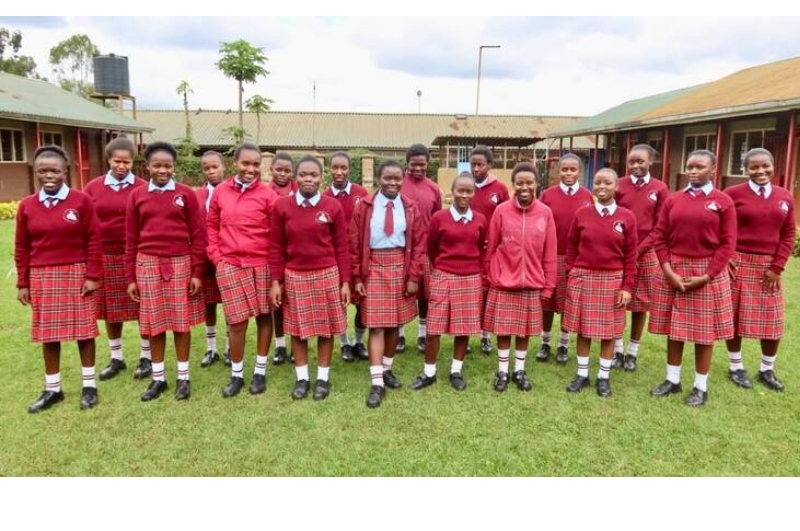
Tragically, the stories shared by these African girls are not unique. Globally, 15 million adolescent girls have endured forced sex at some point in their lives, according to a report by the U.N. Special Representative of the Secretary-General on Violence Against Children.