Africa – Jesuits and nuns team up to bring education to vulnerable African girls
Elizabeth Mbula speaks carefully and deliberately over the Zoom video link.
She is sitting in a dimly lit classroom in Machakos, Kenya, and her internet connection is not stable. But she is eager to speak in front of the room, lighting up in front of the camera.
Her braids drape over the shoulders of her orange school uniform as her school counselor, a sister of the Sacred Heart, looks on. “I could not pay attention in school because I was being beaten by my stepfather at home,” she explains. “He tried to rape me, but I escaped.”
Zinchia Adhuambo Norman, a 17-year-old Kenyan schoolgirl, shares a similar story. “I survived my father’s abuse for eight years,” she said.
She describes her experience with a pragmatic, hard-earned authority. In her single-room home in Nairobi, there was no escape from her father. When her mother discovered the abuse, she blamed Zinchia.
“I had to turn to the sisters,” Zinchia said.
“I was abused sexually by my father from eight to 13 years old. I thought every child goes through that. I believed this was a common experience for all children,” said Brenda Karimi, another abuse survivor. “I couldn’t understand that this was a grave violation of my rights.” A few audience members solemnly shook their heads as tears pooled in the corners of their eyes.
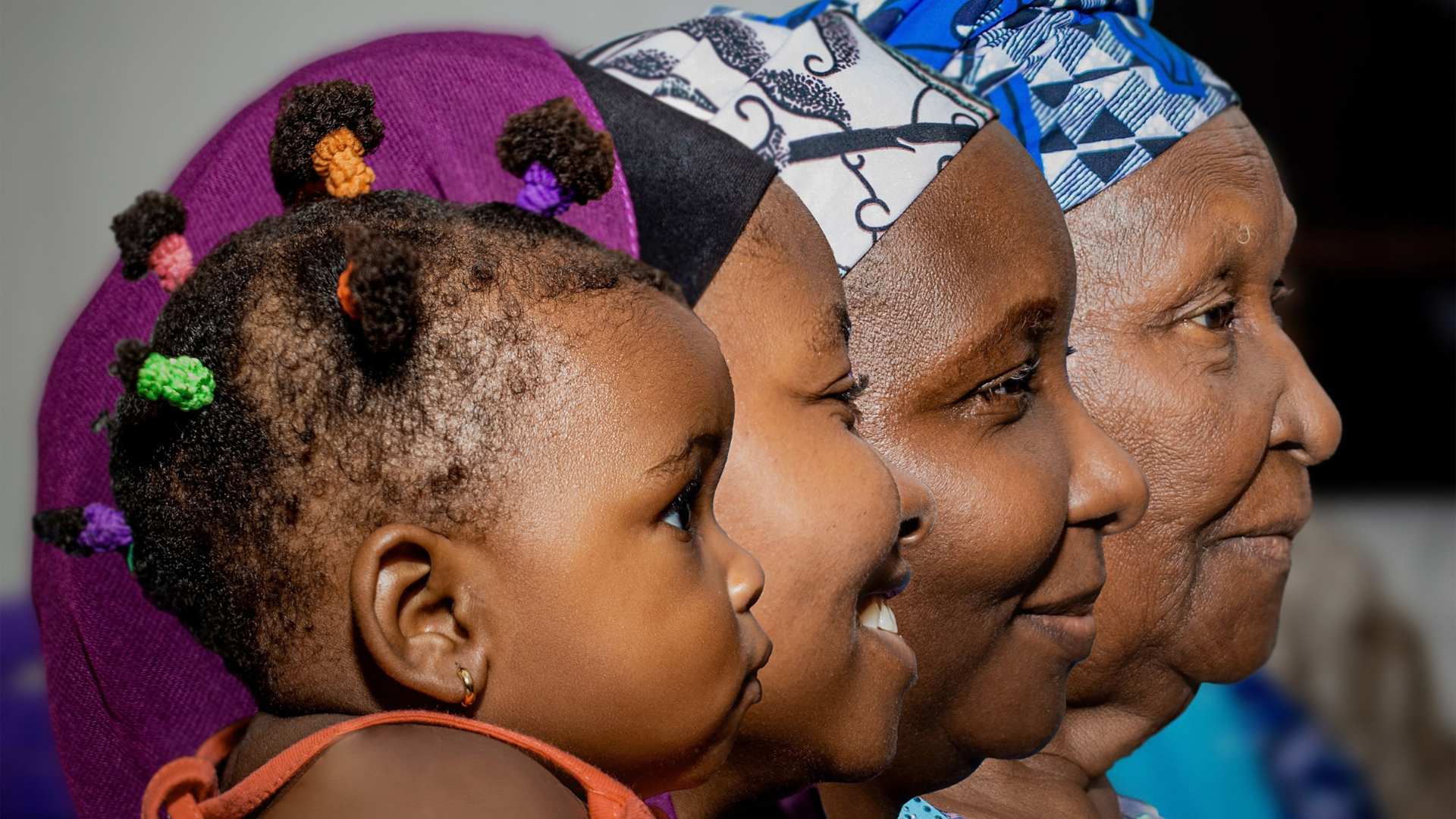
Elizabeth, Zinchia and Brenda shared their stories at a side event during the United National General Assembly on Sept. 18 in New York, “Empowering the African Girl Child Through Transformative Education; Harnessing the Power of Catholic Education for Sustainable Change,” hosted by the Jesuit Justice and Ecology Network-Africa and the Bakhita Partnership for Education.
Tragically, the stories shared by these African girls are not unique. Globally, 15 million adolescent girls have endured forced sex at some point in their lives, according to a report by the U.N. Special Representative of the Secretary-General on Violence Against Children. In sub-Saharan Africa, it is estimated that only one in 10 girls who are assaulted will report their abuse; gender-based violence is often referred to as the “silent epidemic.”
Resources for these young women are limited; many girls depend upon other adult figures in their lives, like teachers, to escape abuse at home, but there is a shortage of educators trained to help these girls.
Source : jesuits.africa
Related Posts:
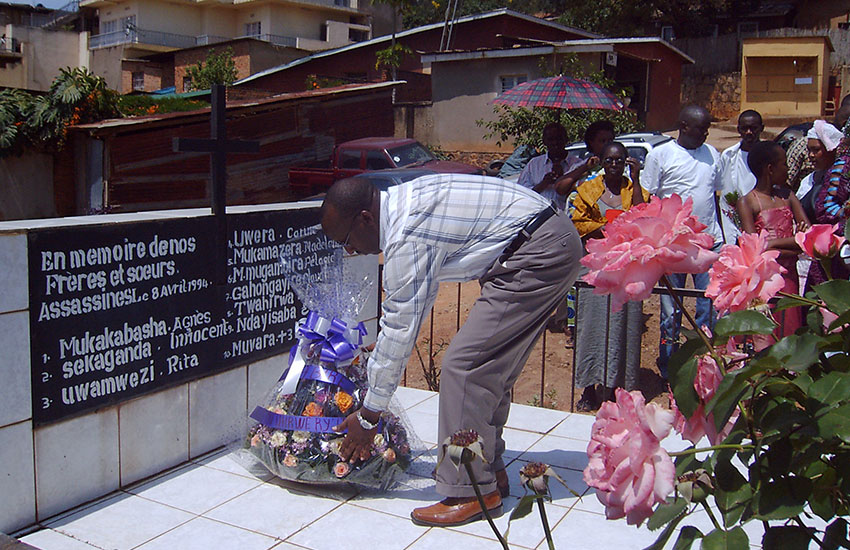
On the memorial day of the 1994 genocide against the Tutsi, J. Baptiste, a Jesuit genocide survivor from Rwanda, shared his story of the tragic event. On behalf of fellow Rwandans, he concluded with a prayer: "My prayer today is to find the last remains of the victims…, then [this] commemoration will mean something different. Only then will our wounds heal and the ongoing reconciliation process move faster."
For April, the Holy Father chose to pray particularly for women, the recognition of their dignity and role in society: "Let us pray that the dignity and worth of women be recognised in every culture and for an end to the discrimination they face in various parts of the world".
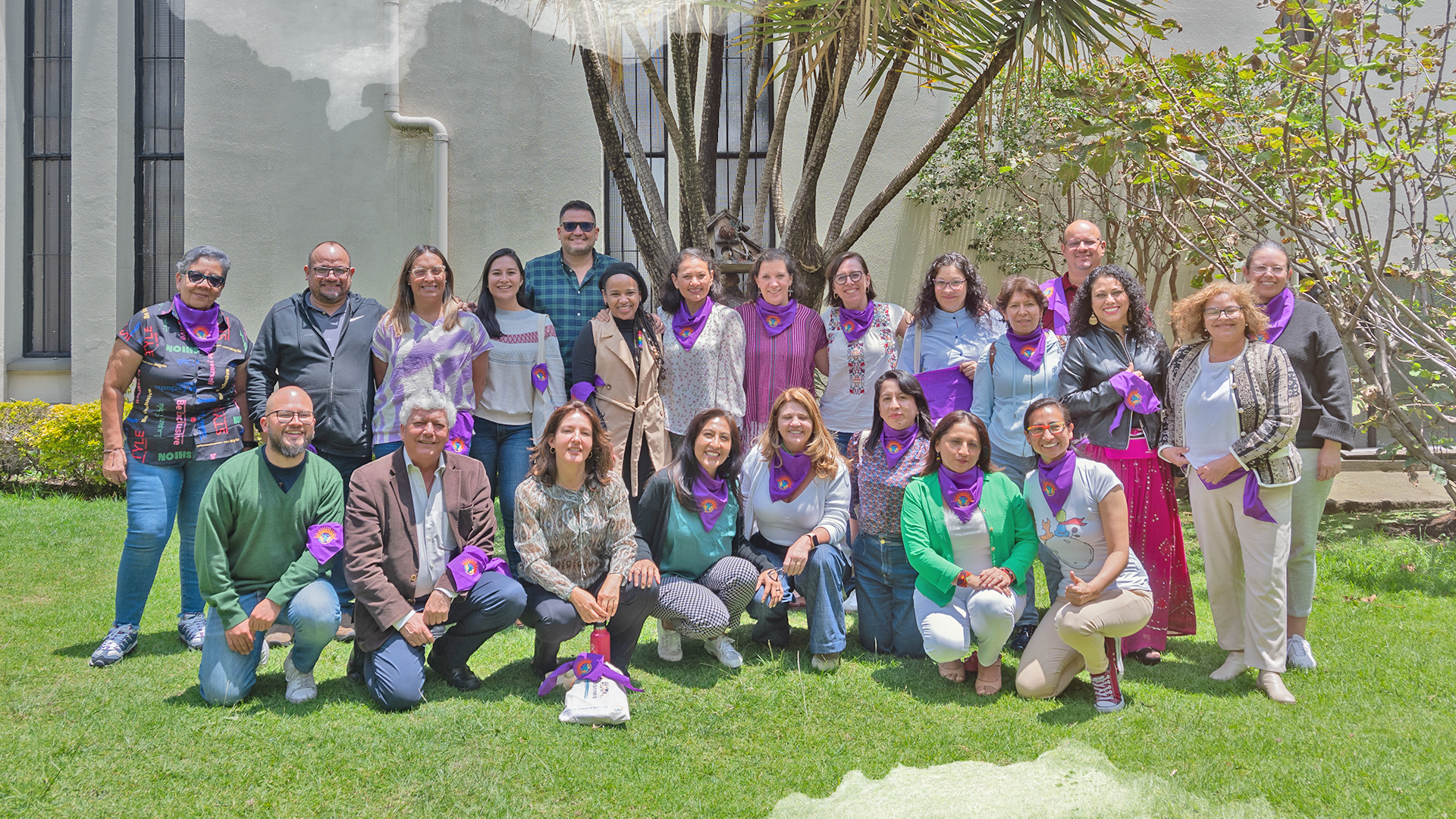
Representatives of nine provinces of CPAL met in person in Bogotá, Colombia. It was an opportunity to reaffirm their dreams and commitment to continue walking together, training on, and reflecting upon the impact of gender equality in the apostolic body of the Society of Jesus in the Latin American and Caribbean territories.
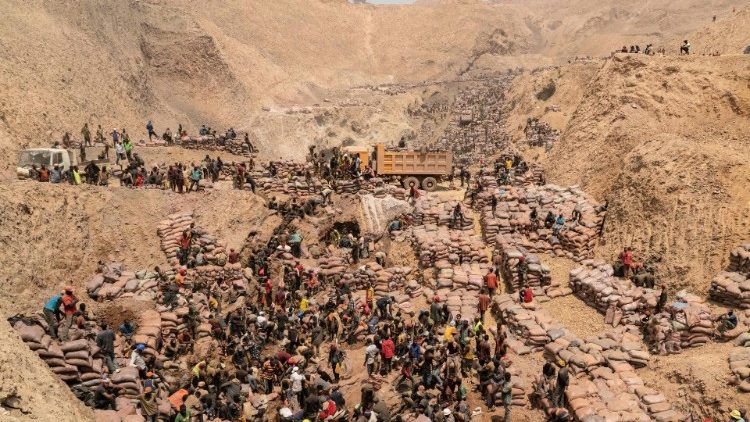
"Conflicts in Africa in the Context of the Exploitation of Natural and Mining Resources" was the theme of a seminar in Accra, Ghana. Participants in the seminar convened by the Symposium of the Episcopal Conference of Africa and Madagascar (SECAM) called for the end of the ruthless depletion of natural resources by multinational corporations and foreign powers.
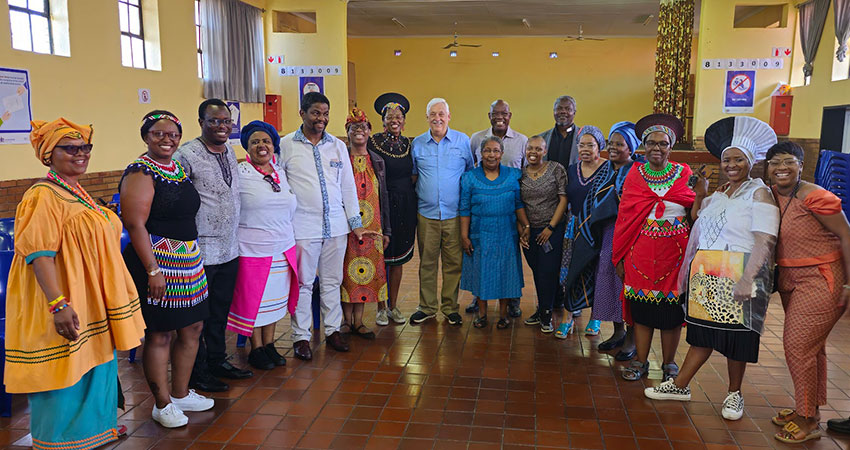
This year, the global Commission on the Role and Responsibilities of Women of the Society of Jesus has been actively engaged in attentive listening.
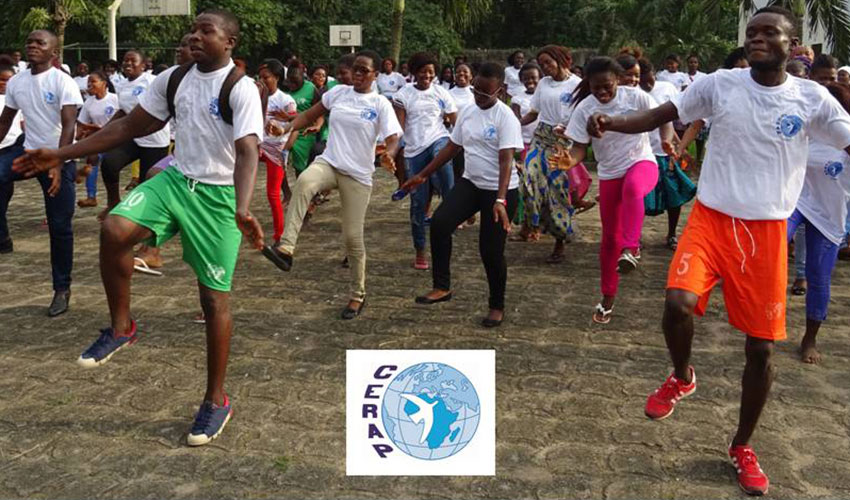
The morning of 24 February 2022, in Abidjan, capital of the Ivory Coast: the garden at CERAP or to use its full name, the Centre de Recherche et d’Action pour la Paix (Centre for Research and Action for Peace) resounds with cheers and the joyful shouts of young people.