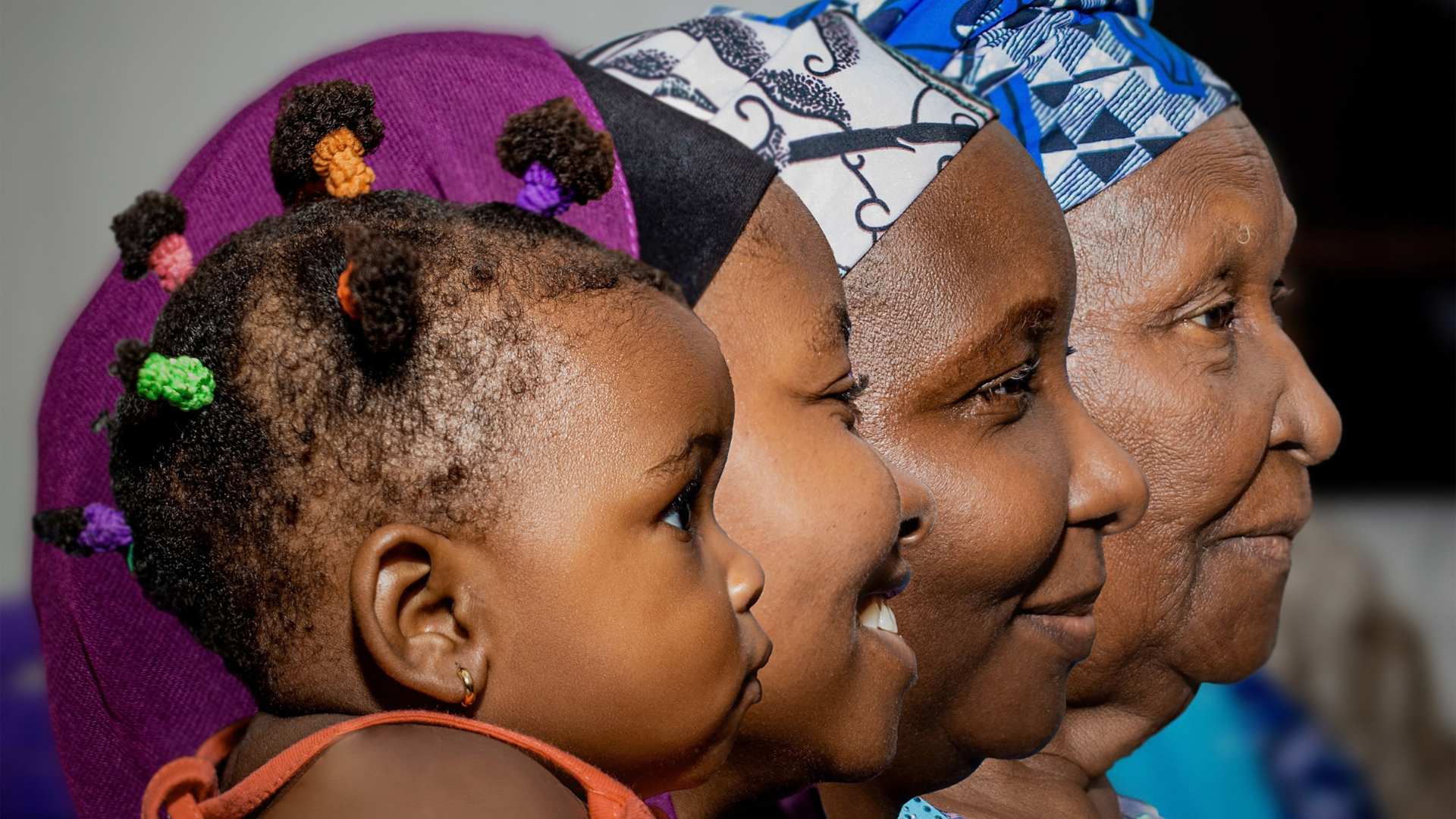
Mexico – Migration and Refuge – A dead end? Continental research
After an intensely rich, complex and clarifying process, the Red Jesuitas Migrantes presents the final version of the Migration and Refuge Research. This is a publication based on academic and fieldwork in which 10 universities, an allied Observatory and 11 Jesuit institutions specialising in migration and refuge, other actors and people from the network and up to 218 migrants in 12 countries, have tried to shed light on the reality we face in forced migration on the continent and identify ways to break through the deep wall of violation of rights and gaps in protection that plagues forced migrants.
For the past 22 years, the Jesuit Network with Migrants has been committed to a way of proceeding in which all its actions are based on a committed approach to the realities of forced migration in the Americas. The diversity of our presence in the territories of 21 countries and the diversity of the capacities present in the network (migration and refuge specialists, shelters, parishes, social centres, universities, human rights centres, etc.), allow us to approach an integral network action in which three dimensions dance together: direct accompaniment, research (preferably applied) and Advocacy in a broad sense, and these three dimensions towards a transversal horizon of transformation in terms of justice, protection, human rights and reconciliation, based on the Culture of Hospitality as a proposal.
This is a daily and widespread exercise in a thousand actions, those of the organisations themselves and those generated in connection with each other as a network dynamic. However, exceptionally, the network made a slower, deeper, systemic and synthesising effort in its understanding of reality, seeking to strengthen its view of reality and to reaffirm or create new recommendations to guide our work as a network and that of the partner organisations.
Thus, during the years 2020 to 2022, an intensely rich, complex and clarifying process was opened, which took the form of a research that we finally called Migration and Refuge: a dead end?
Taking advantage of this diversity of capacities and actors in the network, we carried out an exercise based on academic and fieldwork in which 10 universities, an allied Observatory and 11 Jesuit institutions specialising in migration and refuge, other actors and people from the network and up to 218 migrants in 12 countries, have tried to shed light on the reality we face in forced migration on the continent and identify ways to open gaps in this deep wall of violation of rights and gaps in protection that plagues forced migrants.
Related Posts:
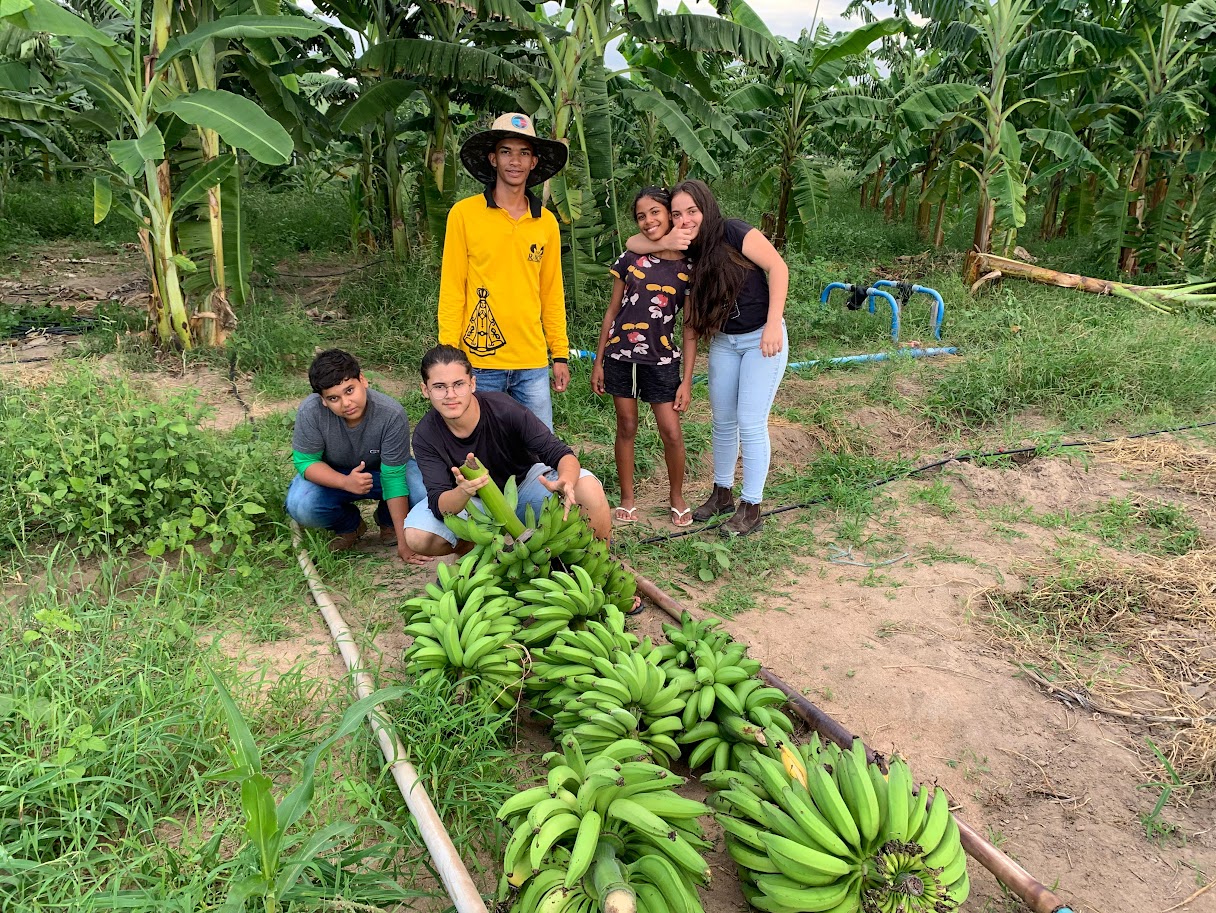
The Jaboticaba Agricultural Family School in Brazil reuses water for sustainable food production in a semi-arid region. Since 1993, it has combined agroecology with wastewater treatment to enhance food security and educate students. The project promotes environmental sustainability and aims to influence public policies in line with Pope Francis’s call for integral ecology.

His journey was marked by a profound sense of detachment, as he left behind his nationality, culture, security, history, and companions to embrace a completely foreign environment.
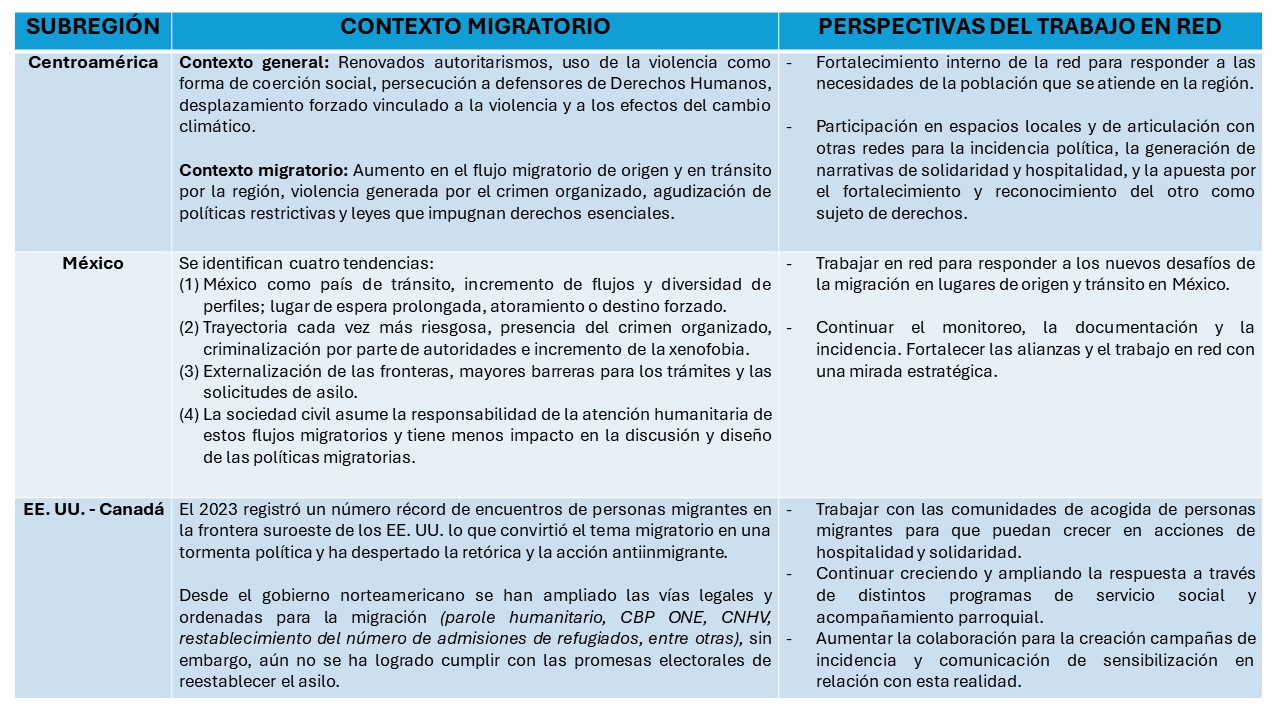
Jesuit Network with Migrants Central America and North America (RJM CANA) shared the first four months of the year report (January – April 2024): "They have been months of a lot of work to face the challenges in the migration context characterized by an increase in the migratory flow in vulnerable conditions throughout the region, however, also These have been months in which the fruits of networking have been confirmed".

From April 5 to 7, the Jesuit Radio Network in the Dominican Republic met at the facilities of the Loyola Polytechnic Institute (IPL) in San Cristóbal. During the meeting, the construction of a shared itinerary that seeks to focus on collaboration and contextualized radio communication marked by the Apostolic Preferences approved by the Society of Jesus for the coming years was highlighted.
On Wednesday, April 10, the European Parliament voted on the European Pact on Asylum and Migration. JRS Europe directors jointly opposed the pact and urged European institutions to reject it: "We cannot support a system that will allow the systematic detention of thousands of people, including children, at the EU external borders."
The Cartagena Declaration, adopted in 1984, emerged in response to the growing displacement crises in Latin America. Its importance lies in its expanded approach to defining a refugee, recognising the causes of displacement beyond armed conflict events. Despite progress in these 40 years, implementation challenges of the recognition criteria and the commitments made in the adopted plans persist.