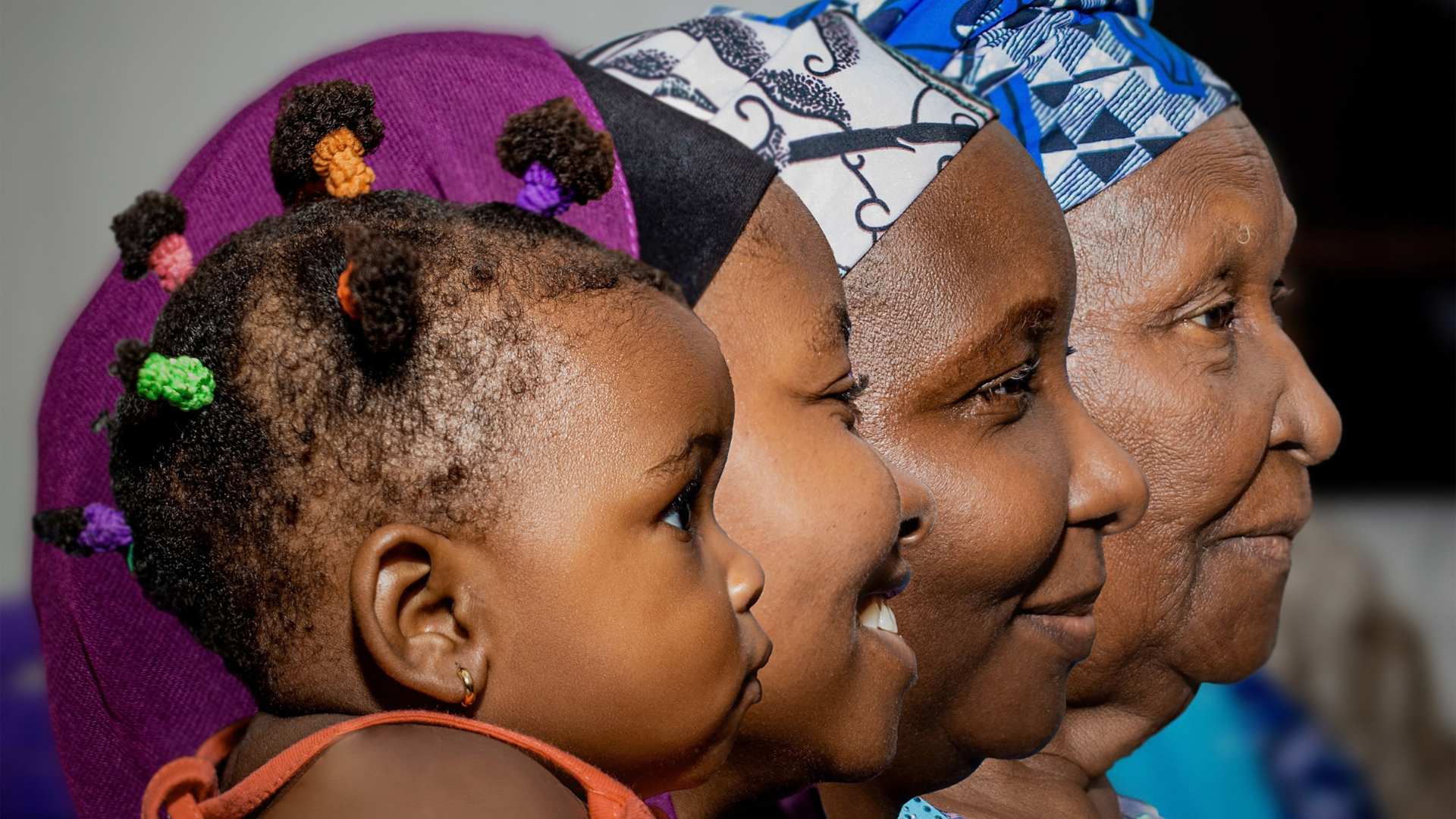
Canada – ‘Education gives girls a voice’
A postgraduate law student in South Africa, Honono has been actively involved in campaigns in her country and in the African continent to ensure that girls and women are not denied their right to education. Honono has participated in the Bakhita Partnership of Education launched by the Jesuit Justice and Ecology Network-Africa, and the student-led Right to Education campaign in South Africa.
Why is girls’ education important?
Girls' education is important in creating a well-rounded society. Girls need to have access to skillsets that are built within formal schools so that they can develop themselves and contribute to society. The independence of young women relies on them being able to use these skillsets to secure their own economic freedom. This spares them from abuse in the name of being provided for. It is extremely important that they can provide for themselves and nurture generations that are just as self-sufficient. When young women can take care of themselves, they are less likely to be subject to forced marriages, female genital mutilation, sexual assaults, and advances in exchange for financial favours.
Beyond that, girls’ education will help build communities that embrace the innovations of young women.

Noluthando Honono
From your experience, how does girls’ education affect their agency in the world?
Being the oldest sibling has given me a significant amount of responsibility. Being equipped with education and being someone who used learned skillsets to develop myself has allowed me to meet those responsibilities in assisting my siblings in their own education.
Education allowed me to assist other young people in gaining access to institutions of higher learning. While I was in undergrad, I participated in the Right to Learn Campaign, which helped applicants get into universities.
Read more…

Related Posts:

The Central American Province of the Society of Jesus marks the first anniversary of the Nicaraguan government's confiscation of the Central American University, condemning the violation of education rights and academic freedom. They call for an end to repression, the release of political prisoners, and a return to dialogue and justice.

Stan Swamy Day in Viragalur was a moving tribute to a man who devoted his life to justice and the upliftment of the marginalized.
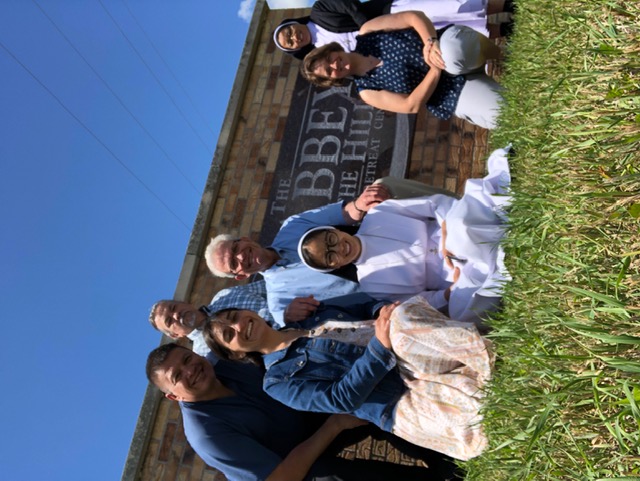
This pervasive Great Holiness (Wakȟáŋ Tȟáŋka) and blessing invites us to see our relationship with all created being and to recognize and know our brotherhood and sisterhood, not just with our human brothers and sisters but with all that exists and whose aura of holiness blesses us each and every day.

The worldwide network of Jesuit organisations, Xavier Network, involved in responding to humanitarian crises around the world, expressed shock at the April 2 killing of 7 aid workers delivering essential food aid. "We cannot be silent." Xavier Network joined the global Jesuits' call for "an immediate ceasefire, for negotiations and for the beginning of a process that will bring freedom, liberty and justice for all in the Middle East, the only road to true peace."
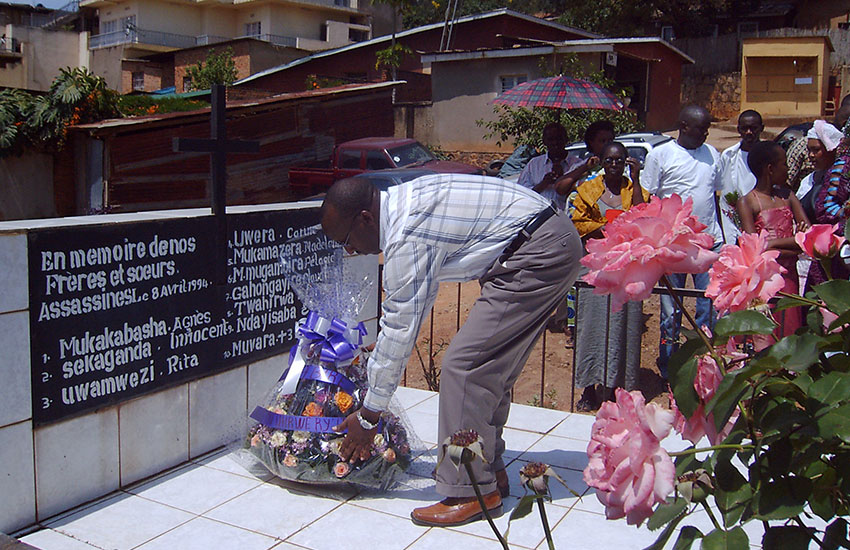
On the memorial day of the 1994 genocide against the Tutsi, J. Baptiste, a Jesuit genocide survivor from Rwanda, shared his story of the tragic event. On behalf of fellow Rwandans, he concluded with a prayer: "My prayer today is to find the last remains of the victims…, then [this] commemoration will mean something different. Only then will our wounds heal and the ongoing reconciliation process move faster."
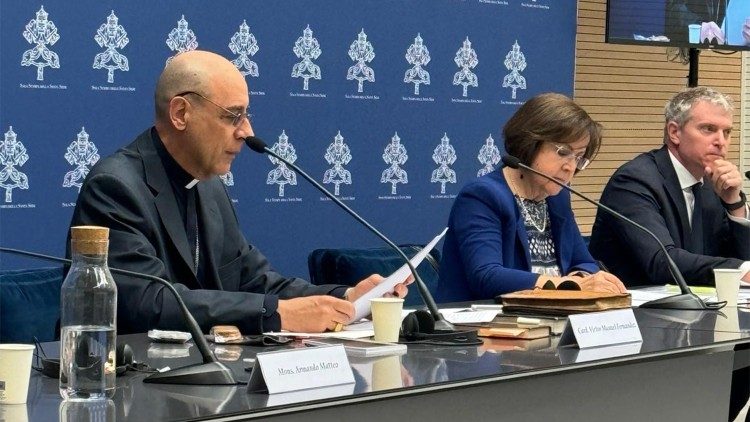
To commemorate the 75th anniversary of the Declaration of Human Rights, the Vatican published a new document, Dignitas Infinita, which condemns, among other grave violations, emerging forms of digital violence against human dignity, such as Cyberbullying, Online Hate Speech, Social Exclusion, Economic Exploitation, Digital Surveillance, Body Shaming, and Microaggressions.