Colombia – JRS-Colombia. The displaced at the frontiers of marginalisation
Jesuit Refugee Service-Colombia faces many institutional challenges, mainly due to the socio-political situation in Colombia. The country is in an interesting political transition moment that presents tasks for JRS.
A new configuration of social policy and diplomatic relations in Colombia
The arrival of Gustavo Petro in government in May 2022 represents a commitment to a social and rights-based government, engendering hope to a Colombian society weary after decades of armed conflict. Reestablishing diplomatic relations with Venezuela has meant opening official borders, which in theory are safer places. But the reality is that most people in transit choose irregular border crossing points since access to official boundaries remains controlled by armed groups, thus promoting illegal crossings on both sides of the Colombian-Venezuelan border. Also, despite the humanitarian emergency in neighbouring Venezuela, the government misinterpreted migratory flows as economic migration, not forced migration.
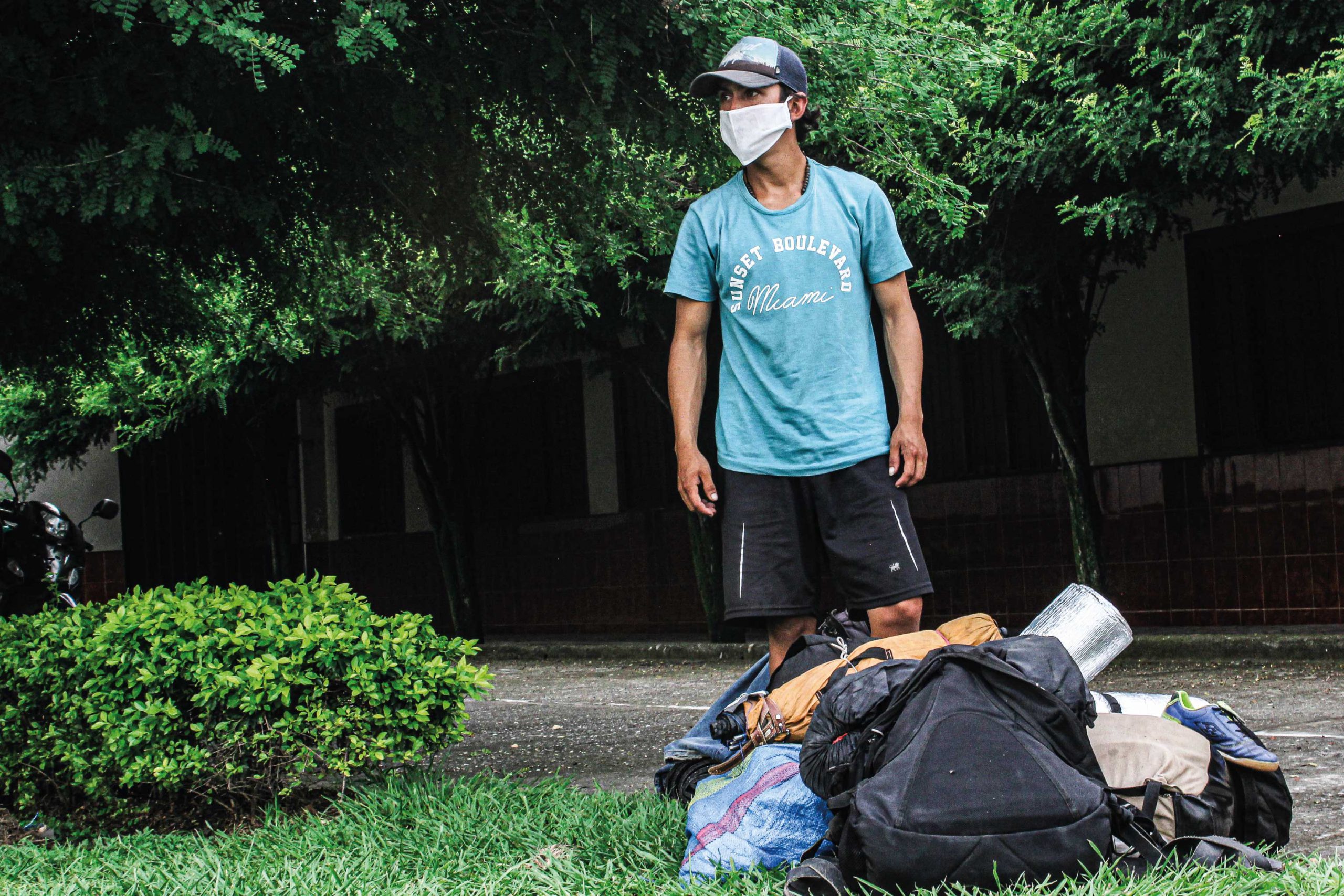
Another factor influencing the daily life of JRS is the intensification of conflict and violence in Colombia, particularly in the past year and a half. Armed groups support illegal economic activities, such as drug trafficking, threatening and forcing people to flee their homes along displacement routes within municipalities, as there are invisible city borders. This situation is manifest in the Pacific, the Buenaventura area, Valle del Cauca and the department of Nariño. After the Peace Accords, the FARC abandoned their activity, and armed groups began a territorial dispute, forcing people to detain themselves for security reasons. These groups do not seek political power but economic and territorial power, and the people are once again victims of terror and violence. Amid this delicate situation, the foreign migrant population, mainly from Venezuela, requires international protection. Still, Colombians who have returned now find themselves particularly vulnerable, as they run the risks of human trafficking and gender-based violence. In this sense, it is vital to denounce the danger faced by women, pregnant women, and children who suffer from the conflict, but without forgetting young men, because of the risk of forced recruitment into armed groups.
Related Posts:

The Central American Province of the Society of Jesus marks the first anniversary of the Nicaraguan government's confiscation of the Central American University, condemning the violation of education rights and academic freedom. They call for an end to repression, the release of political prisoners, and a return to dialogue and justice.
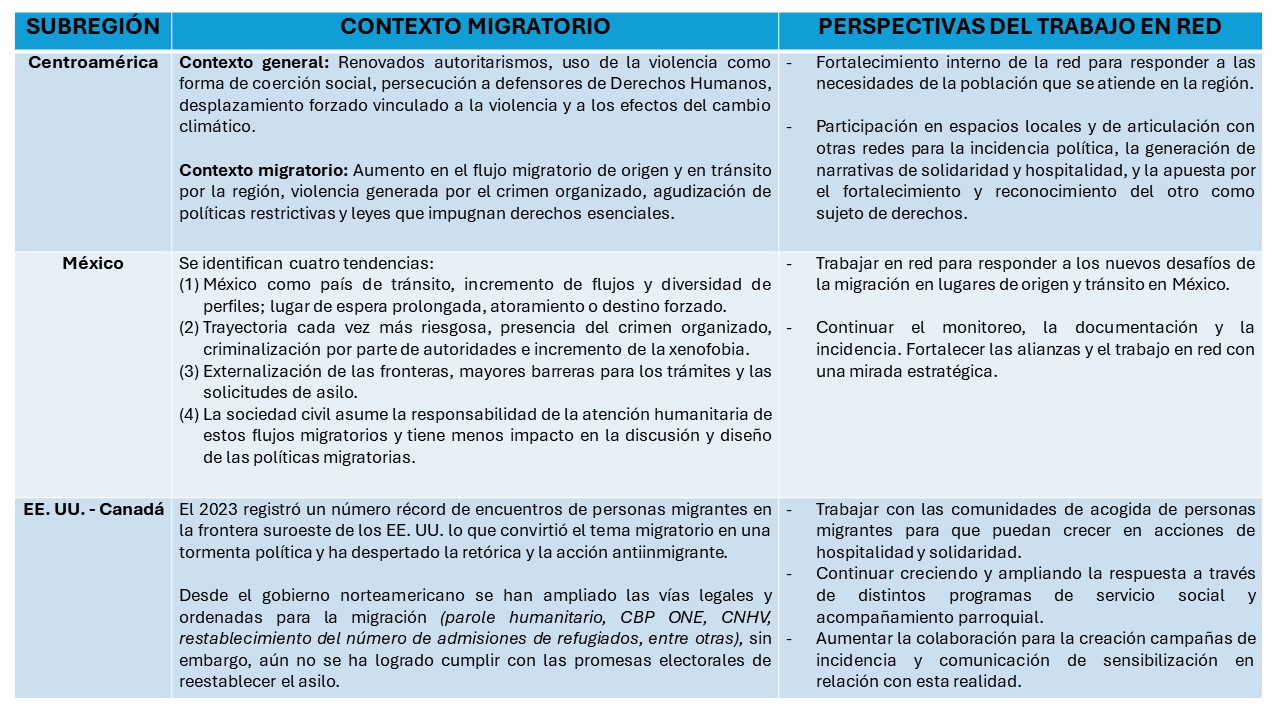
Jesuit Network with Migrants Central America and North America (RJM CANA) shared the first four months of the year report (January – April 2024): "They have been months of a lot of work to face the challenges in the migration context characterized by an increase in the migratory flow in vulnerable conditions throughout the region, however, also These have been months in which the fruits of networking have been confirmed".
On Wednesday, April 10, the European Parliament voted on the European Pact on Asylum and Migration. JRS Europe directors jointly opposed the pact and urged European institutions to reject it: "We cannot support a system that will allow the systematic detention of thousands of people, including children, at the EU external borders."
The Cartagena Declaration, adopted in 1984, emerged in response to the growing displacement crises in Latin America. Its importance lies in its expanded approach to defining a refugee, recognising the causes of displacement beyond armed conflict events. Despite progress in these 40 years, implementation challenges of the recognition criteria and the commitments made in the adopted plans persist.

After almost six months of war in Gaza, the Society of Jesus released a statement calling for peace. The Jesuits avow to follow Pope Francis's voice, who has repeatedly warned that war is a defeat and called for negotiations—and the beginning of a process that will bring freedom, liberty, and justice for all in the Middle East--the only road to true peace.
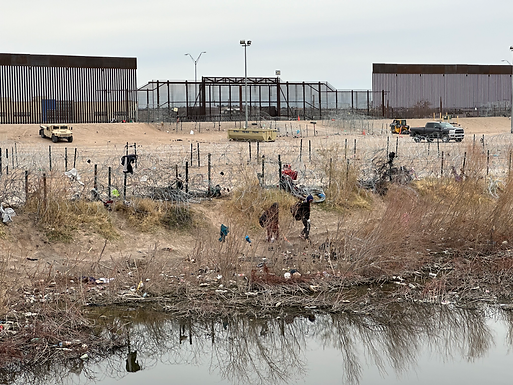
This story narrates the spontaneous act of hospitality leading to a community effort to support a migrant family's journey. It illustrates the transformative power of personal compassion amidst global migration challenges.