Venezuela – Reconciliation as a Common Horizon
On 13 and 14 April 2023, the first Formative-Reflective Meeting on Reconciliation was held with 22 members of the eight works of the Red Apostolica Ignaciana de Guayana (RAIG) [Works of the Apostolic Ignatian Apostolic Network of Guyana]. Jesuit scholastic Javier Contreras led and accompanied the group; the activity is part of a Province initiative on reconciliation, justice and citizenship.
Contreras explained that "reconciliation initiatives share a spirit, an imprint; however, the strategies are not necessarily replicable in different environments"; hence the significance of working with the various teams of the Apostolic Networks of the Province of Venezuela to contextualise each experience and gather particular contributions, feelings, ways and rhythms of each zone.
In the Guayana region, there are realities such as the deficiency of basic services, long queues for petrol, the presence of mining extractivism, the normalisation of irregular armed groups, and other realities as presented in the I Encuesta de Bienestar del Estado Bolivar [First Survey of Welfare in the State of Bolivar]. The Joseph Gumilla Centre for Regional Studies of the Andrés Bello Catholic University, Guayana extension, developed the survey in February 2023.
Humanising alternatives
During the meeting, different concepts, orientations, challenges to citizenship, and the value of education and spirituality were shared using the horizon of reconciliation.
Promoting activities oriented towards this theme [of reconciliation] is important because "we do not stop to look for ways to reconcile with situations that, perhaps, we try to blame on others. Therefore, if we look for a way to reconcile, at least it will contribute and radiate something different from what we normally see on the streets", said Evelin Valenzuela, psycho-pedagogue at Loyola-Gumilla School, about the meeting.
The reconciliation process is voluntary and closely linked to the complexity of human relationships. And in the words of the theorist Mark Salter, it is related to "(...) the reconstruction of relationships and for many it implies healing, forgiveness and coexistence".
Initiative with differentiated approaches
The Province's motivation is to investigate why violence experienced by Venezuelans cause diverse emotions and how these break us individually and collectively as a nation. In addition, the investigation showed the hope of people and organisations that wish to humanise reality and to assume commitments.
The [formative-reflective] meeting will [also] be held soon in the Apostolic Networks of Lara, Frontera, Los Andes, Zulia and Caracas. After collecting and analysing the inputs from each region, the ultimate goal is for the Reconciliation Network to present a Province Policy for Reconciliation.
In this way, the Province of Venezuela, through its Regional Networks, contributes to the fulfilment of Objective #2 ofthe Apostolic Plan 2021-2026, "to contribute to the strengthening of a just, democratic, supportive and sustainable civil society, based on our experience of faith".
Doris Toledo and Valeria Requena
Ignatian Apostolic Network of Guayana
Photo: Valeria Requena
Fotografía: Valeria Requena
Source : jesuitasvenezuela.com

Related Posts:
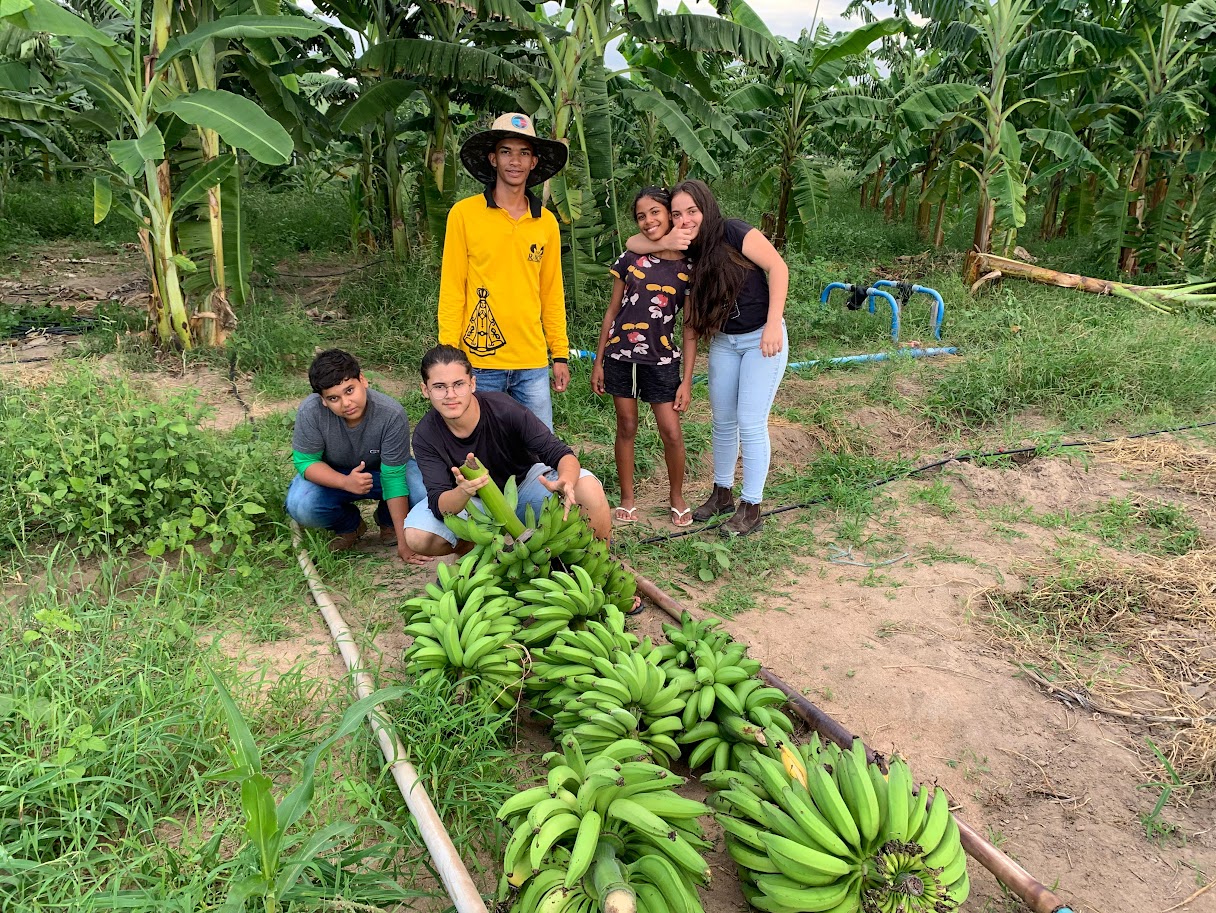
The Jaboticaba Agricultural Family School in Brazil reuses water for sustainable food production in a semi-arid region. Since 1993, it has combined agroecology with wastewater treatment to enhance food security and educate students. The project promotes environmental sustainability and aims to influence public policies in line with Pope Francis’s call for integral ecology.

His journey was marked by a profound sense of detachment, as he left behind his nationality, culture, security, history, and companions to embrace a completely foreign environment.
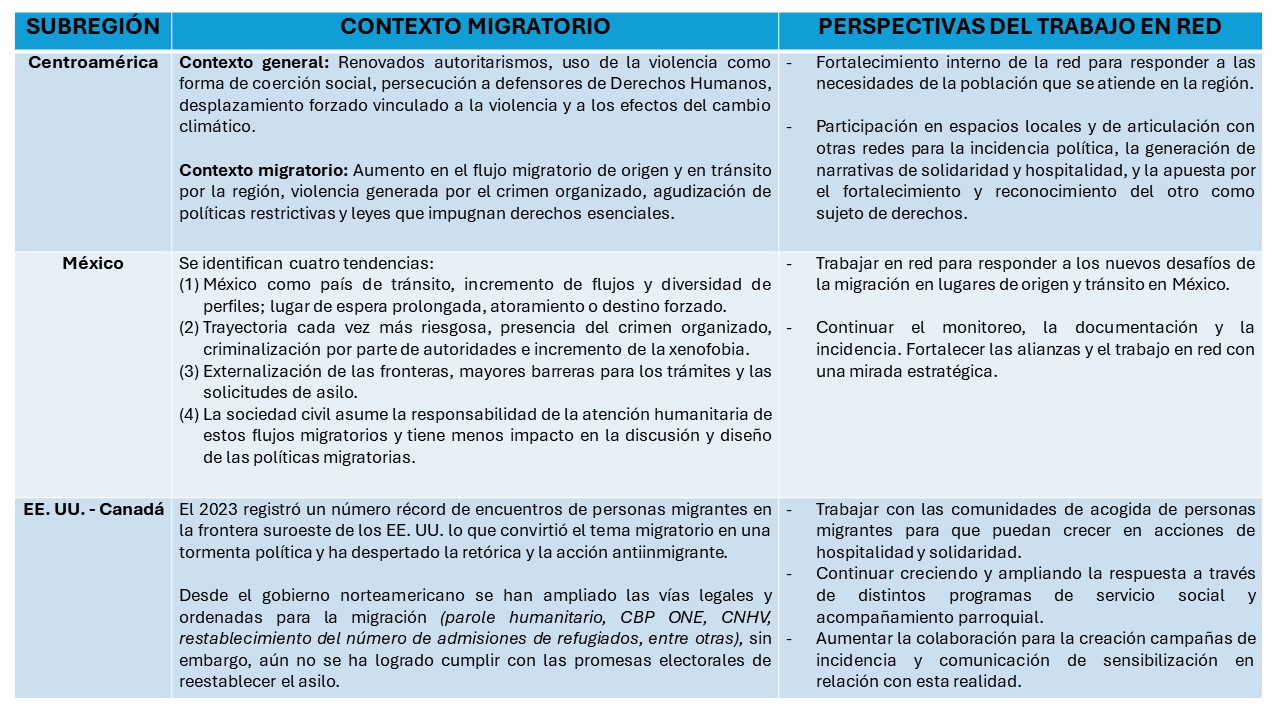
Jesuit Network with Migrants Central America and North America (RJM CANA) shared the first four months of the year report (January – April 2024): "They have been months of a lot of work to face the challenges in the migration context characterized by an increase in the migratory flow in vulnerable conditions throughout the region, however, also These have been months in which the fruits of networking have been confirmed".
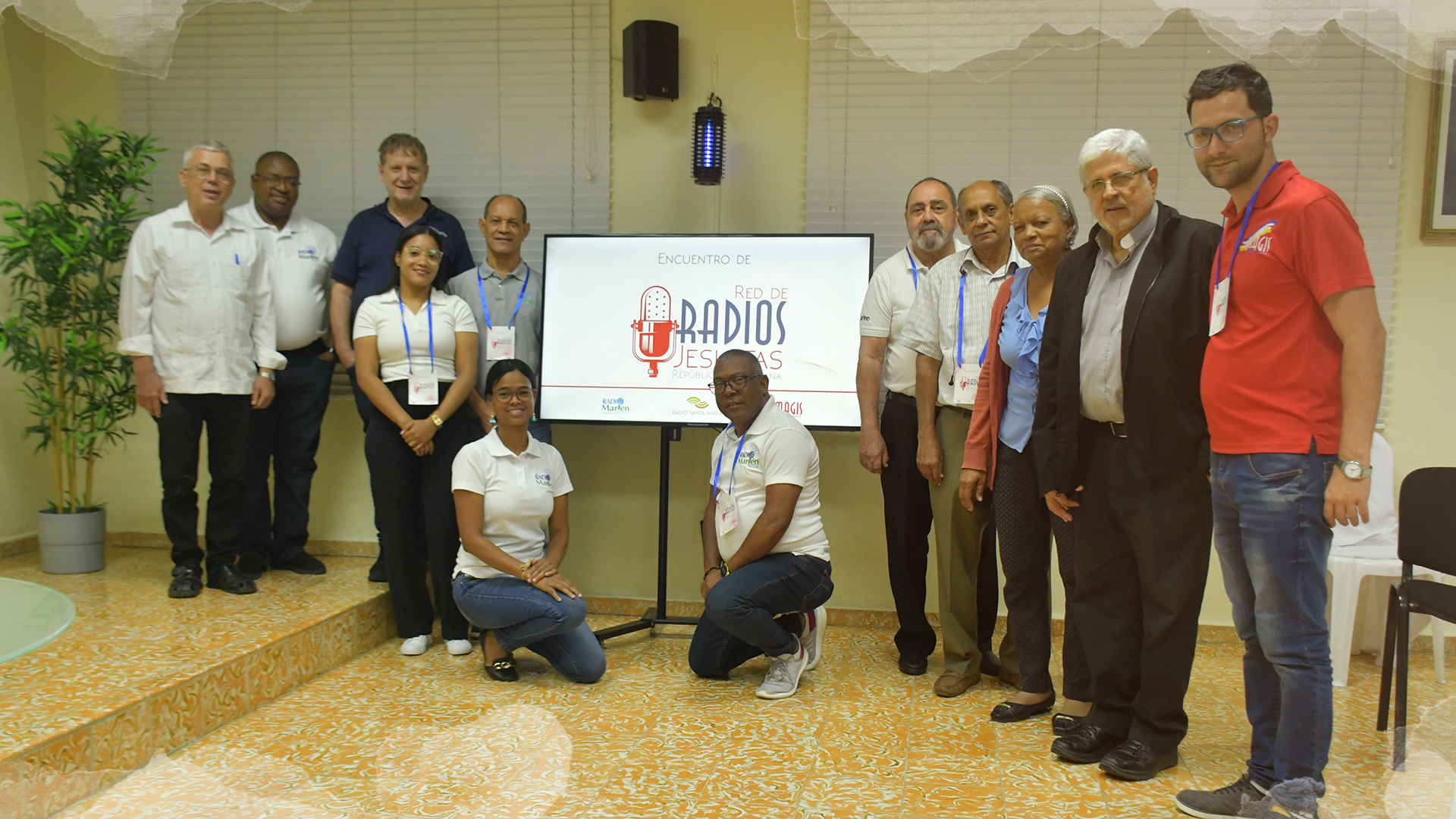
From April 5 to 7, the Jesuit Radio Network in the Dominican Republic met at the facilities of the Loyola Polytechnic Institute (IPL) in San Cristóbal. During the meeting, the construction of a shared itinerary that seeks to focus on collaboration and contextualized radio communication marked by the Apostolic Preferences approved by the Society of Jesus for the coming years was highlighted.
The Cartagena Declaration, adopted in 1984, emerged in response to the growing displacement crises in Latin America. Its importance lies in its expanded approach to defining a refugee, recognising the causes of displacement beyond armed conflict events. Despite progress in these 40 years, implementation challenges of the recognition criteria and the commitments made in the adopted plans persist.
This first publication of 2024 provides an overview of the latest data, changes and trends in the context of most of the region's countries (Panama, Costa Rica, El Salvador, Honduras, Guatemala, Mexico, the United States and Canada).