Mexico | Ciudad Juarez And The Need For A Radical Transformation Of Migration Policy
For decades, numerous actors from civil society, academia, the Church and other Churches, human rights activists, organisations and migrants and refugees have been calling for a transformation of migration policies and structures that implement them in Mexico and throughout the continent.
What happened last March in Ciudad Juárez is not a tragic event but a consequence of determined political action.
The demands from Civil society actors and the academia to offer real protection for humanitarian actions, respect for human rights, and the dignity of the forcibly displaced are framed in international humanitarian law and, in the case of Mexico, in the fulfilment of due protection under the Constitution, the Migration Law and the International Treaties to which Mexico is not only part of but in some cases has led and promoted.
It is not enough to comply with the law, but at least adhere to it. We see it as an opportunity, but with deep concern that the conversation around creating a new framework of state structure to deal with migration will replace the Instituto Nacional de Migración(INM). There is a risk that the government will change the name but not its practices. It is changing its name and everything else to change nothing.
La Red Jesuita con Migrantes de Mexico [The Jesuit Network with Migrants in Mexico] has published an informative document reflecting what happened in Ciudad Juarez, especially the open conversation around migration policy reform.
- Truth and Justice: The document addresses the responsibility of the chain of command. It highlights the importance of the Fiscalía's investigation, addressing the issue in-depth and without limits throughout the chain of command, not only in the INM but also in the Ministry of the Interior and the Ministry of Foreign Affairs.
- Justice and Reparation: This refers to the due accompaniment, response, and reparation that should be given to the deceased, the injured, and their families.
As we said, the document also addresses the possible migration reform that has begun to be discussed. Based on what happened in Juárez, the first declarations proposed the creation of the National Coordination of Migratory and Foreign Affairs (CONMEXICO). However, information is still scarce; it is necessary to clarify what procedures are required for such a reform; nothing has been stated regarding the practice of migrant detention and the disappearance or not of migration stations (migrant detention centres). Furthermore, it is unclear whether other migratory powers exercised by the INM would be taken over by whom, how, etc.
For this reason, some of the calls from civil society and academia in Mexico, including the need for a cross-cutting approach to the migration issue that requires a State policy that contemplates all populations and if we want to implement humanitarian policies that respect human rights. It is necessary to abort militarisation as a central response to migration.
We cannot say that we trust, but we demand that the Government of Mexico seize this opportunity to spearhead a radical transformation of migration policy as a key to protecting human rights and the people. Mexico has the opportunity not only to generate a positive change that places it at the international humanitarian law standards level but it could also be the opportunity to exercise regional leadership to help bring about a more profound change in migration governance. To this end, it would be opportune to count on civil society organisations, academia, and migrant organisations to open up to a dialogue that allows for transformation.
Read anddownload here the complete information document of RJM Mexico.
Source: redjesuitaconmigranteslac.org

Related Posts:
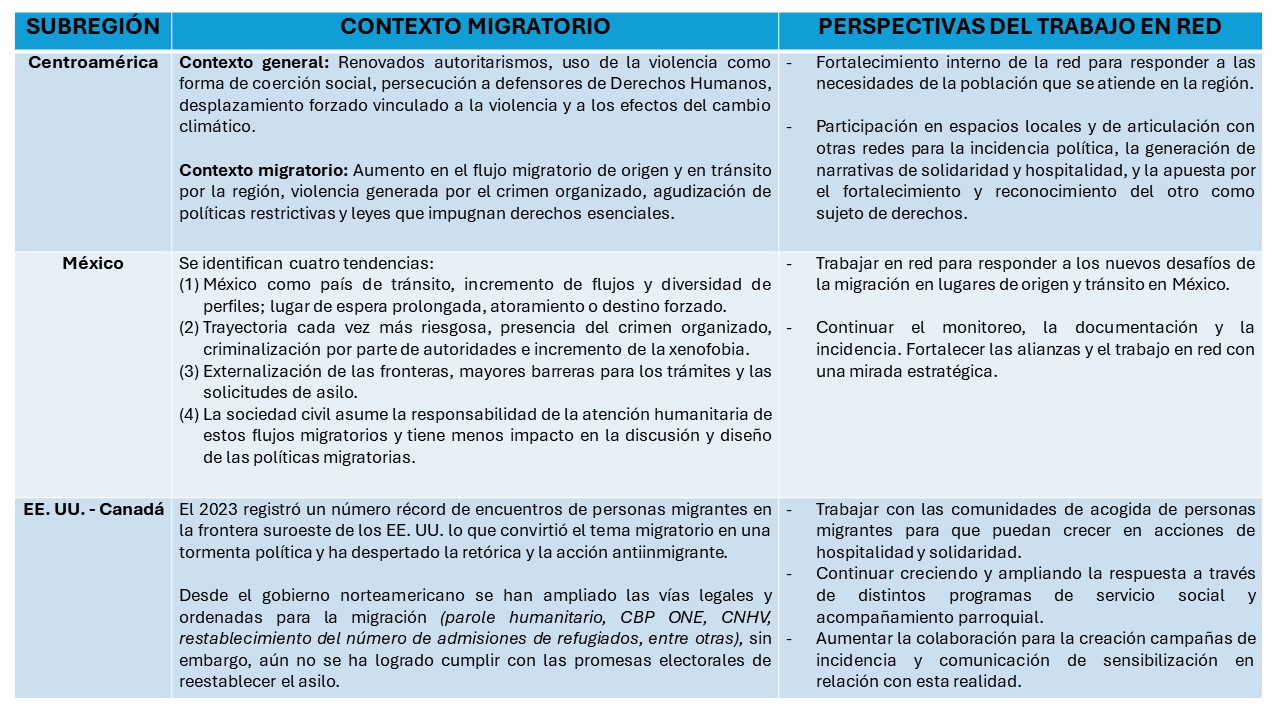
Jesuit Network with Migrants Central America and North America (RJM CANA) shared the first four months of the year report (January – April 2024): "They have been months of a lot of work to face the challenges in the migration context characterized by an increase in the migratory flow in vulnerable conditions throughout the region, however, also These have been months in which the fruits of networking have been confirmed".
On Wednesday, April 10, the European Parliament voted on the European Pact on Asylum and Migration. JRS Europe directors jointly opposed the pact and urged European institutions to reject it: "We cannot support a system that will allow the systematic detention of thousands of people, including children, at the EU external borders."
The Cartagena Declaration, adopted in 1984, emerged in response to the growing displacement crises in Latin America. Its importance lies in its expanded approach to defining a refugee, recognising the causes of displacement beyond armed conflict events. Despite progress in these 40 years, implementation challenges of the recognition criteria and the commitments made in the adopted plans persist.
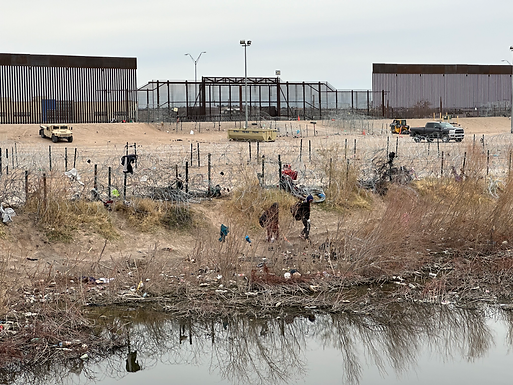
This story narrates the spontaneous act of hospitality leading to a community effort to support a migrant family's journey. It illustrates the transformative power of personal compassion amidst global migration challenges.
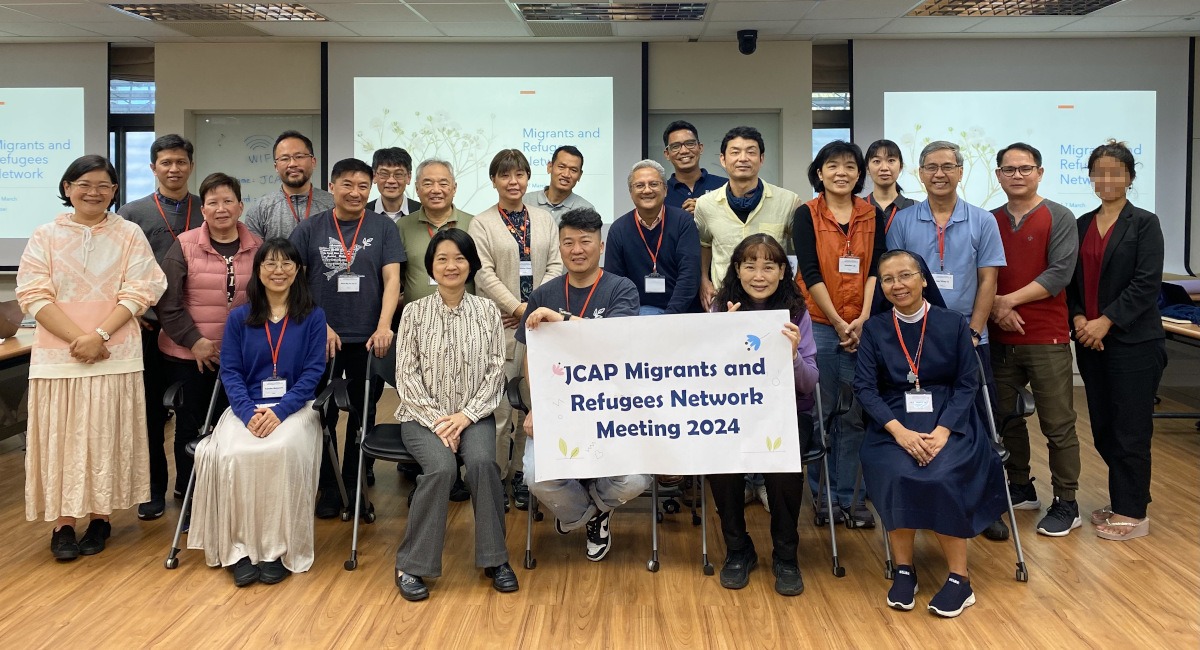
The Migrants and Refugees Network in Asia Pacific gathered to address migrant and refugee challenges, guided by collaboration, prayer, and Ignatian spirituality principles. Discussions ranged from updates on regional migrant situations to Taiwan's progressive immigrant response, culminating in the finalization of a five-year action plan highlighting the network's dual mission of support for both migrants and its members.
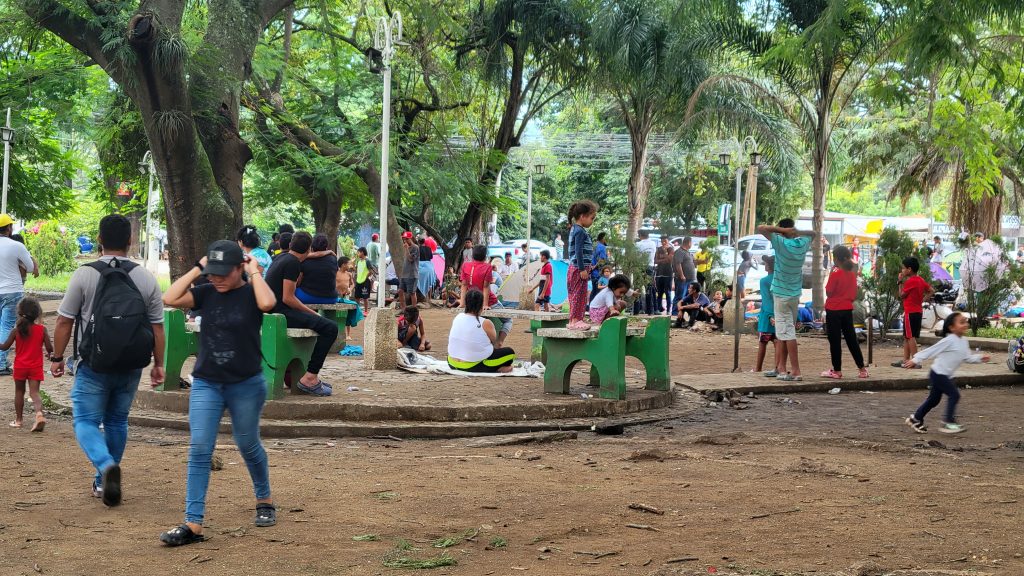
This first publication of 2024 provides an overview of the latest data, changes and trends in the context of most of the region's countries (Panama, Costa Rica, El Salvador, Honduras, Guatemala, Mexico, the United States and Canada).