Honduras – Emergency in Honduras and response from Jesuit works
Allow us to share the following information from the Radio Progreso and the Equipo de Reflexión, Investigación y Comunicación(ERIC), Jesuit works in Honduras, on the country's situation following the recent floods.
Less than two years after the humanitarian emergency due to hurricanes Eta and Iota, we are in crisis anew in several areas of Honduras, including the Sula Valley, where we are based. According to official records, more than 7,000 families are affected, although these figures do not reflect reality since it considers only those registered in official emergency shelters. It is still too early to estimate the damage to infrastructure and livelihoods, but according to official figures, 140,000 hectares of crops have been affected. In addition, locally in and around El Progreso, municipal authorities reported damage to 40 affected communities and 11 stretches of river banks.
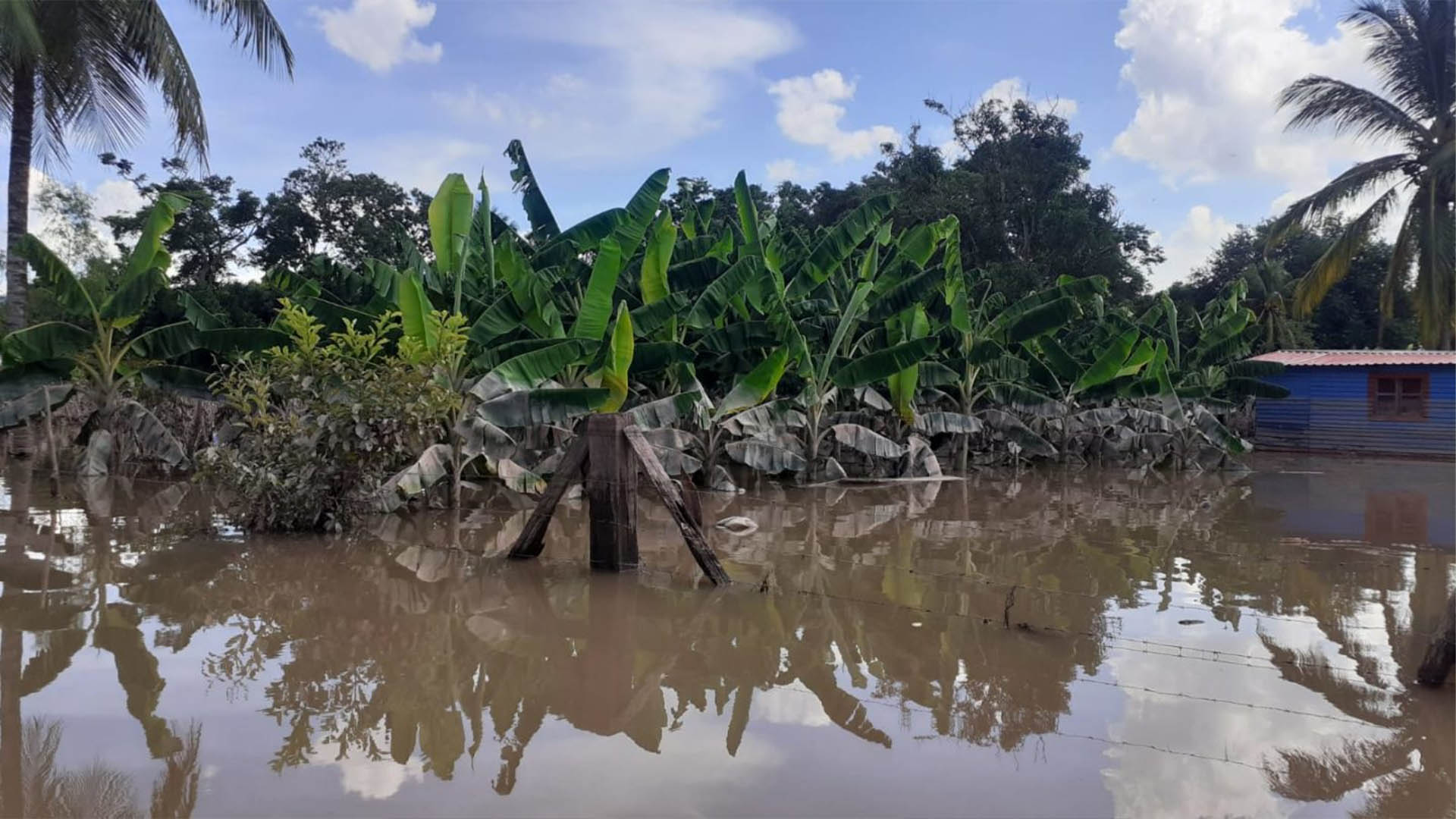
It is more accurate to say that we are just at the beginning of an emergency crisis that will linger during the next two months of the rainy season (October-November). The current situation results from three weeks of heavy rainfall, within reasonable normality, in the upper river basins. A succession of hurricanes in the Caribbean is forecasted to strike closer and with more impact. The authorities predict that if the rains continue, approximately 60,000 families will need humanitarian assistance or some 300,000 people. Moreover, the scenario would worsen in the event of a tropical cyclone.
The reality of this [humanitarian] crisis, as many leaders have denounced, is a consequence of the previous regime's corrupt emergency and vulnerability policies on [responding to natural calamities like] hurricanes such as Eta and Iota. Add to that the current administration's sluggishness in considering emergency and mitigation measures. These factors translate into progressively more deforested watersheds. As a result, despite reasonably average rainfall, water furiously flows down from high ground at such speed that the earth cannot absorb the rainwater; consequently, landslides occur, and river banks break much more quickly.
In the past three weeks, ERIC-Radio Progreso provided special coverage on what is happening in the affected northwest neighbourhoods and communities, giving people a voice. The radio program serves as the mediator between communities and [government] authorities in proposing recommendations, conducting a social audit of the state's responsibility, and framing the emergency from a broader perspective. At the local level, we monitor and coordinate with the municipal authorities as they channel government aid, which they recognise as insufficient.
Last week, we reactivated REDES, La Red de Emergencias y Solidaridad, to bring together the works of the Society of Jesus and other organisations. It aims to improve the emergency response by coordinating with local initiatives and public authorities in collecting donations and establishing a relief aid distribution centre. One of the main strengths of REDES is participation from various social sectors, including the active involvement of community organisations and representatives from the most affected areas and host communities. After the first rapid assessment, we identified criteria to guide aid operations. Target beneficiaries are families in the northern and southern regions of the city who are not in official shelters but are in private houses, settlements, or private centres and are, therefore, not considered by the public authorities for assistance.
Solidarity at the national, local and international levels has allowed us to provide the first delivery of 600 family baskets suitable for a five-day supply and 600 hygiene kits this week. The approximate cost of the basket and the family kit is 31 [US] Dollars. In subsequent deliveries, we will monitor the communities and have an update on the most urgent needs of affected families. In addition, we will launch the damage and needs assessments in affected communities, providing us with crucial information to identify medium-term priorities.
Amid this tragedy, the solidarity testimonies of so many people who share what they have, from a pound of rice to volunteer cooking in their homes or their time volunteering at ERIC-RP facilities to make rations, never cease to give hope. Similarly, finding people in shelters or drop-in centres, especially young women, who demonstrate collective leadership, which has probably been invisible in "normal" times, renews our hope.
You can see in this short video the current situation of some of the affected communities:
https://www.facebook.com/watch/?v=5330523983682774
We will continue to keep you updated. We encourage you to tune in to the radio and check our website:
http://www.radioprogresohn.net and social networks for more information.
Information from Radio Progreso / Reflection, Research and Communication Team
Image from radioprogresohn.net
Source : Jesuitas.lat
Related Posts:
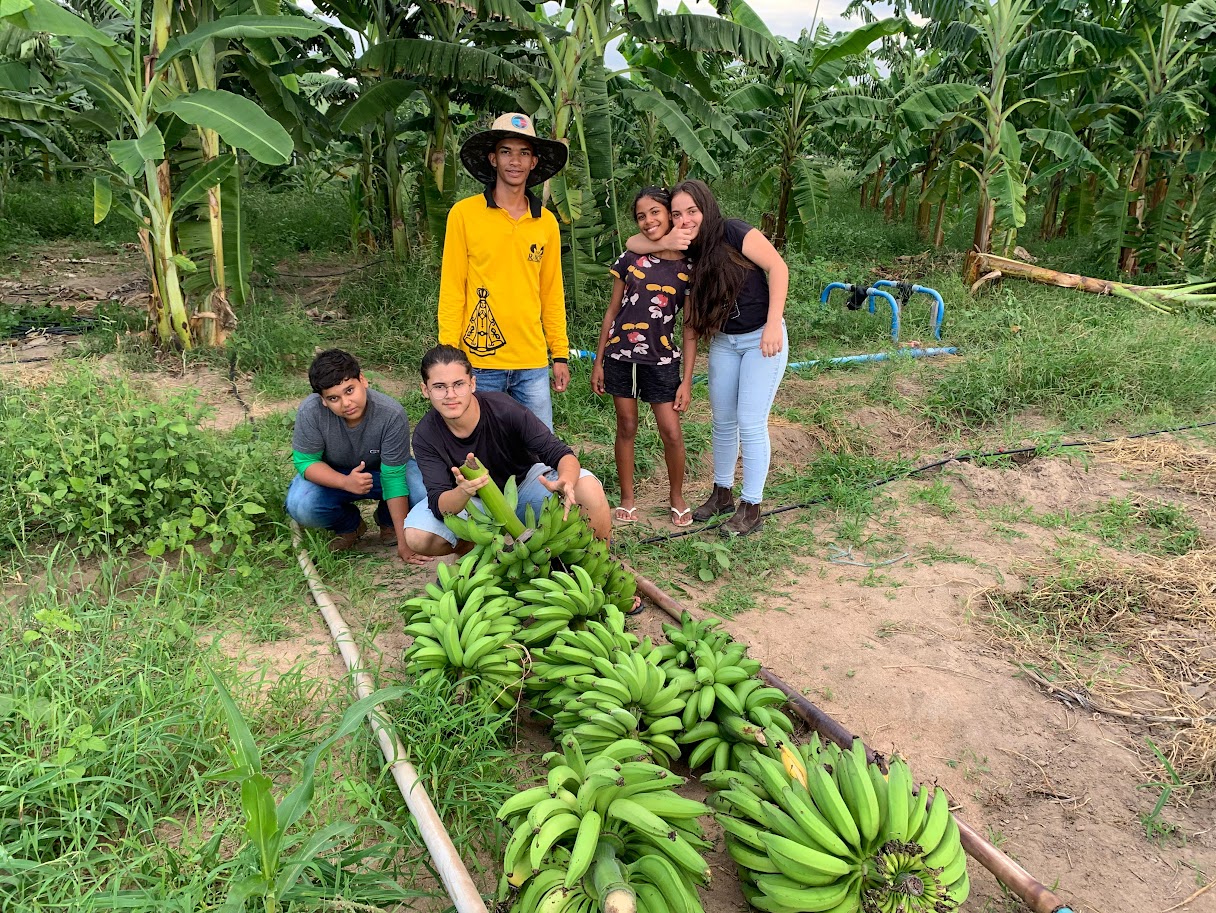
The Jaboticaba Agricultural Family School in Brazil reuses water for sustainable food production in a semi-arid region. Since 1993, it has combined agroecology with wastewater treatment to enhance food security and educate students. The project promotes environmental sustainability and aims to influence public policies in line with Pope Francis’s call for integral ecology.

The Central American Province of the Society of Jesus marks the first anniversary of the Nicaraguan government's confiscation of the Central American University, condemning the violation of education rights and academic freedom. They call for an end to repression, the release of political prisoners, and a return to dialogue and justice.

Stan Swamy Day in Viragalur was a moving tribute to a man who devoted his life to justice and the upliftment of the marginalized.

His journey was marked by a profound sense of detachment, as he left behind his nationality, culture, security, history, and companions to embrace a completely foreign environment.
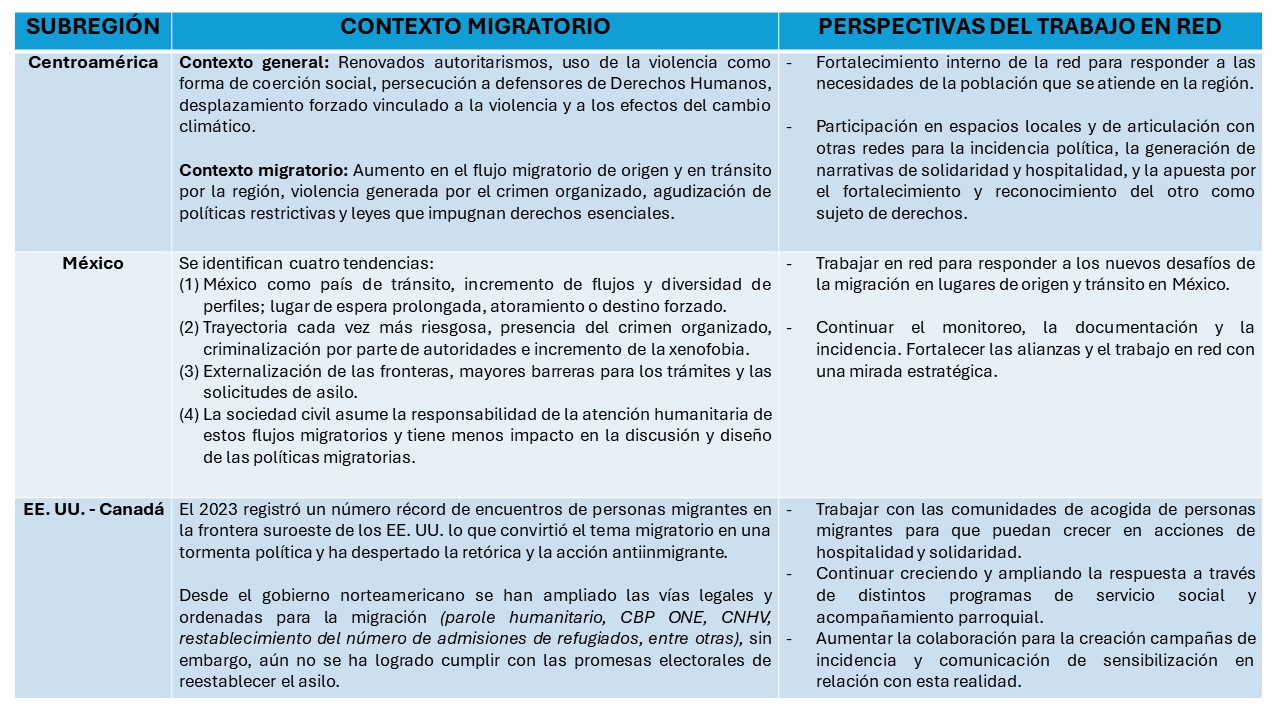
Jesuit Network with Migrants Central America and North America (RJM CANA) shared the first four months of the year report (January – April 2024): "They have been months of a lot of work to face the challenges in the migration context characterized by an increase in the migratory flow in vulnerable conditions throughout the region, however, also These have been months in which the fruits of networking have been confirmed".
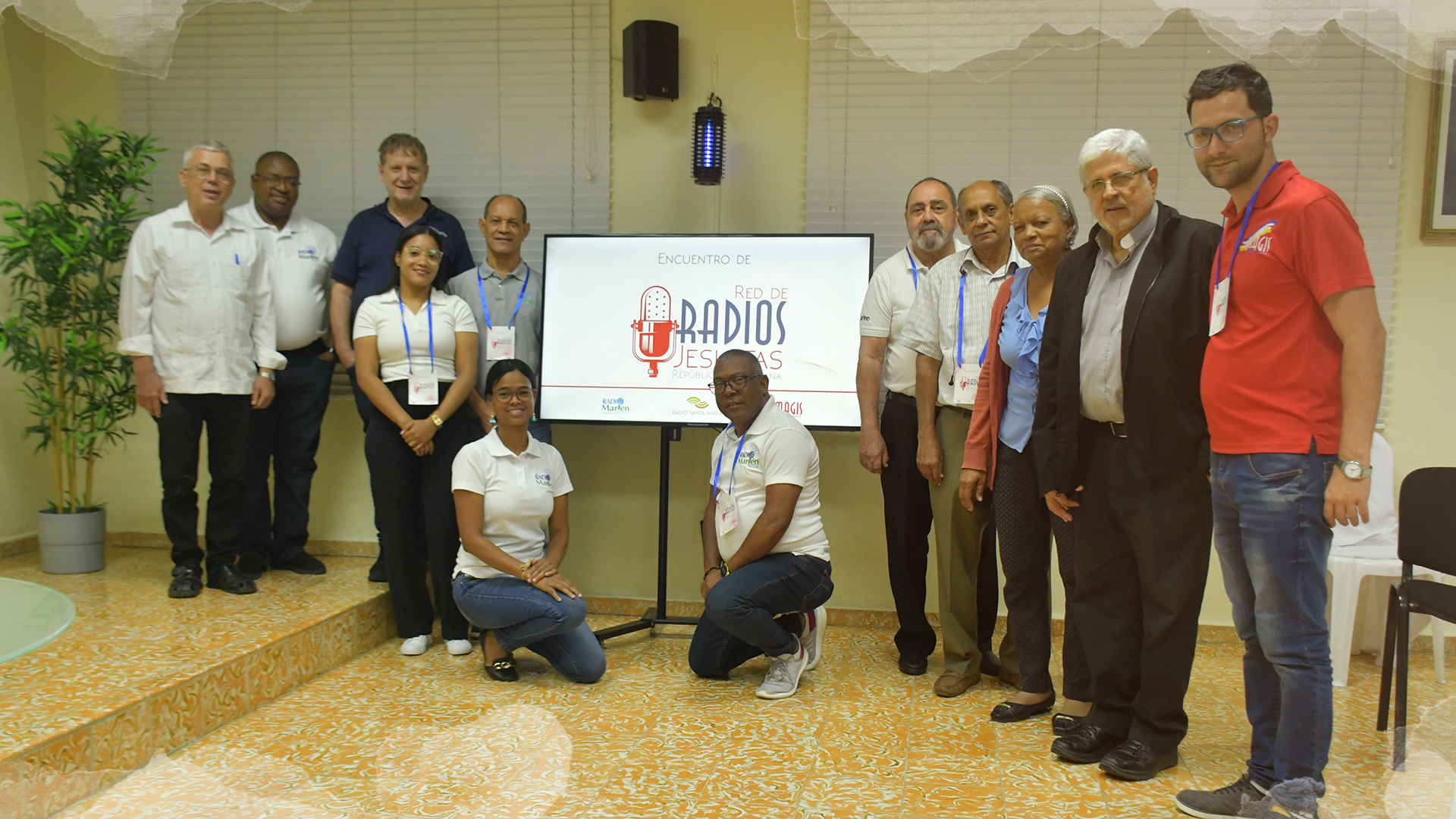
From April 5 to 7, the Jesuit Radio Network in the Dominican Republic met at the facilities of the Loyola Polytechnic Institute (IPL) in San Cristóbal. During the meeting, the construction of a shared itinerary that seeks to focus on collaboration and contextualized radio communication marked by the Apostolic Preferences approved by the Society of Jesus for the coming years was highlighted.