Latin America – Child Labor, a Scourge that Violates Access to Education
This June 12 is the World Day against Child Labor, which motivates me to write these notes about the situation of children in different parts of the world, a situation that affects their full development, deprives them of their childhood and to enhance their capabilities to forge a better future, because it is at this stage that children should be focused on studying, playing and dreaming.
According to the International Labor Organization (ILO), around 218 million children between the ages of 5 and 17 are engaged in economic production. Of these, almost half (152 million) are victims of child labor and 73 million are engaged in hazardous work, in its most extreme forms, "children are subjected to situations of slavery, separated from their families, exposed to serious hazards and diseases and/or abandoned to their fate on the streets of large cities".
Starting to work at an early age has serious repercussions on the child's life, with psychological and physical effects, as he or she spends a long time in a hostile and violent environment far from the protection of his or her family. Fundamentally, it has a negative effect on their education, since many children drop out of school, as they dedicate long hours to work or combine both activities, causing pressure, stress, low self-esteem and discouragement with respect to their future.
The regions of the world with the highest number of working children are Africa, Asia and the Pacific, according to the ILO. In Latin America, an estimated six million children suffer from labor exploitation, and with the COVID-19 pandemic this situation has worsened even more, as high unemployment rates have forced many low-income families to engage in informal work.
Among the worst forms of child labor are commercial sexual exploitation, trafficking of children for labor exploitation, and the use of children in armed conflicts and drug trafficking. Recent studies estimate that the majority of victims are women over 18 years of age (49%) and girls (21%), while men account for 18% and boys for 12%.

Unfortunately, despite the effects and damage caused by these activities for children, it is a phenomenon accepted or viewed with indifference, because for many Latin American families, it means an additional income that benefits the family economy.
On the other hand, it is important to know what actions are being taken to address this scourge. Since the 2030 Agenda, approved by several countries, for Sustainable Development, promoted by the United Nations, they committed, among other things, to eradicate child labor from its adoption in 2019 to 2025.
In these measures, education is the key to this titanic task, in which all sectors must join efforts to curb work at an early age. From the International Federation Fe y Alegría we call for reflection and action, reiterating our commitment to promote access to quality education that allows children, adolescents and youth, a healthy development, strengthen their skills and formative instruction, achieve their dreams and future goals; in this way will have a significant impact to cut the circle of poverty and contribute to the economic and social development of their country.
Source: CPAL

Related Posts:
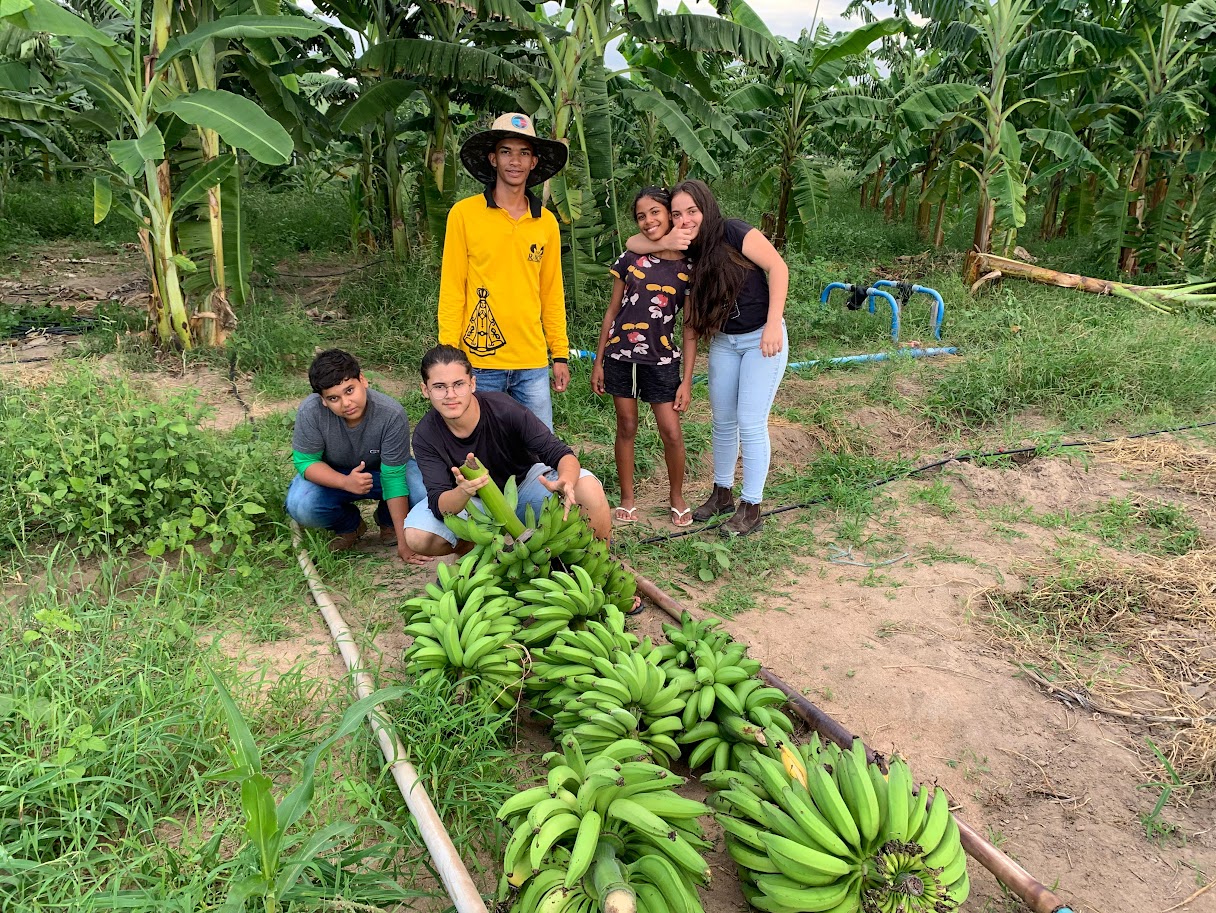
The Jaboticaba Agricultural Family School in Brazil reuses water for sustainable food production in a semi-arid region. Since 1993, it has combined agroecology with wastewater treatment to enhance food security and educate students. The project promotes environmental sustainability and aims to influence public policies in line with Pope Francis’s call for integral ecology.

MEXICO CITY (OSV News) -- An Indigenous Tzotzil priest and peace activist was murdered after celebrating Sunday Mass in Mexico's southern Chiapas state, where the Catholic Church has denounced government inaction in the face of rising violence. Father Marcelo Pérez, who ministered in Indigenous regions rife with territorial conflicts and later denounced drug cartel violence, was shot dead Oct. 20 by two assailants on a motorcycle as he drove away from the Guadalupe church in San Cristóbal de las Casas, according to Mexican media reports.

The Central American Province of the Society of Jesus marks the first anniversary of the Nicaraguan government's confiscation of the Central American University, condemning the violation of education rights and academic freedom. They call for an end to repression, the release of political prisoners, and a return to dialogue and justice.

Stan Swamy Day in Viragalur was a moving tribute to a man who devoted his life to justice and the upliftment of the marginalized.

His journey was marked by a profound sense of detachment, as he left behind his nationality, culture, security, history, and companions to embrace a completely foreign environment.
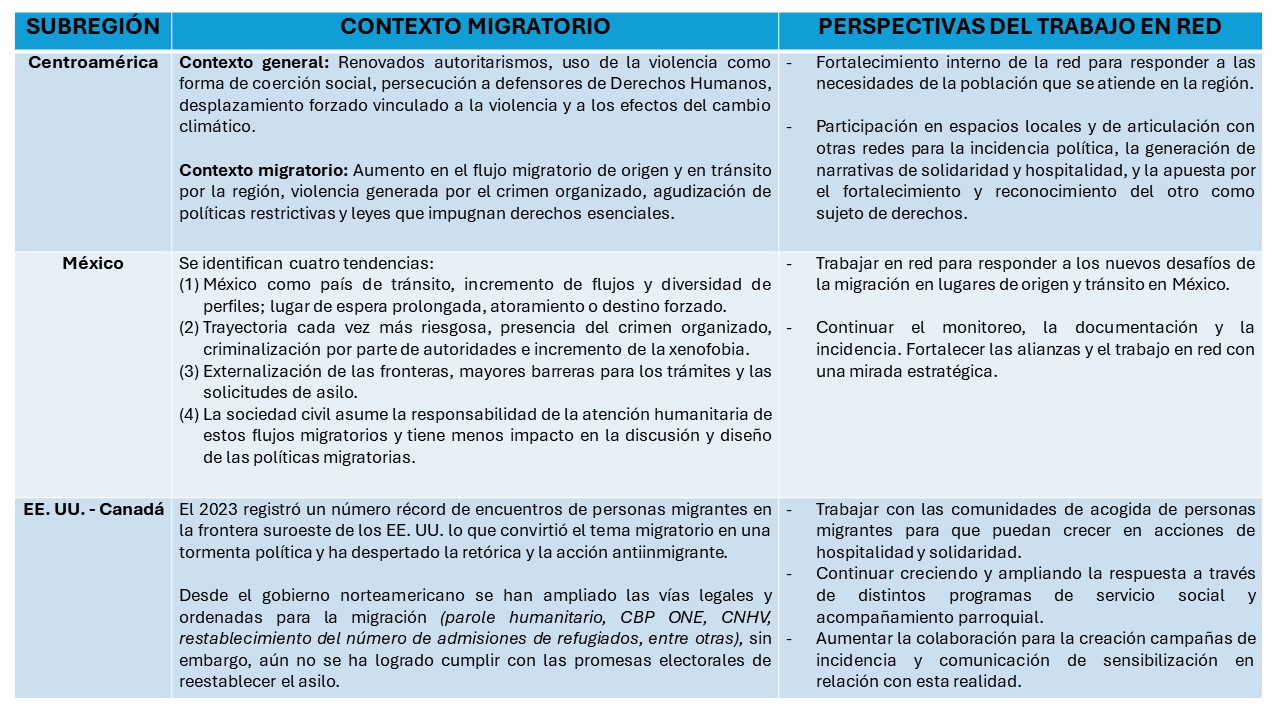
Jesuit Network with Migrants Central America and North America (RJM CANA) shared the first four months of the year report (January – April 2024): "They have been months of a lot of work to face the challenges in the migration context characterized by an increase in the migratory flow in vulnerable conditions throughout the region, however, also These have been months in which the fruits of networking have been confirmed".