Latin America – Seeing Latin America’s problems with a ‘Human Rights Lens’
The president of AUSJAL, and also Rector of IBERO, Dr. Luis Arriaga Valenzuela SJ, reflected on Latin American issues at the presentation of the book 'Los mercados laborales en América Latina. The great challenges of the region'.
The gaps in formality between genders and ethnicities in Ecuador, the Venezuelan economic depression, the slow process of labor formalization in Nicaragua, the chiaroscuro of labor and social rights in Mexico, the unequal economic growth in Peru, as well as the instability of labor markets in Argentina are problems that should be seen with a human rights lens, said Dr. Luis Arriaga Valenzuela SJ, president of the Association of Universities Entrusted to the Society of Jesus in Latin America (AUSJAL) and Rector of the Universidad Iberoamericana.
Participating in the presentation of Los Mercados Laborales en América Latina. Los grandes retos de la región, Dr. Arriaga Valenzuela indicated that this publication is especially relevant in the context of slow economic recovery and labor informality that characterizes our region today.
During the event organized by the AUSJAL Peer Network
on Inequality and Poverty, the IBERO Rector recognized the authors for having
the wisdom to denounce the structural contradictions of our economies, "as
if they were denouncing the areas of opportunity of our countries, compared to
the progress that Piketty narrates as a Brief History of Equality".
He also highlighted that the book problematizes labor informality as an issue associated with unproductivity and lack of social rights, rights that have allowed European countries to progress towards socioeconomic and political equality, and that José Rosario Marroquín SJ, reports as deficiencies for most Latin Americans.

"The book emphasizes the perspectives of formality-informality, as well as gender, as analytical axes for the understanding of Latin American labor markets. As a structural challenge for our countries, it refers to the general stagnation of the sectors of our population that work in the informal economy, without access to paid work with dignity, or to the institutions that link it to the exercise of rights and social welfare," he said.
Dr. Luis Arriaga Valenzuela said that the book coordinated by Dr. Óscar Martínez Martínez, researcher of the Department of Social and Political Sciences of the IBERO agrees with other analyses published by AUSJAL, about the serious increase in the vulnerability of the population after two years of pandemic and sanitary contingency.
He also agreed with the need to integrate health,
economic, labor, social and educational policies to guarantee the most
vulnerable a basic income to sustain life and the progressive development of
their capital.
Finally, he proposed to the Inequality and Poverty Network of AUSJAL to deepen the implementation of its public policy proposals. Discern how to implement progressive fiscal and labor reforms with a gender perspective, mechanisms to control national and global monopolies and oligopolies, the creation of transnational legal systems, as well as the regulatory and technological reduction of carbon emissions.
Source: CPAL

Related Posts:
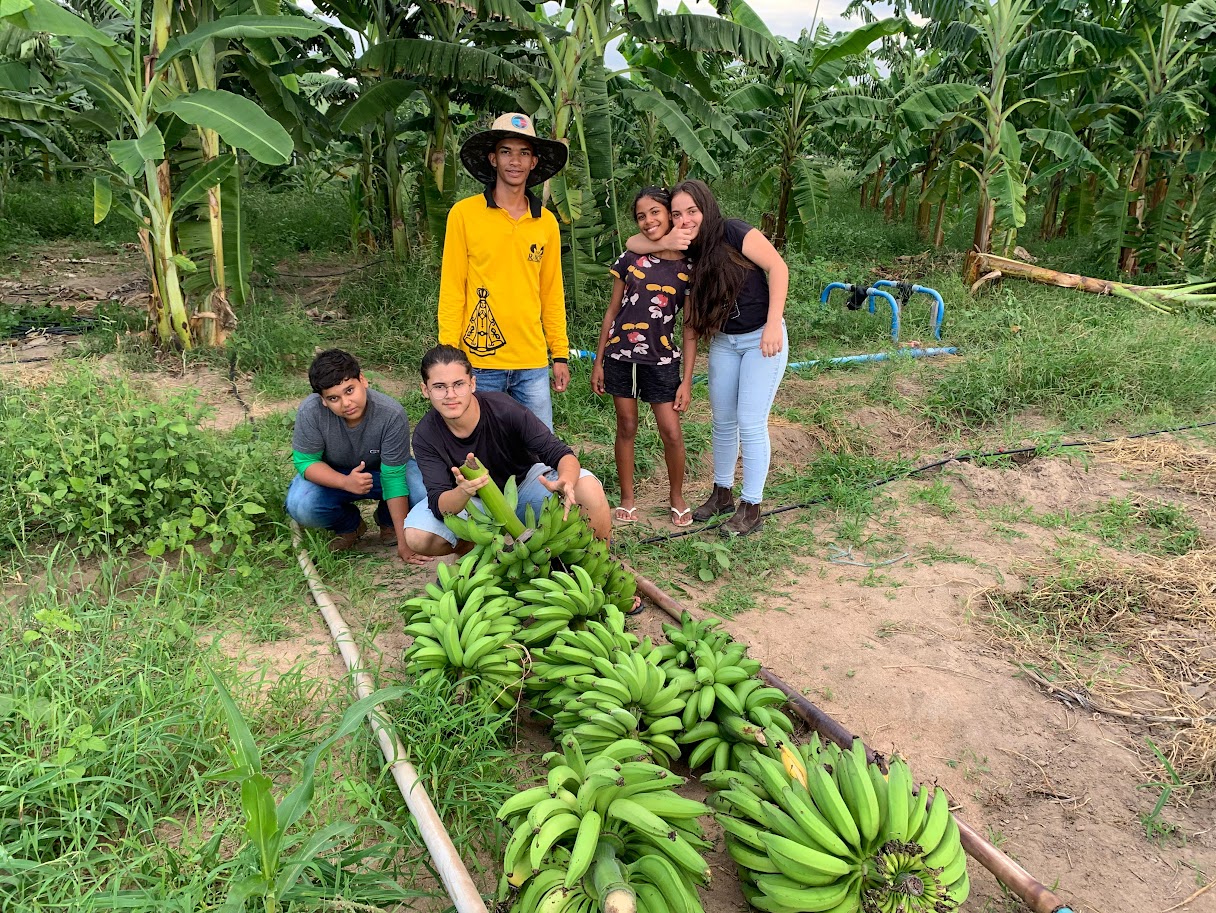
The Jaboticaba Agricultural Family School in Brazil reuses water for sustainable food production in a semi-arid region. Since 1993, it has combined agroecology with wastewater treatment to enhance food security and educate students. The project promotes environmental sustainability and aims to influence public policies in line with Pope Francis’s call for integral ecology.

MEXICO CITY (OSV News) -- An Indigenous Tzotzil priest and peace activist was murdered after celebrating Sunday Mass in Mexico's southern Chiapas state, where the Catholic Church has denounced government inaction in the face of rising violence. Father Marcelo Pérez, who ministered in Indigenous regions rife with territorial conflicts and later denounced drug cartel violence, was shot dead Oct. 20 by two assailants on a motorcycle as he drove away from the Guadalupe church in San Cristóbal de las Casas, according to Mexican media reports.

The Central American Province of the Society of Jesus marks the first anniversary of the Nicaraguan government's confiscation of the Central American University, condemning the violation of education rights and academic freedom. They call for an end to repression, the release of political prisoners, and a return to dialogue and justice.

Stan Swamy Day in Viragalur was a moving tribute to a man who devoted his life to justice and the upliftment of the marginalized.

His journey was marked by a profound sense of detachment, as he left behind his nationality, culture, security, history, and companions to embrace a completely foreign environment.
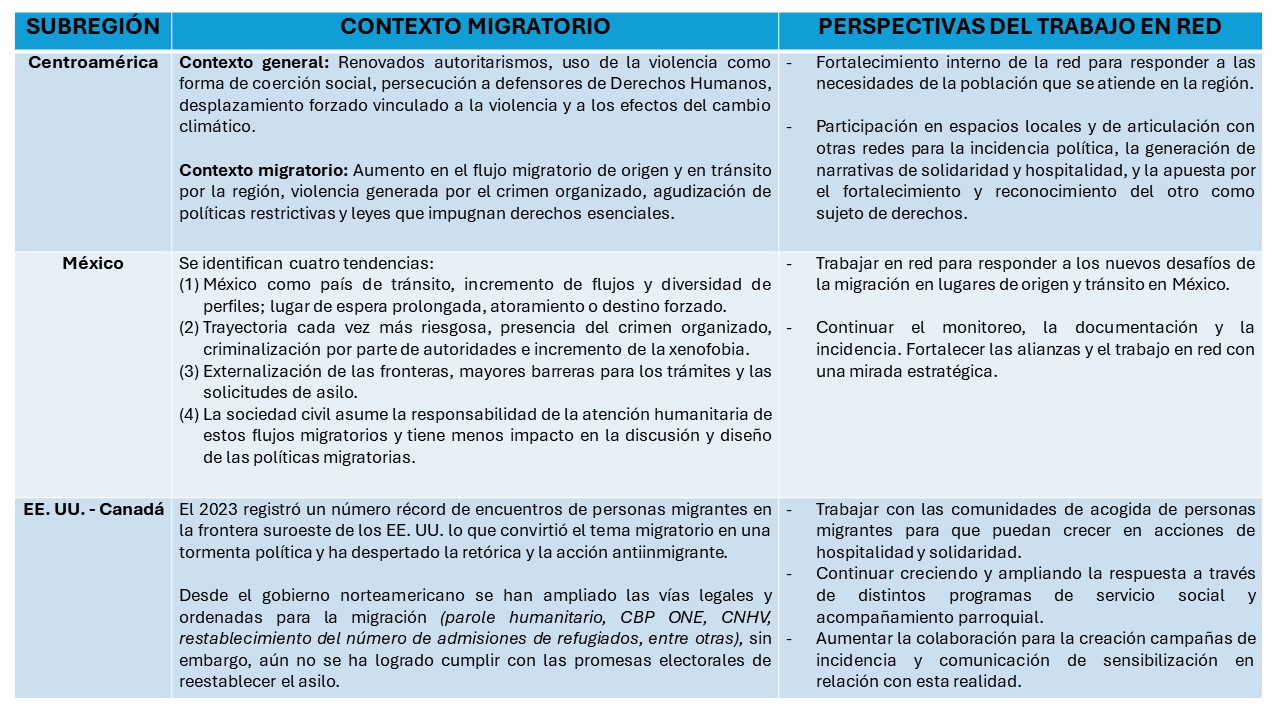
Jesuit Network with Migrants Central America and North America (RJM CANA) shared the first four months of the year report (January – April 2024): "They have been months of a lot of work to face the challenges in the migration context characterized by an increase in the migratory flow in vulnerable conditions throughout the region, however, also These have been months in which the fruits of networking have been confirmed".