Spain – #VoyaSer, The Santillana and Entreculturas Program Supports the Education of 150 girls in Guatemala and Peru
Santillana in alliance with Entreculturas and Fe y Alegría launches #VoyaSer, a comprehensive support program aimed at girls at risk of exclusion in Latin America, which aims to accompany them during the last year of secondary education, helping them to complete compulsory education, and to acquire digital competencies and socioemotional skills. Its aim is to combat school dropout rates and reduce the digital divide and inequality.
Santillana has been promoting educational improvement in Latin America for decades through various educational projects. In recent years, these projects have evolved significantly, adopting a comprehensive approach to the student and the school in a context of high digitalization and innovation in the classroom.
Challenges for the future
However, access to quality education, the management of digital environments and the development of emotional skills remains a challenge for the most vulnerable student population, without resources and in very complex family and social contexts that limit their progress.
"This project stems from the conviction that education can transform people's lives. That is Santillana's purpose and, with this project, we hope to make it a reality and help the beneficiary girls to become what they want and deserve to be," said Rosa Junquera, corporate director of Communication and Sustainability at Santillana.
The pandemic has only exacerbated inequalities, pushing thousands of students out of the education system. According to UNESCO, more than 3.1 million students in Latin America and the Caribbean could drop out of school for good, and this dropout occurs significantly in upper secondary school.
Indigenous and rural women have the highest levels of illiteracy and dropout rates, and much lower school completion rates, regardless of age and geographic area, than their male peers, according to the Entreculturas Foundation's Red Report.
"There is an urgent need to address the deep-rooted gender inequality that causes violence towards girls. We need support like Santillana's to promote effective protection of girls' rights, so that they are no longer subjected to violence, intimidation and abuse. Girls have the right to a childhood with equal opportunities, free of fear, threats and aggressions. In this sense, school is a safe space where girls receive a quality, comprehensive and inclusive education, to become citizens with a critical conscience, active and committed to their communities and to the rights of girls," says Daniel Villanueva, vice president of Fundación Entreculturas.
The program consists of four axes: educational, technological, socioemotional and economic.
- Educational axis: includes content and pedagogical resources from Santillana.
- Technological axis: consists of providing girls and teachers with training in basic digital skills, through an online course created by BeJob, and providing schools with connectivity and computers.
- Social axis: it focuses on the socioemotional development of students through another course also created by BeJob.
- Economic: provides scholarships to cover tuition, material and living expenses.
"As an educational company, we have the responsibility to be an agent of social transformation and develop initiatives that generate positive impact, contributing to a more sustainable and inclusive society," says Junquera.
Girls with potential
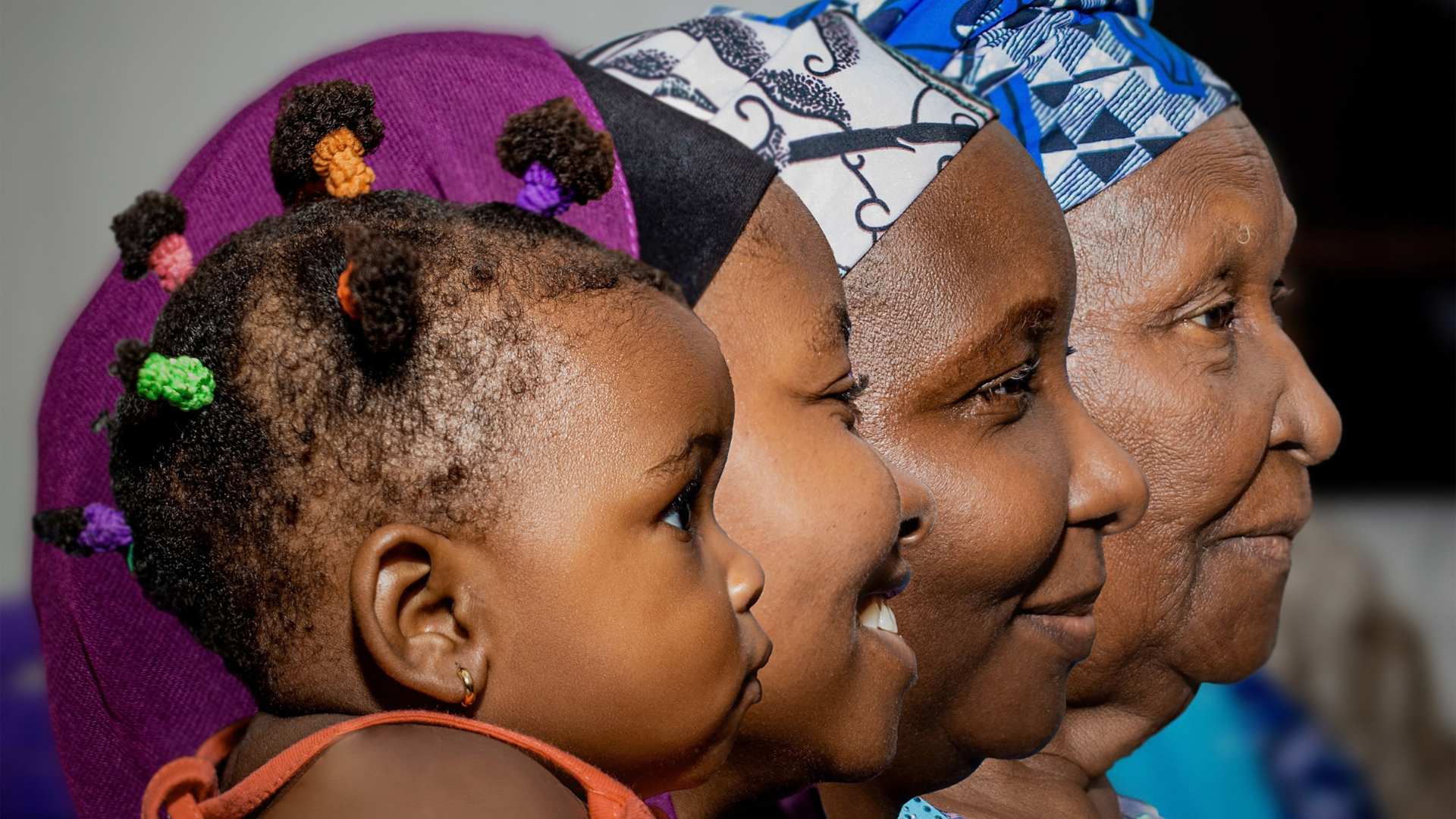
This first edition is being implemented in educational centers in Guatemala and Peru, where it will benefit indigenous girls with high learning potential to become leaders in their communities.
Specifically, the project will support 150 girls and 52 teachers at La Casa del Saber, in Santa Lucía La Reforma, Totonicapán (Guatemala), and Colegio Fe y Alegría No. 62 San José de Chiriaco, in the district of Imaza (Peru).
These are two Fe y Alegría schools where help is especially needed, as they are located in areas with high levels of poverty and inequality: in Totonicapán, 9 out of 10 indigenous people live in poverty. In the case of Imaza, the number of years of schooling of the population is below the national average.
"In our school 312 indigenous girls (Huambisas and Awajunes) from 114 communities study. Some of them have to walk up to 4 days to get to school. Santillana's support will be very significant because it will allow them to continue their studies, train in digital skills and have the possibility of becoming empowered, participative women, citizens, committed to their society and the environment". Declares María Jesús Laorden, director of the San José de Chiriaco School.
Fernando Estévez, general manager of Santillana Peru, adds that "the project is being developed in an area of the Peruvian Amazon where the gender and socioeconomic reality is very deep. In line with the Sustainable Development Goals and the 2030 Agenda we have sought a program that precisely addresses this gap."
"These are girls who normally live in isolated communities, far from their schools, in difficult family and social situations," says Luis Alonso, general manager of Santillana Central America North.
Both the schools and the students will receive support from Santillana's academic coaching network, which will accompany them in the implementation of the program and its follow-up.
Source: Entreculturas
Related Posts:

The Central American Province of the Society of Jesus marks the first anniversary of the Nicaraguan government's confiscation of the Central American University, condemning the violation of education rights and academic freedom. They call for an end to repression, the release of political prisoners, and a return to dialogue and justice.
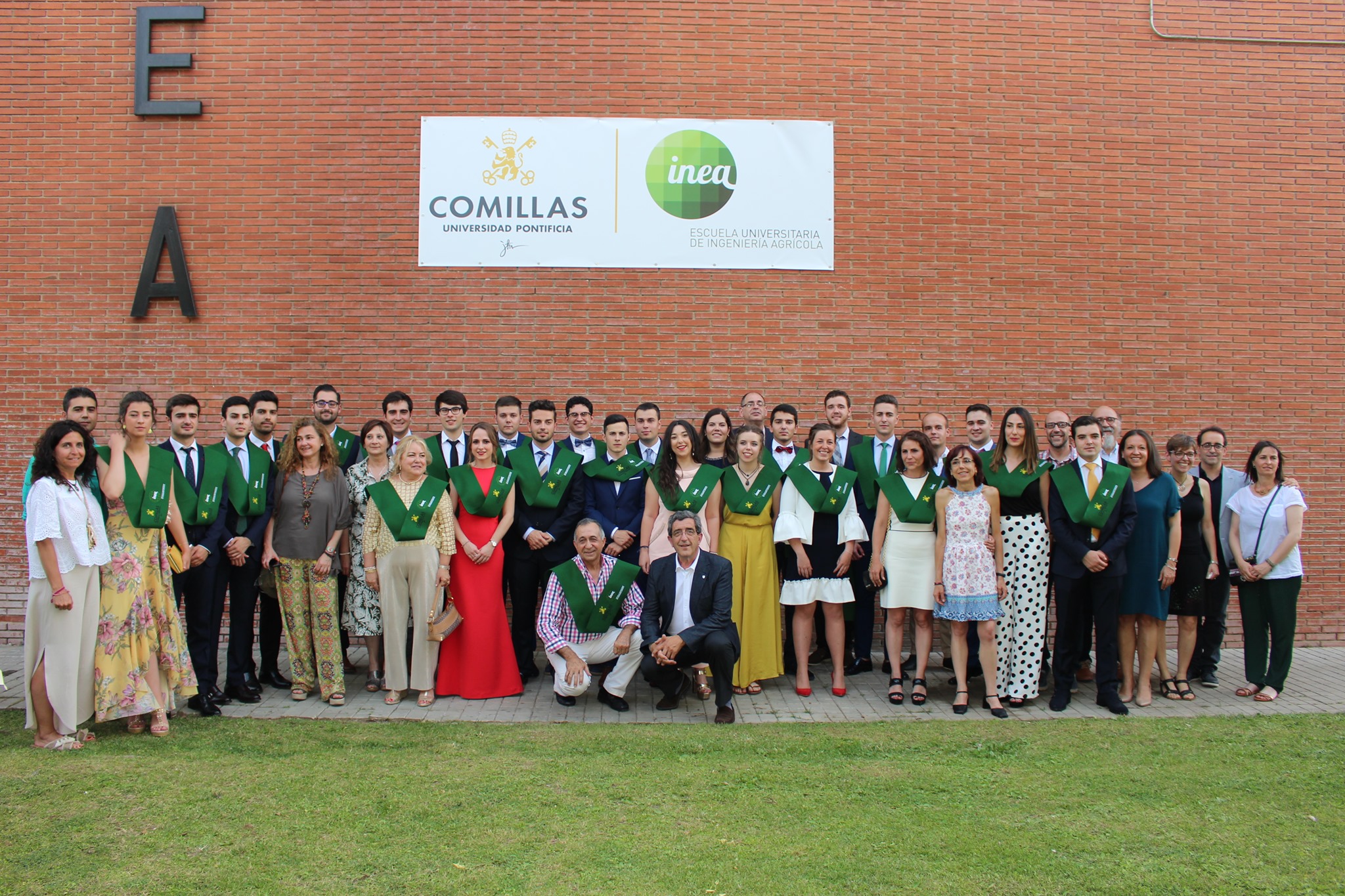
"INEA was a very conventional school, but at one point, we noticed we were at a "dead end," teaching the same thing everyone else was teaching. Twenty years ago, we realised we had to turn things around and get into thinking, learning, and practising organic farming.
"We don't want to take sides, we simply want to enlighten people through texts and enable them to start talking one day soon"
This reality takes a lot of energy from each of us. Much of our time is spent addressing problems that do not exist in other parts of the world.
On Wednesday, April 10, the European Parliament voted on the European Pact on Asylum and Migration. JRS Europe directors jointly opposed the pact and urged European institutions to reject it: "We cannot support a system that will allow the systematic detention of thousands of people, including children, at the EU external borders."
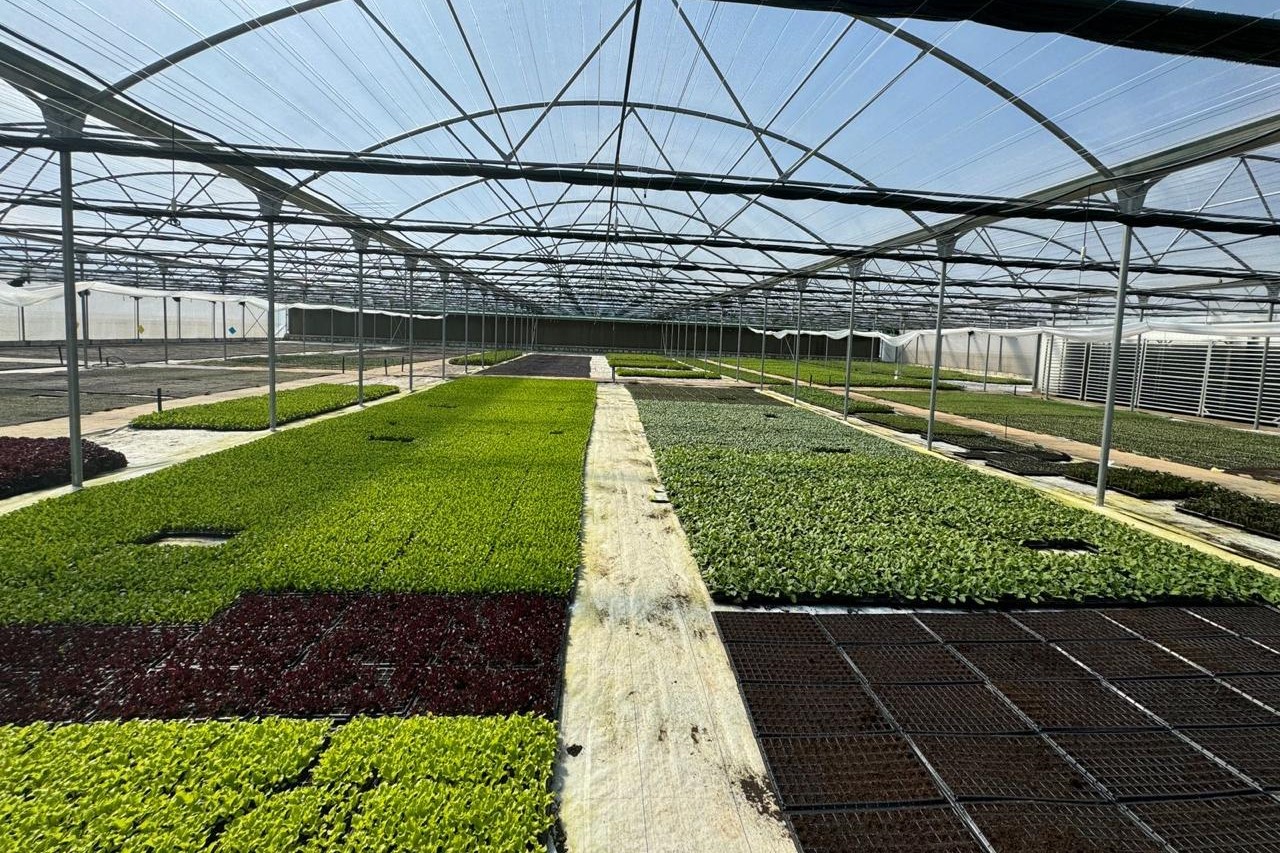
Despite challenges posed by the current conflict in Southern Lebanon, Joseph Nassar SJ reports that the Ain Ebel Centre, in collaboration with the Order of Malta and the local Municipality, remains faithful to its mission to provide healthcare, humanitarian efforts and agricultural initiatives. Its mobile dispensary serves 30 villages with essential medical services. Comprehensive training programmes promote human development and resilience.