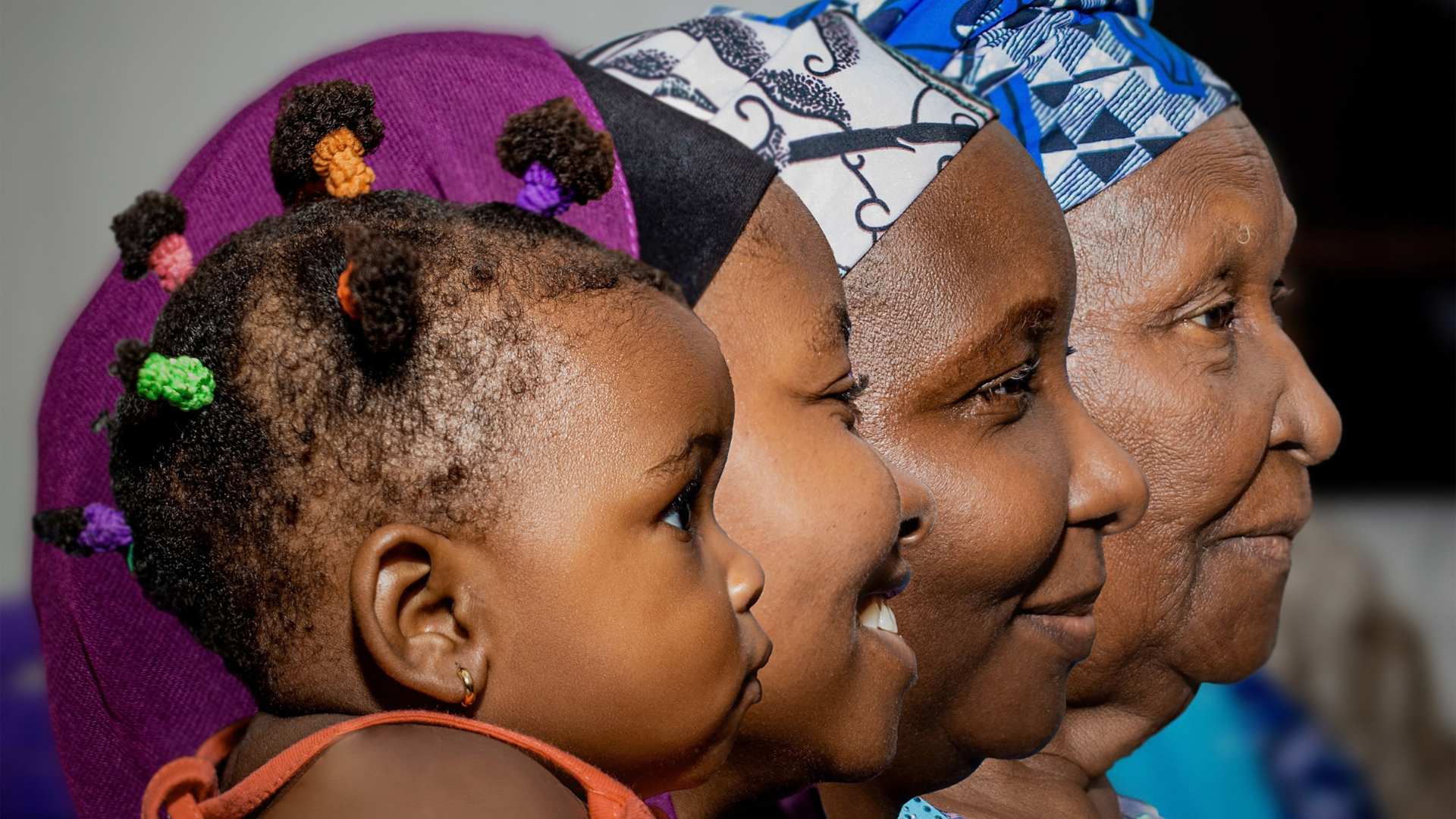
India – Gujarat Women’s Cooperative Network Tackles Health Crisis
The second wave of Covid-19 in India, in general, and in Gujerat, in particular, has had a devastating effect especially in rural areas. The health situation was very serious, and so was the economic situation faced by thousands of Adivasi and Dalit families who depended on daily sustenance. Families have been unable to cope with the anxiety, fear and stress caused by this new wave of the pandemic. Getting medical care was a Herculean task and as sources of income dried up, it became increasingly difficult to access and afford medicines. But despite the extremely serious situation, women in rural areas reacted quickly and calmly to set up networks of help and collaboration.
The Network of Women's Cooperatives organized several meetings with the Missionary Sisters of Christ Jesus, who accompany them in their life and development project, to plan emergency work in the different villages where they are present. On the one hand, the most immediate help was planned, and on the other hand, a strategy was designed to cover medium-term needs, establishing criteria of urgency and need in order to detect the most vulnerable communities: landless workers, single women and widows, and people with functional diversity.
The collaboration of the Gujerat-Alboan Mission has been key as it has provided us with financial assistance from donations and contributions from the families that support the mission. The distribution of aid was organized efficiently, reaching more than 8,300 people from nearly 2,000 families.
Our cooperative structure has been fundamental in responding to the needs of the women, who in turn extended a helping hand to other families and individuals in difficult situations. For this reason, we can affirm that the Women's Cooperative Network has played a key role during the health crisis and has managed to cover some of the needs of the people affected. Standard operating procedures, preventive measures, vaccination and the distribution of masks and disinfectants contributed greatly to reducing the spread of the pandemic.
Technology and communications have made it possible to organize relief programs remotely - women were trained to attend virtual meetings via online platforms in order to continue their work. Cooperative representatives are in contact with women from different communities. Many of them are entitled to receive government aid, but they do not have the training or the means to apply for it, and this is where the cooperatives are playing a very important intermediary role with the communities. They are in direct contact with Adivasi leaders in the villages so that they can articulate themselves and obtain this much-needed aid. It is envisaged that individual economic aid will be distributed, as well as aid for loans and community social programs.
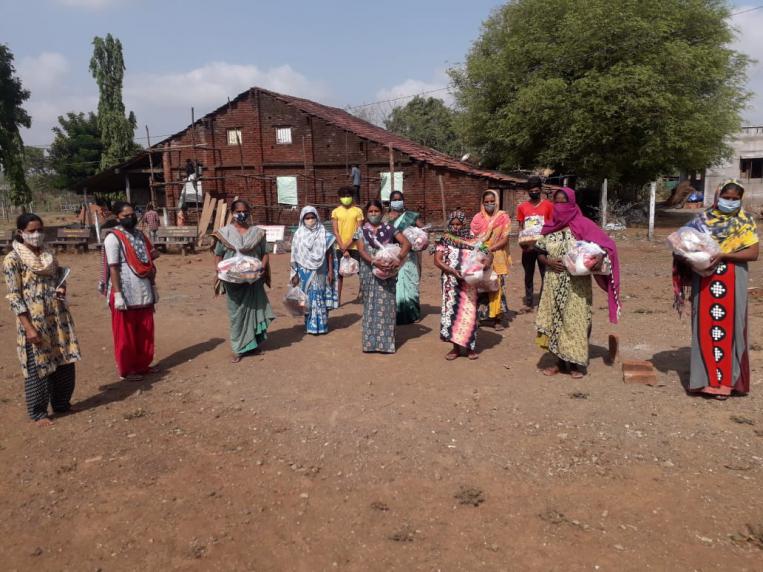
Lights and shadows in the aftermath of the pandemic
The stories left behind by Covid-19
continue to surprise us. Many people have been harmed in one way or another. We
will still need time until this crisis comes to an end. The income of many of
the women we work with is linked to the agricultural sector. We will continue
to accompany them so that they can access government plans and aid and in time
can ensure the sustainability and self-sufficiency of their productive
projects.
During the health crisis and
especially during the second wave, which affected rural areas more severely,
the centers managed by nuns, including dispensaries, schools and cooperatives,
joined forces to identify needs and provide immediate assistance in the areas
where they were already working. Following the second wave of the pandemic,
efforts are now focused on identifying the medium and long-term impact. To this
end, meetings and discussions have been held, often via the internet, involving
both the women of the cooperatives and the religious sisters, who have been
meeting in turn with women in the villages.
The commitment of all these women nourishes our hope in times of difficulty. These are women who want to grow, decide to grow and strive to grow. In the midst of the storm, these stories of joys and sorrows, brokenness, and imperfections, it is important that we do not lose the courage, optimism and hope to bring a ray of light into the lives of the women we work with.
Source: Alboan
Related Posts:

The Central American Province of the Society of Jesus marks the first anniversary of the Nicaraguan government's confiscation of the Central American University, condemning the violation of education rights and academic freedom. They call for an end to repression, the release of political prisoners, and a return to dialogue and justice.

Stan Swamy Day in Viragalur was a moving tribute to a man who devoted his life to justice and the upliftment of the marginalized.
For April, the Holy Father chose to pray particularly for women, the recognition of their dignity and role in society: "Let us pray that the dignity and worth of women be recognised in every culture and for an end to the discrimination they face in various parts of the world".
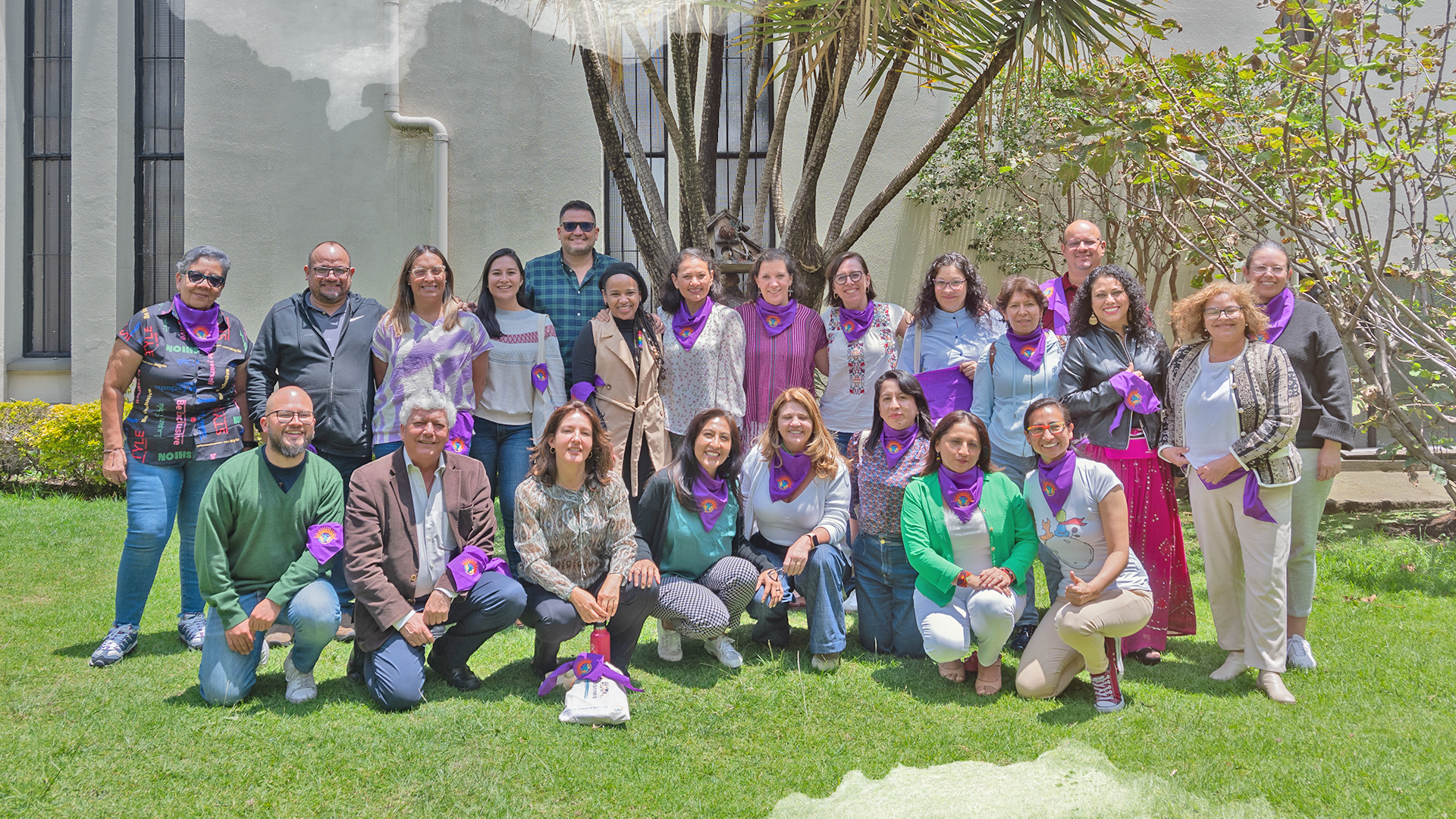
Representatives of nine provinces of CPAL met in person in Bogotá, Colombia. It was an opportunity to reaffirm their dreams and commitment to continue walking together, training on, and reflecting upon the impact of gender equality in the apostolic body of the Society of Jesus in the Latin American and Caribbean territories.
After almost six months of war in Gaza, the Society of Jesus released a statement calling for peace. The Jesuits avow to follow Pope Francis's voice, who has repeatedly warned that war is a defeat and called for negotiations—and the beginning of a process that will bring freedom, liberty, and justice for all in the Middle East--the only road to true peace.
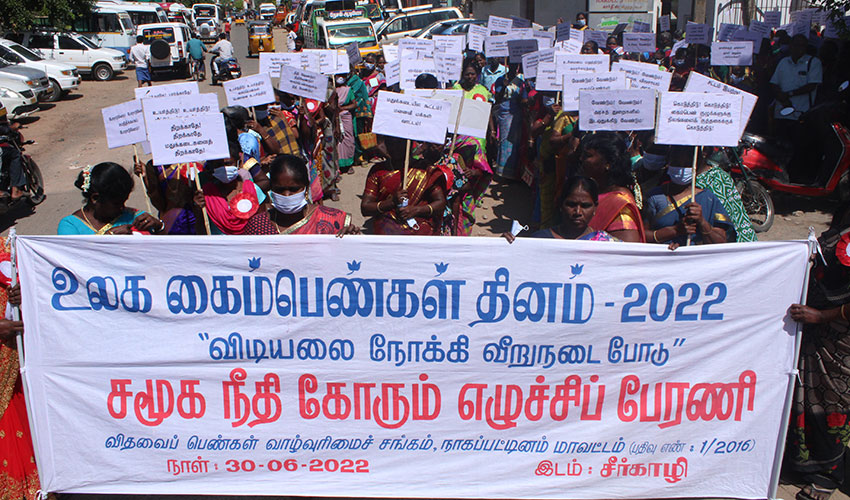
This narrative unveils the Province's pioneering efforts in social engagement, shaped by global and national events and driven by an unwavering commitment to structural transformation in Tamil Nadu.