Cuba – Religious in Cuba: We recognize “the voice of God” in the claims
As local human rights groups report the detention of nearly 300 activists and protesters in Cuba, the Cuban Conference of Women Religious (CONCUR) issued a statement on July 13, urging the government to release citizens detained since protests began on July 11. CONCUR board members, recognizing "the voice of God in the grievances of the people," also urged the government to allow Cubans to freely express their discontent and to stop using violence to repudiate and repress "those who think differently and express it in public."
The declaration of the conference proposed five points "indispensable to overcome the current difficult situation and to build fraternity among all". The members of the conference affirmed that "it is a legitimate and universal right of any citizen to demonstrate his claims in an orderly and peaceful manner in the public space" and urged the immediate release of the detained demonstrators.
The statement also "claimed the right" to communication and the free flow of information, objecting to the Cuban government's efforts this week to suppress social networks and block mobile telephony.
In a televised speech on July 14, Cuban President Miguel Díaz-Canel appeared to step back from his initial hard-line stance, offering self-criticism for the first time by acknowledging that government shortcomings had contributed to this week's protests, the largest seen in Cuba in 25 years. On July 11, he had urged "revolutionaries," "communists" and counter-demonstrators to take to the streets to "combat" protesters clamoring for "freedom" and deploring shortages and hunger in Cuba.
"From the riots we have to draw experience," he said Wednesday night. "We also have to make a critical analysis of our problems in order to act and overcome, and prevent them from happening again."
Protesters have expressed anger over long lines and shortages of food and medicine, as well as repeated power outages. Some demanded a faster pace of vaccination against the coronavirus. But there were also calls for political change in a country ruled by the Communist Party for some six decades.
Police intervened and arrested dozens of protesters, sometimes violently. The government has accused protesters of looting and vandalizing stores. Smaller protests continued on July 12, with authorities reporting at least one death. No incidents were reported on July 14.
In their statement, Cuba's religious superiors urged nonviolence and dialogue to address the crisis. "We must all avoid falling into the trap of violence as a way to impose one's own truth," they said. "We are concerned that due to a lack of capacity for dialogue and listening, those who think differently and express it in public are attacked, repudiated, persecuted and condemned by the government."
Speaking from Havana on July 15, Danny Roque, S.J., was not convinced that the president's speech had succeeded in quelling discontent. Father Roque said the city of Havana was quiet today, but described a large police presence in the streets, especially near commercial areas and hotels.
According to the priest, the government is trying to communicate the message that it is in control. The president and the Cuban state have been trying to divert attention from the nation's ongoing social and economic problems, he said, in part by blaming the shortages on the U.S. embargo and other forces beyond its control. (The U.S. Conference of Catholic Bishops has urged successive U.S. administrations to lift travel restrictions and the embargo on Cuba, calling for economic, cultural and religious engagement.)
Father Roque agrees that the embargo contributes to the nation's woes, but suggested that shortages of food, medicine and services, as well as power outages, are also a consequence of structural failures. "We have many, many problems in Cuba that we can solve here," he said. "We just need more freedom, especially economic rights for the people, so that people can be more protagonists of their lives, of their economic situation. But Cuban law does not allow it."
Cuba remains a "dependent and economically fragile nation" after the loss of former sponsors such as the Soviet Union and Venezuela due to its persistent bet "on an economic system that, as in the rest of the countries where it has been implemented, has failed to solve [elementary] problems or guarantee a minimum of economic development".
Father Roque described what has been happening in Cuba as a popular insurrection. "This happens when people are so tired, so frustrated and have reached such a limit that they prefer to take to the streets and pay the price that this implies rather than continue living like this."
Although U.S. hostility remains an easy excuse for the current crisis, socialism in Cuba has only achieved an equality of misery, Father Roque charged. He added that even Cuba's vaunted health care system has proven inadequate in the face of the coronavirus threat.
"Without any serious studies to back it up, the state proclaims the supposed success of two Cuban vaccine candidates," he said. "However, the reality is that we see overcrowded hospitals, people treated on the floor, lousy hospital conditions and a lack of basic medicines." All of this is part of normalized daily life in Cuba, he said.
The protests began on July 11 in San Antonio de los Baños, a small town south of the capital. Those demonstrations "generated a chain reaction," Father Roque said, which eventually spread to some 30 other communities, including the capital, Havana. Father Roque described shouts of "Freedom!" "Down with the dictatorship!" and "Let him resign!" as thousands of people took to the streets to demand civil rights and humanitarian assistance. "Cuba has witnessed the largest citizen protests the country has experienced in the last 62 years," he said.
President Díaz-Canel on July 11 urged government supporters to respond with violence to the ongoing protests, according to a Human Rights Watch report. "We call on all revolutionaries to take to the streets to defend the Revolution," the president said. "The order to fight is given."
According to H.R.W., local sources report that 275 people have been detained by government security agents, and the whereabouts of many of them remain unknown.
H.R.W. reports that police and intelligence agents have also shown up at the homes of journalists and activists, ordering them to stay off the streets. Other sources report the arrest, death and injury of other protesters and activists since the widespread demonstrations began.
In its statement, the conference of Cuban religious superiors urged dialogue and listening to "remedy the causes that originated these demonstrations".
The statement from Cuba's Catholic religious superiors expands on the message issued July 12 by Cuba's bishops, who similarly called on the government to respect the right of the Cuban people "to express their needs, aspirations and hopes and, in turn, to express publicly how some [government] measures that have been taken are seriously affecting them."

MESSAGE FROM THE CUBAN CONFERENCE OF RELIGIOUS WOMEN/MEN
Havana July 13, 2021
To the Consecrated Life on pilgrimage in Cuba
To all people of good will
We, as those responsible for accompanying Consecrated Life in Cuba, welcome with deep respect and interest the cries and hopes expressed by the people who have come out to protest in the streets this Sunday, July 11, throughout the country. As consecrated persons we live these events from the faith and we also recognize in these claims of the people the voice of God. Those who took to the streets are not criminals, they are common people of our people who found a way to express their discontent.
In communion with the important and inspiring message of our bishops yesterday, July 12, we also feel that "we cannot close our eyes or close our eyes, as if nothing were happening".
As brothers on the path of the Cuban people, we want to propose these five points that seem to us indispensable to overcome the current difficult situation and to build fraternity among all of us:
- Let us remember and defend that it is a legitimate and universal right of any citizen to manifest his claims in an orderly and peaceful manner in the public space which is not the monopoly and privilege of any particular ideological group.
- It is necessary the prompt release of all those who have been unjustly imprisoned for the mere fact of exercising the right to demonstrate, to express their claims.
- We demand the right to information and communication that has been violated to the extreme by cutting the cell phone connection and blocking social networks. This increases uncertainty and confusion in a population already burdened by critical economic, health and social situations.
- We must all avoid falling into the trap of violence as a way of imposing our own truth. We are concerned that due to a lack of capacity for dialogue and listening, the government attacks, repudiates, persecutes and condemns those who think differently and express it in public.
- It is important to listen to each other in order to remedy the causes that originated these demonstrations. Only by going to the root of the problems can we truly remedy them.
We entrust ourselves to Our Lady of Charity so that overcoming all
temptations of violence and exclusion, she may guide us along the paths of
fraternity, reconciliation, justice and peace.
Board of Directors of the CONCUR
Source: CPAL

Related Posts:
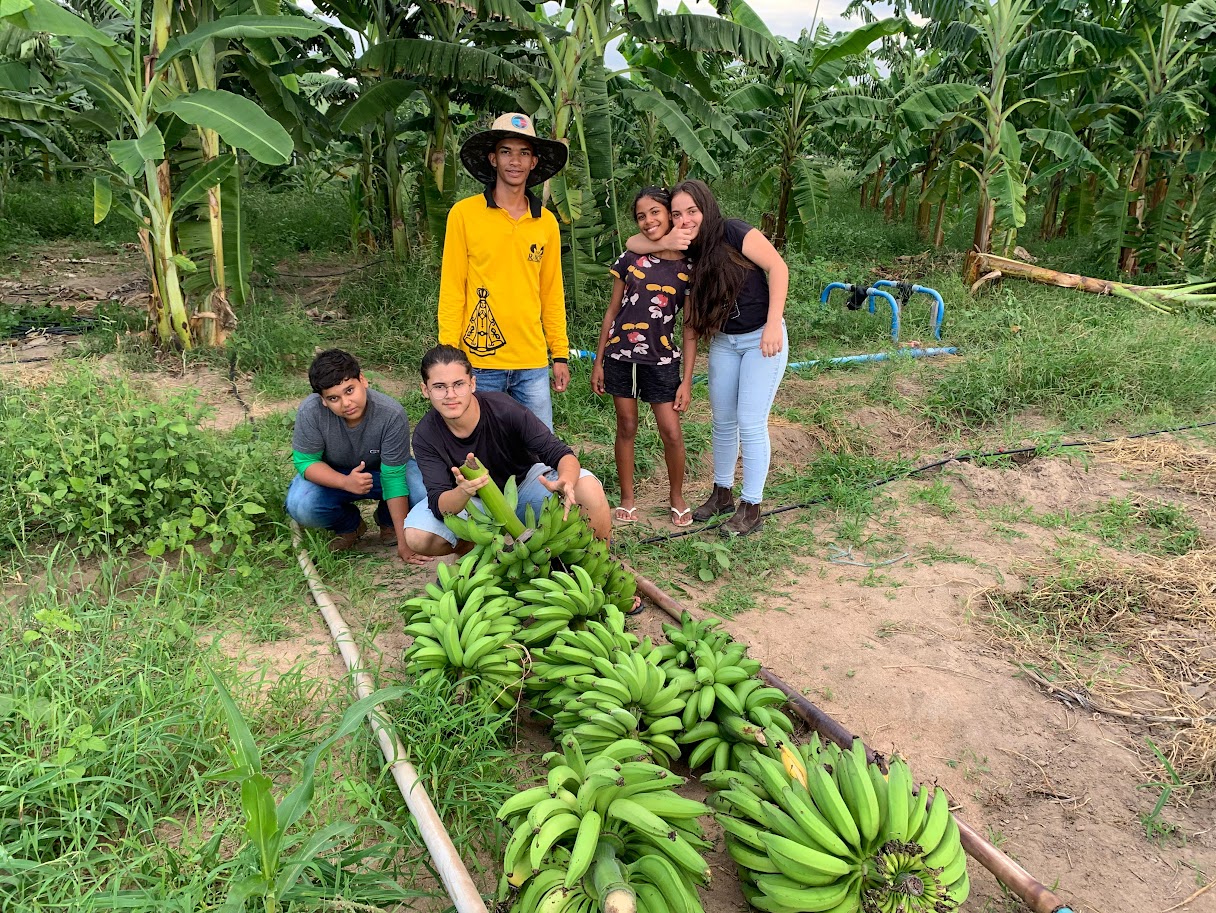
The Jaboticaba Agricultural Family School in Brazil reuses water for sustainable food production in a semi-arid region. Since 1993, it has combined agroecology with wastewater treatment to enhance food security and educate students. The project promotes environmental sustainability and aims to influence public policies in line with Pope Francis’s call for integral ecology.

MEXICO CITY (OSV News) -- An Indigenous Tzotzil priest and peace activist was murdered after celebrating Sunday Mass in Mexico's southern Chiapas state, where the Catholic Church has denounced government inaction in the face of rising violence. Father Marcelo Pérez, who ministered in Indigenous regions rife with territorial conflicts and later denounced drug cartel violence, was shot dead Oct. 20 by two assailants on a motorcycle as he drove away from the Guadalupe church in San Cristóbal de las Casas, according to Mexican media reports.
The Central American Province of the Society of Jesus marks the first anniversary of the Nicaraguan government's confiscation of the Central American University, condemning the violation of education rights and academic freedom. They call for an end to repression, the release of political prisoners, and a return to dialogue and justice.

Stan Swamy Day in Viragalur was a moving tribute to a man who devoted his life to justice and the upliftment of the marginalized.

His journey was marked by a profound sense of detachment, as he left behind his nationality, culture, security, history, and companions to embrace a completely foreign environment.
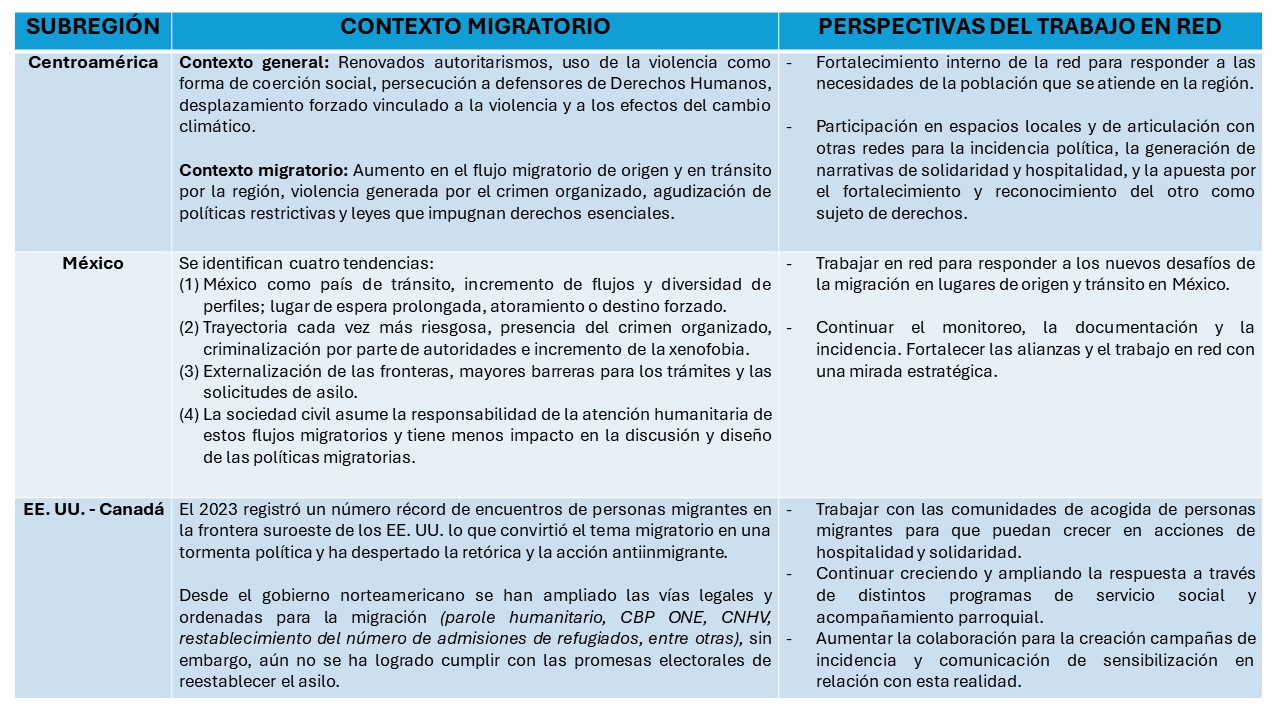
Jesuit Network with Migrants Central America and North America (RJM CANA) shared the first four months of the year report (January – April 2024): "They have been months of a lot of work to face the challenges in the migration context characterized by an increase in the migratory flow in vulnerable conditions throughout the region, however, also These have been months in which the fruits of networking have been confirmed".