India – Second wave of health crisis erupts in India
In recent weeks India has witnessed the worst health crisis it has known since Independence in 1947. Daily new infections have increased by 350% since April and the number is rising from one day to the next. The scenario is threatening and extremely worrying. Our partner organizations in Gujerat tell us how they are experiencing this situation.
A few months ago, in September 2020, when India reached the peak of the first wave, the number of new infections per day reached around 90,000 people. As of April this year, the number of new infections per day has now reached 314,839 and the number is growing steadily. During the government's public appearance on April 24, it was stated that the peak of this second wave could be reached in mid-May with a figure of half a million people infected every day. In reality, no one knows how long this situation could last.
The figures and images coming from India are disturbing but they do not explain what it feels like to be in the middle of this situation in which every day you receive news about the death of someone you know, someone you love, someone you just talked to a few days ago.
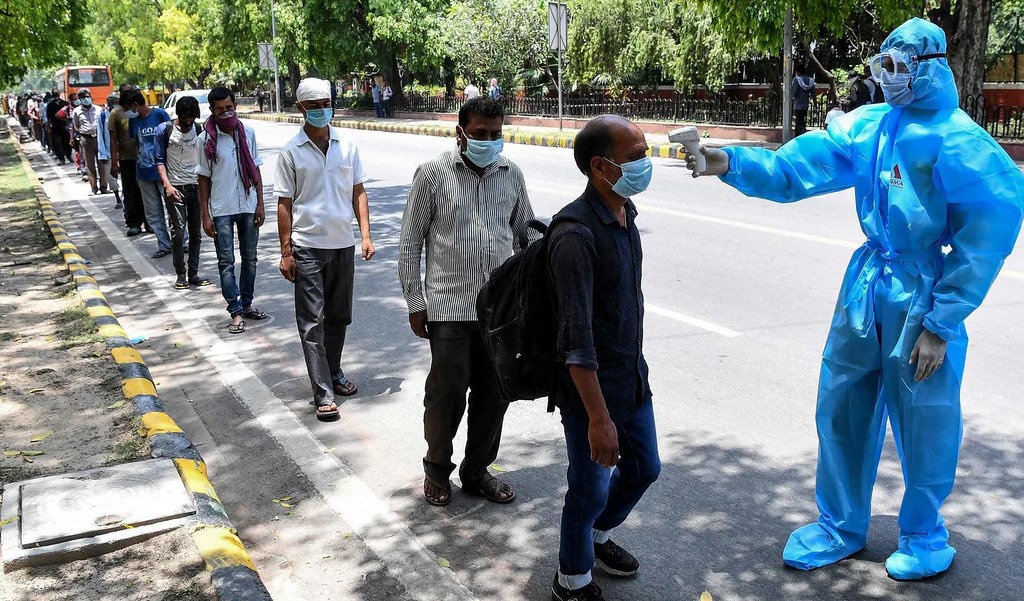
Health system overwhelmed by the second wave of the crisis
Hospitals do not have enough capacity to care for all the people affected. There is a shortage of beds, oxygen and medicines, and the situation is even more delicate in rural areas.
Schools and universities, which had reopened in a staggered manner and following strict security measures just two months ago, have been temporarily closed. The situation is extreme and fraught with difficulties.
The authorities are asking the population to limit their contacts, while in the villages many people are approaching our partner organizations in the state of Gujerat to ask for a place to stay as they cannot get a bed in a hospital. In the rural areas, the situation is one of panic and confusion. We will never know the real number of infected people, and many people refuse to get vaccinated because they have heard stories and hoaxes circulating from phone to phone.
Television channels show us images of crematoriums with waiting lists that are too long. In other communities, huge bulldozers continue to open pits to bury the dead. This second wave is reminiscent of tragedies like the one Gujerat experienced 20 years ago during the 2001 earthquake. The difference is that the earthquake happened once, while the current situation is repeating itself day by day and no one knows for how long. But in spite of everything, communities, parishes and schools continue to spread nets of hope, trying to meet the needs of the most disadvantaged families. Once again, in the midst of chaos and tragedy we continue to find signs of humanity and solidarity.
*By Fernando Franco SJ
Source: ALBOAN
Related Posts:

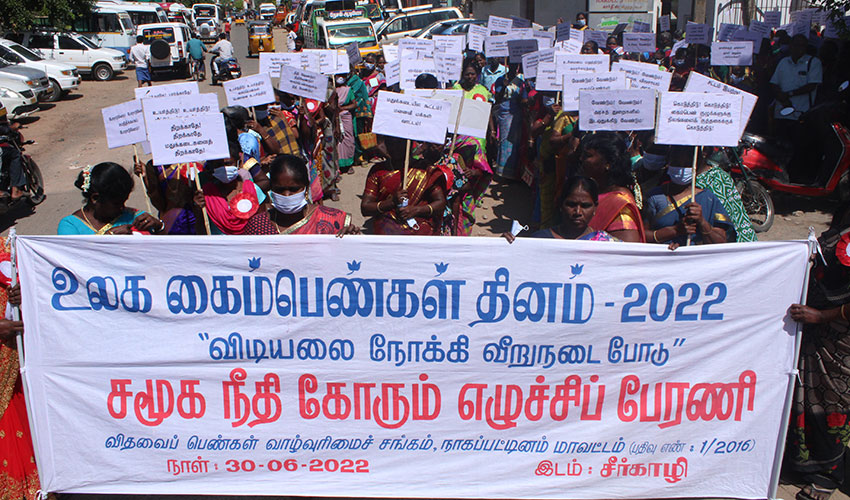
Stan Swamy Day in Viragalur was a moving tribute to a man who devoted his life to justice and the upliftment of the marginalized.
This narrative unveils the Province's pioneering efforts in social engagement, shaped by global and national events and driven by an unwavering commitment to structural transformation in Tamil Nadu.
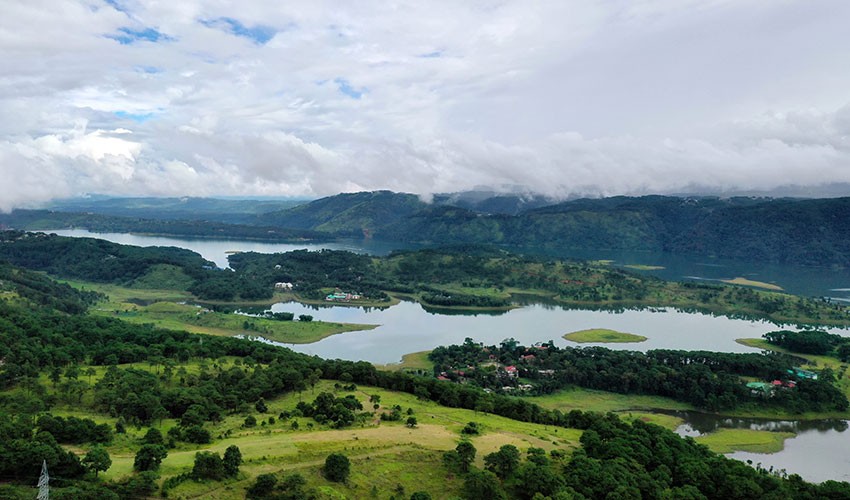
We, the people of Northeast India, look at Mother Earth as a living system. The conservationist principle of maintaining a balance between consumption and regeneration is part of the ethos.

‘Ecology is not one ministry among many others, but rather the mission of the Society. It needs to pervade, permeate and propel every apostolate of ours’, emphasised Fr. Stanislaus D’Souza, the President of the South Asia Conference, while addressing the Ecojesuit online meeting on 10th July, attended by 21 Province Ecojesuit network representatives.
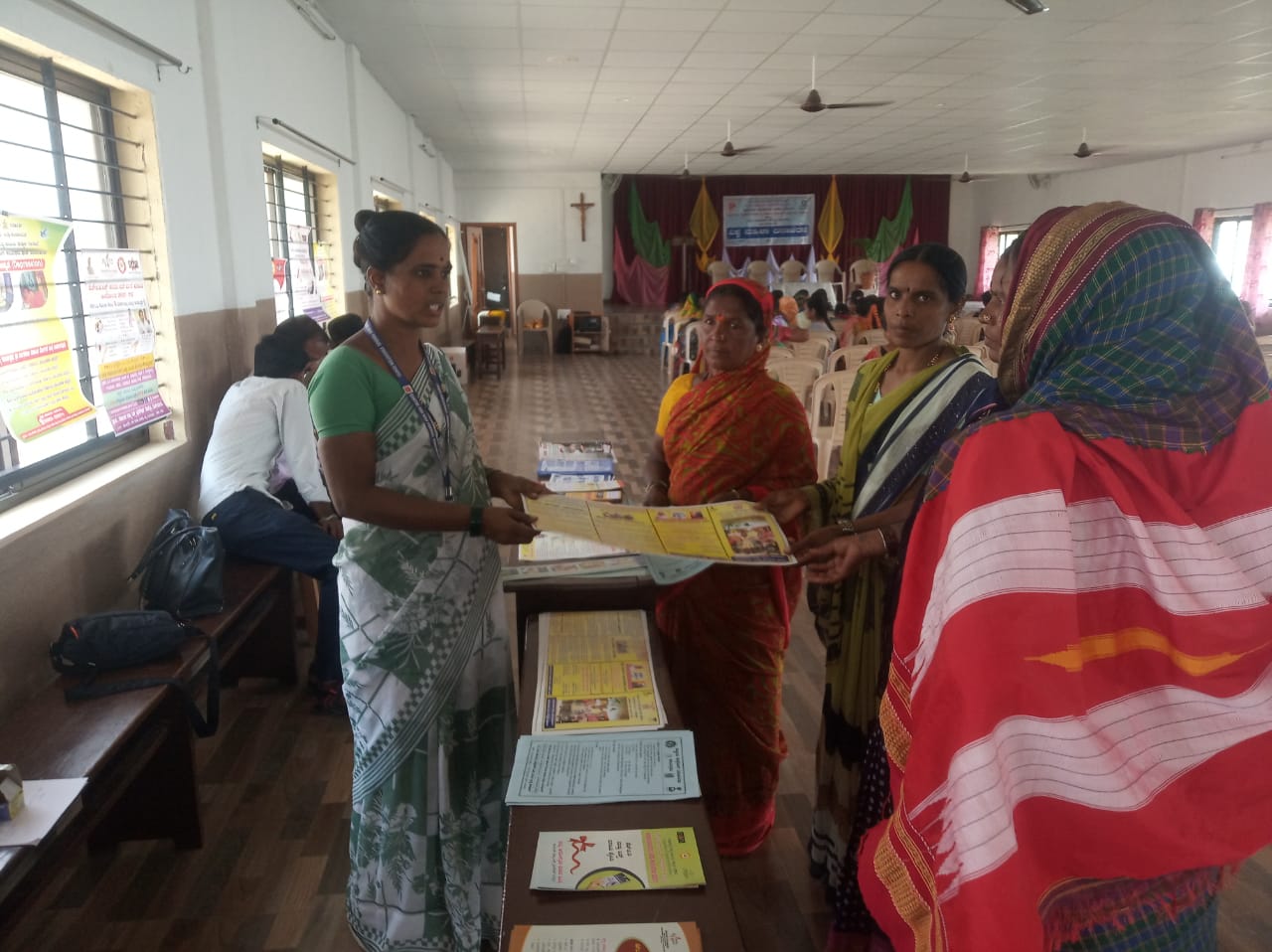
The MAGIS Foundation's support for the project Rebuilding Communities Affected by Leprosy, HIV/AIDS and Physical Disability in Vijayapura (India), which officially started in February 2023 at St Joseph's Health and Community Centre in Vijayapura, continues.
Education is not a privilege, but a fundamental human right. This means that states have an obligation to protect, respect, and fulfill the right to education for all its citizens, without any discrimination.