The courage to speak and preach justice and to condemn injustice, political violence and intolerance
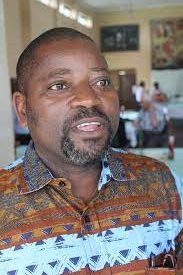 F. Gibson Munyoro SJ, Zimbabwe
For the past year I have been studying, but I would like to go back two years to 2008 and reflect on my experiences during the period of political insanity in Zimbabwe when I was working at Silveira House (SH), the main Jesuit social apostolate centre in Zimbabwe. I was the deputy director of the centre as well as being the coordinator of the Peace Building department and assistant priest in the Chishawasha Mission parish.
On 29th March 2008 we had harmonised elections in the country, which were reasonably peaceful. The opposition party won the majority but the electoral commission declared that the opposition leader had failed to garner the stipulated majority of “50% plus 1 vote”. Some ‘wounded lions’ (from the defeated party) began to mobilise their followers to punish innocent citizens for ‘voting for the wrong party’.
Camps and road blocks were set up to intimidate people into voting for Mugabe in the run-off elections against the opposition party leader. The months April to June were stained with the blood of innocent citizens who were beaten and some of whom were killed.
The director of the centre was then in the UK on his annual three months leave. This left me sitting in his chair as acting director. At the same time, I had just started a new project of working with the Zimbabwe Republic Police. I was also only nine months old as a priest; still a toddler!
Many unnamed people died invisible deaths, and others disappeared only to reappear with broken limbs; others had their properties destroyed. These are some of the people I encountered in my work in 2008. I visited some victims in secret private clinics and listened to accounts of their fearful experiences. I also had opportunities to talk to some political thugs whose voices were hoarse with anger. Although I went around mostly alone, I would occasionally go with a colleague from SH.
In May 2008 SH gave temporary shelter to about 88 displaced victims of political violence (50 women and their 38 children). Inevitably we became enemies of the political thugs for sheltering their enemies. At some point their leaders sent a group of youths to summon me (as acting director of SH) to attend a rally during which I was to be disciplined for accommodating the victims and mobilizing the people against ‘the party’. I was not inspired to die young, so I did not go!
Whenever I look back at my experiences I see God’s hand at work in my life. Otherwise where on earth would one get the courage that I had to visit political violence victims in private clinics and hospitals and to look the political thugs straight in the eye? Some priests and lay collaborators would call me even in the middle of the night with information of organised attacks by these people. I had no magical powers to deal with such cases apart from informing the police or driving to the site to talk to the thugs themselves.
What I experienced is painful to recall, but the positive side of the story is that each time I saw people butchered, I came out full of courage to speak and preach about justice and condemn the injustices, political violence and intolerance. I feared death no more! My sermons became more of a cry for peace and justice than mere spiritual exhortations to the faithful.
What kept me going in such challenging and scary situations were the words of the victims: ‘Even if they beat us we will still vote for the man we want’. These words of freedom and courage echo in my mind as I constantly ask myself how we are to heal the social and psychological wounds of the people of Zimbabwe. Even today my prayers and reflections are saturated with such questions and concerns for healing and reconciliation.
F. Gibson Munyoro SJ Parish ministry, Zimbabwe [email protected]