Adivasis of Assam – From bondage to liberation!
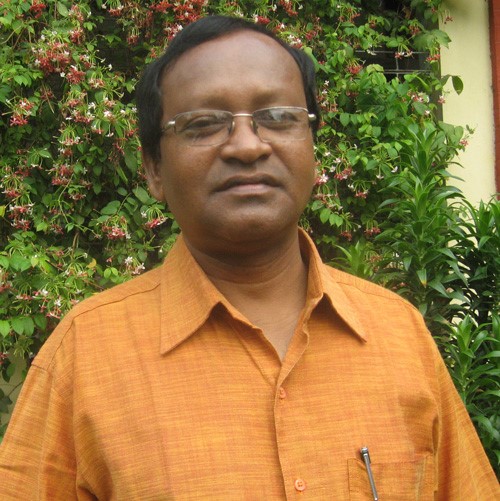 George Soreng, SJ
It was the 24th of November 2007. The Adivasis (indigenous/tribals) from every corner of Assam reached Guwahati, the capital city of the north eastern state of Assam, India, at the invitation of the All Adivasi Students' Association of Assam (AASAA).
The crowd at the government school compound in Beltola began to swell
and slowly started moving towards the deputy commissioner's office to submit a
memorandum demanding Scheduled Tribe (ST) status (a constitutional
privilege granted to the indigenous) for the migrant adivasis living
in Assam. As they neared the commissioner's office, a truck loaded with young
people, armed with sticks, stones and brick pieces suddenly appeared, and began
attacking the peaceful marchers.
The indigenous people in the rally, knowing nothing of what was happening, started running helter-skelter to protect themselves. Many innocent women and children were mercilessly attacked and beaten. A young adivasi girl was stripped naked, kicked, beaten and chased, while cameras kept clicking photos. Around 20 people were brutally killed including some who died in the stampede. The police force was present but were motionless lookers-on. Later, not the perpetrators of violence, but the leaders of the adivasis were arrested and harassed.
This was one of the many barbaric attacks that occur regularly against the adivasis in India. The ethnic clash between adivasis and the Bodo tribe in 1996, many other minor clashes that followed, killings, destruction of houses and property, displacement of people-these can never be forgotten. In 1996, hundreds of people were killed during the clash, and over 70,000 people, including Bodos, Santhals and Oraons, took shelter in 28 relief camps. In 2010 there was illegal and inhuman eviction of people in Lungsung in Kokrajhar district, an incident that paralyzed the life of the people there. All of this happens because the adivasis have started demanding their right to life and livelihood.
From 1831 onwards these adivasis were brought by the British into Assam from Chotanagpur plateau in central India to work as indentured labourers in their Tea estates, as local inhabitants were unwilling to work in the tea gardens. Impoverished adivasis,struck by famine,were recruited and brought in batches of thousands to work on the tea estates of Assam. Though they contribute 20% of the world's tea production, they get little in return; their lives are marked by suffering and misery. Down the centuries adivasis who were retrenched due to a surplus labour force, or those fleeing unable to bear the exploitative and oppressive treatment meted out by the managers, settled outside the tea gardens, now referred to as 'Bastis' (villages). More than a hundred years have passed since they left the tea gardens but their situation has not improved much. To make matters worse, the State government of Assam has not yet recognized them as Scheduled Tribes; hence they cannot take advantage of the affirmative action programmes to which they are entitled.
Gana Chetana Samaj (GCS) meaning 'People's Awareness Society' was founded by the Jesuits on 1st September 1999 to reach out to these adivasis and tribalsin Assam. GCS is committed to the empowerment and emancipation of women, children, youth, farmers, tea garden workers, and the desolate and needy rural poor. GCS has sensitized poor and marginalized women to form self help groups and become self- reliant. Till date more than one thousand women self help groups have been formed. With their savings and other group activities organized by GCS, the families are free from the clutches of money lenders and have reclaimed their mortgaged land. They are linked with financial Institutions such as Banks, and the Block & District Rural Development Agency (DRDA) for different loans. Many women have taken to income-generation activities to raise the per capita income of their families. Farmer's clubs have been formed to train them in modern agricultural methods such as systematic rice intensification (SRI). One of the farmers says, "This year I have enough to eat and I can even sell some paddy because I got a good crop."
Through Right Based Approach (RBA), GCS has trained the villagers to demand their right to food, right to work, right to credit, and right to information under Pachayati Raj These training programmes raise awareness among the people regarding the Government's different welfare schemes and enable them to stand up and demand their rights. For example, the villagers of Rabhabasti in Assam's Kokrajhar district were not getting their rations to which they are entitled from the fair price ration shop. So the villagers submitted a written application to the Director of the Food and Civil supply department. Immediate action was taken by the authorities and the villagers started receiving their rations. Mekerethy Hasda, a Santhal girl, says boldly and with determination, "I am very happy because after training as a beautician and in tailoring, I have started working in a beauty parlor, and I stitch dresses while at home. Now I earn Rs. 1,200/= per month and I don't have to depend on anyone."
When I see the entire process of Gana Chetana Samaj for the development of the poor people I personally feel proud that socio-economic change has already taken place in the village. People have become assertive. They can raise their voices against injustices done to them. The unity of the adivasis is growing stronger and stronger. They know how to put pressure on the government and obtain their rights, including the long standing Scheduled Tribe status (ST). Challenges remain, the biggest being changing the mindsets of people.
I find my work meaningful because I live among the oppressed people, and work for and with them for their liberation from the bondage of poverty, oppression, injustice and illiteracy. Wasn't this what Jesus did and what he calls us to do even today?