Knowledge And Wisdom of Indigenous Communities towards reconciliation
Indigenous knowledge refers to a complex systemand its practicesby Adiwasis[1]/indigenous communities, it comes from their rich experiences and interaction with natural environment and transmittedfrom one generationto the next. It is owned collectivelyin the form of songs. stories, myths, beliefs, customs and laws. The indigenous communities are close to land, forests, rivers and other water bodies. They have developed ecological skills and practices which help them in their various agricultural activities in different seasons year after year. Indigenous knowledge is rooted in community practices, institutions, relationships,rites, rituals, feastsand festivities. It is linked with (a) nature, (b) one another, (c) creator along with ancestors and spirits all in mutual harmony.
[1] Original inhabitants.
Indigenous Clan System
According to various myths, the Creator himself has divided human beings into different clans for their inter-clan marriages. Clans are formed from animals, birds, fishes, plants, and minerals. Everyone in the indigenous community belongs to a particular clan. The members of one clan form an extended family and are related to one another as family members. This social custom makes the members of one clan form a large family. It does not permit the members of one clan to get married in the same clan because its members are brothers and sisters of one family. Through this custom a member gets married outside his or her own clan. Thus social networkspreads beyond one clan to another through inter-clan marriages in reconciliation and social bonding.
Indigenous way of Governance
The indigenouscommunities live mostly in villages of rural and forest areas. They are small farmers though through modern education a good many of their population have joined service sectors for their livelihood. Each village community elects its headfrom among the family heads based on the principle of consensus.He is equalamong equals with no other high and low status. In order to assist him in his duties and responsibilities, there is a councilof elected elders based on the same principle as mentioned above. Together with other family heads in the village, they conduct meetings and make decisions and implement them.. Conflicts in the village are settled in this manner and reconciliation takes place. Beyond this village council, there are inter-village councils with their respective chiefs and councils in order to maintain peace and reconciliation among them and their neighbours.
While the village head and his council together, look after and maintain the socio-cultural peace and harmony in their village; there is also a priest and his assistant elected by the village community to take care of religious rites and ritualson different occasions.These religious leaders through their functions help the village community be reconciled with God the creator, ancestors and other minor spirits. This brings about peace and harmony in the village community in its temporal as well as spiritual affairs.
SarhulFestival
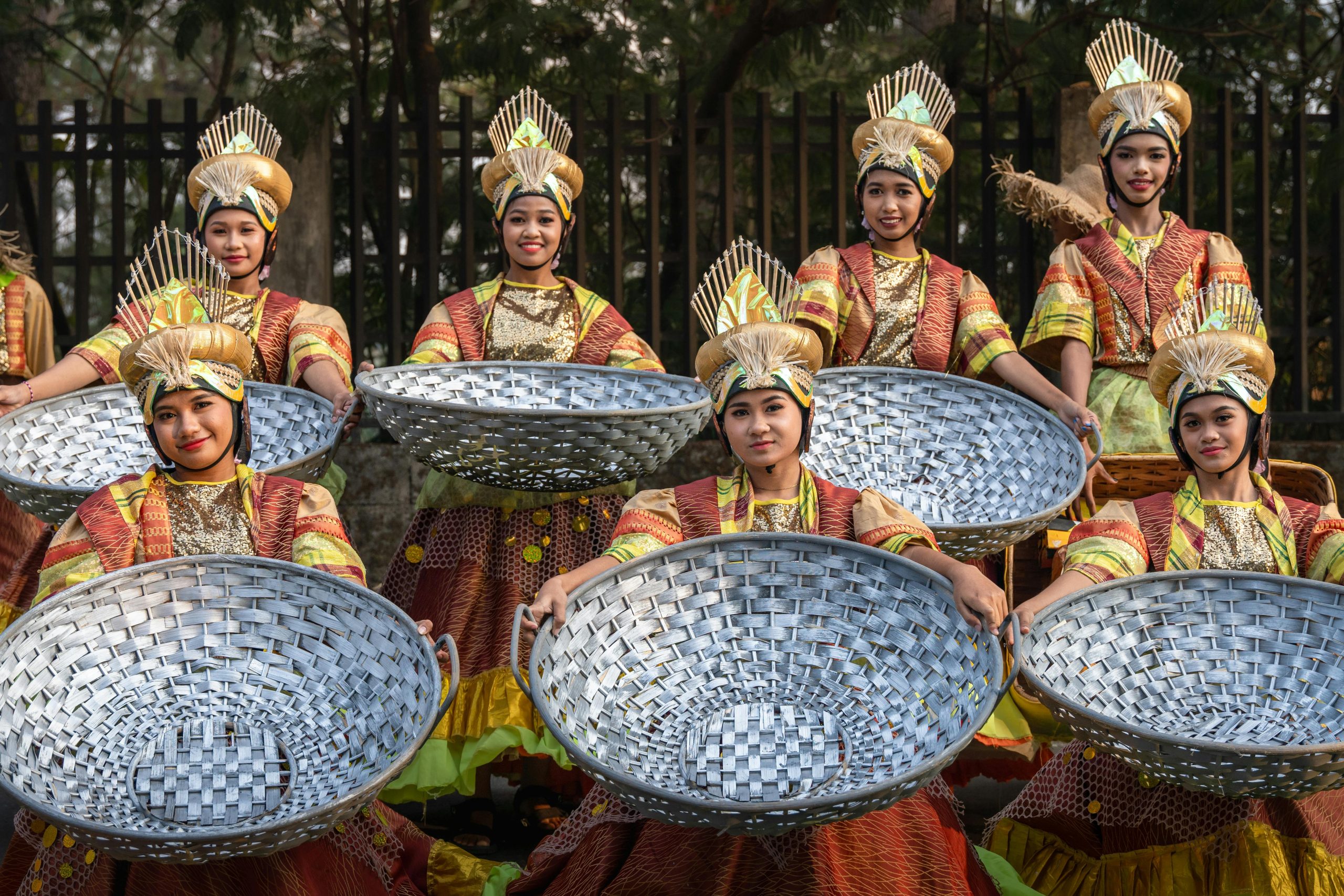
It is one of the festivals celebrated when the Sal trees (Shorea robusta) are laden with white flowers. It is the biggest annual spring festival. On this day, God the creator is worshipped by sacrificing a white chicken to Him. The sacrifice is offered by the village priest and his assistant at the Sarna (sacred grove). The central point of the sarhul festival is the sarnadeity. She is the guardian spirit of the whole village with its inhabitants and cattle. With her intercession to God she is responsible for good monsoon and bumper crop during the year. Her abode is the sacred grove near the village. A red chicken is sacrificed to her. Other spirits are appeased at the sarnaby giving them chicken sacrifices of various colours so that they may not frustrate the efforts of the earth and the sun in their mystical marriage and union on the sarhul dayfor bringing forth good things in abundance in nature. The sarhul feast as explained above illustrates well how people are related tonature, one another, creator and spirits all in mutual harmony and reconciliation.
Crisis in Reconciliation
There are huge deposits of mines and minerals under the lands and forests where the indigenous communities have been living for centuries. Present day governments, however, are taking away these natural resources for mining and industries. As a result massive displacement of indigenous communities is taking place without adequate resettlement and rehabilitation. This failure on the part of successive governments have resulted in landlessness, homelessness, joblessness, environmental pollution, ecological degradation, and serious health hazards. Sadly, such a situation has seriously disturbed and destroyed the harmony and peace between (a) God and man, (b) man and man,(c) man and nature. This is a real crisis in indigenous communities seeking for reconciliation.
By Dr. P. Agapit Tirkey, S.J.

Related Posts:
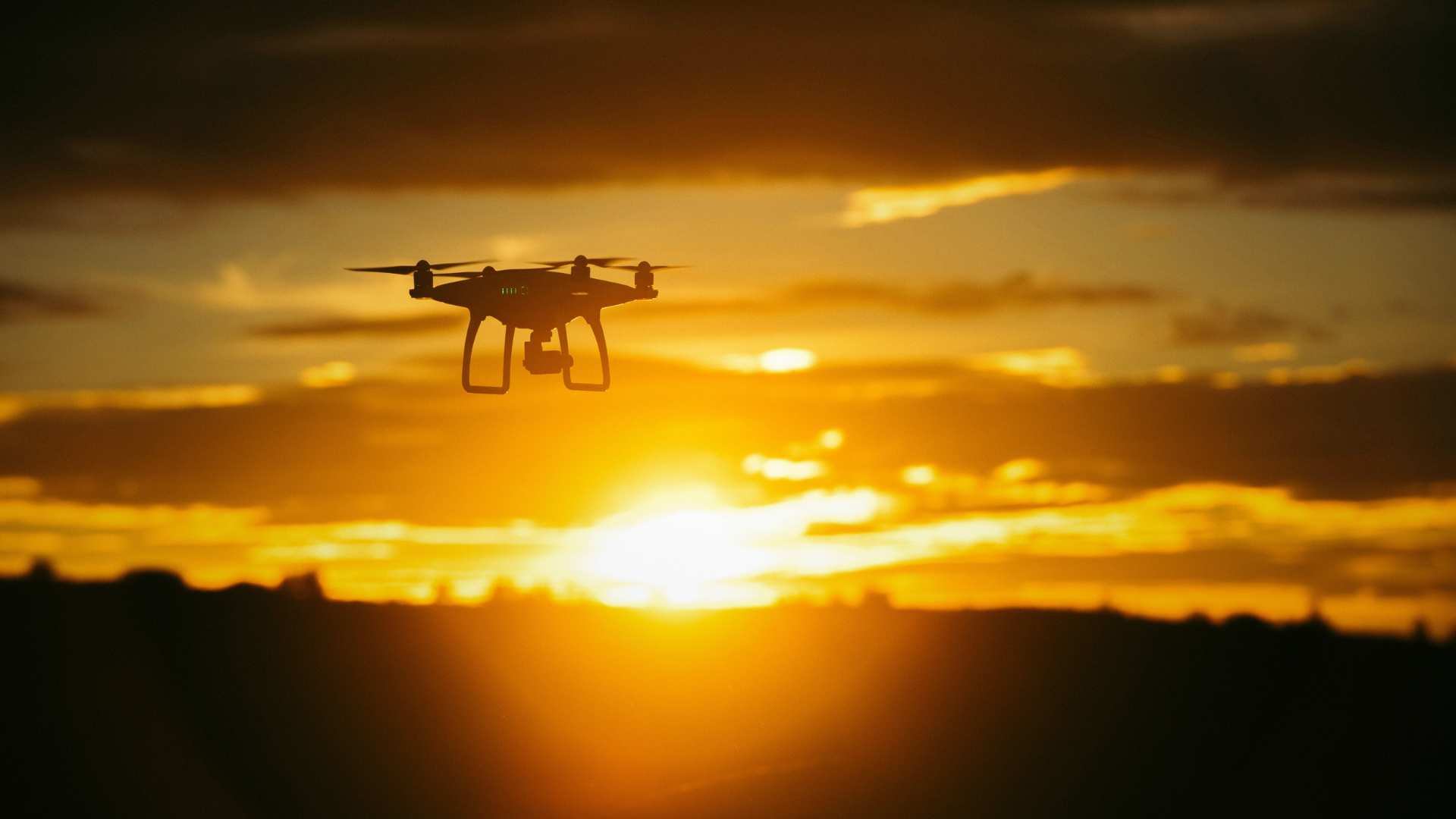
In Magnifica Humanitas, Pope Leo XIV warns that machine intelligence in war ends by “reducing victims to data.” The machine profiling that registers a person for food can also be used to select a person as a target. A small drone circling a road, with no one steering it, can have such a profile as its target. A drone like this is an autonomous weapon system. Once activated, it selects and attacks targets by itself, matching what its sensors detect to a programmed target profile. No human being decides, at the moment of the strike, that this particular person will die or is the right target. The case most often cited as the first use of such a weapon against people, reported by UN experts, was in Africa, in Libya in 2020.
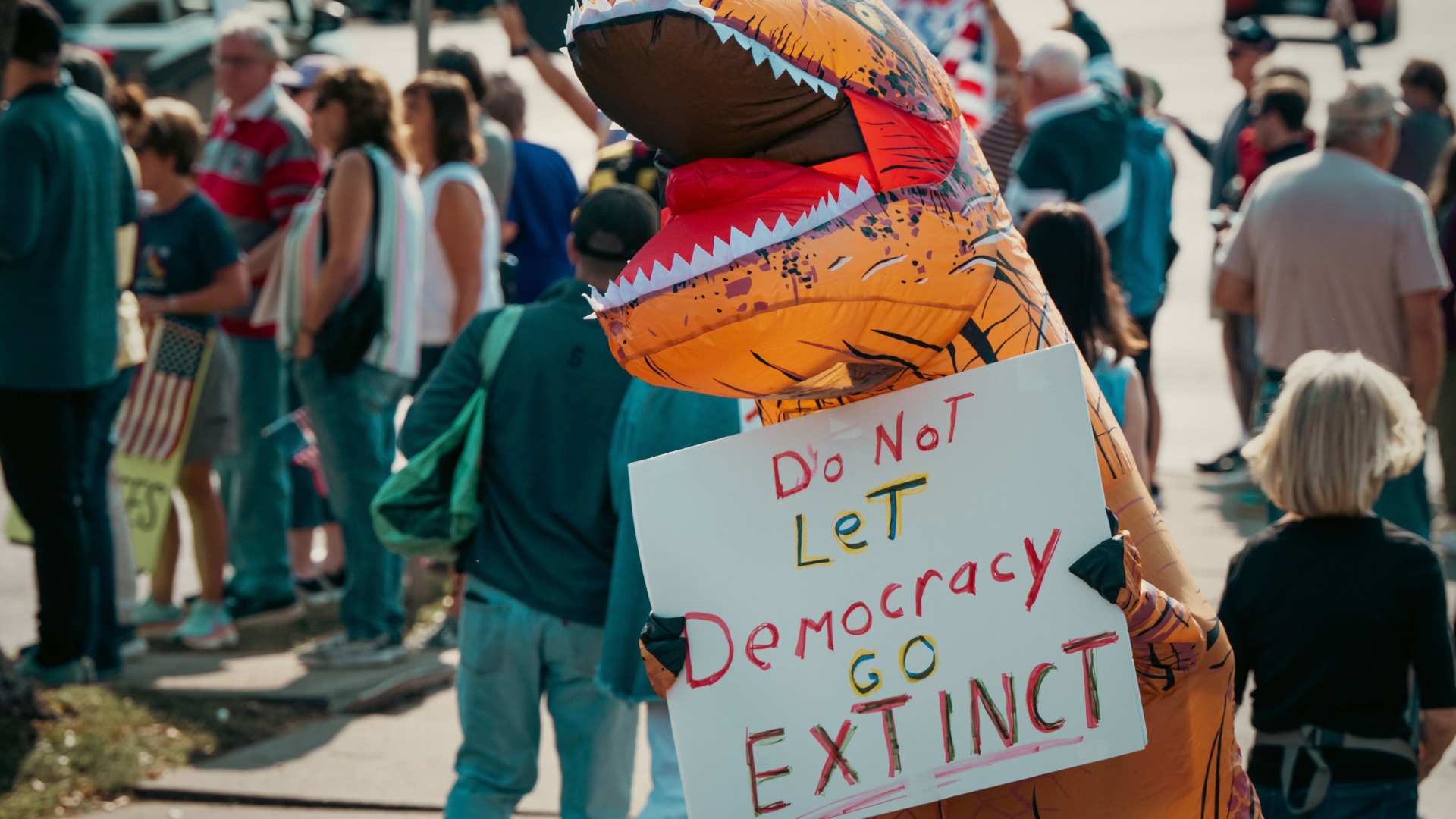
Democracy, which has historically proven most effective in meeting these criteria, cannot be taken for granted. In our AI era, citizens should press for more than multiparty elections and the protection of basic freedoms; that institutional core is not enough. We must carefully regulate and channel powerful technologies with the capacity to divide us from one another and short-circuit social and political participation. That means maintaining spaces in civil society where human contact and social friendship can flourish without the mediation of machines, beginning with the educational systems through which all citizens pass. It means fighting deepfakes and disinformation in the public sphere, so that citizens still operate in a world of facts and evidence and political representation has a strong basis.
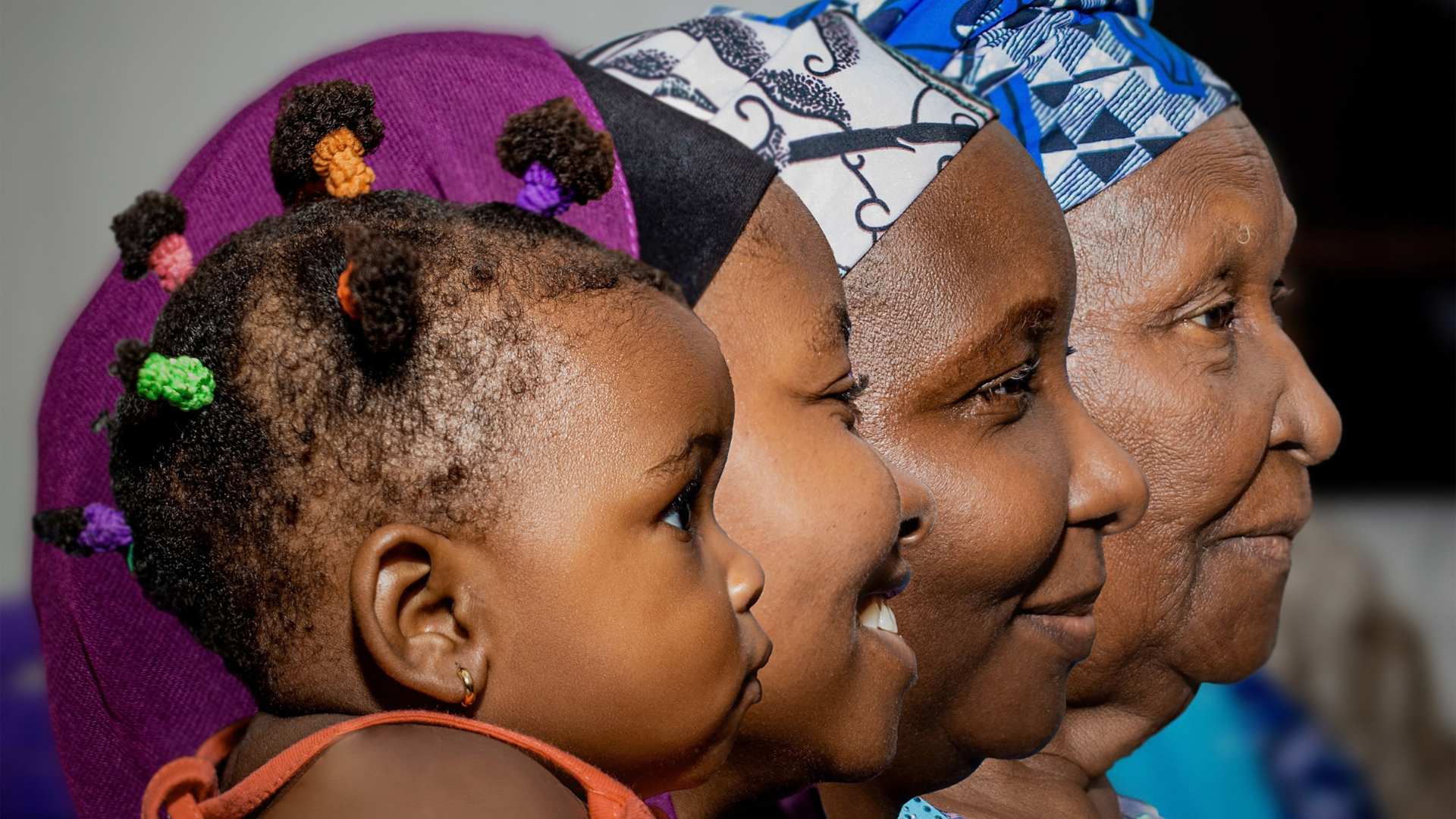
Artificial intelligence (AI) is increasingly entering public life in Ghana, including through digital systems used for identification, verification and service delivery. The ethical question is therefore not simply what AI can do, but what happens to people when digital systems become gateways through which citizenship, mobility or access to services are recognised. In northern Ghana, especially in border communities, this is a concrete question. I was privilege to visit Pusiga community in November 2025 with a Jesuit friend of my mine who is originally from the community. Thus, the topic for this article resonates very well with me.
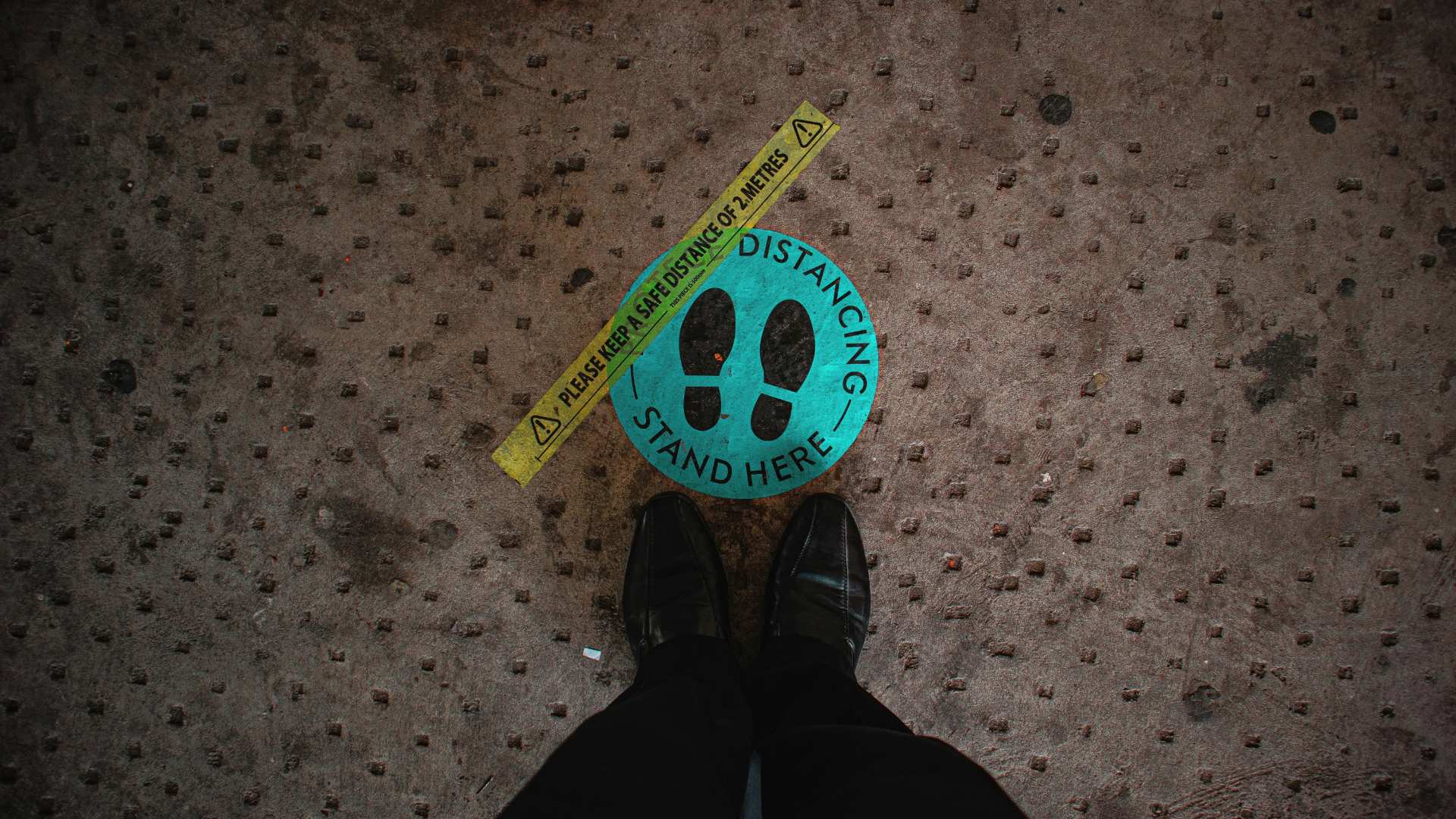
The article ‘Pandemic and Authoritarianism’, by Germán Rosa, SJ, was written in the midst of the COVID-19 crisis, but its insights extend beyond that context. The pandemic appears to reveal and accelerate political trends that were already present: the concentration of power, the weakening of democratic checks and balances, and the acceptance of extraordinary restrictions in the name of collective security. Rosa’s main concern is that fear may lead citizens to silently surrender their freedoms and rights, and that measures which were initially intended to be temporary become normalized and endure. Furthermore, in societies riven by inequality, control is never distributed neutrally: it falls most heavily on the impoverished, marginalized groups, migrants, dissidents and those who defend rights and territories.
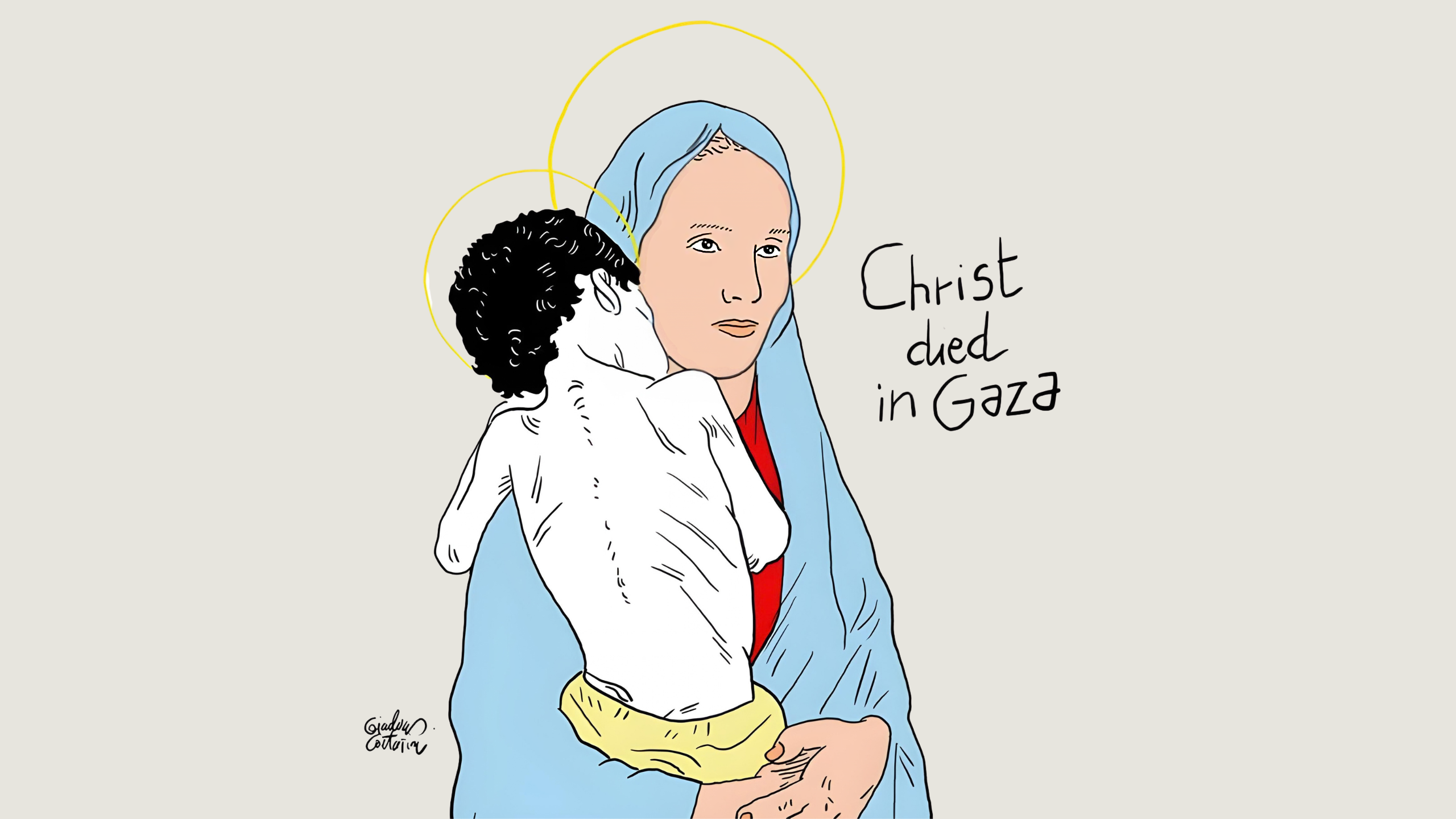
Speaking of dead children is uncomfortable. Yet it can also be healing. As I listened to the stories shared that day, I found myself returning to memories I may at times shy away from remembering. Iremember finding my sister’slifeless body in bed one Saturday morning. Ihad cometo carry her out with me to watch cartoons.As I listened tothe story of Hind Rajab, a 5-year-old girl who had been trapped inside a car attacked by Israeli forces,the memory of a little boy reaching out to touch his sister came back. The young girlhadmanaged to call the Red Crescent for help but hours later she and the paramedics who had come toassisther were all found dead. The chilling story reminded me of the shocking cold that struck my hand as I gently touched my sister’s arm in a futile attempt to wake her up.
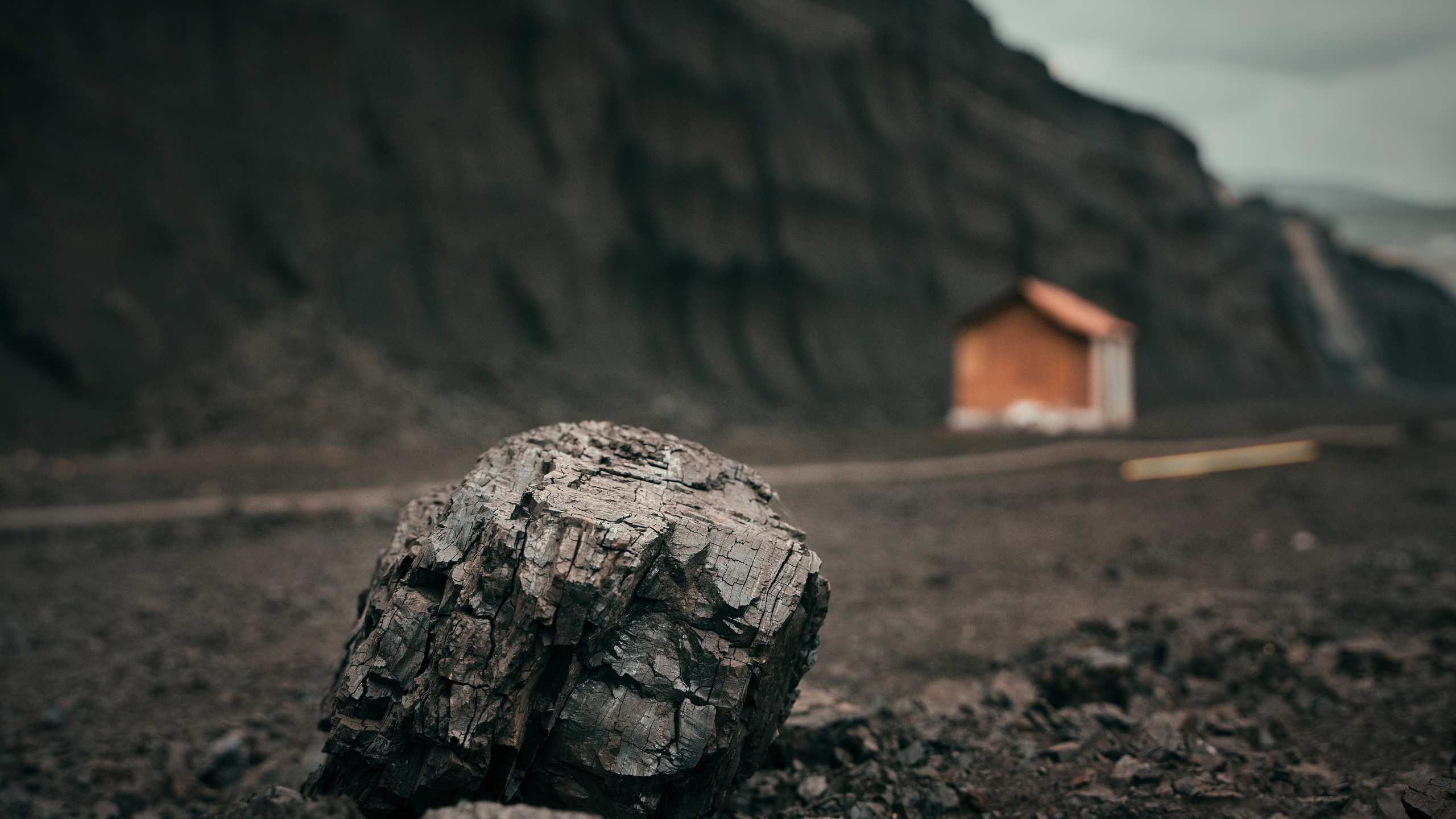
Who Are the Victims and Those at Risk of Becoming Victims? When it comes to mining, particular attention must be paid to those who are most vulnerable: Indigenous communities whose livelihoods depend on their land, forests, rivers, and water sources; small-scale farmers; fishers; poor families; women, children, and older people; as well as communities with the least bargaining power in legal, economic, informational, and political matters. They may become victims when land loses its social function, when water sources are polluted or disappear, when the environment is damaged, when livelihoods are disrupted, or when their social and cultural life is transformed without their genuine consent.