Latin America – In-re(d)ándonos SJ: Interview with Elías López SJ on the reality of forcibly displaced persons as a task of SJRLAC.
We share an interview with Elías López SJ for En-re(d)ándonos SJ, conducted during his visit to Lima. This conversation was led by Elias's sibling, Lucas López SJ of the CPAL team and focused on the reality of forcibly displaced people as a task of the Jesuit Refugee Service in Latin America and the Caribbean (JRS-LAC), where Elías works. They talked about reconciliation, humanity, humanitarianism and spirituality. Lucas shares the interview:
"Yes, things have changed a lot. To begin with, today there are 80 million people on the move seeking refuge," says Elias. "Also, in care for the teams and the convergence with the mission of reconciliation," explaining his work in JRS-LAC.
Besides the number, what else has changed in refugee work?" I asked Elias, seated across from him in the CPAL Library in Lima. Then, I imagined being with Elias in Puerto Spindola, north of La Palma, in the nineties. We get out of the sea and sit on rocks to bathe our feet, breathing in the iodine and salt, and he talks to me about his pain. He had just arrived from Tanzania and had spent the last few years accompanying Rwandan refugees. "A lot of hate, brother, a lot," he says. His return is due to UNHCR's decision to return those who fled the conflict forcibly. Thirty years have passed, and now we ask him about the changes: "Yes, Lucas. Our view of refugees, migrants, and forcibly displaced persons is coming together more and more. Today, many people are leaving because of climate issues (...)".
Now, war. Once again, war. "[Pope] Francis speaks of a third world war because of the sum of the conflicts that ravage all continents. Now, more than ever, we need reconciliation." I then proposed that with so much violence, repression, and raging conflicts, it becomes difficult to reconcile, to work for reconciliation. Elias then explains in detail the steps; he talks about a process. "Mere coexistence, non-aggression, to be non-threatening, is already a step. Sometimes it is the only one possible for a while," says Elías, who insists that we know the psychological, social and neural processes better today. "Then we will have to look for coexistence, with a common framework, with projects in which we are involved, with rules that are accepted by all. He explains slowly. He is aware of the difficulty. He gives examples to define the mission of the Society of Jesus as reconciliation with oneself, with others, with the whole of creation, and, in the last or perhaps first instance, the mystery of Love, God the Son, Jesus Christ. "Precisely, Lucas, coexistence is not enough for us. We seek communion; that is the final stage of reconciliation". Elias speaks with his heart and head; he underlines his words by gently tapping the table with his fingers.
You can listen to the full interview here:
By: Lucas López, SJ
CPAL Team - RRSJLAC
Source : jesuitas.lat
Related Posts:
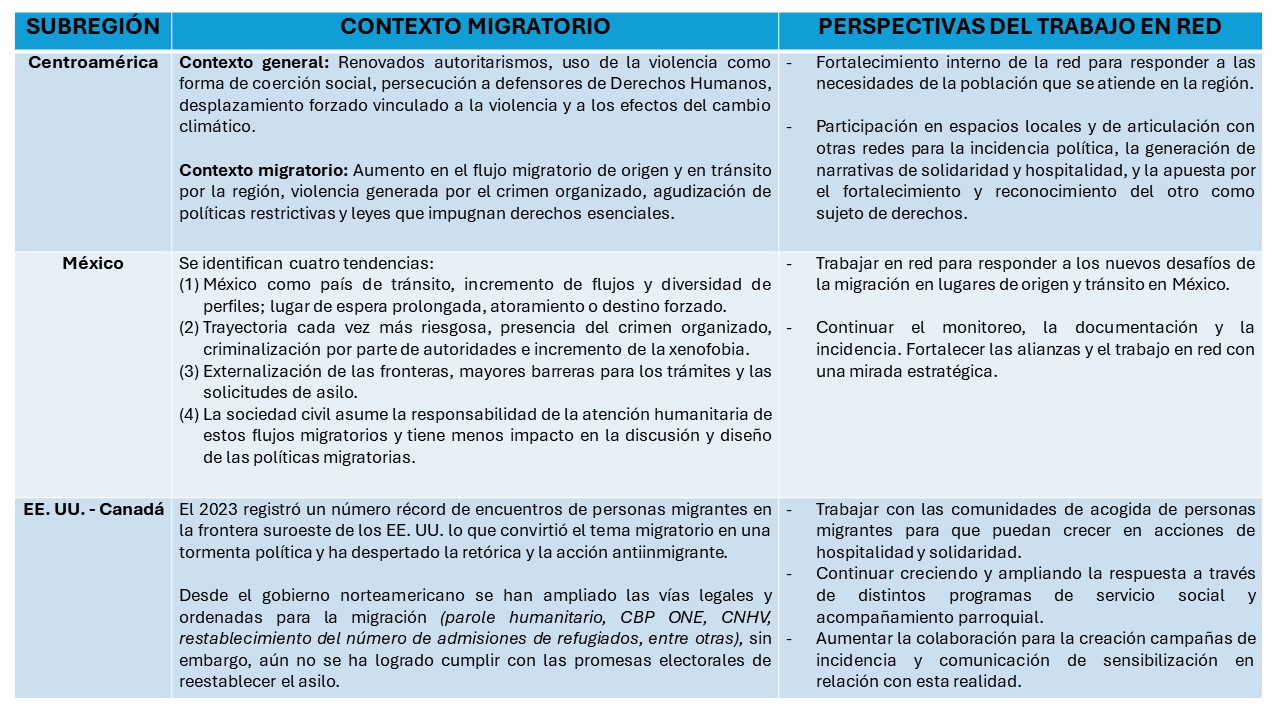
Jesuit Network with Migrants Central America and North America (RJM CANA) shared the first four months of the year report (January – April 2024): "They have been months of a lot of work to face the challenges in the migration context characterized by an increase in the migratory flow in vulnerable conditions throughout the region, however, also These have been months in which the fruits of networking have been confirmed".
On Wednesday, April 10, the European Parliament voted on the European Pact on Asylum and Migration. JRS Europe directors jointly opposed the pact and urged European institutions to reject it: "We cannot support a system that will allow the systematic detention of thousands of people, including children, at the EU external borders."
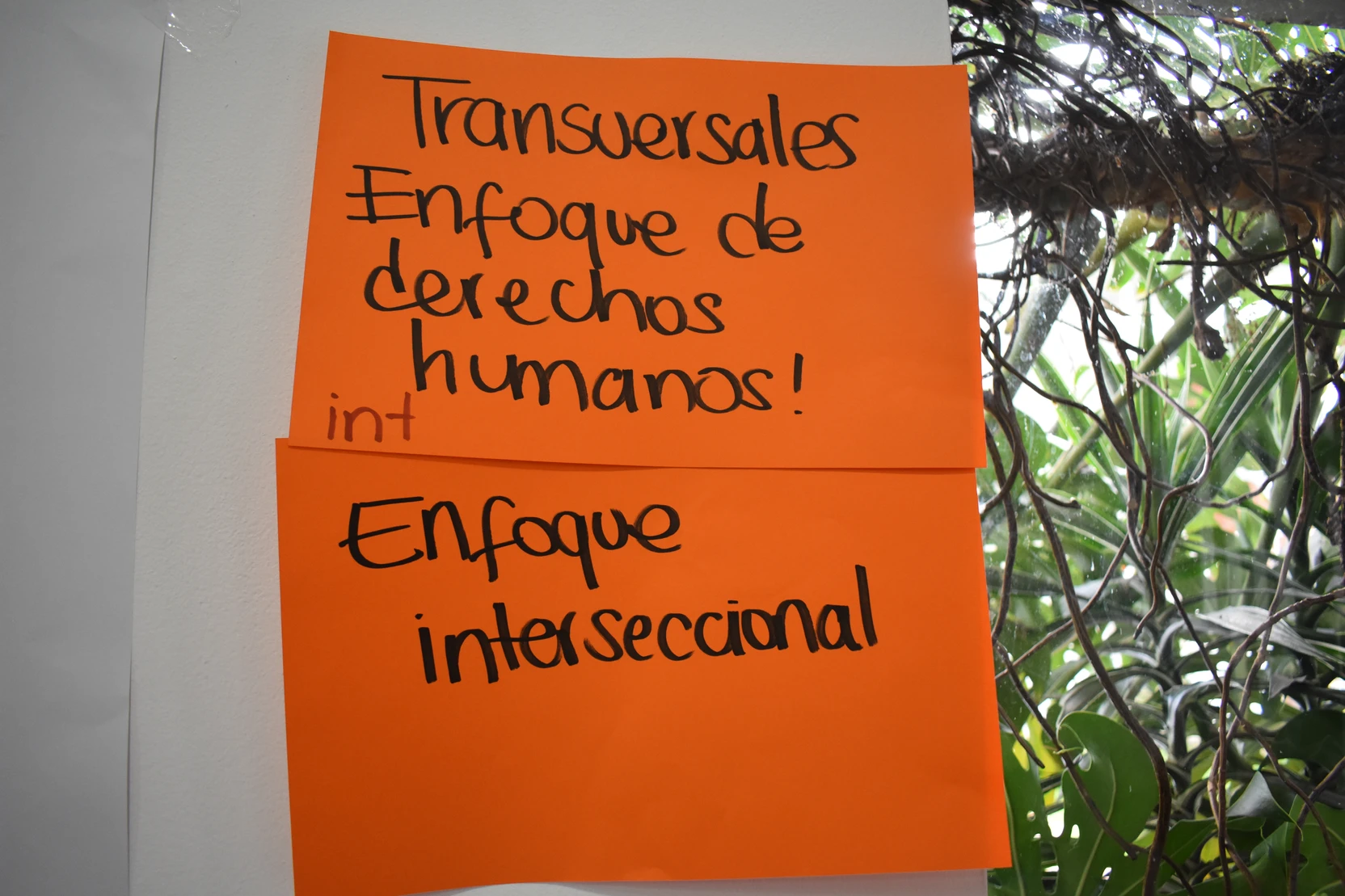
The Cartagena Declaration, adopted in 1984, emerged in response to the growing displacement crises in Latin America. Its importance lies in its expanded approach to defining a refugee, recognising the causes of displacement beyond armed conflict events. Despite progress in these 40 years, implementation challenges of the recognition criteria and the commitments made in the adopted plans persist.
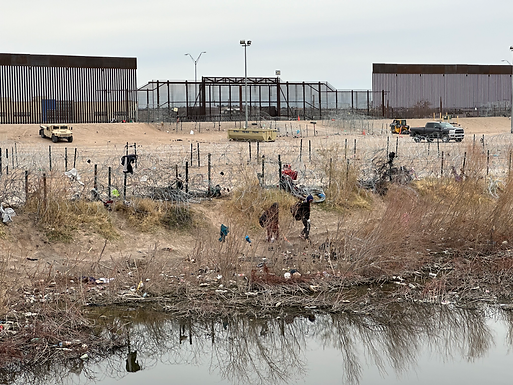
This story narrates the spontaneous act of hospitality leading to a community effort to support a migrant family's journey. It illustrates the transformative power of personal compassion amidst global migration challenges.
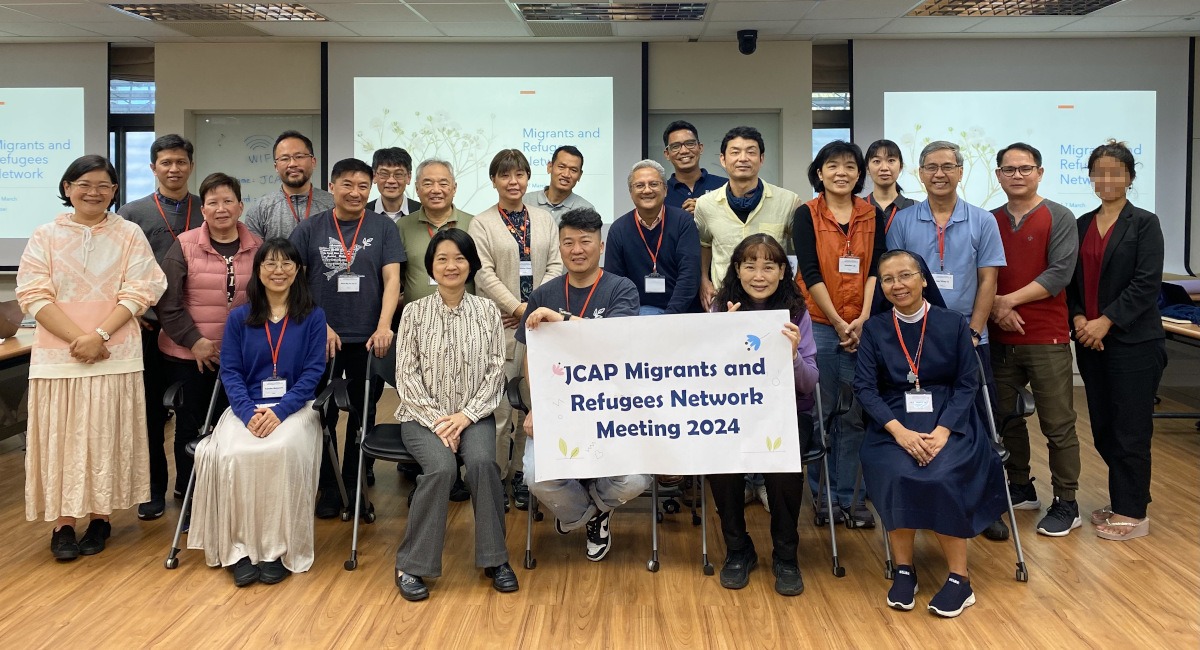
The Migrants and Refugees Network in Asia Pacific gathered to address migrant and refugee challenges, guided by collaboration, prayer, and Ignatian spirituality principles. Discussions ranged from updates on regional migrant situations to Taiwan's progressive immigrant response, culminating in the finalization of a five-year action plan highlighting the network's dual mission of support for both migrants and its members.
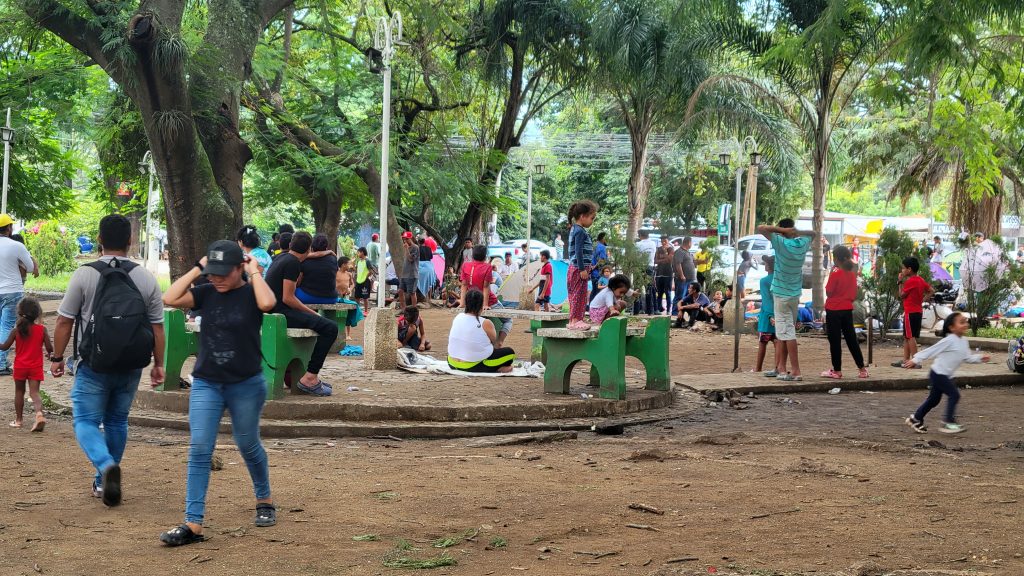
This first publication of 2024 provides an overview of the latest data, changes and trends in the context of most of the region's countries (Panama, Costa Rica, El Salvador, Honduras, Guatemala, Mexico, the United States and Canada).