DR Congo. Cooperative Spirit at the Service of Food Sovereignty
Moise Pieko has been the head of the Development Office of CDS Kisantu - Caritas Development and Health - for 37 years. We spoke with him to learn more about this organisation's work, which supports the creation and organisation of agricultural cooperatives in the Lukaya district of DR Congo. In this way, they contribute to setting up family businesses with a collective, solidarity-based, responsible and sustainable vision.
Alboan has been working with CDS-Kisantu since 2007 to support the start-up of cooperatives. Over the years, we have also had the support of other organisations, such as the cooperative UDAPA from Alava. In addition, this initiative currently enjoys the help of the Vitoria-Gasteiz City Council. One thousand four hundred producer families in the region have joined since the first steps were taken in 2007.
How do you encourage participation in the cooperatives?
At CDS, we have agronomists who go around the villages, visiting families door to door to explain how the cooperative movement works.
We also compose popular songs and put on short plays about the benefits of belonging to the cooperative, as artistic expression is a simple and effective way of spreading our message.
We realise that it is difficult to get everyone to agree to participate, so we try to build relationships with the core leaders of the local development committees and village assemblies, with whom we try to identify common village problems and propose actions to solve them.
How does the cooperative system work?
At CDS-Kisantu, we coordinate cooperative cells, which bring together families from between 7 and 9 villages. These cells try to identify and solve problems. Currently, we have nine cooperative cells that work in a coordinated way, and three producer cooperatives have already been formed.
Before, they used to work on their land, harvest and go to Kinshasa to sell their products individually. Now marketing is done through the cooperatives, which buy all the produce and sell it to a second-tier cooperative centre created by the project, UCOOOPAL, since the figure of an entity like this is necessary, with staff who can approach the commercial circuit more professionally.
What obstacles do you face when setting up this type of process?
In general, they have to do with the scarcity of infrastructure, lack of roads, access to drinking water, difficulties accessing land ownership, housing and marketing production.
And what are the benefits of being a cooperative?
Here is an example. A few years ago, a producer family earned around 700 euros a year from selling their products, and now they get 1800 euros yearly.
However, although the benefits of working in a coordinated way may seem obvious, there is resistance. By working in a cooperative, we ask them to share benefits, costs, and risks, so some producer families are reluctant to take the plunge.
Do women in the villages participate in the cooperatives?
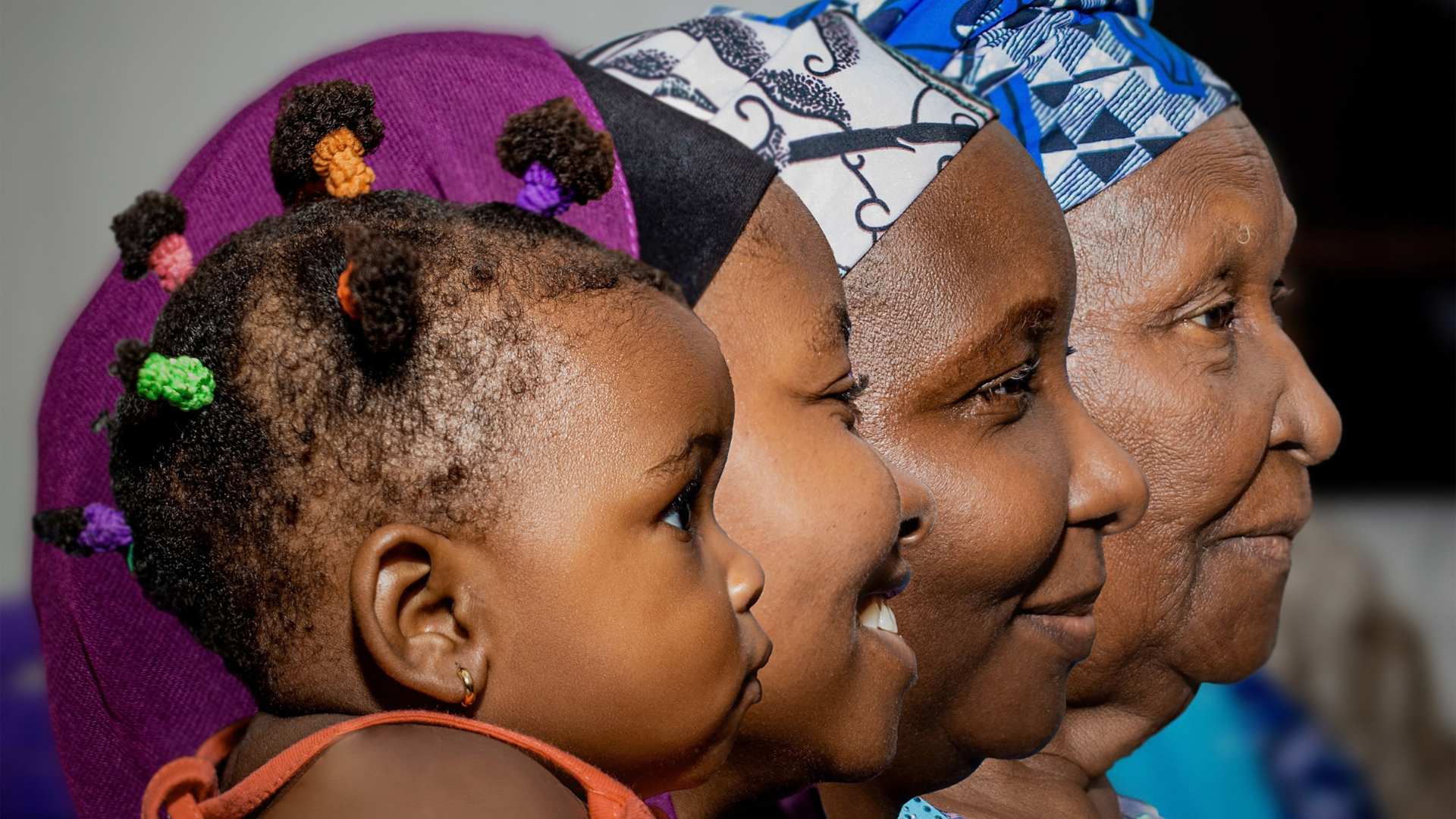
Yes, 53.4% of the participants are women, although ensuring that they participate in the governing bodies is still necessary. That is why there are affirmative action measures to ensure that women occupy at least 30% of the positions in management bodies.
Do you have a specific strategy to bring more women on board?
Various actions and strategies are used. For example, identify and grow a crop they have traditionally produced, as in the case of sesame.
We also organise events such as marches and demonstrations on 8 March, International Women's Day, and 15 October, International Rural Women's Day, in which we invite women from the communities and their families to join in.
Women's participation is also promoted through the REFED network: Women and Development, which supports them with income-generating activities, provides them with equipment, and agricultural inputs, offers them training in small business management, etc.
Source : alboan.org
Related Posts:
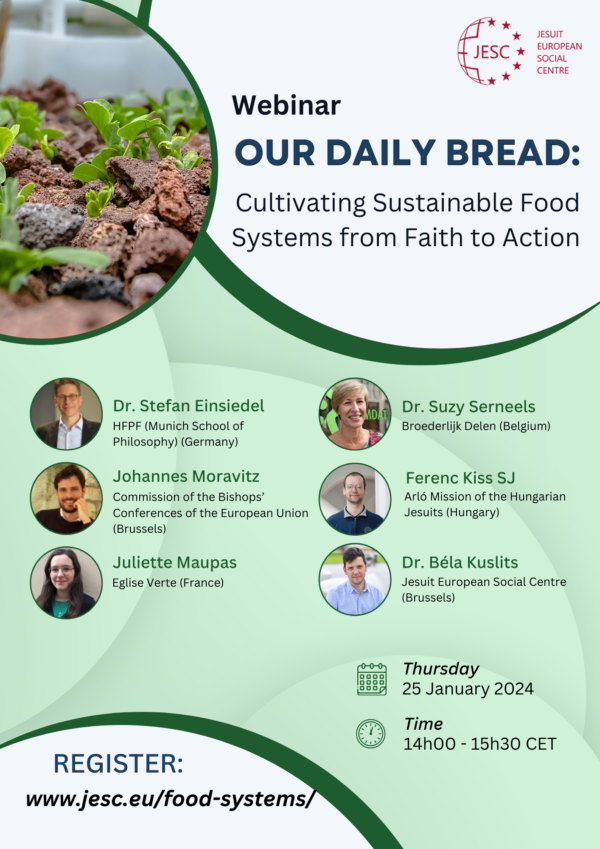
The Our Daily Bread webinar, on January 25th 2024, provided a deep dive into the crucial role played by Faith Based Organisations (FBOs) in shaping sustainable agriculture across Europe.
The Centro de Investigación y Promoción del Campesinado - CIPCA, a social centre of the Society of Jesus in Peru, on the occasion of its 50th anniversary, is organising the International Forum: "Rural Territories in Latin America: Challenges". The forum will be held on 17 and 18 November, in person and online, from 8:30 am (Peruvian time).
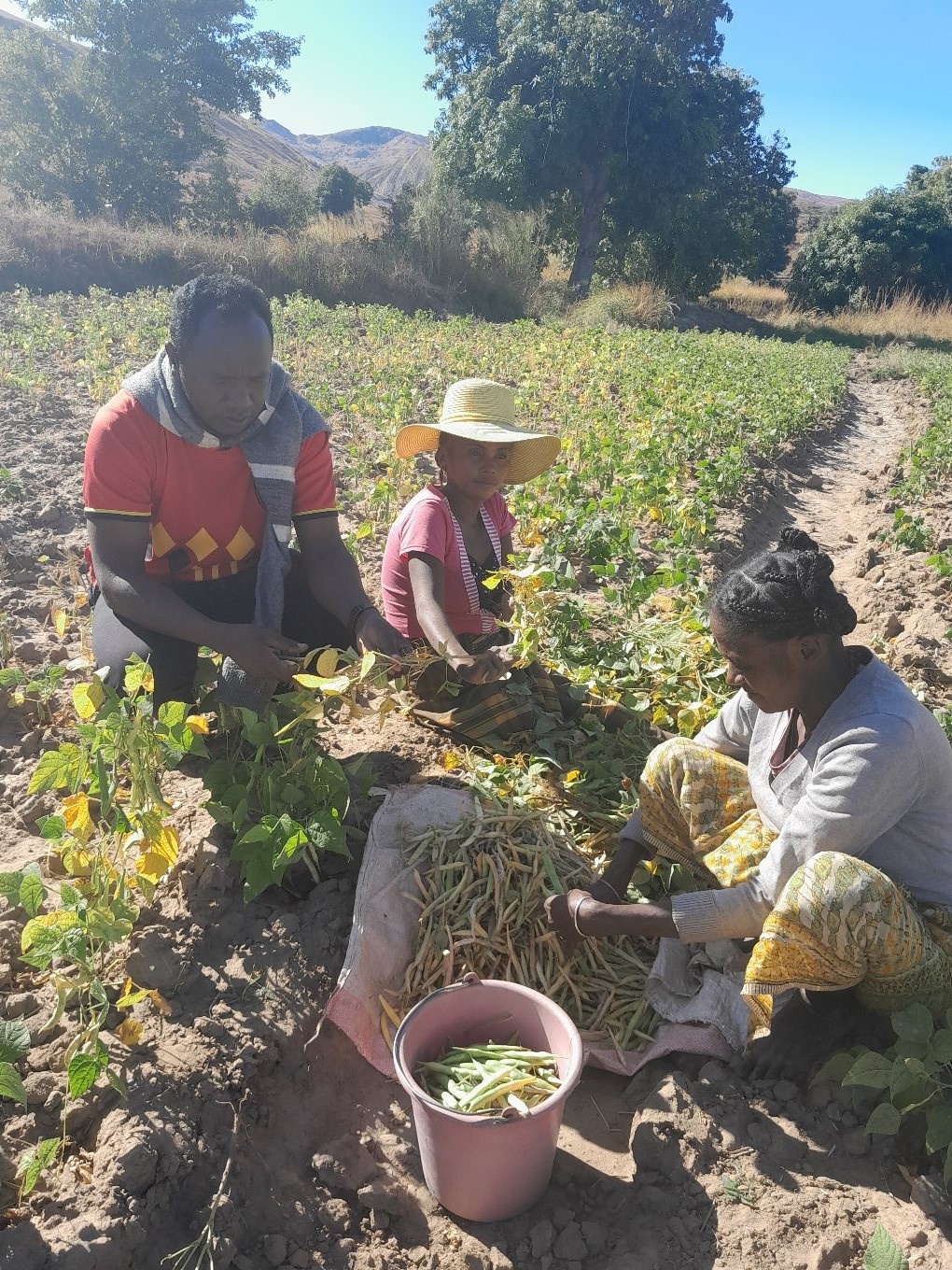
Madagascar is an island but very large. Faith and Joy Madagascar, was born in 2013 through the collaboration with Fr. JOAKIM S.J; and since then has tried to look closely at the social life of people who are 100km north-east of Fianarantsoa, capital of the Haute Matsiatra region and the province of Fianarantsoa, Madagascar.