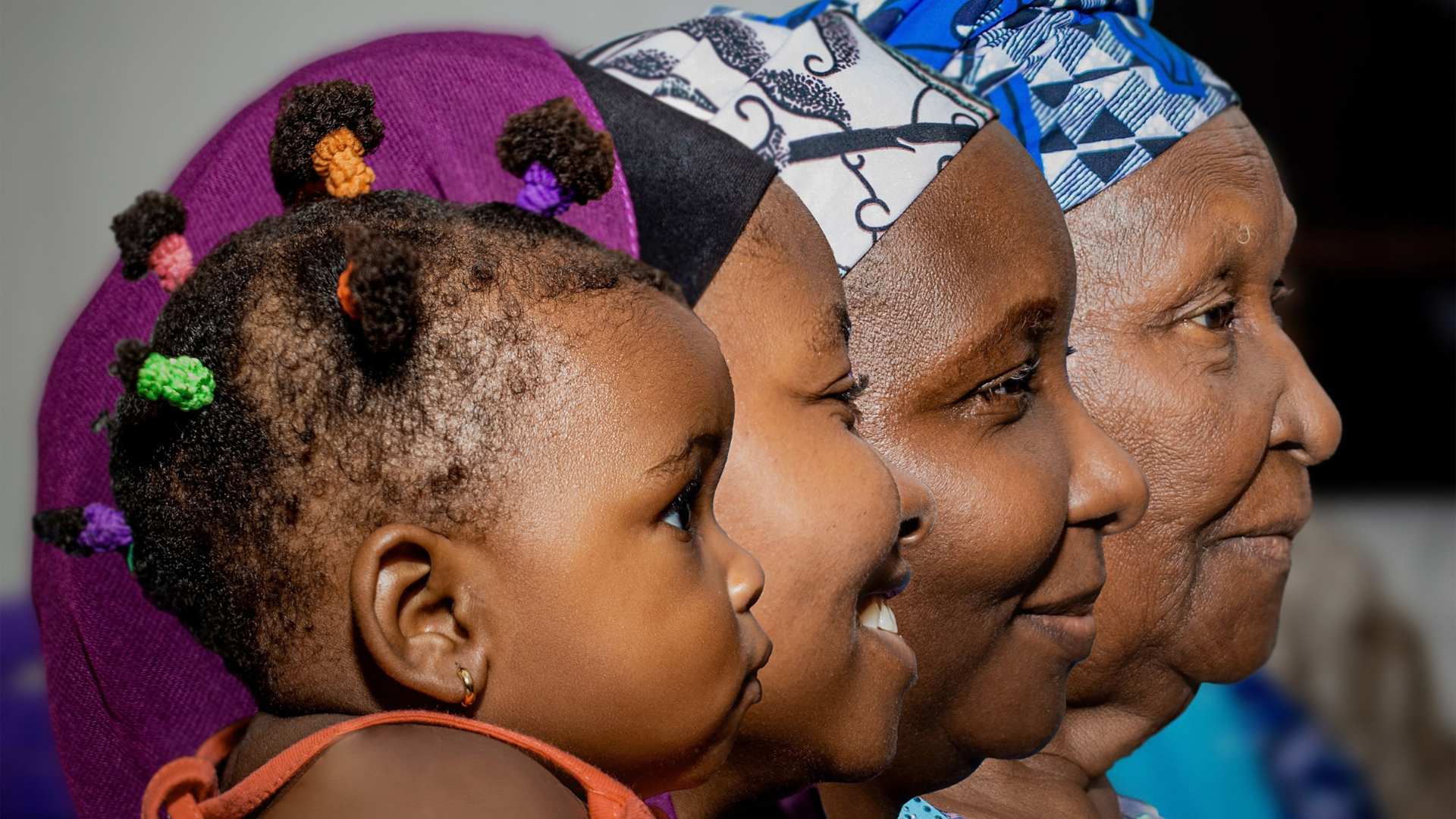
Job training: JRS weaves future and solidarity in Tamil Nadu
The Jesuit Refugee Service in South Asia (JRS-SA) has its head office in Delhi (India), from where it coordinates four work units with a presence in three countries: Afghanistan, Bangladesh and India. In India, JRS-SA works in Delhi, serving Afghan refugees and in Tamil Nadu, in southern India.
From there, JRS has been accompanying Sri Lankan refugees since the mid-1990s. JRS has established learning centres in the camps to provide children with formal education, academic teaching and extracurricular activities. Teachers are trained and accompanied and teach subjects such as peacebuilding and reconciliation. JRS also provides women forced to leave school with accommodation and vocational training. In this line of work, they are carrying out an initiative supported by Alboan and funded by Pamplona City Council.
Right now, there is an extreme economic crisis in Sri Lanka, and more people are arriving from there. Six camps are serving some 60,000 people from Sri Lanka. The main focus of the work carried out by JRS-SA is education and empowerment. In Tamil Nadu, children are guaranteed access to public schools up to grade 8. Still, the quality of these schools is not very good, and children from disadvantaged populations, such as refugees, do not have access to quality education. That is why JRS has worked in the area for three decades, mainly in education and, in the last two years, in intervention, mainly through initiatives aimed at women. These are livelihood and sustainability activities. Nine hundred sixty-nine women participate in JRS-SA employment proposals in various disciplines such as phenol oil production, tailoring, embroidery and embroidery. Most of the participants are young single women committed to learning a trade to become independent, although there are also some older women.
Livelihoods Initiative
This initiative develops specific entrepreneurship programmes aimed at young women. Through business schools that are set up in refugee camps, young women are trained to start their small businesses. It is challenging, if not impossible, for them to find employment because of their refugee status or simply because of the economic crisis in India. JRS-SA coordinates formal working groups involving 15 to 20 women to enable these women to start their businesses. Each group has a designated chairperson, secretary and treasurer. JRS-SA invests money in the group, and participants can borrow small amounts to begin their activities. The groups lend money to each other and help each other with various issues, including children's education, abuse, and mistreatment. The groups also carry out corporate social responsibility activities and encourage the participants to help their colleagues and other women in the countryside.
We count on you to continue supporting initiatives such as these.
Source : alboan.org
Related Posts:
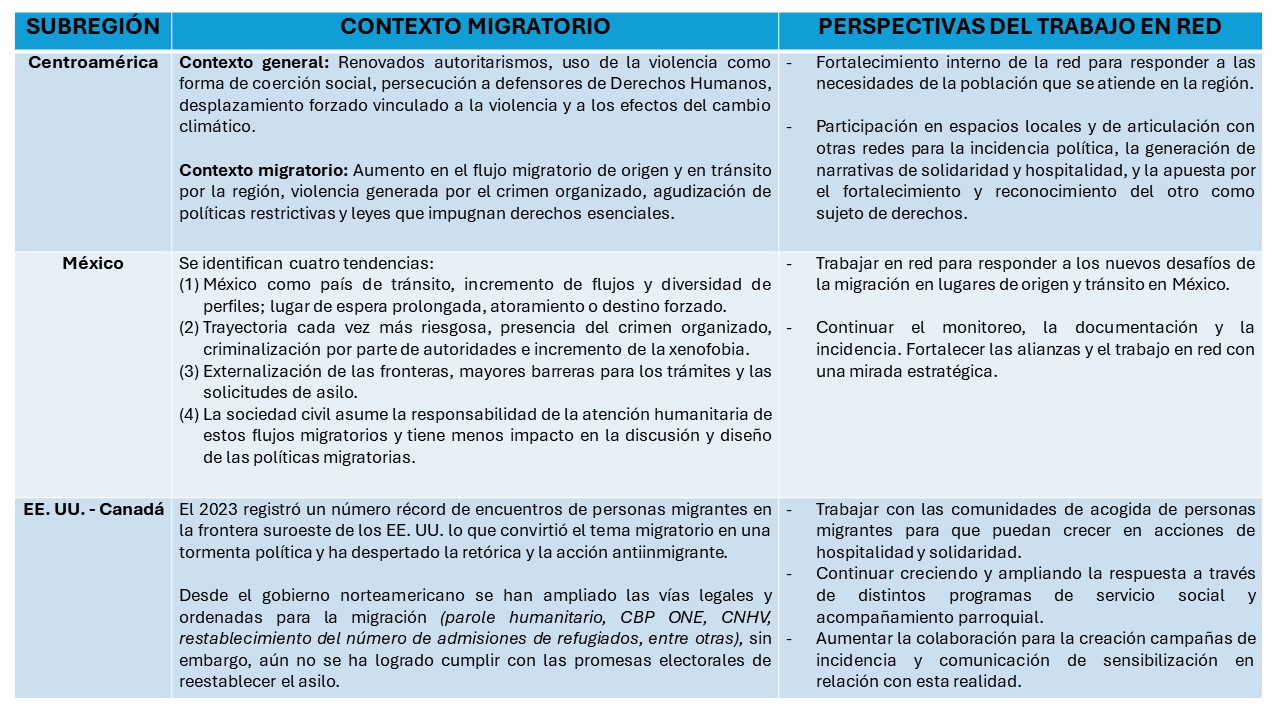
Jesuit Network with Migrants Central America and North America (RJM CANA) shared the first four months of the year report (January – April 2024): "They have been months of a lot of work to face the challenges in the migration context characterized by an increase in the migratory flow in vulnerable conditions throughout the region, however, also These have been months in which the fruits of networking have been confirmed".
On Wednesday, April 10, the European Parliament voted on the European Pact on Asylum and Migration. JRS Europe directors jointly opposed the pact and urged European institutions to reject it: "We cannot support a system that will allow the systematic detention of thousands of people, including children, at the EU external borders."
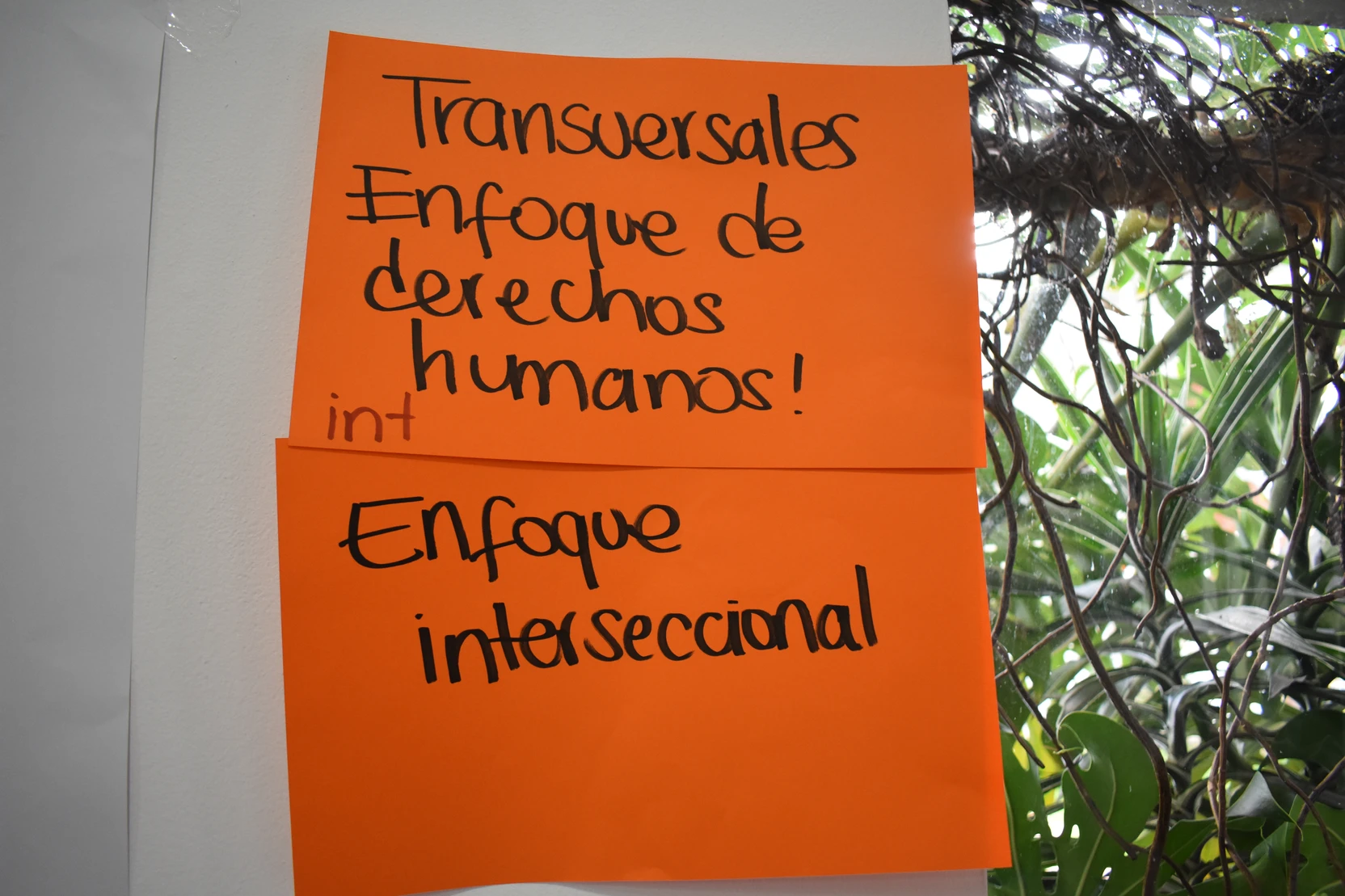
The Cartagena Declaration, adopted in 1984, emerged in response to the growing displacement crises in Latin America. Its importance lies in its expanded approach to defining a refugee, recognising the causes of displacement beyond armed conflict events. Despite progress in these 40 years, implementation challenges of the recognition criteria and the commitments made in the adopted plans persist.
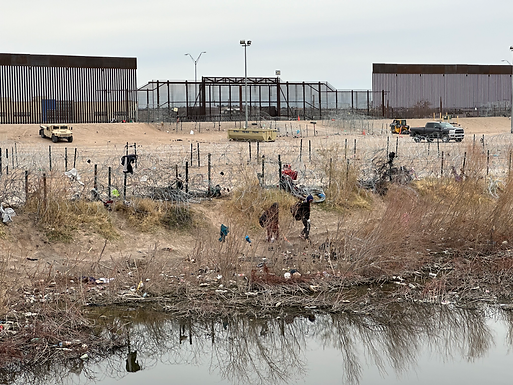
This story narrates the spontaneous act of hospitality leading to a community effort to support a migrant family's journey. It illustrates the transformative power of personal compassion amidst global migration challenges.
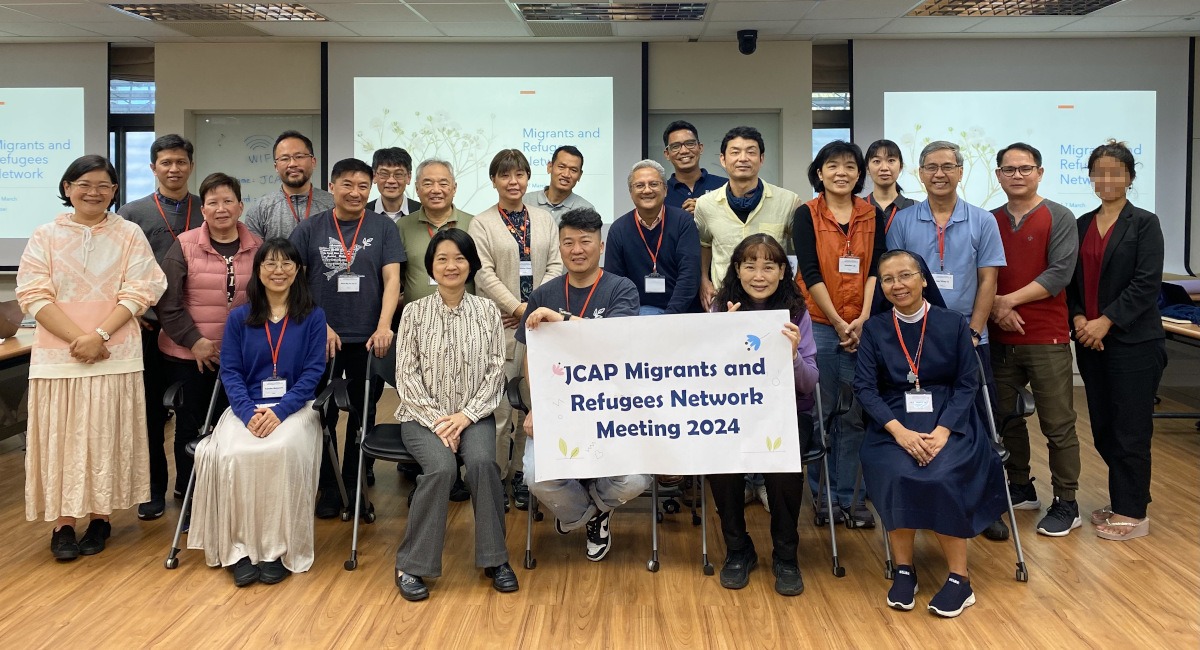
The Migrants and Refugees Network in Asia Pacific gathered to address migrant and refugee challenges, guided by collaboration, prayer, and Ignatian spirituality principles. Discussions ranged from updates on regional migrant situations to Taiwan's progressive immigrant response, culminating in the finalization of a five-year action plan highlighting the network's dual mission of support for both migrants and its members.
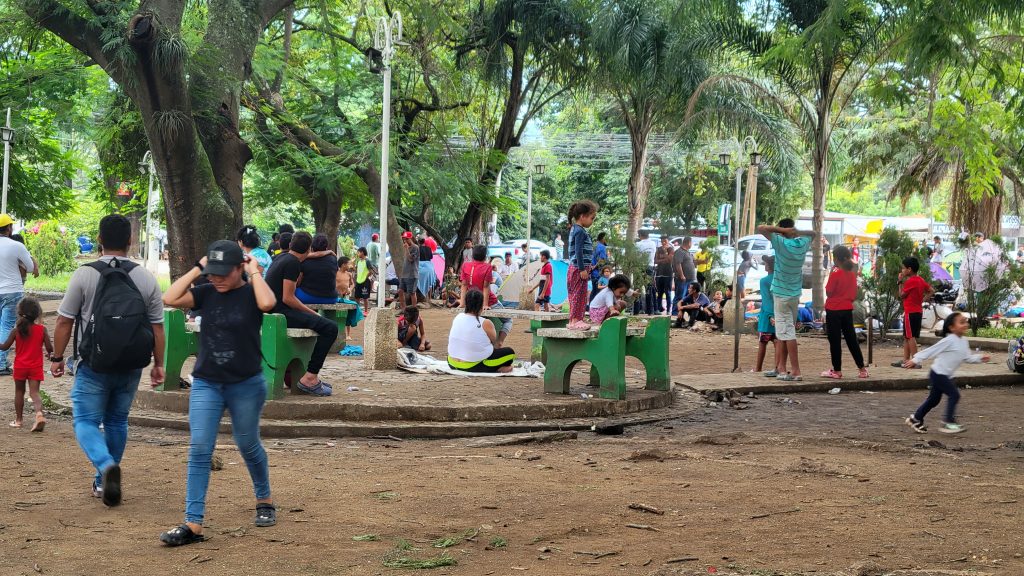
This first publication of 2024 provides an overview of the latest data, changes and trends in the context of most of the region's countries (Panama, Costa Rica, El Salvador, Honduras, Guatemala, Mexico, the United States and Canada).