Latin America – SJ works and universities reflect on corruption and the environment
Through the analysis of different documents and studies in the most different countries of our continent, the Integral Ecology Group of the Network of Social Centres of the Conference of Provinces for Latin America and the Caribbean (CPAL) noted an absence of technical and conceptual subsidies that address the environment and systemic corruption. Later, this perception is confirmed by mapping the limited experience of our networks and apostolic fronts in correlating these two issues.
"There is, however, a great deal of material produced by our social centres and universities on the environment, climate change and Care for the Common Home and, on the other hand, on systemic and structural corruption, but we perceive a great absence of studies reflecting the intersection between these two universes", says Luiz Felipe Lacerda, articulator of the Integral Ecology Group, Executive Secretary of the Luciano Mendes de Almeida National Observatory of Socio-environmental Justice (OLMA) and researcher of the Laudato Si' Chair at the Catholic University of Pernambuco (UNICAP).

Faced with this challenge, we perceived the need to have the support of higher education institutions linked to the Association of Universities Entrusted to the Society of Jesus in Latin America (AUSJAL), with the aim of helping in the convergence of research conducted in Latin American and Caribbean countries on the environment and corruption, grouping them into possible materials that would help their visibility in critical debates on the subject.
The proposal was accepted by the institutions that make up the Environment and Sustainability Network (RAS) and the University Social Responsibility Network (RSU) of AUSJAL, which led to the formation of a group of seven social centres and eleven universities interested in deepening the thematic and collaborative work.
This group, which meets every fortnight, produced three rounds of initial dialogues in order to consolidate a common work plan. On these occasions, each institution presented the ways in which they address the issue of environment and corruption in their practices, actions and research. Likewise, in these meetings, the participants studied collective and global information on the subject, sharing relevant chapters in order to generate an initial subsidy for the discussions, in addition to presenting a mapping or general overview of these issues in the respective countries.
At the end of these rounds of mutual knowledge and approach to the issues, a baseline was consolidated, common denominators that will serve as specific objectives for the future document to be produced. These elements received an analytical and contributive look, in a final round of dialogues, by Professor Eduardo Gudynas (Uruguayan researcher and environmentalist).
Five main thematic axes were thus defined, through which the group of social centres and universities will study and produce in depth, interrelating the themes of environment and corruption:
1. Relations between the state and civil society; 2.
2. Global North-South relations
3. Disasters and vulnerability
4. Corruption profile
5. Social and environmental political education
In defining these specific approaches, the collective of social centres and universities was divided into working groups in order to elaborate a first draft of a conceptual text, which will be made available to the whole group in November. Subsequently, work will be done to improve these texts.
The aim is that by August 2023 the collective will be able to deliver a reference document on the environment and corruption in Latin America, and that in addition to offering a general overview of the correlation between the two phenomena, it will be able to propose actions to be taken as an Apostolic Body and civil society in the face of these challenges.
It should be noted that this is a pioneering initiative as an alliance between social centres and universities linked to the Society of Jesus in Latin America, and for this reason we are grateful for the commitment and participation of all the organisations involved.
Source : Jesuitas.lat
Related Posts:

Addressing today's environmental crisis requires educational institutions to embrace a transformative commitment. Inspired by the papal call and the framework of Integral Ecology, Jesuit universities are strengthening both their institutional practices and advocacy efforts while responding to the urgent challenge of fully integrating environmental education into their formal curricula.

Marking the 10th anniversary of Laudato si’, Pope Leo XIV sends a videomessage to the Network of Universities for the Care of Our Common Home, and encourages their synodal reflection ahead of COP30.

It is from Latin America and the Caribbean that we present and disseminate this recently published work, the fruit of a two-and-a-half year working group that brought together Universities linked to AUSJAL and Social Centers linked to RCS (Jesuit Social Centers Network), all participants in the Conference of Provinces of Latin America and the Caribbean (CPAL). The work, which involves ten countries and 15 organizations, looks at the relationship between the environment and corruption in our continent innovatively, analyzing our challenges in the light of Integral Ecology.

Fr Roberto Jaramillo SJ, Secretary for Social Justice and Ecology (SJES) of the Society of Jesus in Rome, was in Jakarta recently. His visit provided an opportunity for dialogue with about 40 staff members of Sahabat Insan, the Jesuit centre for migrant workers. Their conversations centred around Laudato sí’s recommendation, paragraph 63: exploring local cultural wealth to develop an ecology capable of addressing the damage done to the Earth.
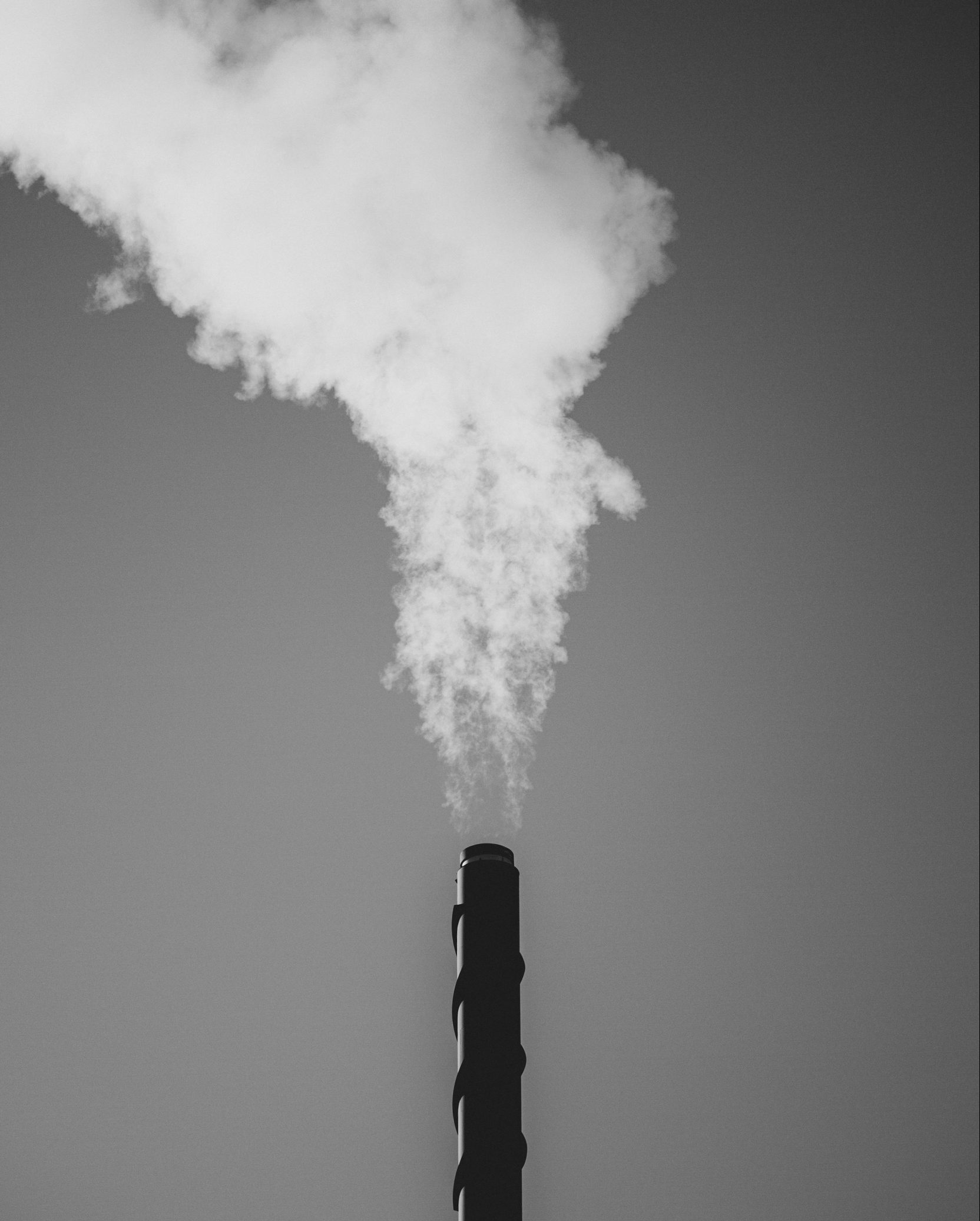
The Fossil Fuel Non-Proliferation Treaty (FFNPT) is an initiative that strives for an international agreement to phase out fossil fuel while ensuring a just global transition for workers, communities, and countries.