Spain – Mujeres en Marcha, the Reality of Women in the Migration Process
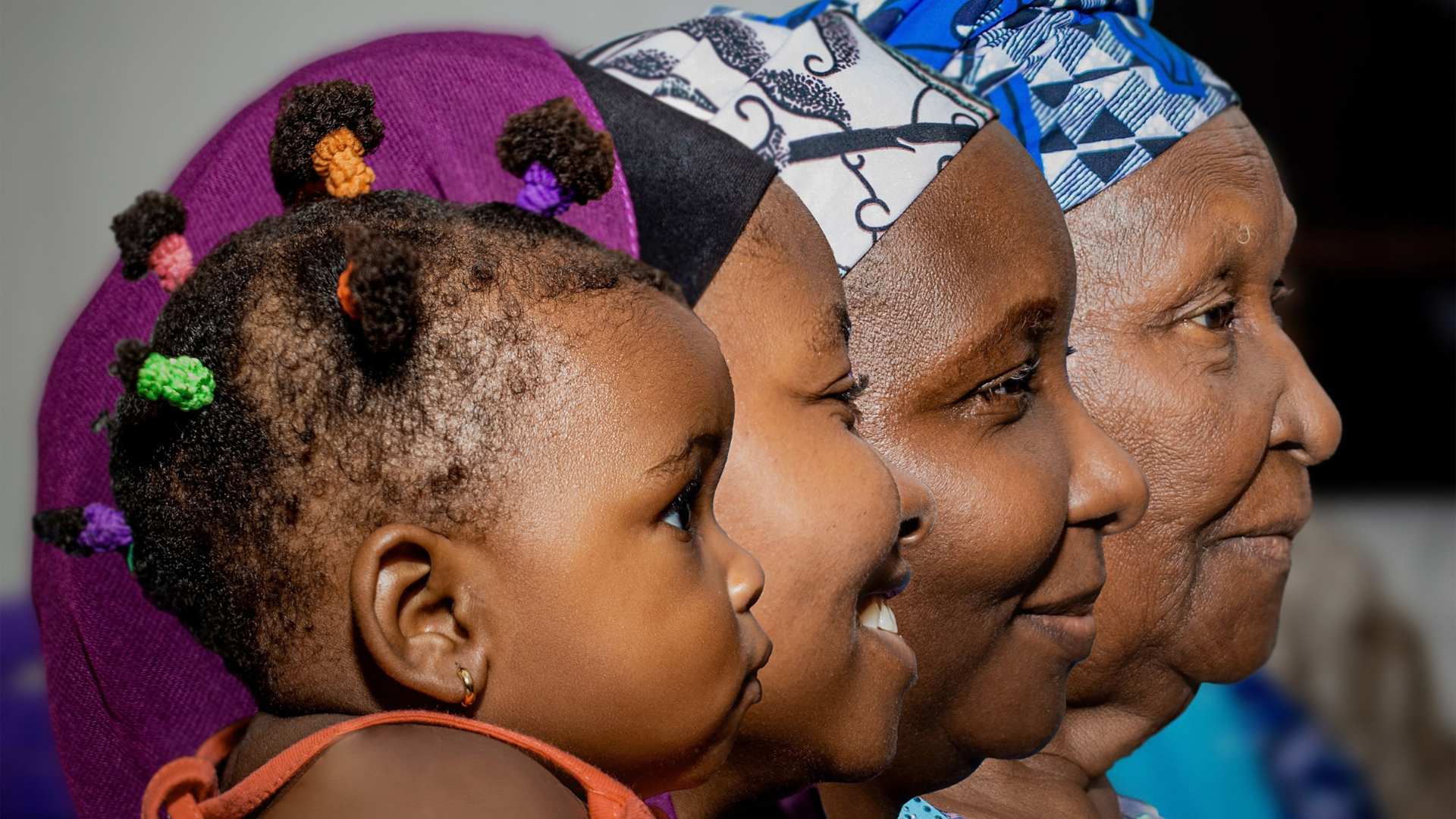
On the occasion of International Women's Day, Alboan, Entreculturas, the Jesuit Migrant Service of Spain (SJM) and the Ellacuría Foundation presented Mujeres en Marcha (Women on the Move), an initiative that focuses on the rights of women and girls, with special attention to migrant and refugee women.
Pili Kaltzada, communicator of Linking Ideas, was in charge of welcoming and guiding the event and pointed out that "Mujeres en Marcha takes a step forward by launching a political advocacy and social awareness initiative to put the rights of migrant women, their stories, their voices and their words at the center of the debate". Pilar, was one of the journalists who traveled to DR Congo to meet with Congolese women communicators and share their experiences. "This trip aimed to involve women communicators and social activists from here and there in order to exchange experiences, generate networks and support each other in our struggles, our dreams and our proposals."
"Understanding migratory flows today requires deeper explanations because these flows are of great complexity. Simplistic explanations are not enough. In many of these migratory flows there is a mixture of refugees, climate displaced people, people recognized as economic migrants, minors, victims of trafficking or at risk of being so", said Sara Diego, Alboan's advocacy technician who presented the report "Mujeres en Marcha, la realidad de las mujeres en los procesos migratorios" which analyzes the violations of migrant women's rights throughout the migratory process and denounces how gender roles influence these processes.
Caddy Adzuba, lawyer, activist for Human Rights in the DR Congo, and 2014 Prince of Asturias Award for Concord, continued the presentation by describing the violations of rights that are the cause of displacement. She also highlighted the work carried out by the AFEM association for gender equality; peace building; women's political participation; and sexual and reproductive health, using "community radio and active listening as working tools". Adzuba appealed to Europe's role in meeting the demands of migrant and refugee women.

Africa Baeta, journalist of EITB, recounted her experience of the trip and emphasized "the importance of active listening, direct contact and presence to be able to inform and make visible situations of social injustice and human rights violations", and said that personally she has been "reconciled" with journalism because in the Congolese communicators she has seen the very essence of journalism, that is, listening.
Pili Kaltzada added that what struck her most about this experience was the strength and resilience of Congolese women and "the importance of words and stories to heal wounds. When women speak, and expose their wounds and those of their communities, those wounds begin to heal.
Jenny Paula Tenorio, a collaborator of the Ellacuría Foundation, shared her own testimony. She migrated from Colombia and gathered many of the demands and reflections of thousands of women settled in our country. "Women who migrate are discriminated against by the Law on Foreigners or International Protection. Either because of the obstacles to regularize our administrative situation, or because we have been left out of the international protection system. The lack of a residence and work permit exposes us to working for many years in the underground economy in conditions of greater labor exploitation. It also makes us more vulnerable to sexual exploitation networks".
During the appearance, Lucia Rodriguez, Head of the Advocacy Department of Entreculturas has moved the demands and political requests "We need migration rules and policies that consider the structural social inequalities that affect adolescent girls and women at all stages: origin, transit and reception in destination countries". After his presentation, he encouraged citizens to join efforts through the collection of signatures on visible.org.
Sensitization activities in the Basque Country
Over the next few months we will be taking a proposal to several cities in our area such as Bilbao, Donosti, Eibar, Zarautz, Vitoria-Gasteiz, etc. to make visible the realities experienced by migrant and migrated women from origin to destination. The first event will be held in Eibar from March 10 to 14, with the collaboration of the local association Egoaizia. The kick-off will be on Thursday, March 10 at 5 pm with a talk by Caddy Adzuba and Julienne Baseke, two leaders of AFEM (Democratic Republic of Congo) who will talk about internal migration in their country.
Source: Alboan
Related Posts:

MEXICO CITY (OSV News) -- An Indigenous Tzotzil priest and peace activist was murdered after celebrating Sunday Mass in Mexico's southern Chiapas state, where the Catholic Church has denounced government inaction in the face of rising violence. Father Marcelo Pérez, who ministered in Indigenous regions rife with territorial conflicts and later denounced drug cartel violence, was shot dead Oct. 20 by two assailants on a motorcycle as he drove away from the Guadalupe church in San Cristóbal de las Casas, according to Mexican media reports.

The Central American Province of the Society of Jesus marks the first anniversary of the Nicaraguan government's confiscation of the Central American University, condemning the violation of education rights and academic freedom. They call for an end to repression, the release of political prisoners, and a return to dialogue and justice.

Stan Swamy Day in Viragalur was a moving tribute to a man who devoted his life to justice and the upliftment of the marginalized.
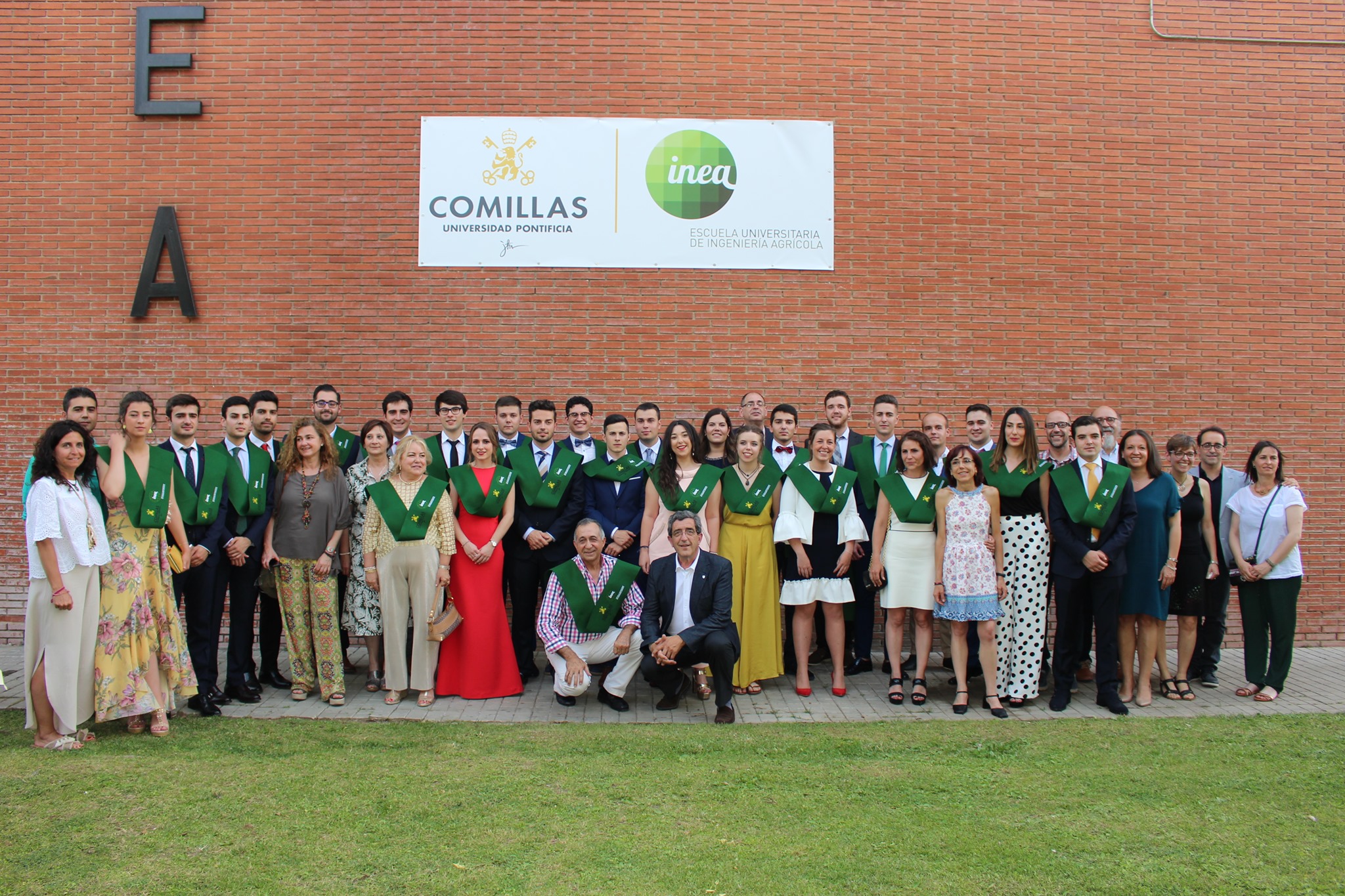
"INEA was a very conventional school, but at one point, we noticed we were at a "dead end," teaching the same thing everyone else was teaching. Twenty years ago, we realised we had to turn things around and get into thinking, learning, and practising organic farming.
"We don't want to take sides, we simply want to enlighten people through texts and enable them to start talking one day soon"
This reality takes a lot of energy from each of us. Much of our time is spent addressing problems that do not exist in other parts of the world.