LATIN AMERICA – AURORA N°17: ECO-activos
AURORA Magazine, Jesuit voices in times of pandemic, is now available in its 17th version, which this time addresses the ecological theme reflected from the various works and spaces in which the Society of Jesus is present in Latin America, so this edition is entitled: ECOactivos.
Care for the Common Home is the responsibility of all human beings. It transcends where we are on the planet, what we do, and the belief system that animates our existence. Diversity being an inherent characteristic of human nature, there is one thing we inevitably have in common: we are inhabitants of planet Earth. Therefore, the wounds we see on our planet today are a shared responsibility, and the commitment to heal them should be a permanent mission of every human life.
Climate change, global warming, pollution, water scarcity and excessive waste generation, to name but a few, are not issues that are the responsibility of a specific sector or region. Their consequences, although experienced most by the most disadvantaged, do not discriminate against nationality, race, religion or any other status. The interconnectivity of relations in the planetary system is becoming increasingly evident, so that issues such as integral ecology, sustainability and socio-environmental justice have been placed on the global agenda.
In Latin America and the Caribbean, this responsibility is addressed by the Society of Jesus through various works and networks that CPAL animates in the educational, social and pastoral sectors. This cross-cutting nature and competence led to the creation of the Ecology Reference Group 1 , which brings together representatives from different provinces, networks and institutions, with the aim of articulating processes that can influence the regional and global agendas on the aforementioned issues.
For this issue of Aurora, we share some voices that present the seriousness and complexity of the socio-environmental crisis, exposing the work and efforts they are carrying out for an ecological conversion that contributes to re-establishing the broken order of our Common Home.

From the educational sector, the "Integral Ecology and Panamazonia" initiative of the International Federation Fe y Alegría is presented; from FLACSI, the recent proposal of "Ecological Awareness" is presented, aimed at schools in the macro-region, which raises the existing link between the affectation of biodiversity and the occurrence of the pandemic, and includes the story of the pedagogical process of community ecological awareness of a school in Brazil; and from AUSJAL, we are told of the challenges and initiatives to integrate environmental and sustainable issues in the substantive functions of universities. From the social sector, we reflect on the concept of the common good - inseparable from the concept of integral ecology - and discuss its implications as a paradigm that overcomes the dichotomies that make systemic change impossible; a case is narrated on the degradation of water sources and their ecosystems, and community management as a way of defending them. From the Bolivian Amazon, it reflects on extractivist violence as a threat to the management and conservation of the ecosystem, and invites us to propose sustainable development options in accordance with the local productive vocation. It also includes a narration from the triple border between Colombia, Brazil and Peru, on the "intrusion" of the culture of consumption in the families of peasant-indigenous people, its effect on the deterioration of their relationship with the environment, and the impacts of the pandemic on tourism, the mainstay of the family economy in the region. Finally, the network of more than 100 radio stations in the CPAL shares its task of caring for life from the microphones, in an educational effort of integral ecology.
We hope that reading this edition nourishes hope and the decision to consciously change our habits, to build together a different normality in times of pandemic.
Jimena Castro Mejía
Member of the Ecology Reference Group of CPAL, representing FLACSI.
CONTENTS:
- ECOLOGY AND COMMUNITY: THE WAY TO BETTER RECONSTRUCTION - Ecojesuit
- WALKING TOGETHER, ROWING AGAINST THE CURRENT. Medium-term processes of the Federative Initiative "Integral Ecology and Panamazonia", 2021-2023 - Irma Mariño
- THE ECOLOGICAL AWARENESS OF ANCHIETA SCHOOL STUDENTS IN NOVA FRIBURGO IN THE PEDAGOGICAL PROCESS ALTERED BY PANDEMIC - Angélica Engel / Catarina Maria Wermelinger
- ECOLOGICAL AWARENESS PROPOSAL FOR FLACSI SCHOOLS: A NETWORKING INITIATIVE TAKING FORCE DURING THE PANDEMIC - Jimena Castro Mejía
- INTEGRATION AND CONVERGENCE CHALLENGES OF THE AUSJAL NETWORK OF ENVIRONMENT AND SUSTAINABILITY HOMOLOGISTS - Joaquín Benítez M
- INTEGRAL ECOLOGY AND SOCIO-ENVIRONMENTAL JUSTICE IN TERRITORIES OF LATIN AMERICA AND THE CARIBBEAN - Integral Ecology Peer Group - Network of Social Centres - CPAL
- WATER IS SAFER IN COMMUNITY HANDS - Pedro Antonio Ojeda Pinta
- INTENSIFICATION OF EXTRACTIVISM IN THE BOLIVIAN AMAZON - Carmelo Peralta Rivero
- CONSUMING THE GOOD LIFE. IMPACT OF PANDEMIA ON INDIGENOUS AND RIVERAN COMMUNITIES OF THE AMAZONIA IN THE TRIPLE BORDER OF COLOMBIA, BRAZIL AND PERU - Br. Rodrigo Castells, SJ
- THE "COMMON HOUSE" DEMANDS SOLIDARITY - Ingrid Jiménez / Piero Trepiccione
- A NETWORK OF RADIOS THAT IS WEAKENING FROM THE CARE OF LIFE - Alexander Medina
Download AURORA N° 17: ECOactivos
Source: CPAL
Related Posts:

Addressing today's environmental crisis requires educational institutions to embrace a transformative commitment. Inspired by the papal call and the framework of Integral Ecology, Jesuit universities are strengthening both their institutional practices and advocacy efforts while responding to the urgent challenge of fully integrating environmental education into their formal curricula.

Marking the 10th anniversary of Laudato si’, Pope Leo XIV sends a videomessage to the Network of Universities for the Care of Our Common Home, and encourages their synodal reflection ahead of COP30.
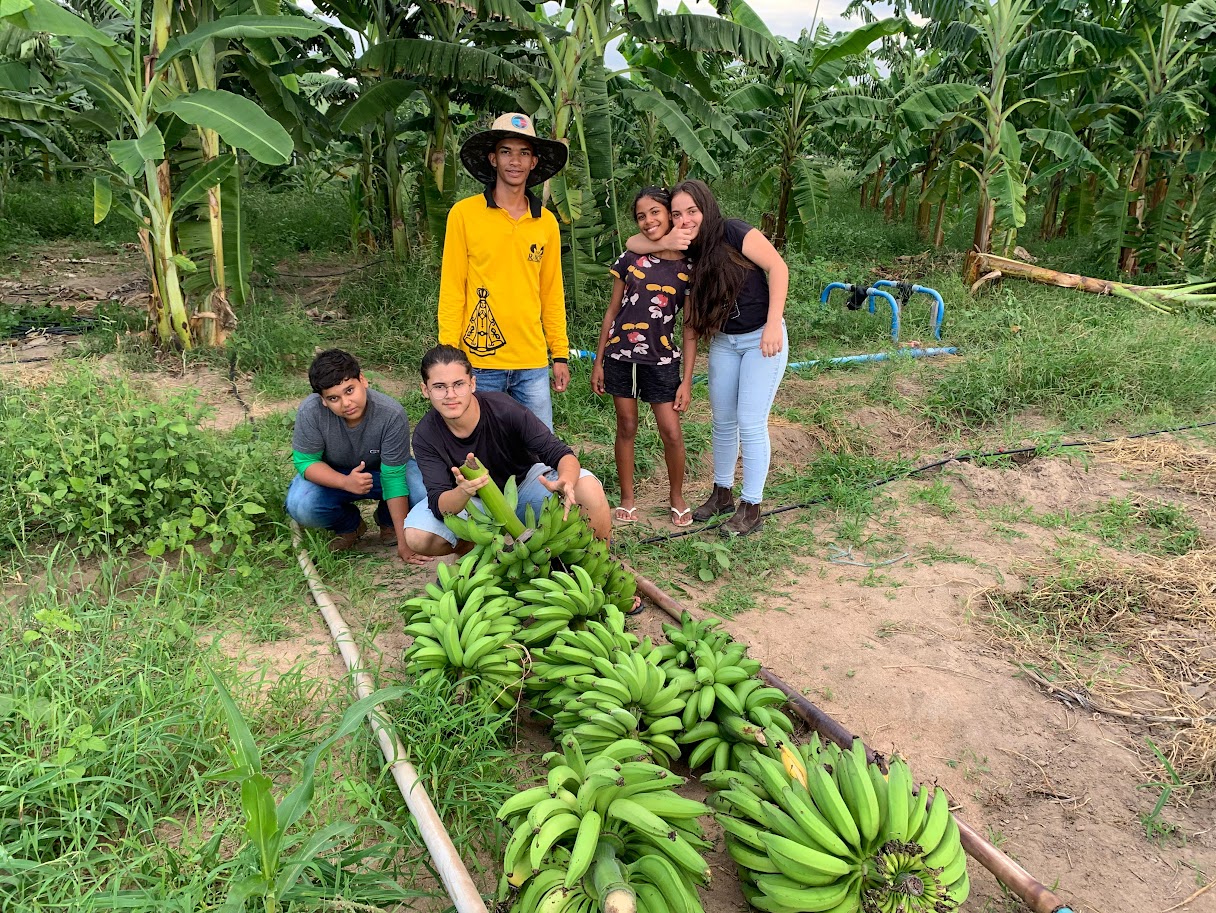
The Jaboticaba Agricultural Family School in Brazil reuses water for sustainable food production in a semi-arid region. Since 1993, it has combined agroecology with wastewater treatment to enhance food security and educate students. The project promotes environmental sustainability and aims to influence public policies in line with Pope Francis’s call for integral ecology.

It is from Latin America and the Caribbean that we present and disseminate this recently published work, the fruit of a two-and-a-half year working group that brought together Universities linked to AUSJAL and Social Centers linked to RCS (Jesuit Social Centers Network), all participants in the Conference of Provinces of Latin America and the Caribbean (CPAL). The work, which involves ten countries and 15 organizations, looks at the relationship between the environment and corruption in our continent innovatively, analyzing our challenges in the light of Integral Ecology.

Fr Roberto Jaramillo SJ, Secretary for Social Justice and Ecology (SJES) of the Society of Jesus in Rome, was in Jakarta recently. His visit provided an opportunity for dialogue with about 40 staff members of Sahabat Insan, the Jesuit centre for migrant workers. Their conversations centred around Laudato sí’s recommendation, paragraph 63: exploring local cultural wealth to develop an ecology capable of addressing the damage done to the Earth.

The Fossil Fuel Non-Proliferation Treaty (FFNPT) is an initiative that strives for an international agreement to phase out fossil fuel while ensuring a just global transition for workers, communities, and countries.