Spain – The Earth is the Space where Life Materializes
On International Earth Day, Alboan and Entreculturas called attention to the important role of social organizations and activists who defend the environment. The intensive exploitation of natural resources, the uncontrolled growth of urban areas and land grabbing are some of the threats that endanger the integrity of the different indigenous peoples who have lived off the land for hundreds of years, says Leire Morquecho, Alboan's International Cooperation Coordinator.
Currently, more than 2.5 million people in Central American countries are in a situation of food insecurity due to severe droughts. Added to all this is the health crisis we are experiencing due to Covid19, a pandemic that aggravates the situation of the most vulnerable groups or those who are in remote places where health or educational assistance is difficult to reach, explains Gemma López, International Cooperation Coordinator for Latin America at Entreculturas.
Alboan and Entreculturas, which have been working in Honduras since 2000, are well aware that it is one of the richest regions in the world in terms of resources, biodiversity and culture. However, it is one of the most threatened areas of the planet due to the institutional deterioration they suffer, which leads to other social problems such as violence, inequality and vulnerability to natural disasters.
Indigenous people, the world's biggest environmentalists
Alboan and Entreculturas were able to interview Father Ismael Moreno, director of Radio Progreso and the Reflection, Research and Communication Team (ERIC) in Honduras, a Jesuit who has become one of the main defenders of democracy and human rights in his country and Bertha Zúñiga Cáceres General Coordinator of the Civic Council of Popular and Indigenous Organizations of Honduras (COPINH) and daughter of Berta Cáceres, Lenca indigenous leader and environmental defender assassinated in 2016.
For the indigenous population, the land is their home, their source of food and medicine, but it is also a constant focus of attack as industries extract resources in increasingly remote areas. Rivers, mines, forests are seen as a field to be captured and turned into money, taking the people with them, shares Father Ismael Moreno in the conversations. In Honduras, deforestation and the destruction of nature is still very present in order to obtain products such as wood, palm oil and minerals. Berta Zúñiga, speaks about the defense of the rights of indigenous communities. Land is the space where life materializes. It is not only the land, but everything that composes it and what is built around it.
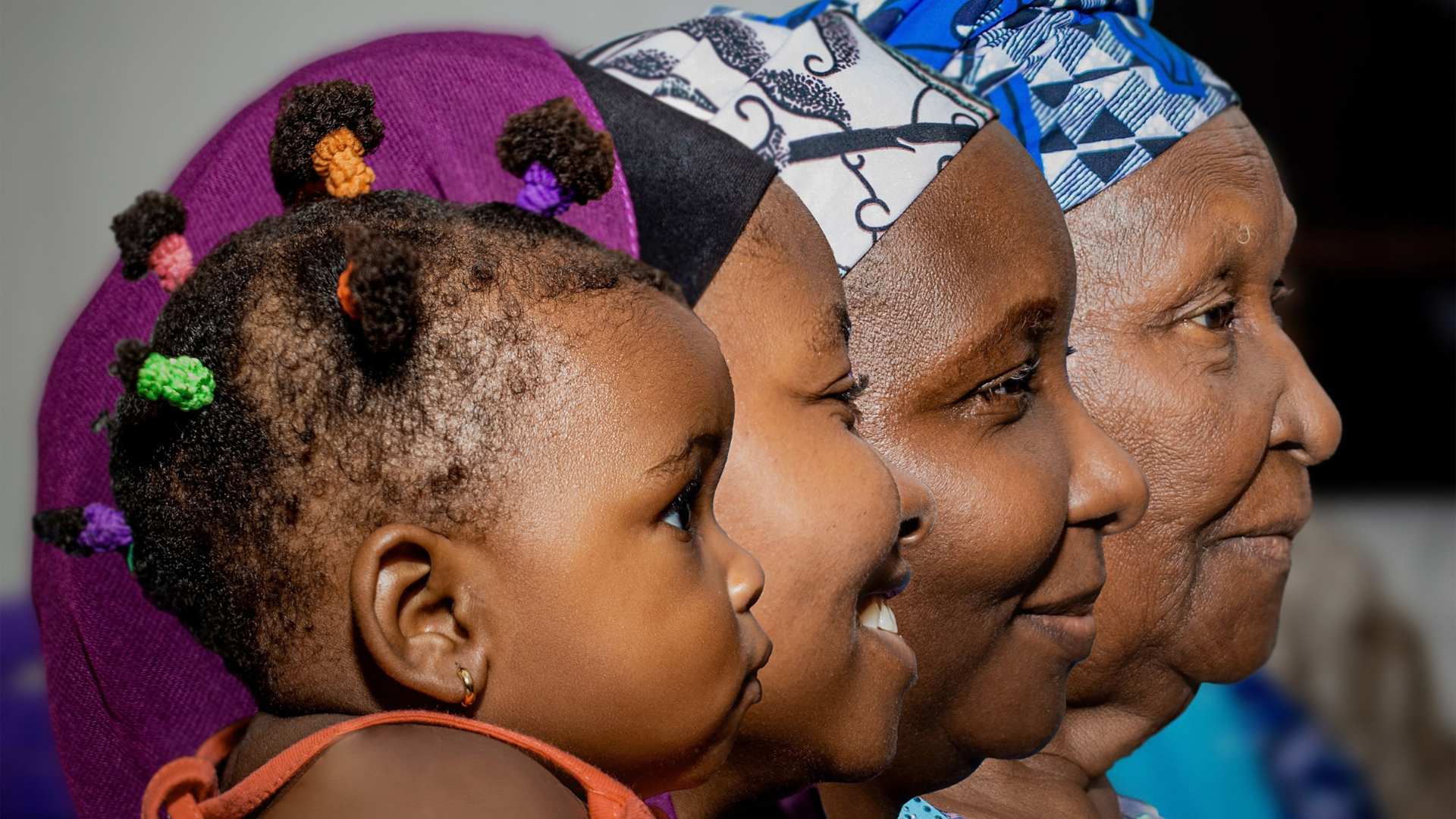
Indigenous people are the greatest environmentalists in the world because of their care, contact and constant harmony with nature. Their struggle against development centered on extractivism is carried out collectively by all the communities that have assumed their role in defense of the human rights of the people.
The crisis that is being experienced in the Honduran region has repercussions on the health, economy, education and environment of its citizens. It is up to us to contribute with proposals to improve life and Mother Nature, and to confront this situation with a model that reduces inequalities, that reverses the deterioration of the land and that confronts the current governance, proposes Father Melo. We are talking about a country where urgent policies based on the control of organized crime and an anti-corruption government that defends human rights above all else are needed. The main actors also encourage the deterioration of the environment as it is a territory with a wealth of resources that are extracted en masse for profit.
Faced with this situation, and the lack of institutional involvement in the care of the environment and human rights, the role of organizations and social activists, such as Berta Cáceres, is very important in their struggle to defend the population above all else. The idea is not to die here as martyrs, but we want to fight to live in a different country; our bet is for life, to banish from this country the power groups that exploit the land and violate women and indigenous populations, says Berta. After speaking of the courage of the environmental activists, Father Melo adds: we were not born in the struggle to defend the land, but to promote life.
According to the most recent data, at least 40 land defenders have been killed in violent circumstances following the murder of Berta Cáceres. This figure places Honduras as the country with the highest rate of killings against defenders per capita. Five years after her mother's murder, Berta is facing trial against David Castillo, president of the hydroelectric company that Cáceres was trying to prevent and alleged mastermind of her death, a key moment in her family's struggle to proclaim justice and freedom. Regarding this situation, Alboan and Entreculturas believe that it is important that, both in Honduras and in the rest of the world, the necessary protection and resources are guaranteed to continue defending the land. In addition, corruption and abusive corporate projects that have a negative impact on the planet must be stopped, as well as guaranteeing the protection of the indigenous population and their human rights.
On the occasion of International Earth Day, Alboan and Entreculturas joined Berta Zuñiga's words and her struggle, confident that one day our efforts to improve the country and the planet will become evident.
Source: Jesuitas Social
Related Posts:
Addressing today's environmental crisis requires educational institutions to embrace a transformative commitment. Inspired by the papal call and the framework of Integral Ecology, Jesuit universities are strengthening both their institutional practices and advocacy efforts while responding to the urgent challenge of fully integrating environmental education into their formal curricula.

Marking the 10th anniversary of Laudato si’, Pope Leo XIV sends a videomessage to the Network of Universities for the Care of Our Common Home, and encourages their synodal reflection ahead of COP30.

It is from Latin America and the Caribbean that we present and disseminate this recently published work, the fruit of a two-and-a-half year working group that brought together Universities linked to AUSJAL and Social Centers linked to RCS (Jesuit Social Centers Network), all participants in the Conference of Provinces of Latin America and the Caribbean (CPAL). The work, which involves ten countries and 15 organizations, looks at the relationship between the environment and corruption in our continent innovatively, analyzing our challenges in the light of Integral Ecology.

Fr Roberto Jaramillo SJ, Secretary for Social Justice and Ecology (SJES) of the Society of Jesus in Rome, was in Jakarta recently. His visit provided an opportunity for dialogue with about 40 staff members of Sahabat Insan, the Jesuit centre for migrant workers. Their conversations centred around Laudato sí’s recommendation, paragraph 63: exploring local cultural wealth to develop an ecology capable of addressing the damage done to the Earth.
The Fossil Fuel Non-Proliferation Treaty (FFNPT) is an initiative that strives for an international agreement to phase out fossil fuel while ensuring a just global transition for workers, communities, and countries.