Hospitality: Networking With Migrants
We are Naty and LuisFer [1] and we invite you to the Caravan for Hospitality for a journey in Latin America. We write you this testimony from the city of Cúcuta in the border region between Venezuela and Colombia. This border is a meeting place among peoples who share history, wealth, diversity, and conflicts—millions connect here in many different ways.
At the border region, we were inspired to visit some countries in this part of the world. The Cultural Caravan for Hospitality on the Borderis a social and artistic scheme that emerged in 2016 as an invitation to act amid the reality of discrimination and fear of people fleeing Colombia and seeking refuge in the towns of Venezuela. The Caravan is an upshot of the passion and commitment of a group of teachers, artists and students of the Catholic University of Táchira and people collaborating with the Jesuit Refugee Service in Venezuela.
[1] Natalia and Luis Fernando, a Colombian couple who accompany the Jesuit Network for Migrants (RJM) in the promotion of the culture of hospitality. Natalia Salazar is a social communicator and journalist, Luis Fernando Gómez is a sociologist and specialist in International Humanitarian Law and Culture of Peace. Together with María Teresa Urueña and Javier Cortegoso, they form the operational team of RJM in Latin America and the Caribbean.
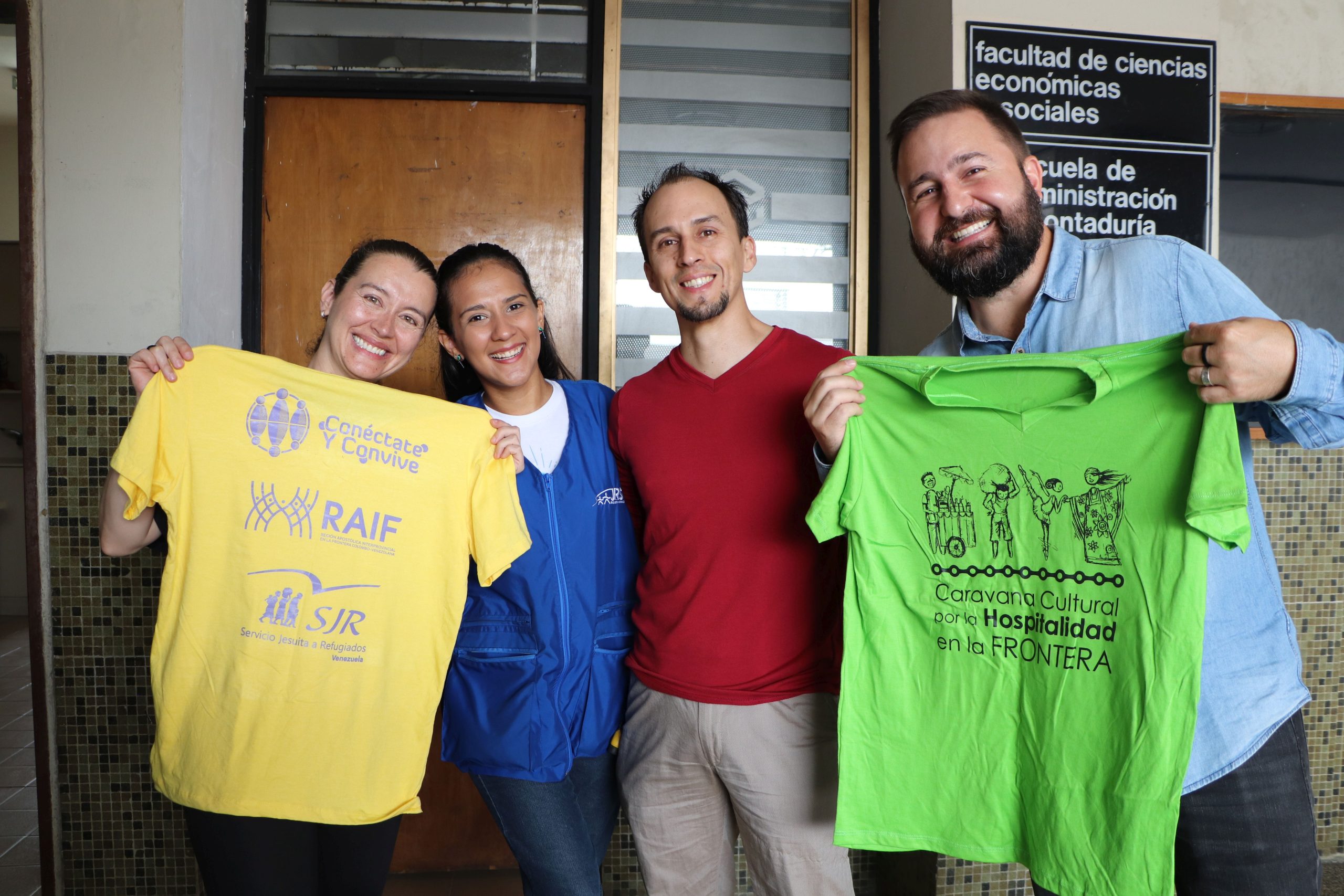
Our first account of the Caravan was in Mexico together with the IBERO University of Mexico and Clowns Without Borders (from the United States, Mexico and Brazil). We visited several shelters along the forcibly displaced's migratory route. We aimed to bring a message of hospitality in the places of refuge and the neighbourhoods of local communities terrified by the constant passage of people of different nationalities. Talking to people, singing a song, sharing a greeting, and building relationships of trust and closeness from the encounter were the simple gestures that united us as humanity [1].
In the "El Samaritano" shelter in Bojay near Mexico City, we met Pedro, a Central American migrant. We particularly remember Pedro's peculiar facial gesture evocative of the pain of a forcibly displaced person's having to hastily leave everything behind while, at the same time, wearing the smile of someone who happily hopes to find something better in life. Like hundreds of thousands of other young people, Pedro travels dangerous roads, risking his life to fulfil a "dream" that possibly means waking up from the nightmare of not having secure means to offer his family a dignified life.
The second phase of the Caravan took us to different places in Brazil [1], where we experienced the love of many people who have long been opening their doors and hearts to forcibly displaced people of different nationalities. Many Venezuelans have arrived in Boa Vista in Roraima State to seek protection. There, we had the privilege of being received in the home of Maria José, who showed us the practice of hospitality in her own house; her example reminded us that "the Kingdom is built here and now". With her, we confirmed it unnecessary to have great wealth to offer a home, a safe and affectionate space, to people in need.
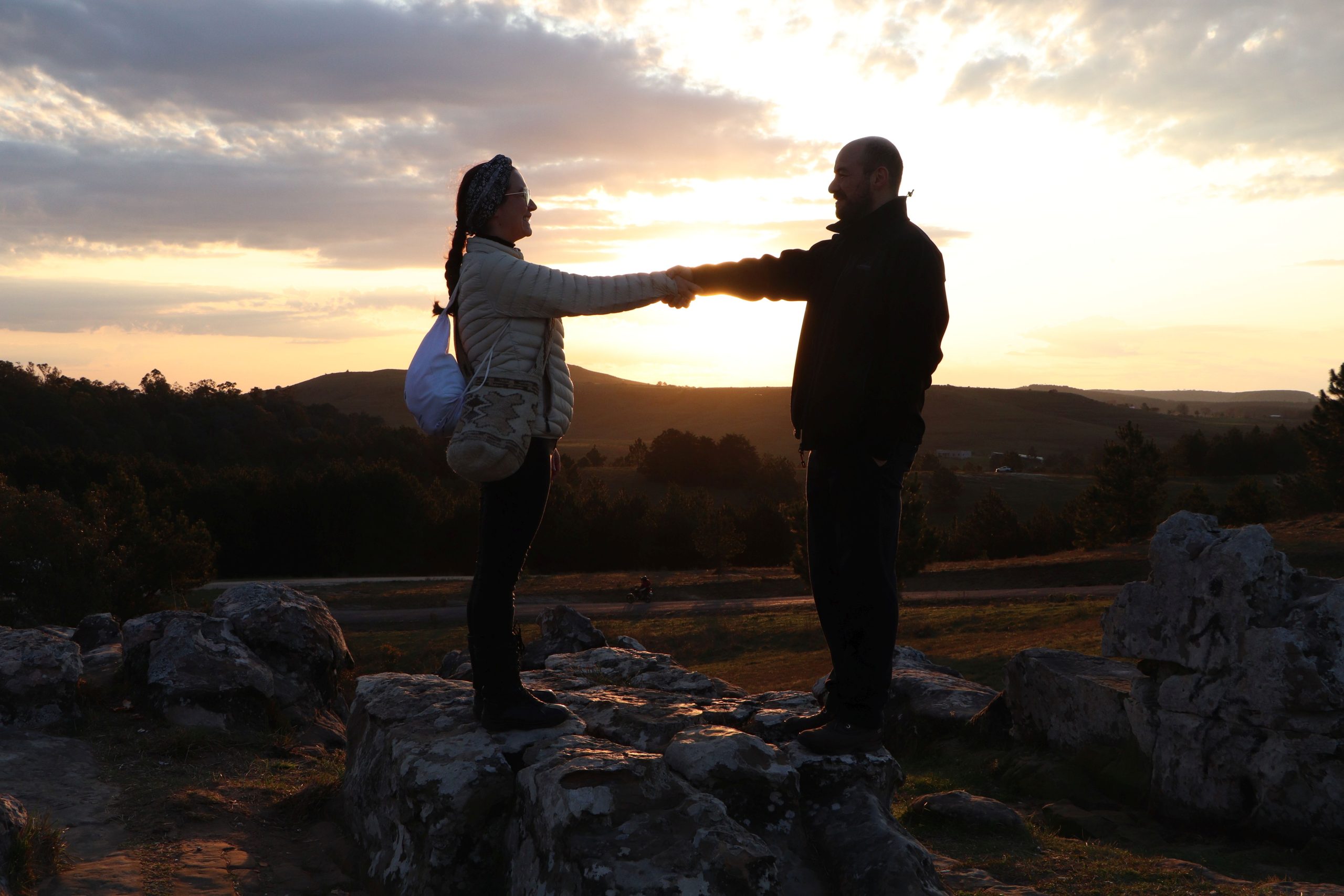
The third phase of the Caravan allowed us to witness the welcome, protection, promotion and integration of migrants through experiences in Uruguay, Argentina, Bolivia and each of the territories on this land route to Colombia [2]. Each encounter, story, and name were entwined, woven to affirm that a network of empathy and understanding challenges the world to look beyond differences. People from many nations who travel this road claim, "I am a refugee"; meanwhile, Jesuit communities, schools and colleges, universities, neighbourhoods... choose to open their doors, unmindful of personal discomfort, to build humanity. Hospitality thus becomes the bridge that unites us, reminding us that we each have a place and a mission in this world.
[1] 2019 /
Caravana por la Hospitalidad. Brasil
[2] 2022 / Uruguay, Argentina, Chile, Bolivia, Perú y
Ecuador.
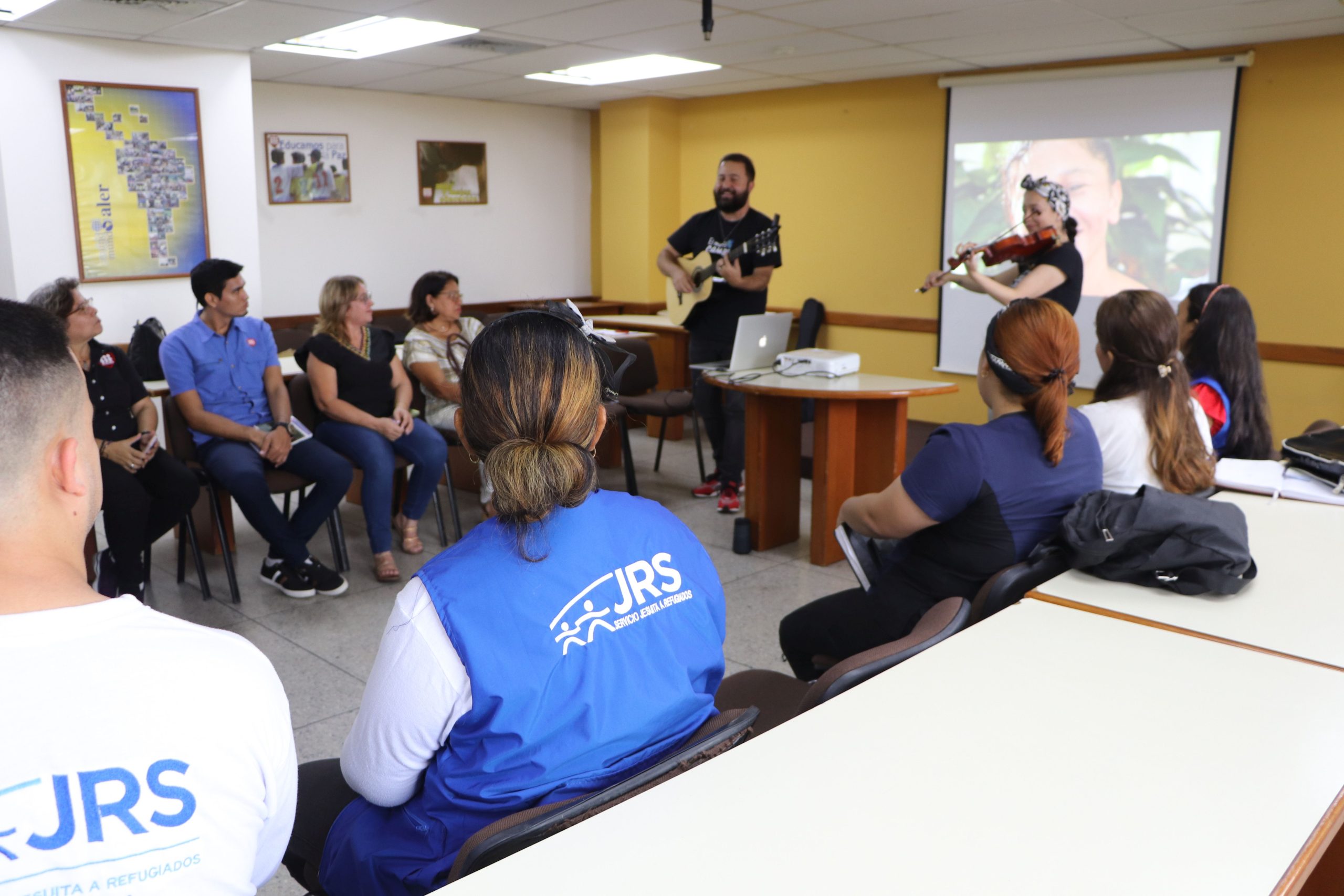
It seems no coincidence that after travelling the Continent, we found ourselves in Venezuela and recognised hospitality anew in a society that has always experienced migration and lovingly welcomes those seeking refuge. Venezuelan society helped us identify with one another as Latin Americans from the point of view of both diversity and complementarity. In the last phase of this Caravan in South America, we experienced the gift--the presence--of hospitality [1] as we passed through Venezuela.
Gradually, we became aware that this Cultural Caravan for Hospitality exemplifies a path that allowed us to meet migrants and local communities. And it invited us to recognise the dynamic shift from hostility to hospitality at many levels of our lives: as a couple, as a family, as a region, as a network, as humanity. In other words, as Pope Francis encourages us to feel, "it is not just about migrants".
Like Pedro, the first face of migration who welcomed us in the shelter of the Good Samaritan in Mexico, we felt a mixture of pain and joy, of frustration and hope after our journey. The wounds of many displaced people forced to leave everything behind and whatever else represents home have become hope testimonies. And the stories of hospitality weave networks that engender reconciliation through personal encounters and human fraternity.
Related Posts:
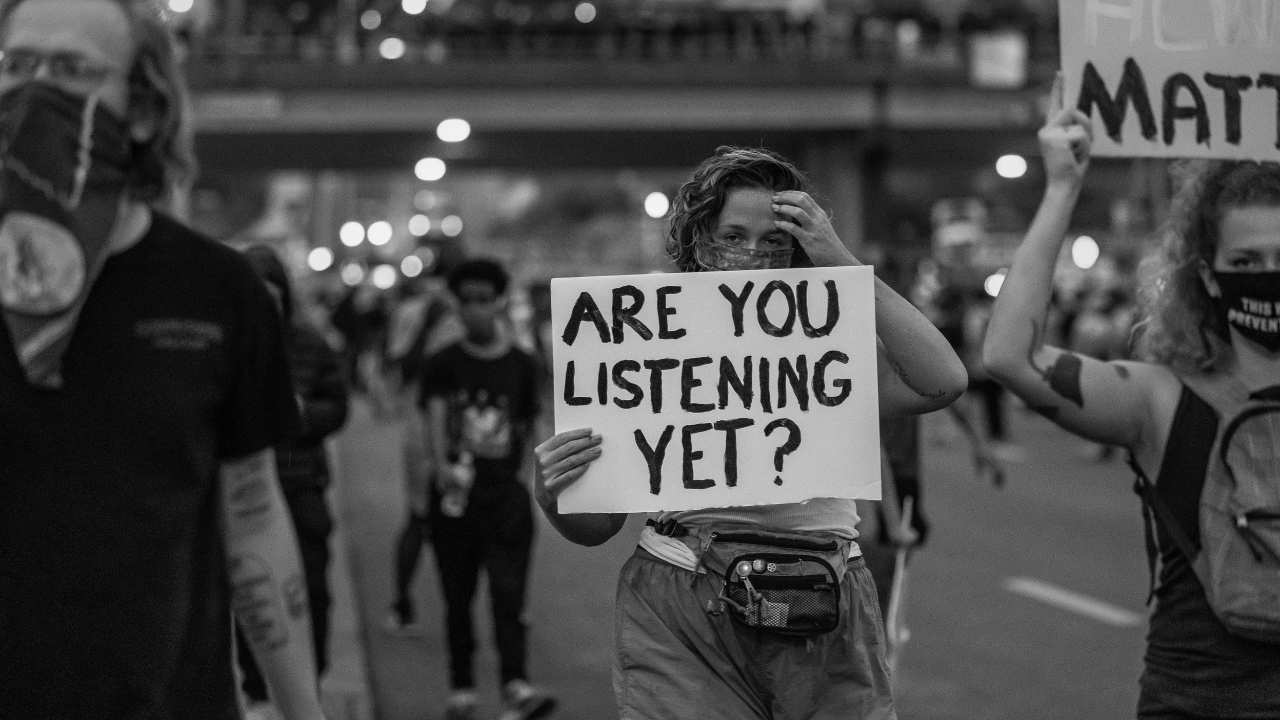
By examining the tensions between democratic institutions, citizen participation, social movements, and the common good, the article opens a path for reflecting on how new forms of power emerge and how societies can respond to them. As AI systems increasingly shape public life and influence collective decision-making, Bado's vision of a more participatory and substantive democracy challenges us to consider how technology can be governed in ways that promote justice, inclusion, accountability, and human dignity. We invite readers to revisit this earlier reflection as a valuable source of inspiration for discerning how democracy may evolve in response to the opportunities and risks posed by AI and for ensuring that technological progress continues to serve people and the common good.

In Magnifica Humanitas, Pope Leo XIV warns that machine intelligence in war ends by “reducing victims to data.” The machine profiling that registers a person for food can also be used to select a person as a target. A small drone circling a road, with no one steering it, can have such a profile as its target. A drone like this is an autonomous weapon system. Once activated, it selects and attacks targets by itself, matching what its sensors detect to a programmed target profile. No human being decides, at the moment of the strike, that this particular person will die or is the right target. The case most often cited as the first use of such a weapon against people, reported by UN experts, was in Africa, in Libya in 2020.
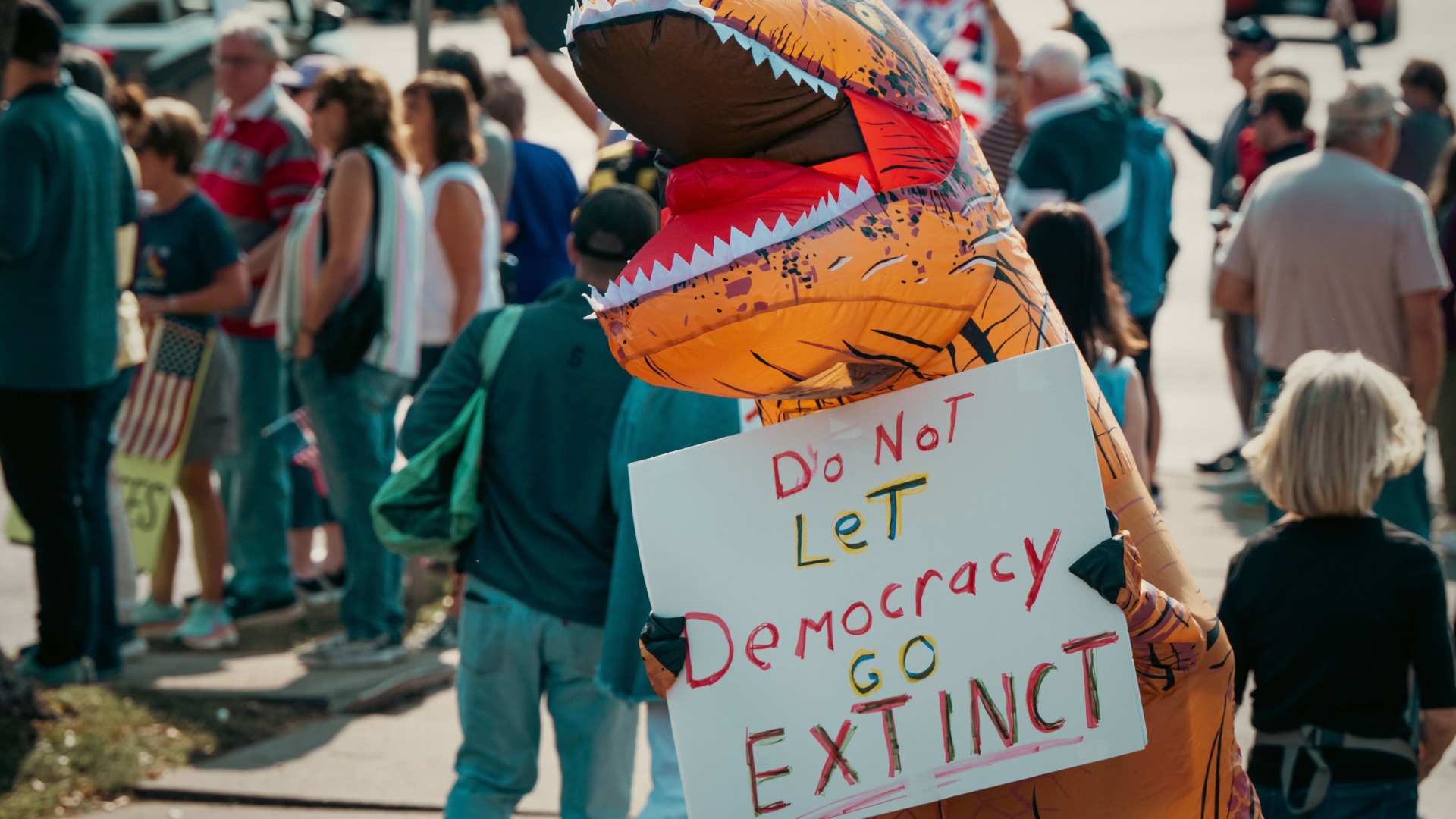
Democracy, which has historically proven most effective in meeting these criteria, cannot be taken for granted. In our AI era, citizens should press for more than multiparty elections and the protection of basic freedoms; that institutional core is not enough. We must carefully regulate and channel powerful technologies with the capacity to divide us from one another and short-circuit social and political participation. That means maintaining spaces in civil society where human contact and social friendship can flourish without the mediation of machines, beginning with the educational systems through which all citizens pass. It means fighting deepfakes and disinformation in the public sphere, so that citizens still operate in a world of facts and evidence and political representation has a strong basis.
Artificial intelligence (AI) is increasingly entering public life in Ghana, including through digital systems used for identification, verification and service delivery. The ethical question is therefore not simply what AI can do, but what happens to people when digital systems become gateways through which citizenship, mobility or access to services are recognised. In northern Ghana, especially in border communities, this is a concrete question. I was privilege to visit Pusiga community in November 2025 with a Jesuit friend of my mine who is originally from the community. Thus, the topic for this article resonates very well with me.
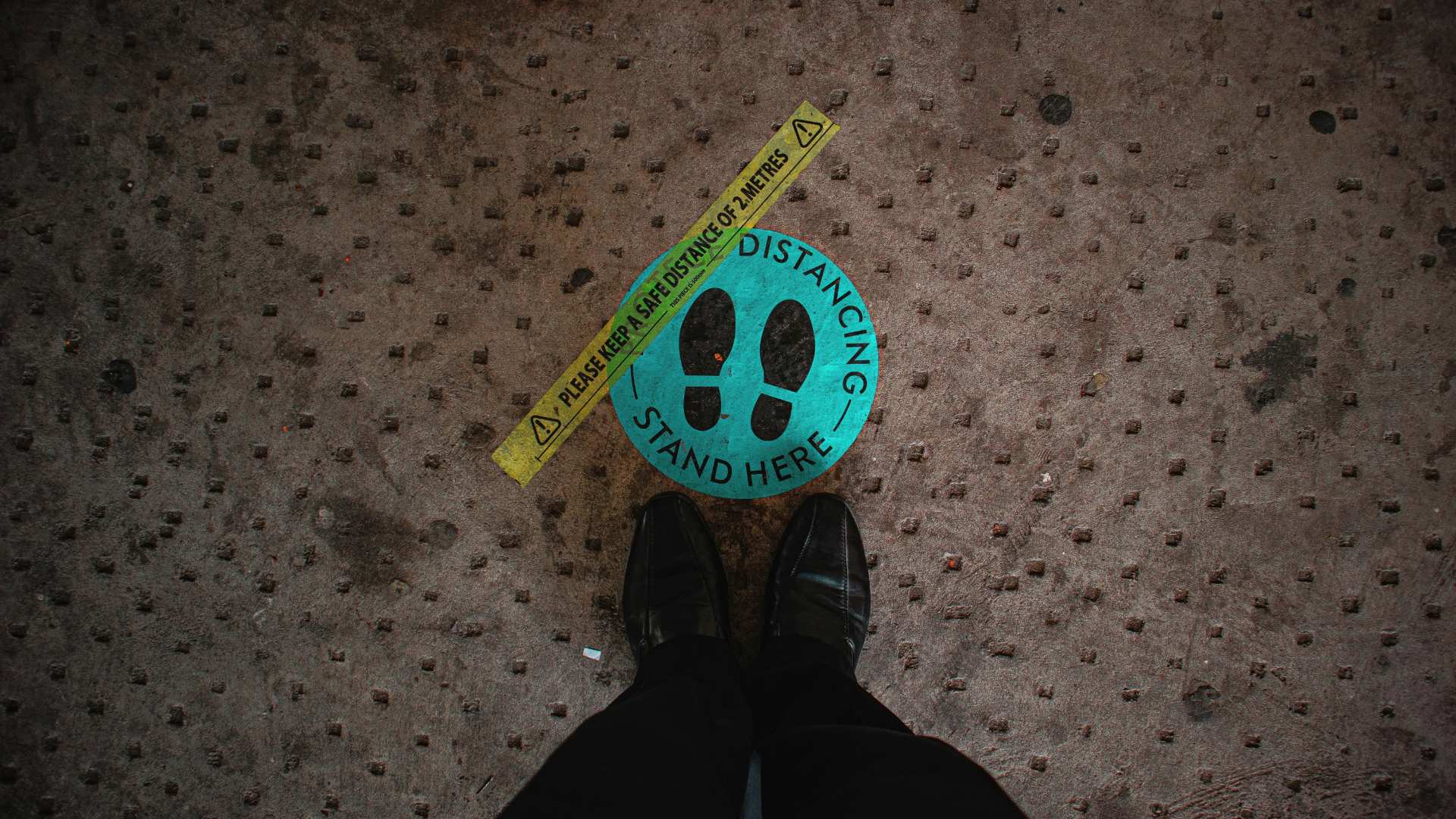
The article ‘Pandemic and Authoritarianism’, by Germán Rosa, SJ, was written in the midst of the COVID-19 crisis, but its insights extend beyond that context. The pandemic appears to reveal and accelerate political trends that were already present: the concentration of power, the weakening of democratic checks and balances, and the acceptance of extraordinary restrictions in the name of collective security. Rosa’s main concern is that fear may lead citizens to silently surrender their freedoms and rights, and that measures which were initially intended to be temporary become normalized and endure. Furthermore, in societies riven by inequality, control is never distributed neutrally: it falls most heavily on the impoverished, marginalized groups, migrants, dissidents and those who defend rights and territories.
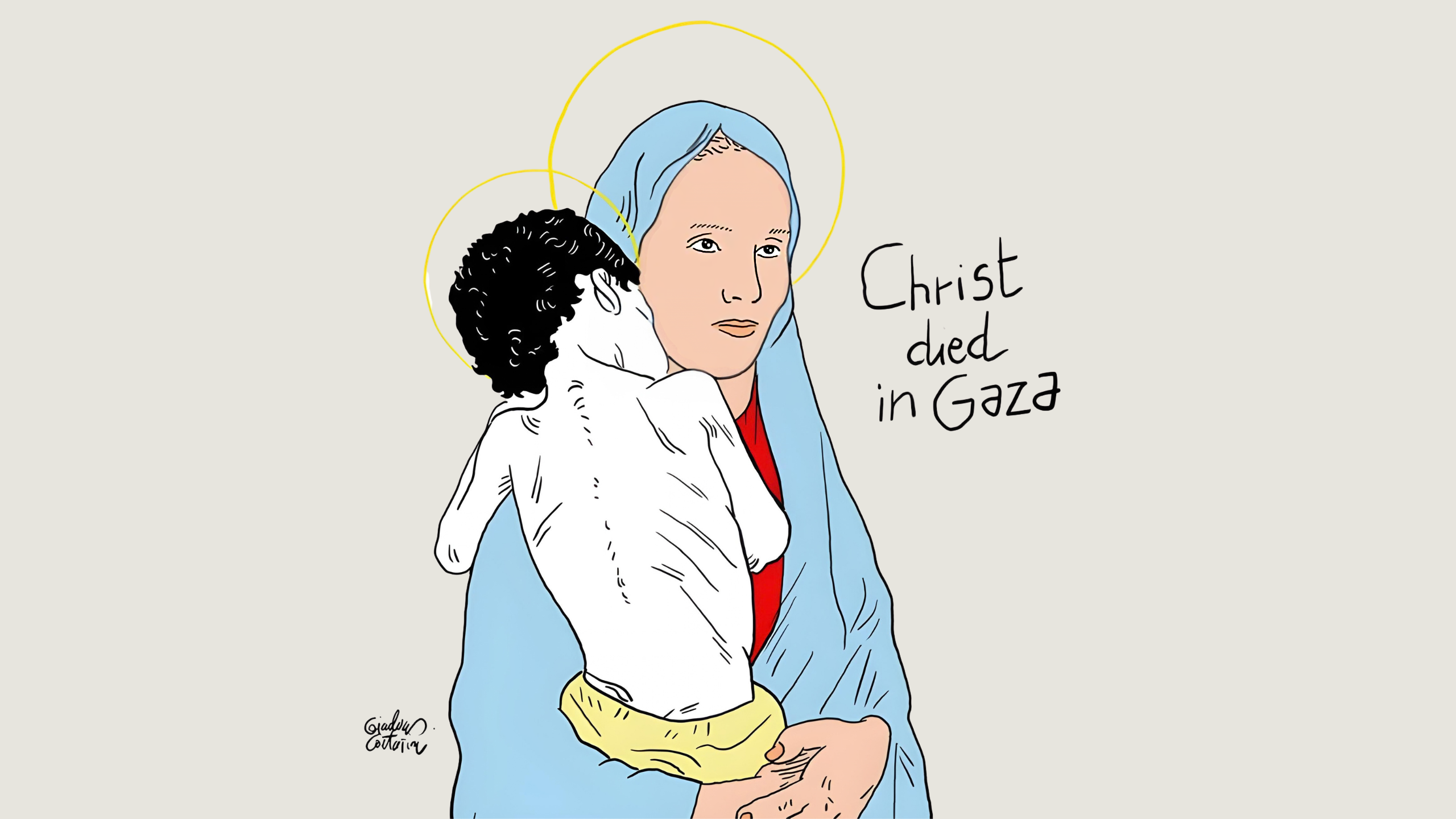
Speaking of dead children is uncomfortable. Yet it can also be healing. As I listened to the stories shared that day, I found myself returning to memories I may at times shy away from remembering. Iremember finding my sister’slifeless body in bed one Saturday morning. Ihad cometo carry her out with me to watch cartoons.As I listened tothe story of Hind Rajab, a 5-year-old girl who had been trapped inside a car attacked by Israeli forces,the memory of a little boy reaching out to touch his sister came back. The young girlhadmanaged to call the Red Crescent for help but hours later she and the paramedics who had come toassisther were all found dead. The chilling story reminded me of the shocking cold that struck my hand as I gently touched my sister’s arm in a futile attempt to wake her up.


