Building a Future-Fit Europe: Food Systems and Intergenerational Justice
The Jesuit European Social Centre (JESC) is a Brussels-based organisation dedicated to EU advocacy -- the effort to influence those in positions of power to promote the common good. It's a complex and far-reaching mission with the potential to amplify the voices of those without strong political representation and reshape narratives that affect millions of lives. We cannot remain silent in a world where the balance too often tilts in favour of those chasing wealth and influence. For us, this work is more than just a professional responsibility—it is a deeply personal mission. Let me share two of our key projects that I believe have real potential to drive meaningful change.
Food Policy
Food is more than just sustenance—it is the foundation of our culture, health, and community. Yet, it's easy to overlook how our food reaches us, who produces it, where, and under what conditions. Recent farmer protests across the EU have exposed serious flaws in the system. To build resilient and sustainable food chains that ensure everyone has access to healthy, nutritious, and culturally appropriate food—while also guaranteeing fair compensation for producers—we need a comprehensive solution.
We believe faith-based organisations (FBOs) have a unique role in this effort; this inspired the creation ofOur Daily Bread -- a network of faith-based organisations (FBOs) dedicated to promoting sustainable food systems. The initiative emerged from JESC's research, which identified and mapped 150 FBOs across the EU engaged in various food-related efforts. By bringing these organisations together, we aim to amplify our collective impact and enhance our advocacy in food policy.
Future Generations Initiative
The second far-reaching project that advocates for an EU fit for future generations is rooted in the belief that we hold a profound responsibility towards those who will inherit the consequences of our decisions. Current political systems tend to represent only present generations, yet future generations will bear the long-term impacts of the policiespassed today. Just as our ancestors planted trees not for themselves but for their grandchildren, we must critically examine the policies we implement now and their implications for the years to come.
This poses a unique dilemma for our modern democracies: how can we effectively represent the interests of those who have yet to be born?
To find answers to this question at the EU level, JESC, in collaboration with The Good Lobby, spearheaded theFuture Generations Initiative -- an NGO coalition of 24 members to campaign on this important issue together.
Several EU member states have already set positive examples by establishing representatives or institutions dedicated to the interests of future generations. Our initiative aims to introduce similar, tailored measures at the EU level.
It was deeply gratifying to see one of our demands come to fruition with the appointment of an EUCommissioner for Intergenerational Fairness, Youth, Culture, and Sport in July. With the right tools and approach, this mandate has the potential to transform our short-term policymaking into a long-term vision.
How does it become a personal undertaking?
The realisation that we are the first generation who will not be better off than our parents poses a significant challenge in the search for meaning in our lives. We must break the intergenerational cycle of poorly designed infrastructure that harms the environment, damages relationships, and perpetuates injustices that have become the norm -- this is the only way forward. A new paradigm is essential—one that critically examines the building blocks of existing systems and addresses fundamental questions about the nature of growth, well-being, future preparedness, and who benefits from our collective efforts.
We warmly invite all who feel called to help transform the current paradigm to add their voices to ours.

Enikő supports the advocacy efforts of the Ecology Department at JESC while also managing administrative tasks. She joined JESC in December 2021 and served as the European Leadership Programme officer until early 2024. Originally from Slovakia with Hungarian roots, Enikő has been actively involved in volunteer work with organisations such as AIESEC, Learning Enterprises, and Erasmus+ during her university years. She also contributed to organising the annual summer university for Hungarian minorities in Slovakia. Enikő holds degrees in Translation, Interpreting, and Business Communication.
Email:[email protected],LinkedIn profile

Béla Kuslits is a senior officer on the Ecology team at JESC, focusing on environmental policy and the ecological transition within the wider network of European Jesuits. Béla graduated in medicine, sociology, and anthropology at CEU and holds a PhD in environmental management. Before joining JESC, among other projects, he worked for the Ombudsman for Future Generations in Hungary, for Birdlife Hungary, the Ecological Research Centre of the Hungarian Academy of Sciences
Email: [email protected] LinkedIn profile

Articles associés

Dans Magnifica Humanitas, le pape Léon XIV met en garde contre le fait que l’intelligence artificielle en temps de guerre finit par « réduire les victimes à de simples données ». Le profilage automatisé, qui recense une personne pour lui fournir de la nourriture, peut également servir à la sélectionner comme cible. Un petit drone survolant une route, sans pilotage humain, peut avoir un tel profil comme cible. Un drone de ce type est un système d’armement autonome. Une fois activé, il sélectionne et attaque des cibles de lui-même, en faisant correspondre ce que ses capteurs détectent à un profil de cible programmé. Aucun être humain ne décide, au moment de frapper, qui tuer ou quelle est la bonne cible. Le cas le plus souvent cité comme la première utilisation d’une telle arme contre des personnes, rapporté par des experts de l’ONU, s’est produit en Afrique, en Libye, en 2020.
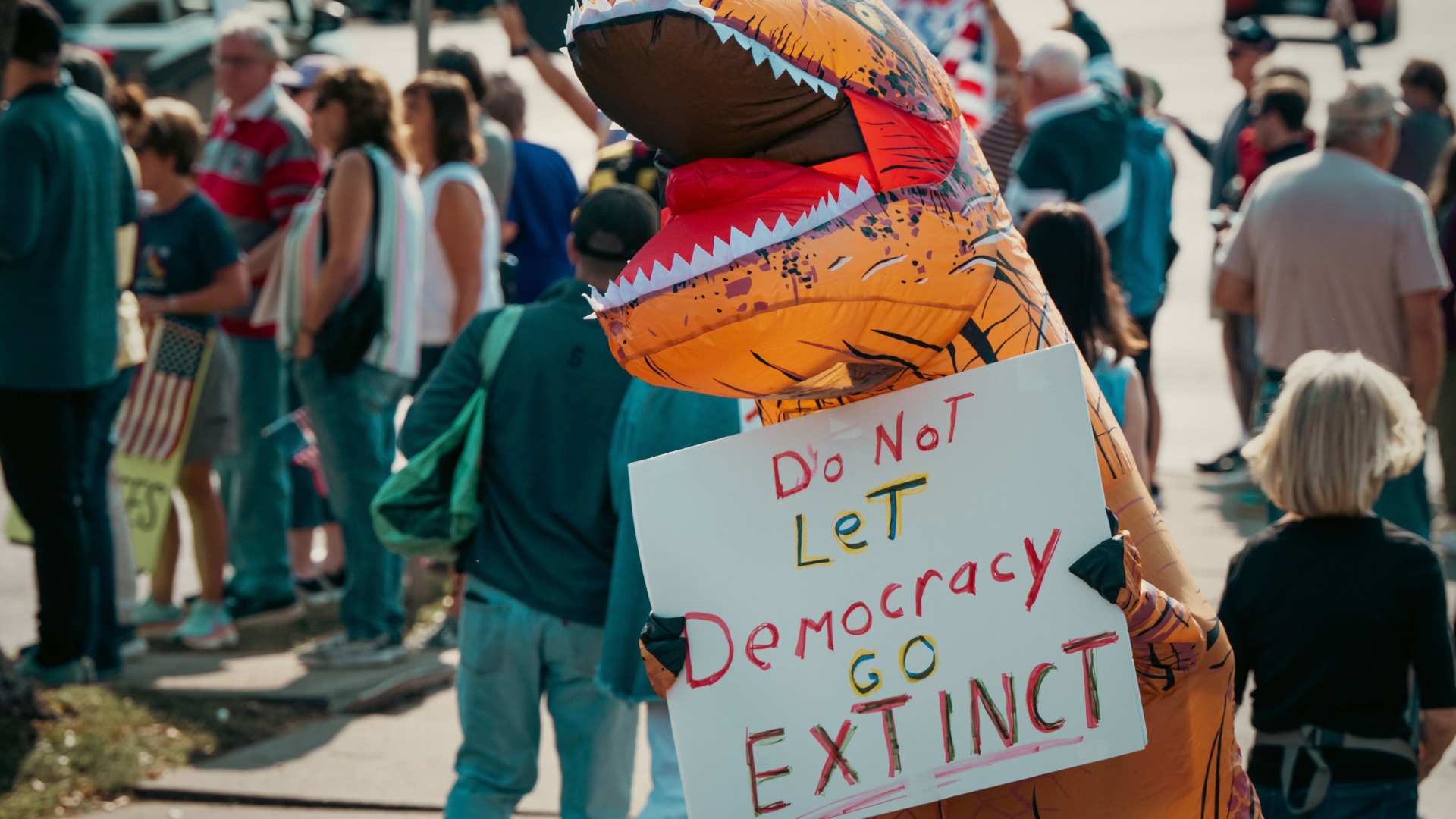
La démocratie, qui s’est historiquement révélée la plus efficace pour répondre à ces critères, ne peut être considérée comme acquise. À l’ère de l’IA, les citoyens devraient exiger davantage que des élections multipartites et la protection des libertés fondamentales ; ce socle institutionnel ne suffit pas. Nous devons réglementer et canaliser avec soin les technologies puissantes capables de nous diviser les uns des autres et de court-circuiter la participation sociale et politique. Cela implique de préserver, au sein de la société civile, des espaces où les contacts humains et les liens d’amitié peuvent s’épanouir sans l’intervention de machines, à commencer par les systèmes éducatifs que tous les citoyens traversent. Cela implique de lutter contre les deepfakes et la désinformation dans la sphère publique, afin que les citoyens continuent d’évoluer dans un monde fondé sur des faits et des preuves, et que la représentation politique repose sur des bases solides.
L’intelligence artificielle (IA) s’immisce de plus en plus dans la vie publique au Ghana, notamment par le biais de systèmes numériques utilisés à des fins d’identification, de vérification et de prestation de services. La question éthique ne porte donc pas simplement sur ce que l’IA est capable de faire, mais sur ce qu’il advient des personnes lorsque les systèmes numériques deviennent les portes d’accès par lesquelles sont reconnues la citoyenneté, la mobilité ou l’accès aux services. Dans le nord du Ghana, en particulier dans les communautés frontalières, cette question se pose de manière très concrète. J’ai eu le privilège de me rendre dans la communauté de Pusiga en novembre 2025, avec un ami jésuite originaire de cette communauté. Le sujet de cet article me touche donc particulièrement.
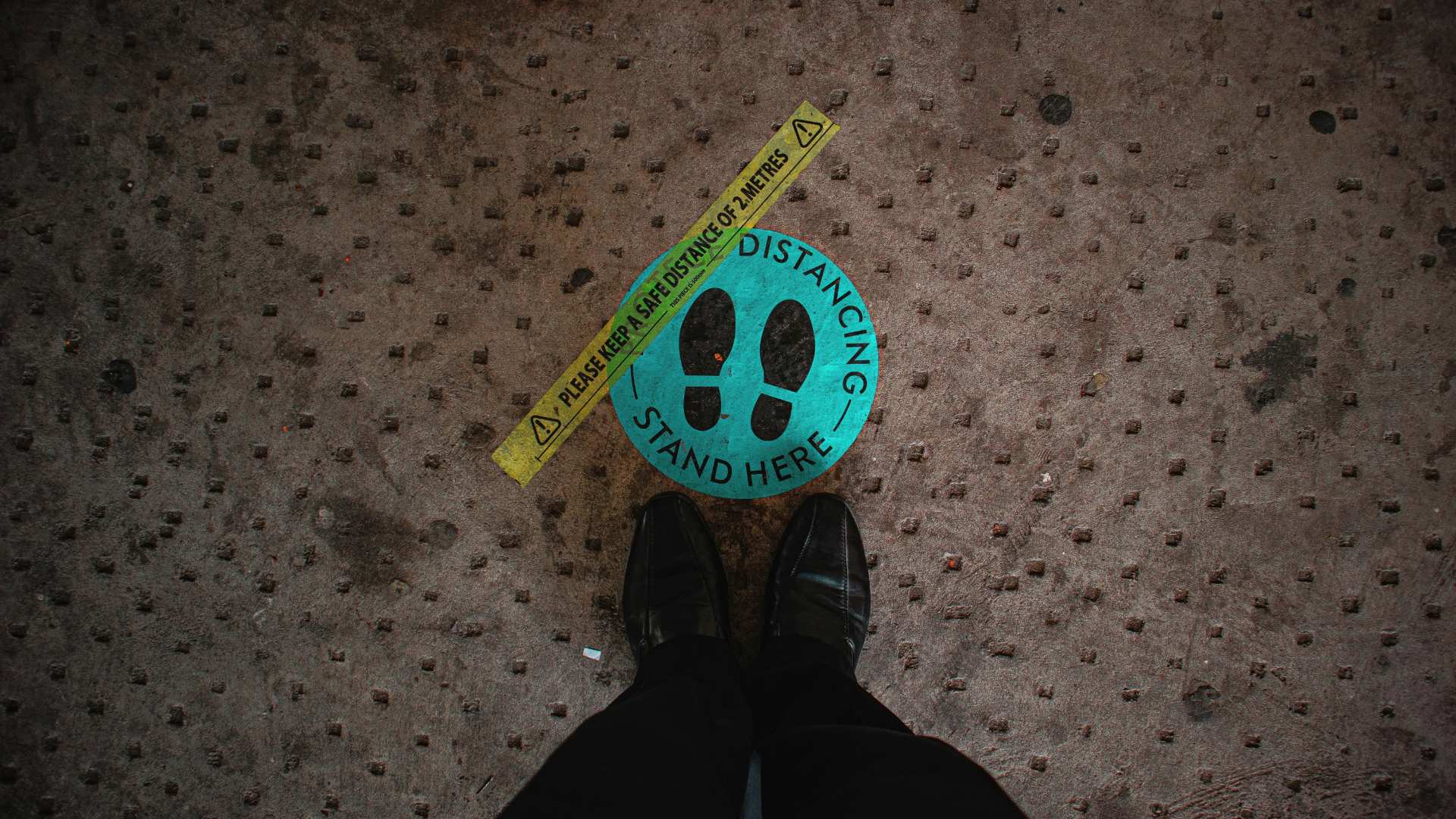
L’article « Pandémie et autoritarisme », de Germán Rosa, SJ, a été rédigé au cœur de la crise provoquée par la COVID-19, mais ses intuitions dépassent cette conjoncture particulière. La pandémie apparaît comme un révélateur et un accélérateur de tendances politiques déjà présentes : la concentration du pouvoir, l’affaiblissement des contrôles démocratiques et l’acceptation de restrictions extraordinaires au nom de la sécurité collective. La principale hypothèse de Rosa est que la peur peut conduire les citoyens à céder silencieusement leurs libertés et leurs droits, et que des mesures initialement temporaires finissent par se normaliser et perdurer. Dans les sociétés marquées par les inégalités, le contrôle n’est de plus jamais réparti de manière neutre : il pèse plus lourdement sur les personnes démunies, les populations marginalisées, les migrants, les opposants et ceux qui défendent les droits et les territoires.
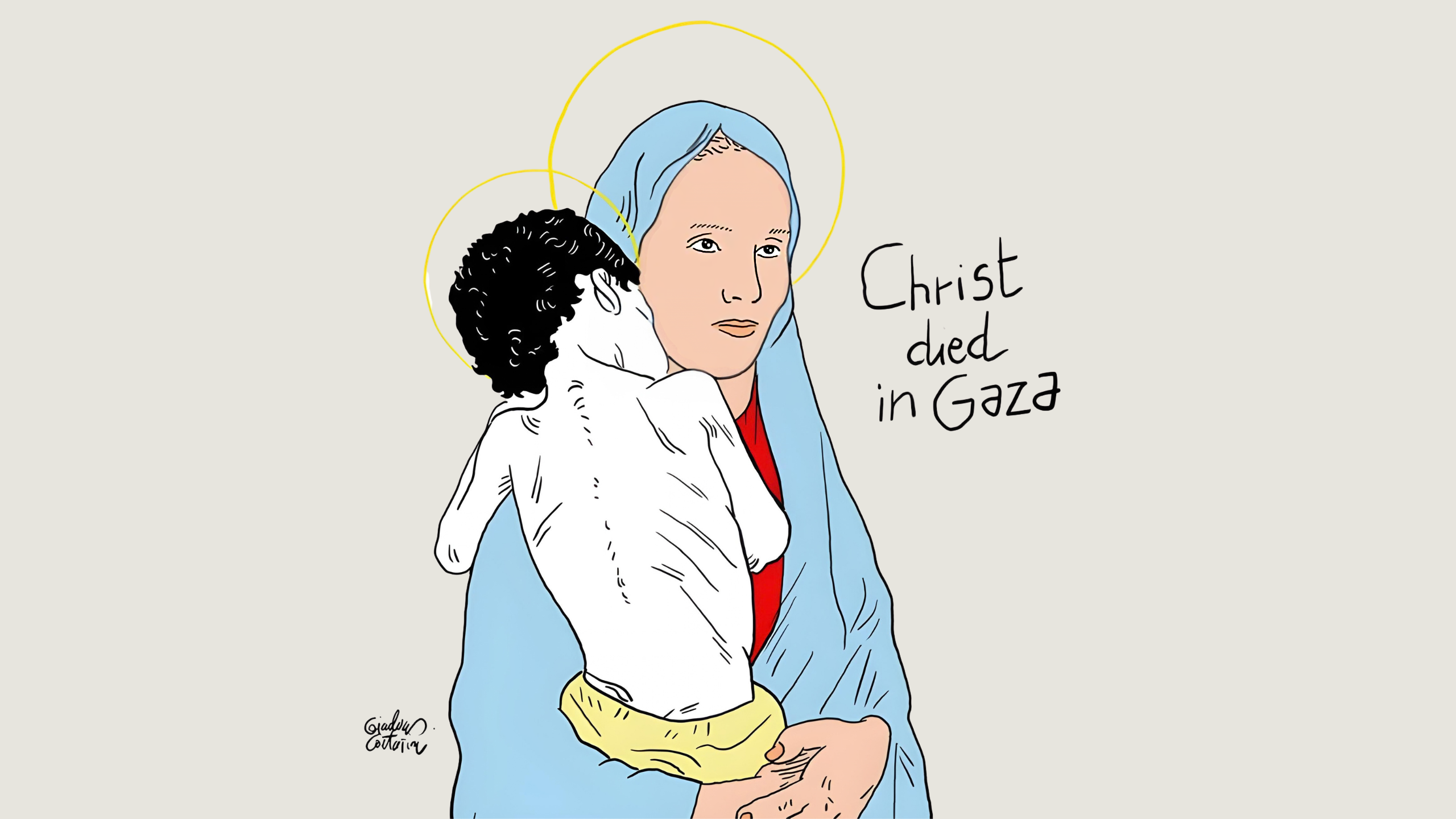
Évoquer des enfants morts, cela nous trouble. Pourtant, cela peut aussi guérir. En écoutant les récits racontés ce jour-là, je me suis surpris à replonger dans des souvenirs que j'ai parfois tendance à éviter de revivre. Je revois ce samedi matin où j’ai découvert le corps sans vie de ma sœur allongée dans son lit. Je venais la chercher pour l’emmener regarder des dessins animés. En entendant l’histoire d’Hind Rajab, cette petite de cinq ans coincés dans une voiture, cernée par les tirs, le souvenir d’un petit garçon tendant le bras vers sa sœur est revenu vers moi. Elle avait réussi à appeler le Croissant-Rouge pour demander secours. Des heures plus tard, on a retrouvé le sien, et celui des secouristes accourus à son secours, tous sans vie. Ce récit m’a glacé les os, me renvoyant à ce froid qui m’a envahi la main quand j’ai effleuré le bras de ma sœur, dans l’espoir vain de la réveiller.
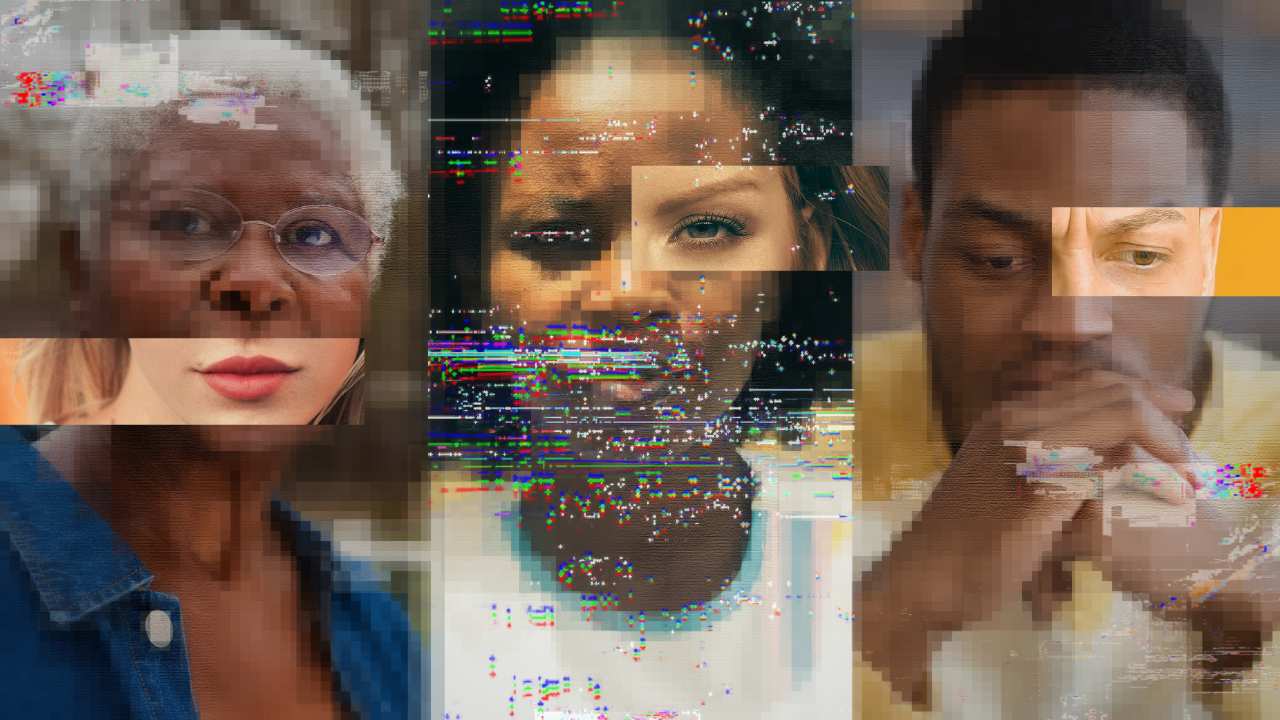
Dans le quartier aisé où je vis, je me promène dans la rue en portant un t-shirt de l’institution jésuite d’élite que j’ai fréquentée autrefois. C’est comme si je présumais, avec présomption, que ce t-shirt atténuerait le risque d’être observé par des regards inquisiteurs. Pourtant, je me rappelle instantanément, lorsque les portières des voitures se verrouillent à mon passage et que les sacs à main se resserrent autour de moi, que mon corps est perçu comme un objet de suspicion. Je me rappelle que ma négritude précède mon existence. Je me rappelle que mon corps foncé occulte la présomption d’innocence. Je me rappelle que ma peau foncée a vidé mon humanité de sa substance et m’a transformée en objet de peur.


