Experiencing Life in South Sudan as a Young Religious
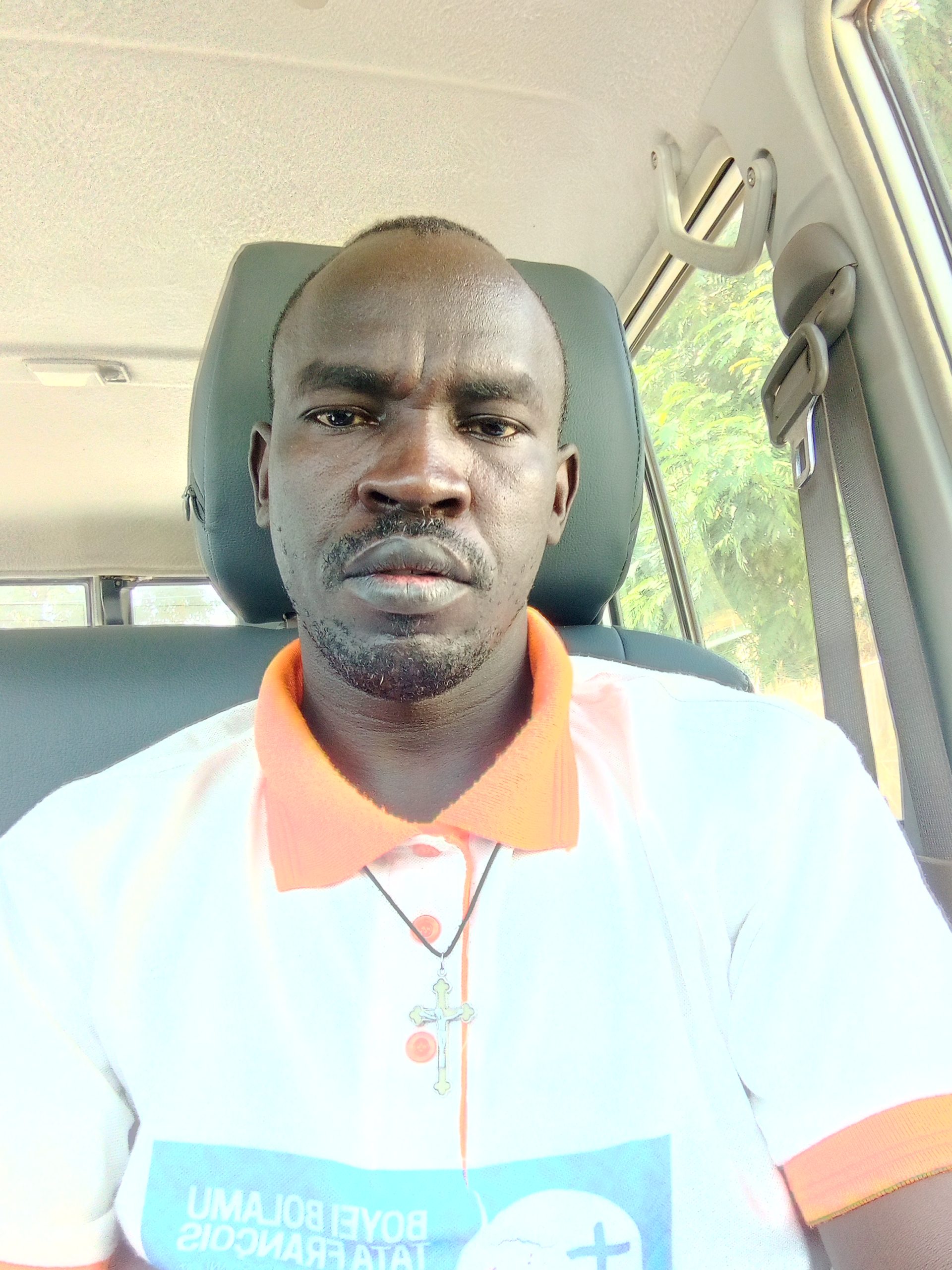
I am Valentino Okwero, a native South Sudanese and a Jesuit. Before being sent to Loyola Secondary School in Wau South Sudan for regency, I was doing my Philosophy studies in the Democratic Republic of Congo. These two countries share same stories of violence and suffering. The positive story of the Pope’s visit and renewed hope that things will change to better followed the Pope’s message of love and peace.
South Sudan has been in civil war since when it was still one country with the Northern Sudan. The main causes of war was the imposition of Islamic ideologies and cultures, and ignoring the indigenous Sudanese cultures and traditional aspirations. Unscrupulously, the Muslims tried to impose Islam. That’s why it was convincing for the South Sudan to separate from the North and become an independent country. unfortunately, civil war continued to ravage the Country. The main causes of war at this time are disgracing: ethnic differences, nepotism, tribalism and thirst for power. As a result, the government failed to build a long awaited peace.
The
South Sudanese are peace loving people. And even when they fought against the
Sudanese government, it was because of injustice existing then. The black and
non Muslim Sudanese were unjustly treated. After independent, we were excited
because we thought peace would be forever and that we would live in harmony.
Little did we know that it is a process to build a peaceful state. There were
issues we needed to address so that peace could be fully attain. We needed to
build a national identity as one people of South Sudan. We and our leaders we
ululated in their efforts to bring independent failed in this aspect. We did
not build a national identity. Consequently, the country is going through many
crisis and the most affected ones are the young people.
When we had independent in 2011, we were excited and young people began to have hope. We could see a brighter future with a lot of promises. We forgot in that short time sad circumstances we went through when we were still one united Sudan, tormented by a civil war that has brought untold misery, suffering and death of so many young people. I remember I shed tears on the day of independent because of inexpressible joy in people’s faces. But this joy was short lived when civil war broke out again in South Sudan in 2013. Everything changed in a short time. The love and unity which existed among South Sudanese before the independent vanished. Innocent people were killed and the seed of bitterness was sown. People became divided based on tribal line. Many fled to refugee camps. Many children lack food and many of them suffer from malnutrition and communicable diseases. There are no good functioning schools and the illiteracy rate continue to rise. The economy of the whole country is fragile and staggering. The poverty level is high.
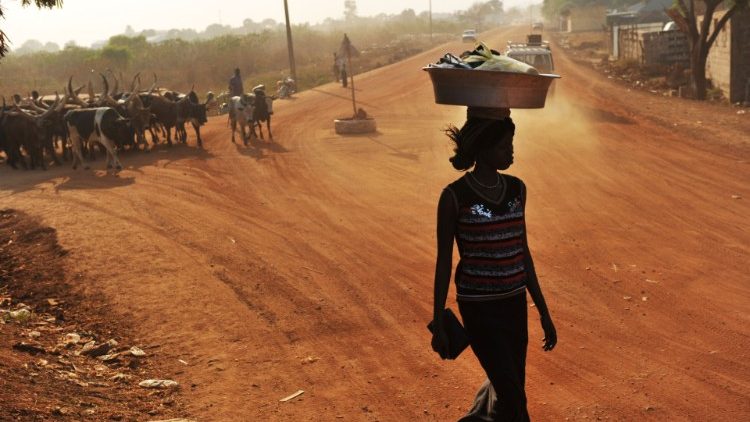
After the signing of theRevitalized Agreement on the Resolution of the Conflict in September 2018, relative peace returned and many young people still have dreams and want to build for themselves a future more peaceful than their past experiences. But they are frustrated by limited opportunities and lack of technical trainings that would develop their skills to be innovative. They become frustrated by the imagination that their dreams may not become a reality. As young religious, my greatest challenge is listening to such stories of people who dream big but opportunities are limited to help them realise what they dream. Young girls are denied chance to study and are forced into early marriage. Young people who want to study hoping that education will help them to acquire life skills go through untold suffering and eventually drop out of school. Some because of war or lack of school fees and girls particularly because they are married off to men they did not choose.
Finally, after all the experiences of war and suffering, we can only build a peaceful community if we are ready to forgive the past. When the Pope came to South Sudan, he called for laying down of arms and embracing mercy which Christ offers to us all. Availing good education institutions that offer skills they need would also help. South Sudan has an arable land which could be cultivated to produce food enough for the whole population. It’s a matter of training people in Agriculture and they can produce their own food. Additionally, setting up youth centres where they can be engaged in different youth activities would help promote unity and help shape national identity. When young people come together, they can learn from each other and find ways on how to relate with each other.
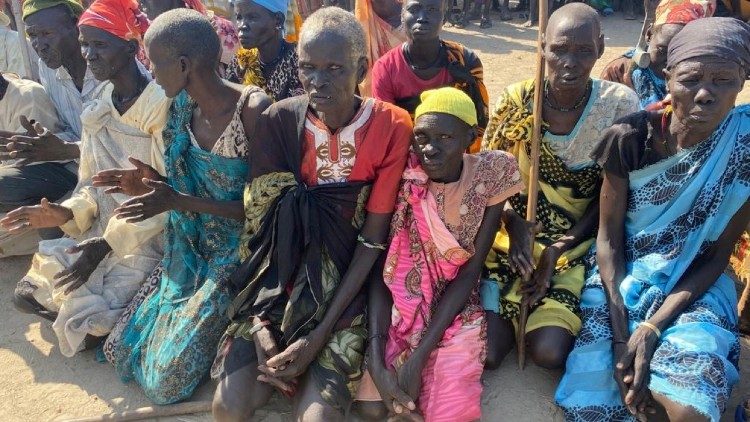
I ask myself sometime when will this suffering end? When will South Sudanese become one people and work together for their development? The desire to serve God and His people that pushed me to join religious life few years ago is kind of renewed desire every time I get to witness or hear these painful stories. Though I felt most of the time unable to intervene sufficiently, I shared stories of successful people who have gone through hardship and at the end they succeeded. It’s a kind of opening a wide horizon of hope and courage not to give up. For me, concentrating on the younger generation is the right choice because they can still be formed into better human beings. Though they express signs of giving up, young people have energy which can still be transformed. I am hoping that one day God will answer this prayer of mind that South Sudanese will come together, embrace each other in love, forgive the past and build a future full of blessings.