Italy – Ukrainian refugees in Milan welcomed by Jesuits at the Leo XIII Institute
The outbreak of war in Ukraine, the desire to respond to the emergency. So the Jesuits of the Milan community - San Fedele, Leone XIII and Villapizzone - chose to take in, identifying the Leone XIII Institute as the most suitable place.
"The building has a large area designated for guest quarters, part of which could be dedicated to this type of hospitality, after some adaptations," Fr. Francesco Cambiaso recounts. "It was a matter of preparing the premises: kitchen, laundry and common room. The rooms needed only minimal interventions." The synergy with Caritas Ambrosiana's Farsi Prossimo Cooperativewas invaluable. Meanwhile, another small hosting experience had begun at San Fedele. "A Ukrainian lady with her daughter. It was, as has been the case in almost all cases, a person who by a roundabout way was presented to us with her urgent need, and we felt we could not refuse her."
Both spoke English. "Which is rare among Ukrainian refugees: of the eleven others assisted, then housed at Leo XIII, only a mother and daughter knew a little Italian." The language difference proved to be a significant obstacle. "Of course, the smartphone and Google translator help, but for the refugees autonomy is obviously very limited by the language barrier and not speaking any other language but Slavic."
Currently thirteen people in all are being housed, mothers with minor children, and an elderly couple. Eight more people are arriving at the Schuster Center, where the "little building," a property behind the church currently unused, has been adapted, a reception made possible thanks to the prompt response of the Steering Committee, a number of volunteers, the Jesuits, and the generosity of a Milanese bank.
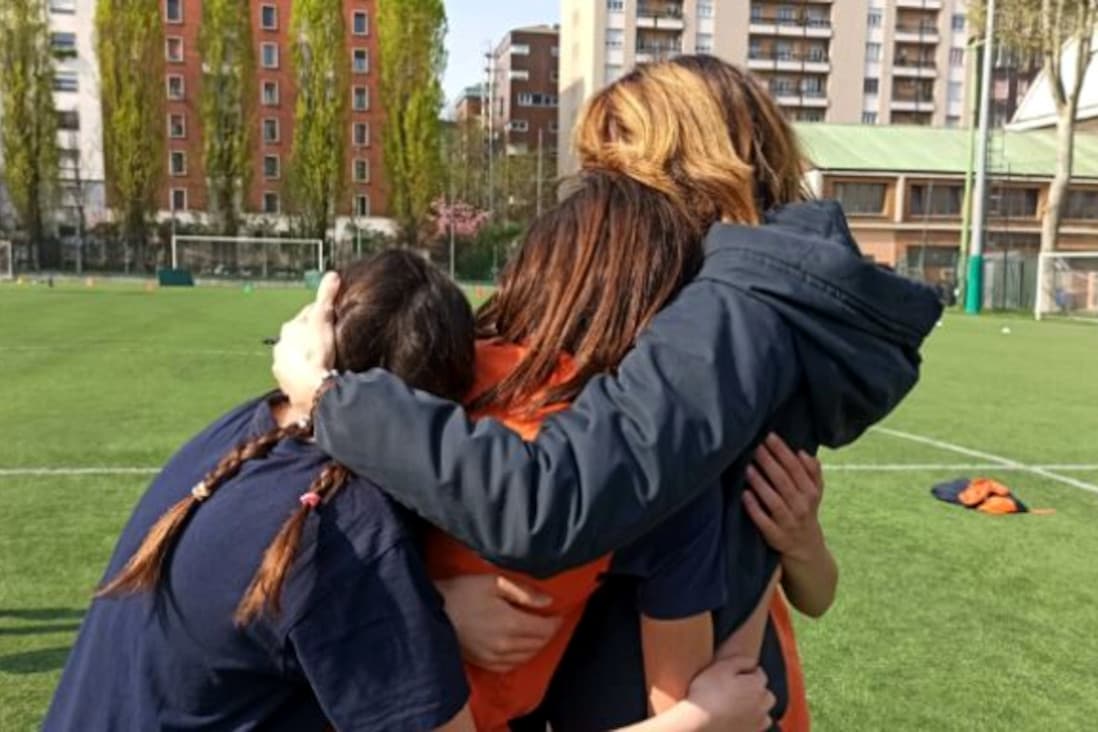
Not only welcome but relational capacity
"It is good to see that if we want to we are capable of solving problems. Disappointing to see that we are definitely racist, and also irrational. San Fedele moreover also hosts other refugees," Cambiaso explains. People's response has been strong and generous. "Adequate interpersonal skills must be associated: these are special situations, marked by pain." The theme of trauma emerges as central: "it manifests itself in many ways, especially with depressive symptoms and - for the most part - prevents realistic planning of the stay in Italy. Unable to fully accept being refugees, most live in the illusion of an imagined return ... 'soon,' and do not activate all the resources that would be useful to improve their situation. The negative consequences of this phenomenon fall mainly on minors: if mothers are under the illusion that they can return "...soon...", the risk is that almost nothing is done to include the children accompanying them. As for the Cooperatives dealing with them: so many refugees, so few workers; mostly good and motivated, but few. You know, the numbers have to add up.
From the response our limitations and resources
Peace is a complex phenomenon, linked to justice. It is built little by little over time. But it is touted as the result of a generic rejection of war: a misleading simplification. On the management of conflict - including political conflict - we have not progressed. Finally, every refugee brings devastating stories: it would require constant and prepared proximity. Indeed, we see that there is no small amount of work required by the community we welcome. We are not always adequate; in doing, limitations emerge. With Ukrainians, however, our city has proved sensitive."
Source: Gesuiti

Related Posts:

Stan Swamy Day in Viragalur was a moving tribute to a man who devoted his life to justice and the upliftment of the marginalized.
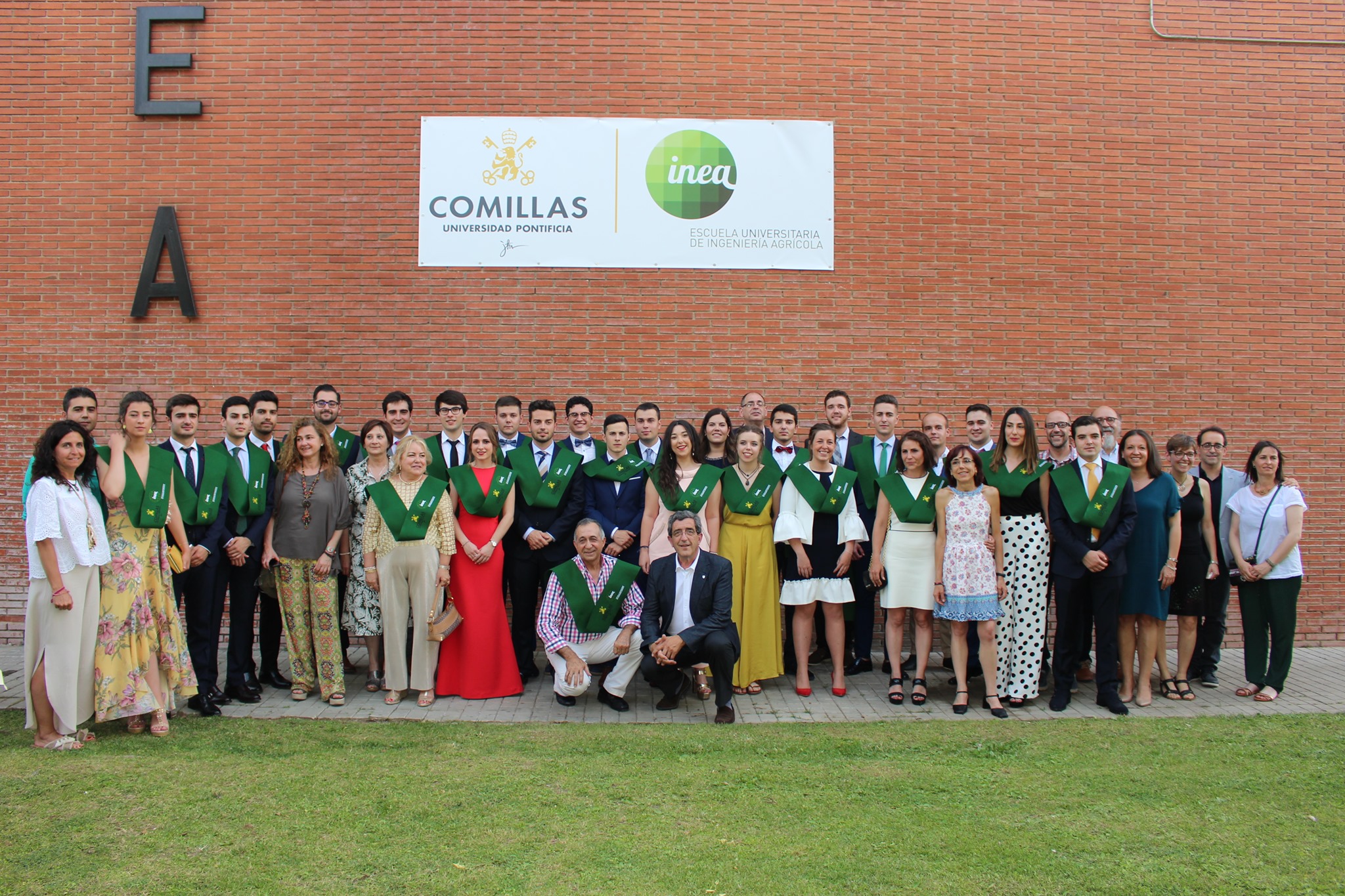
"INEA was a very conventional school, but at one point, we noticed we were at a "dead end," teaching the same thing everyone else was teaching. Twenty years ago, we realised we had to turn things around and get into thinking, learning, and practising organic farming.
"We don't want to take sides, we simply want to enlighten people through texts and enable them to start talking one day soon"
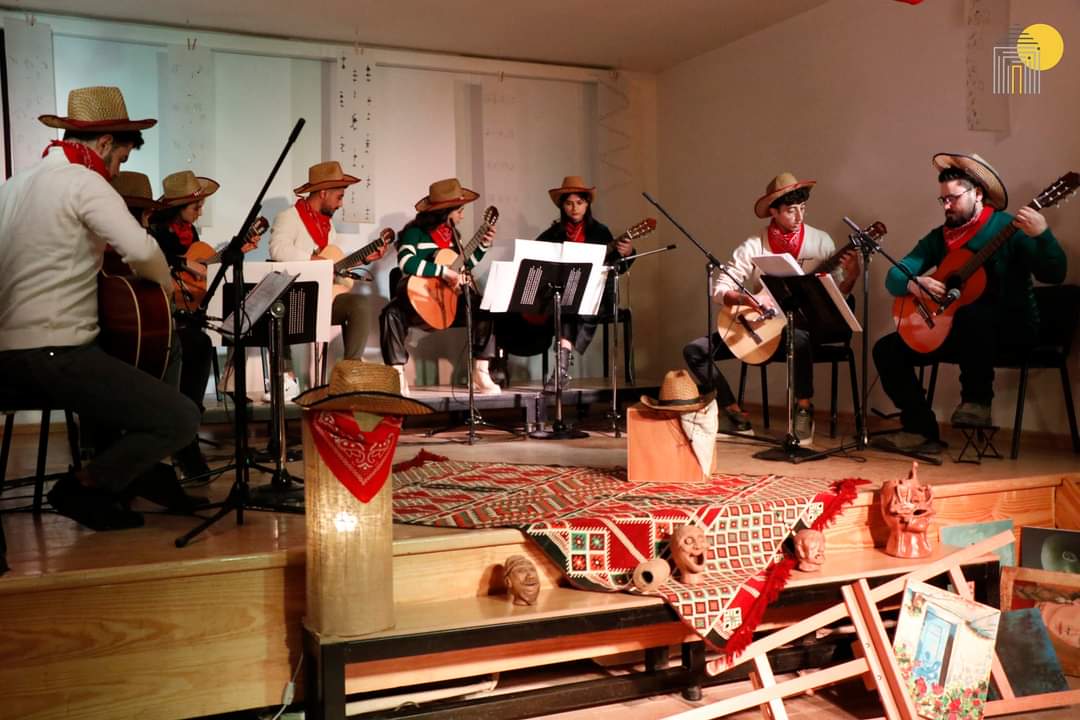
This reality takes a lot of energy from each of us. Much of our time is spent addressing problems that do not exist in other parts of the world.
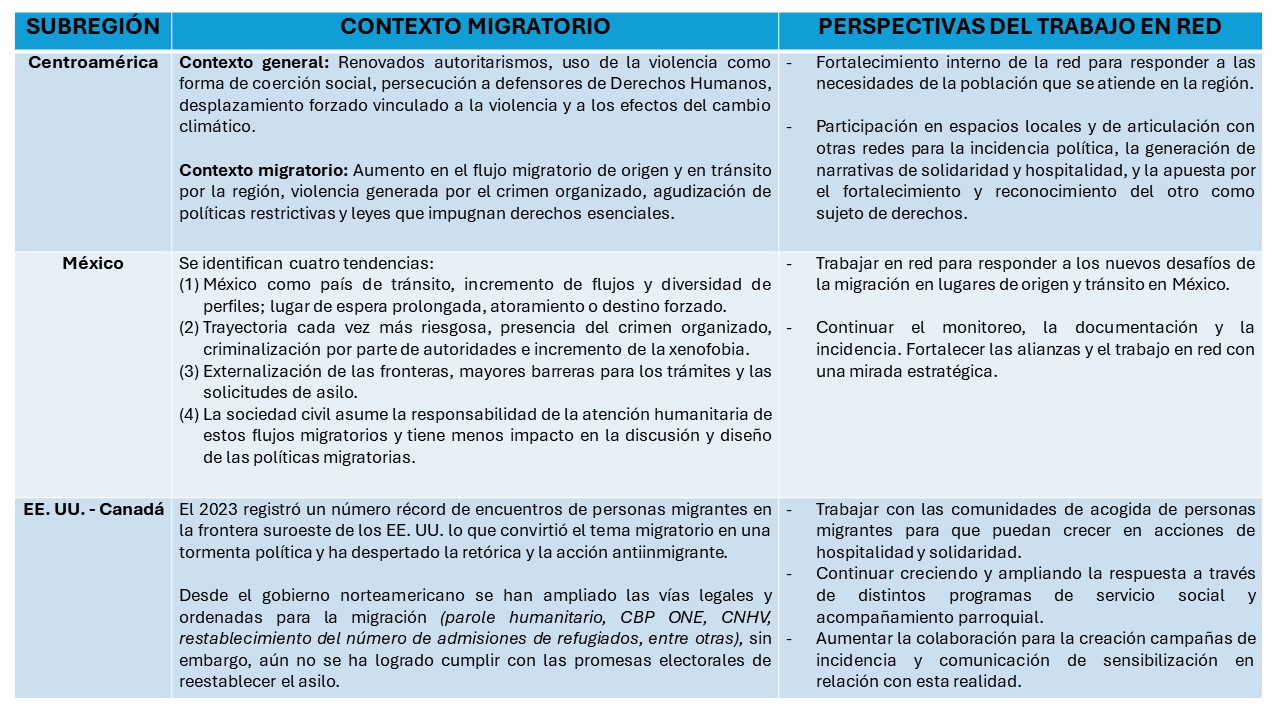
Jesuit Network with Migrants Central America and North America (RJM CANA) shared the first four months of the year report (January – April 2024): "They have been months of a lot of work to face the challenges in the migration context characterized by an increase in the migratory flow in vulnerable conditions throughout the region, however, also These have been months in which the fruits of networking have been confirmed".

On Wednesday, April 10, the European Parliament voted on the European Pact on Asylum and Migration. JRS Europe directors jointly opposed the pact and urged European institutions to reject it: "We cannot support a system that will allow the systematic detention of thousands of people, including children, at the EU external borders."